
Marilena Stamouli,
eNews Editor
Editorial
Message from the eNews Editor
Dear colleagues,
Laboratory Medicine is one of the most important fields in healthcare. From prevention and early detection, to novel diagnostic technologies and long-term patient management, IFCC aims to bridge scientific discovery and clinical practice, foster collaboration and accelerate progress towards better outcomes for patients.
In her message included in this issue, our President, Prof.Tomris Ozben, highlights the importance of Worldlab 2026, held in October in New Delhi, India, which was actually a prestigious global scientific event that brought together laboratory medicine professionals, scientists, clinicians, educators, industry representatives, and healthcare leaders from around the world.
In this issue you can read interesting news from the IFCC Professional Scientific Exchange Programme, which provides the participants with valuable experiences, knowledge sharing and opportunities for international partnerships. Morover, the Committee on Emerging Technologies in Pediatric Laboratory Medicine share with us valuable data on pediatric cardiac troponin testing worldwide.
News from the IFCC Task Force-Young Scientists, the Latin American Forum of Young Clinical Laboratory Professionals and the AFCC Young Scientists highlight that one of the top priorities for IFCC is to support young laboratory medicine professionals, enhance existing opportunities for them and stimulate their active participation in the educational events.
News from the COLABIOCLI 2026, held in October in Bolivia, highlight the contribution of laboratory professionals to healthcare through innovation and collaboration. Moreover news from our member societies of Spain and Serbia demonstrate the power of laboratory medicine for advancing patient care.
In this issue you can meet Dr. Jonas Ghouse, winner of the 2026 IFCC–Gérard Siest Young Scientist Award for his work on the genetics of adverse drug reactions, large-scale blood proteomics and biological variation.
You can also meet Dr. Christian Vogl, Corporate Representative for the Scientific Division Executive Committee of IFCC, who shares with us his experience of being part of the IFCC community and serving as a Corporate Representative.
News from multidisciplinary teams from Brazil, Malaysia, New Zealand and Saudi Arabia, all of which received a 2026 Recognition of Achievement in association with the UNIVANTS of Healthcare Excellence Awards, are also included in this issue. Their work highlights how laboratory-led initiatives can enhance diagnostic accuracy, support earlier intervention, thus attaining a more efficient use of clinical resources and improved outcomes for patients.
Marilena Stamouli
The voice of IFCC
IFCC President’s Message
November 2026
By Tomris Ozben
Prof. Tomris Ozben
EuSpLM, Ph.D.
Dear Colleagues and Friends,
The 27th International Congress of Clinical Chemistry and Laboratory Medicine (IFCC WorldLab New Delhi 2026), jointly organized by IFCC and APFCB hosted by the Association of Clinical Biochemists of India (ACBI), was a remarkable scientific event and a wonderful celebration of our global laboratory medicine community.
Held from 25 to 29 October 2026 at the Yashobhoomi India International Convention and Expo Centre (IICC) in New Delhi, the Congress brought together laboratory medicine professionals, scientists, clinicians, educators, industry representatives, and healthcare leaders from around the world.
This prestigious international gathering provided an exceptional platform for sharing scientific knowledge, exploring technological innovations, strengthening international collaborations, and discussing the challenges and opportunities shaping the future of our profession.
The impressive facilities of Yashobhoomi offered an excellent setting for the Congress, reflecting India’s growing role in advancing science, technology, and healthcare.
I would like to express my sincere appreciation to ACBI for hosting this important Congress and to the Co-Chairs and members of the Congress Organizing Committee (COC) and Scientific Programme Committee (SPC) for their dedication, commitment, and considerable efforts in ensuring its success.
My heartfelt thanks also go to our distinguished speakers, session chairs, volunteers, sponsors, exhibitors, industry partners, and everyone who contributed to the organization of this outstanding event.
Above all, I wish to thank our participants, who travelled from different parts of India and across the world. Your active participation, enthusiasm, and scientific contributions made WorldLab New Delhi 2026 a truly international gathering.
I hope that, alongside the stimulating scientific programme, our international colleagues also had the opportunity to experience India’s extraordinary culture, rich history, warm hospitality, and vibrant traditions.
IFCC Governance, Strategic Priorities, and International Collaboration
Beyond its comprehensive scientific programme, WorldLab New Delhi 2026 provided an important opportunity for IFCC governance, strategic reflection, and meaningful engagement with our members and partners.
Several significant meetings took place during the Congress, enabling us to review achievements, discuss challenges, strengthen collaboration, and define priorities for the future of our Federation.
On 24 October, the IFCC Executive Board held a full-day meeting, followed by an additional half-day meeting on 29 October. These meetings provided valuable opportunities to review the Federation’s achievements, evaluate strategic initiatives, address important and emerging issues, and consider the challenges and opportunities ahead.
On 25 October, the IFCC Council convened, bringing together representatives of our Full, Affiliate, and Corporate Members.
As the governing body of IFCC, the Council plays a fundamental role in guiding the Federation’s direction and ensuring that important decisions reflect the collective interests of our international community.
The presentations delivered by the IFCC President, IFCC Treasurer, Corporate Members representative and Chairs of the IFCC Divisions were particularly valuable, highlighting the progress of ongoing activities, major achievements, and priorities for the coming years. I extend my sincere appreciation to all Executive Board members and Division Chairs for their continued dedication and valuable contributions to IFCC.
The meeting provided an important forum for constructive dialogue, the exchange of perspectives, and discussions on strategic priorities and matters affecting the future of IFCC.
These discussions reaffirmed the importance of close collaboration between the IFCC Council and Executive Board, mutual respect, transparency, shared responsibility, and adherence to our Statutes and established governance principles.
Also on 25 October, the meeting between the IFCC Executive Board and IFCC Corporate Members provided another valuable opportunity to strengthen our collaboration with industry partners.
This initiative, first introduced during WorldLab Dubai 2024, has established an important platform for direct, two-way communication between the IFCC Executive Board and IFCC Corporate Members.
Our Corporate Members are essential partners in advancing laboratory medicine, supporting scientific innovation, and translating technological developments into meaningful improvements in laboratory practice and patient care.
Open and constructive dialogue with our industry partners helps strengthen mutual understanding, identify shared priorities, and develop transparent, effective, and mutually beneficial collaborations.
I am confident that continued engagement will further strengthen these partnerships and create new opportunities for cooperation.
Scientific Innovation and Emerging Technologies
The Congress scientific programme reflected the remarkable transformation taking place in laboratory medicine, driven by developments in artificial intelligence, automation, precision medicine, molecular diagnostics, point-of-care testing, digital health, and emerging technologies.
Of particular interest was the satellite meeting organized by the IFCC Committee on Point-of-Care Testing (C-POCT), entitled “New Developments and Opportunities for Point-of-Care Testing with a Focus on Developing Countries.”
As diagnostic technologies become increasingly portable, connected, and accessible, point-of-care testing offers significant opportunities to expand access to timely, high-quality diagnostic services, particularly in resource-limited settings.
This meeting reflected IFCC’s commitment to ensuring that scientific and technological advances contribute not only to innovation, but also to greater equity in healthcare worldwide.
Another highly relevant pre-Congress satellite meeting, entitled “Building Your First AI Model: A Practical Session” was organized on 25 October 2026 by Prof. Pradeep Kumar Dabla at the G.B. Pant Institute of Postgraduate Medical Education and Research (GIPMER), New Delhi.
This practical session addressed one of the most rapidly developing fields in laboratory medicine, demonstrating the growing importance of artificial intelligence and the need to equip laboratory professionals with appropriate knowledge and practical skills.
These initiatives illustrated the importance of combining scientific excellence with practical education and translating emerging technologies into applications that can improve laboratory performance and patient outcomes.
Supporting the Next Generation of Laboratory Professionals
Supporting young scientists and emerging leaders remains one of IFCC’s highest priorities.
WorldLab New Delhi 2026 hosted the fifth IFCC Young Scientists Forum, continuing our commitment to nurturing the next generation of laboratory medicine professionals.
Through scholarships, travel grants, educational activities, and networking opportunities, IFCC supports the participation of young scientists from different regions of the world, particularly those with limited access to international scientific events.
The Forum provided valuable opportunities for early-career professionals to interact with leading experts, exchange scientific ideas, establish international collaborations, and engage with representatives from academia, clinical laboratories, and industry.
The enthusiasm, creativity, and commitment of our young colleagues are essential to the continued advancement of our profession.
Whether their interests lie in artificial intelligence, precision medicine, digital health, molecular diagnostics, laboratory management, point-of-care testing, or emerging technologies, young scientists have an important role in shaping the future of healthcare.
The future of laboratory medicine will be shaped not by a single institution, technology, or country, but by the collective knowledge, dedication, and collaboration of scientists, clinicians, laboratory professionals, educators, and innovators working together for the benefit of patients worldwide.
Sustainability and Environmental Responsibility
Another important aspect of WorldLab New Delhi 2026 was its commitment to promoting environmental responsibility through the organization of a green and sustainable Congress.
Sustainability has become an essential consideration and priority in modern healthcare and laboratory medicine. As our profession continues to advance technologically, we must also recognize our responsibility to reduce the environmental impact of laboratory activities.
Through its initiatives in green and sustainable laboratories, IFCC and its international partners continue to promote environmentally responsible practices, resource efficiency, and the integration of sustainability into laboratory management and healthcare delivery.
Scientific innovation and environmental responsibility must progress together to ensure that advances in healthcare contribute to a healthier and more sustainable future.
Recognizing Excellence: IFCC Awards
One of the most meaningful traditions of IFCC is the recognition of individuals who have made outstanding contributions to laboratory medicine.
Our profession advances through the dedication, vision, scientific achievements, and leadership of colleagues who improve diagnostic quality, expand scientific knowledge, promote education, and strengthen international collaboration.
The IFCC Awards recognize these exceptional contributions and celebrate individuals whose work has had a significant and lasting impact on our profession.
It was therefore my great honor and pleasure, as IFCC President, to announce the IFCC Awards and recognize our distinguished award recipients, selected by the IFCC Awards Committee.
Their achievements represent an inspiration to our international community, particularly to younger generations of scientists and laboratory professionals.
Looking Ahead: Building on the Success of WorldLab New Delhi 2026
WorldLab New Delhi 2026 was much more than an international scientific congress.
It was a celebration of scientific excellence, international friendship, professional solidarity, and our shared commitment to improving healthcare through laboratory medicine.
The scientific discussions, governance meetings, industry engagement, educational activities, and networking opportunities demonstrated the strength of IFCC as a global organization.
Through its worldwide network of Regional Federations, National Societies, Corporate Members, Divisions, Committees, Working Groups, and Task Forces, IFCC continues to promote scientific excellence, harmonization, education, innovation, and international cooperation for the benefit of patients everywhere.
The discussions held and relationships strengthened during the Congress will continue to influence our activities and strategic priorities well beyond New Delhi.
I would once again like to express my heartfelt gratitude to ACBI, the Congress Organizing Committee, the Scientific Programme Committee, the IFCC Executive Board, Division Chairs, our Full, Affiliate, and Corporate Members, MZ Events, speakers, participants, sponsors, exhibitors, volunteers, and all those who contributed to the success of this remarkable Congress.
WorldLab New Delhi 2026 reminded us of what we can achieve when we work together across countries, disciplines, institutions, and sectors, united by a shared purpose.
As IFCC President, I am proud of our international community and deeply grateful to everyone who contributes to its continued development.
Let us build on the achievements and momentum of this Congress, strengthen our partnerships, uphold our shared values, and continue advancing laboratory medicine through science, education, innovation, and collaboration.
Together, we can shape a future in which high-quality laboratory medicine is accessible to all and continues to make a meaningful difference in patients’ lives worldwide.
Thank you all for being part of this important journey.
With my warmest regards,
Prof. Tomris Ozben
IFCC President
IFCC Professional Scientific Exchange Programme at JSS Medical College and Hospital, Mysuru, India
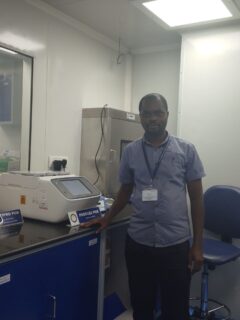
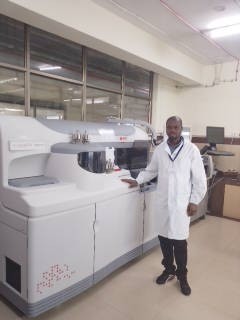
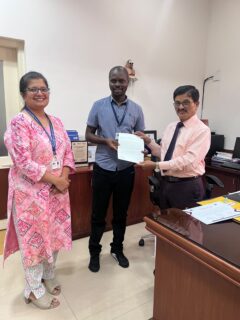
By Mr. Déogratias Iriho, Head of Clinical Laboratory Services, National Referral Hospital Cinquantenaire of Karusi, Burundi
I am deeply grateful to the IFCC for the opportunity to participate in the Professional Scientific Exchange Programme (PSEP) at JSS Medical College and Hospital, Mysuru, India. The program provided me with valuable exposure to advanced practices in Clinical Laboratory Services, particularly within the Departments of Biochemistry and Medical Genetics. This advanced training significantly contributed to my professional growth and enhanced my expertise in clinical biochemistry and laboratory operations.
My training began with a comprehensive laboratory orientation, covering the workflow from specimen collection and reception to sample processing and analysis. I subsequently gained practical/hands-on exposure to several automated diagnostic platforms, including the cobas e 402, cobas c 303, Cobas 311, Cobas 411 and ABL 800. Working with these systems enhanced my understanding of different analytical principles and technologies, including immunoassay, photometric methods, and ion-selective electrode (ISE) methodologies.
I also gained experience with the Laboratory Information System (LIS): Infinity Software, and learned about laboratory scope, Internal Quality Control (IQC), calibration procedures, External Quality Assessment Schemes (EQAS), instrument-specific quality requirements, critical values, and appropriate laboratory practices, including important do’s and don’ts. Another valuable component of my training involved specialized laboratory techniques such as protein electrophoresis, immunofixation electrophoresis (IFE), HbA2 analysis and reporting, as well as the use of the D-10 Hemoglobin Testing System. I gained experience in RO water monitoring and the importance of maintaining appropriate water quality for laboratory operations.
Quality management was an important component of my training. I had the opportunity to review key laboratory documents, including the Quality Manual, Quality System Procedures and Standards (QSPS), and general Standard Operating Procedures (SOPs). I also gained insight into the requirements for laboratory accreditation under the National Accreditation Board for Testing and Calibration Laboratories (NABL). In particular, I learned about the management of non-conformities and monitoring of Corrective and Preventive Actions (CAPA).
My experience also extended to medical genetics, where I learned routine techniques including DNA extraction, polymerase chain reaction (PCR), DNA electrophoresis, and DNA sequencing. In addition, I had the opportunity to observe and learn about various instruments and platforms used for molecular investigations, including the Manta system, Fragment Analyzer, ProFlex PCR System, SeqStudio, Ion GeneStudio S5 Plus, and GeneChip Scanner. I was particularly interested in specialized techniques such as Sanger sequencing and CytoScan microarray analysis.
The training also included exposure to specialized screening services, particularly newborn screening and maternal screening. I learned about the workflow and equipment involved in these services, including DBS punching, the DELFIA multilabel counter, shaker incubators, and related laboratory procedures.
To supplement the practical aspects of the training, I also had the opportunity to visit the Pathology and Microbiology Departments. As part of the Hematology service, I observed several automated and semi-automated systems, including the Sysmex six-part differential analyzers, Mindray six-part differential analyzers, Mindray BC-6800 Plus, three-part Sysmex analyzers, automated coagulometer CB-14, and semi-automated coagulometer KC4 Delta. Excitingly, in the Serology and Microbiology Services, I was exposed to a range of diagnostic technologies, including the VIDAS Kube, VITROS 3600, MISPA-13 nephelometry system, VITEK 2 compact (bioMérieux), VITEK 2 compact CYRIX, BACT/ALERT 3D, Plex-Mat 4, ELISA plate reader and plate washer systems, among others. I also gained exposure to several diagnostic and research activities, including tissue culture, leptospirosis investigations, scrub typhus, dengue diagnosis, and other less commonly encountered infectious diseases. This multidisciplinary exposure broadened my understanding of the role of clinical laboratories in the diagnosis and management of diverse diseases.
My participation in the IFCC Professional Scientific Exchange Programme (PSEP) at JSS Medical College and Hospital, Mysuru, was a valuable opportunity for professional development and international knowledge exchange. The experience broadened my expertise in modern laboratory workflows, advanced diagnostic techniques, laboratory automation, and quality management systems. Beyond technical knowledge, it reinforced the importance of professional collaboration, knowledge sharing, and continuous improvement in advancing clinical biochemistry and laboratory medicine. The exchange provided me with valuable perspectives and practical knowledge that I can apply and share to strengthen laboratory services, quality practices, and patient care at my home institution in Burundi.
I am sincerely grateful to the IFCC for making this exceptional opportunity possible and to the JSS Medical College and Hospital, particularly the Departments of Biochemistry and Medical Genetics, for their warm hospitality, guidance, and generous sharing of expertise, which greatly contributed to my professional growth. I also extend my sincere appreciation to the Medical director of National Referral Hospital Cinquantenaire of Karusi for supporting my PSEP application and facilitating my participation in this valuable professional exchange.
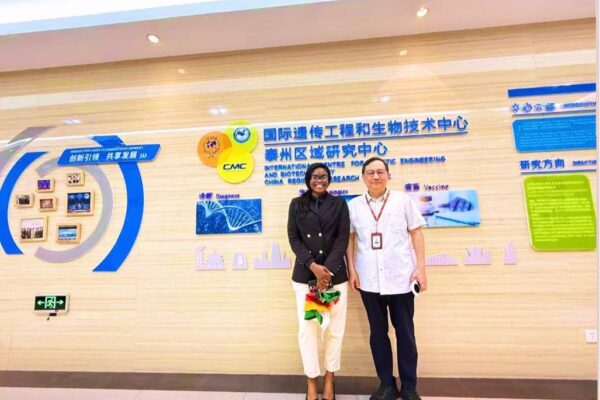
IFCC Professional Scientific Exchange Programme at the International Centre for Genetic Engineering and Biotechnology (ICGEB) Regional Research Centre in Taizhou, China
From Computational Design to Laboratory Validation: Advancing a Multi-Epitope Malaria Vaccine Candidate Through a Research Fellowship in China.
By Merrylyn Mtingwende (PhD researcher)
National University of Science and Technology, Faculty of Medicine, Zimbabwe
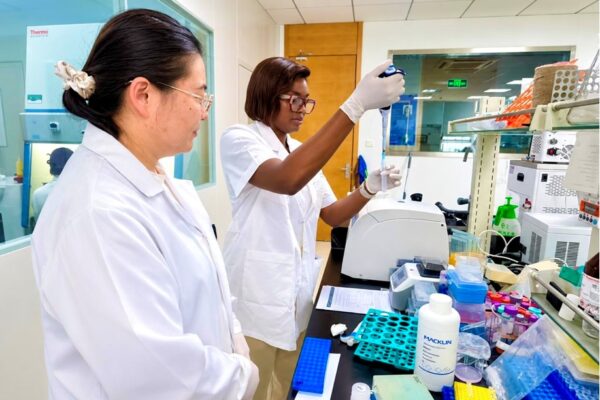
Through the IFCC Professional Scientific Exchange Programme, I had the privilege of spending three months at the International Centre for Genetic Engineering and Biotechnology (ICGEB) Regional Research Centre in Taizhou, China, a leading facility specialising in molecular biology, diagnostics, and vaccine development. The fellowship focused on translating a computationally designed multi-epitope malaria vaccine construct into a laboratory-validated product through molecular synthesis and cloning, protein expression, and purification.
Under the mentorship of Professor Yang and Dr Xuelin Zhan, I gained hands-on experience in molecular cloning, bacterial expression systems, nickel-nitrilotriacetic acid (Ni-NTA) affinity purification, SDS-PAGE, and Western blotting. I also developed practical skills in troubleshooting protein solubility challenges. The construct was successfully synthesised and cloned, expressed in Escherichia coli, and assessed using SDS-PAGE and Western blotting, followed by Ni-NTA purification. Although immunogenicity testing was part of the original project plan, the three-month timeframe prevented its completion during the fellowship. Nevertheless, the work established a foundation for further immunological evaluation and preclinical studies.
The initial four weeks also provided exposure to additional molecular biology techniques, including DNA and RNA extraction, transcription, gel electrophoresis, and quantitative polymerase chain reaction (qPCR). This broadened my technical expertise and strengthened my understanding of laboratory approaches used in contemporary biomedical research.
Beyond laboratory training, weekly journal clubs provided opportunities to discuss published research, strengthen scientific presentation and critical appraisal skills, and remain abreast of emerging scientific developments. Weekly laboratory meetings enabled researchers to present ongoing projects, evaluate progress, and discuss challenges and solutions. I presented my malaria vaccine project at one of these meetings. Moreover, I participated in a research exhibition held in August 2026, which showcased the centre’s diverse scientific activities and encouraged the exchange of research ideas.
The fellowship also offered opportunities for cultural integration through twice-weekly Chinese language lessons organised for international researchers, enriching the experience of living and working in China.
The successful laboratory production and purification of the vaccine construct demonstrated the feasibility of advancing a computationally designed candidate into experimental research. Further studies are required to establish its immunogenicity, safety, and protective efficacy. The experience reinforced the importance of integrating computational design with experimental validation in vaccine development.
I extend my sincere gratitude to IFCC for making this entire professional experience possible, and my heartfelt appreciation to Professor Yang, Dr Xuelin Zhan, Qin Yuexia and the entire ICGEB Regional Research Centre team, for their mentorship and support. This fellowship strengthened my professional expertise, expanded my international research network, and established a valuable platform for scientific collaboration between Zimbabwe and ICGEB. The knowledge gained will support the next phase of malaria vaccine research and contribute to strengthening vaccinology research capacity in Zimbabwe.
COLABIOCLI 2026: Latin American Science, Bolivian Spirit, Global Ambition
From Santa Cruz to Buenos Aires, advancing laboratory medicine through innovation and collaboration
By Bernard Gouget1, Rosa I Sierra-Amor2, Swarup Shah1, Tomas Zima3
1IFCC ETD EC, 2 IFCC Member Nominations Committee, 3 EFLM President
As an IFCC Regional Federation, the Latin American Confederation of Clinical Biochemistry (COLABIOCLI) brings together national professional organizations across Latin America, as well as Spain, now represented by SEMEDLAB, the society formed through the merger of AEFA, SEQC and the Spanish association of laboratory physicians. This diverse community promotes scientific cooperation, continuing education, quality improvement and professional development, connecting regional expertise with the global laboratory medicine community. Founded in 1968 in Mar del Plata, Argentina, and formally established in 1973 in Porto Alegre, Brazil, COLABIOCLI has built a tradition of exchange and collective action. Its Latin American congress brings this mission to life: sharing national experiences, strengthening international partnerships and supporting the evolving contribution of laboratory professionals to healthcare.
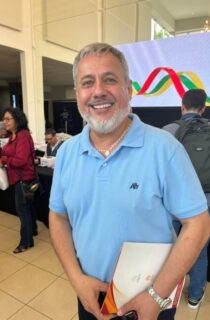
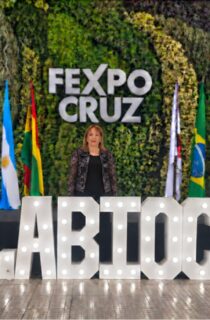
From 7 to 10 October 2026, this collaborative spirit found a particularly warm expression in Santa Cruz de la Sierra, which hosted the 27th Latin American Congress of Clinical Biochemistry, jointly organized by COLABIOCLI and the Bolivian Society of Clinical Biochemistry (SOBOBIOCLI). This was the first time Bolivia had hosted the regional congress. Its theme “Automation, Quality, Artificial Intelligence and Environmental Care: Challenges and the Role of the Laboratory Professional «linked technological progress with the scientific, clinical and human responsibilities of the profession.
Santa Cruz provided a welcoming setting for this international gathering. Its historic center, with the tree-lined Plaza 24 de Septiembre facing the landmark Cathedral Basilica of San Lorenzo, offered opportunities to discover the city’s heritage and everyday life beyond the congress venue. According to the organizers’ report, the congress brought together 672 participants from 28 countries, 129 speakers and 34 companies. With 14 symposia, nine plenary lectures, 54 invited lectures, ten specialized industry workshops, four pre-congress courses and two round tables, the programme reflected an impressive scientific commitment, driven by Latin American expertise and enriched by international contributions. This achievement owed much to the dedication of Dr Álvaro Justiniano Grosz, Congress President and President of SOBOBIOCLI, and Dr Vanessa Telleria Zagredo, Chair of the Congress Scientific Committee. Together with Marlene Vélez de la Vega, Chair of the COLABIOCLI Scientific Committee, national society representatives and the Bolivian organizing teams, they created a meeting combining scientific ambition, diverse experience and generous hospitality.
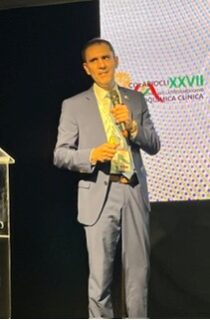
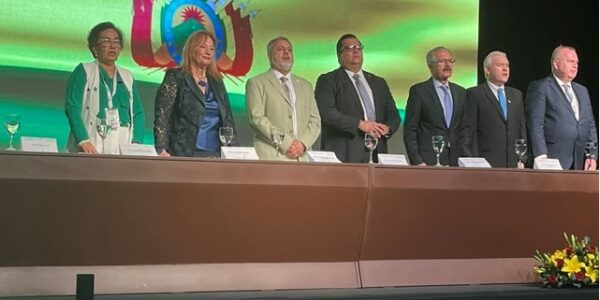
The opening ceremony was energized by Álvaro Justiniano Grosz’s passionate and inspiring address. His pride in welcoming the congress to Bolivia and his enthusiasm set the tone for the days ahead. Opening remarks also included contributions from Vanessa Telleria Zagredo, Julio Nieto Ramos, President of COLABIOCLI, and Professor Tomris Özben, IFCC President. Their addresses celebrated the collective effort behind the meeting, the friendship between delegations and the commitment to closer cooperation. Professor Tomris Özben’s inaugural lecture, “Shaping the Future of Laboratory Medicine: Current Innovations, Challenges and Emerging Trends,” opened the scientific proceedings. Chaired by Eduardo Freggiaro, it provided an international perspective on a question running throughout the congress: how should professional practice and competencies evolve to translate technological opportunities into better patient care?
A defining strength of the congress was the contribution of its member countries. Their sessions demonstrated a community developing expertise, comparing experience and building responses to regional needs. Common priorities emerged: strengthening confidence in laboratory results, improving prevention, supporting professional teams and embedding innovation within sustainable services. The symposium on accreditation as a strategic pillar of diagnostic quality and public health illustrated this approach. Yury Rodríguez from Colombia addressed the transition to ISO 15189:2022; Laura Mujica from Paraguay discussed audits and quality indicators; Rigoberto Sánchez from Panama explored leadership and sustainability; and María del Carmen Pasquel from Ecuador presented regional evidence on accreditation. Together, these perspectives placed quality at the heart of laboratory organization and its contribution to health systems. The session on new challenges in the preanalytical phase brought together Graciela Pennacchiotti from Argentina, Bertha Lacouture from Colombia and Eduardo Aranda from Chile. Artificial intelligence, microbiology quality indicators, haematology and coagulation were connected by a shared requirement: maintaining control over the entire sample pathway. Advances in analytical performance depend on quality being secured from the earliest stages of testing. Newborn screening provided a dialogue between Uruguay, represented by Cecilia Queijo and Patricia Esperón, and Bolivia, represented by Mónica Mariscal. Experience with screening programmes, genomic developments and integration into health services pointed towards a shared ambition: ensuring that early diagnosis leads to accessible, sustained care for children.
Microbiology also featured prominently. Paraguay, through José Pereira Brunelli, Amiliana Pineda Fretez and Melisa Florentín Candia, contributed expertise on neglected tropical diseases, PCR, MALDI-TOF and molecular epidemiology. Lilia Acevedo Almendarez from Honduras highlighted the continuing value of classical mycology. Their contributions demonstrated how professional expertise and modern tools can work together to improve diagnostic relevance and timeliness. The symposium on blood services brought together Mexico, represented by Jezabel Vite Casanova and María Magdalena Rivera Abaid, and Bolivia, represented by Edith Colque and Vanessa Telleria. From voluntary donation to blood compatibility testing and serological screening, the session covered essential aspects of transfusion safety. Vanessa Telleria’s presentation on the effects of climate change on blood supply extended the discussion to service continuity and resilience. The One Health approach gave a further dimension to professional responsibility. Agustina Guarnaccia from Argentina, Rafael Guzmán and Ludwig Albornoz from Colombia, and Martha Balsells from Guatemala examined environmental governance, chemical risks, waste management and the relationship between climate and human health. Their session connected sustainability with practical institutional decisions. The CUBRA session, “Automating Processes to Humanize Laboratory Services,” captured the spirit of the congress particularly well. With Agustín Bolontrade, Cecilia Ghisolfi and Gustavo A. Velasco from Argentina, it linked change management, patient experience and sustainable organization. Automation was presented as an opportunity to rethink work, support teams and strengthen human relationships. These sessions deserve recognition for their complementary perspectives and their relevance to everyday practice. Together, they highlighted a significant professional evolution: laboratory professionals contribute to interpretation, prevention, clinical advice and decision-making, with competencies that must develop alongside technology and changing healthcare needs.
IFCC contributions enriched the regional dialogue. Building on this strong Latin American participation, the IFCC sessions added international perspectives on the transformation of laboratory practice. The symposium on “Automation, Quality, Artificial Intelligence and Sustainability: The Role of the Laboratory Professional in the Digital Era” featured Harjit Bhattoa, Deniz İlhan Topcu, Kannan Vaidyanathan and Qing Meng. Their contributions addressed professional roles, digital transformation and scientific communication, publication standards, and challenges in reference intervals for transgender medicine. Together, they emphasized that technological progress must be accompanied by education, scientific rigor and appropriate clinical interpretation. The second IFCC symposium, “Clinical Laboratory Management: From Operational Excellence to Medical Value,” brought together Juan Castillo Mewa, Valentino Granero, María Monserrat Blanes and Francisco Javier Mérida de la Torre. AI ethics and clinical decision-making, leadership and risk management, green laboratories, and value-based healthcare formed complementary dimensions of a common ambition: ensuring that laboratory performance translates into meaningful benefits for patients.
The symposium “From Smartphones to Smart Care: The Mobile Health Revolution” gave this transformation a practical focus. Tomas Zima addressed mobile applications and telehealth, Bernard Gouget discussed health data governance and security, and Swarup A. V. Shah explored artificial intelligence and connected devices. Discussion of mobile health opportunities in Bolivia connected these developments with the conditions needed for their integration into clinical and laboratory practice was presented by Francisco Muñoz-Valle on behalf of Rosa Sierra-Amor. Connectivity, trust and professional responsibility provided a common thread linking innovation with implementation. Presentations by Tomas Zima, Maurizio Ferrari, Khosrow Adeli and Tahir Pillay further enriched discussions on cancer biomarkers, personalized medicine, liquid biopsy, harmonization, synthetic data and cardiovascular risk assessment. The Second Latin American Forum of Young Laboratory Professionals complemented this exchange by engaging the generations who will lead the discipline’s next developments.
Particular recognition is due to Dr Eduardo Freggiaro, COLABIOCLI Representative to the IFCC and President of the Argentine Biochemical Foundation (FBA). His involvement in the Scientific Committee, his chairing of the inaugural lecture and his contributions to discussions on quality illustrated his role in connecting regional and international communities. The distinction of Distinguished Guest of Santa Cruz de la Sierra awarded to him recognized his commitment. His engagement also looks towards IFCC WorldLab Buenos Aires 2028. Through the Fundación Bioquímica Argentina, which supported Argentina’s successful bid together with Confederación Unificada Bioquímica de la República Argentina (CUBRA), he contributes to a collective endeavour that will offer Latin America an outstanding opportunity to showcase its scientific expertise, professional commitment and hospitality.
From the inaugural vision to the final scientific plenary, the scientific programme was framed by two major contributions. Professor Tomris Özben’s inaugural lecture opened a broad perspective on the discipline’s development and the responsibilities accompanying innovation. Professor Khosrow Adeli’s final plenary lecture, addressing innovations in clinical diagnostics and emerging technologies, including mass spectrometry and high-value testing, provided a fitting scientific culmination. It highlighted the contribution of emerging analytical capabilities to more precise and clinically relevant diagnosis. From the opening lecture to this final plenary, a consistent message ran through the congress: laboratory professionals have an active role in shaping technological change and translating it into better care.
The joyful closing ceremony brought together the warmth, friendship and joy that had characterized the congress. Acknowledgements to the organizers, awards and exchanges between delegations expressed the satisfaction of a shared achievement and gratitude for the generosity of the Bolivian hosts. Traditional folk dancers from member countries, with their colorful costumes and lively rhythms, celebrated the cultural richness of the community. Their performances created a festive atmosphere in which colleagues shared the pleasure of discovery and celebration. This cultural dimension gave a memorable expression to COLABIOCLI’s purpose: bringing people together across borders while valuing their distinct identities and experiences. The presentation of COLABIOCLI 2028 opened the prospect of the next regional gathering, while the official presentation of Buenos Aires as host city for IFCC WorldLab 2028 extended that horizon to the global laboratory medicine community. The enthusiasm generated in Santa Cruz provides a strong foundation for continued cooperation, new projects and wider participation. Álvaro Justiniano Grosz, Vanessa Telleria Zagredo and all their teams deserve warm congratulations for an achievement that was both scientific and deeply human. Santa Cruz brought together knowledge, generosity and the joy of belonging to an international professional community. The strength of the national societies, the commitment of the IFCC, the experience of established colleagues and the energy of young professionals now carry this momentum forward. From Santa Cruz to Buenos Aires, Latin America has every reason to look ahead with pride and confidence and to work together towards an outstanding WorldLab 2028.

IFCC Professional Scientific Exchange Programme at the Manchester Fungal Infection Group, University of Manchester, Manchester (UK)
Six months in Manchester: a valuable experience in fungal immunology
By Corentin Lefebvre
PharmD, Medical Biology Resident (Clinical Microbiology – Mycology and Parasitology)
Assistance Publique – Hôpitaux de Paris (AP-HP), Paris, France
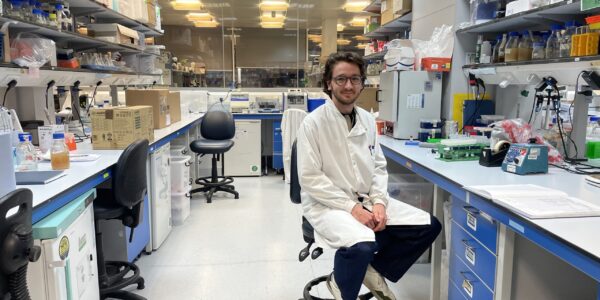
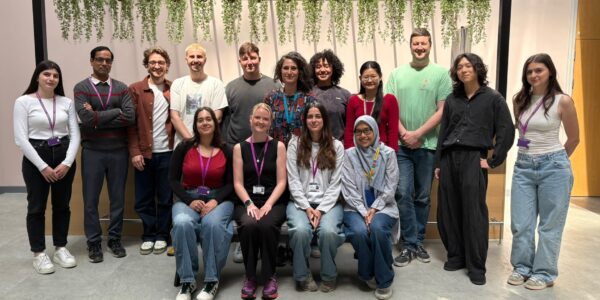
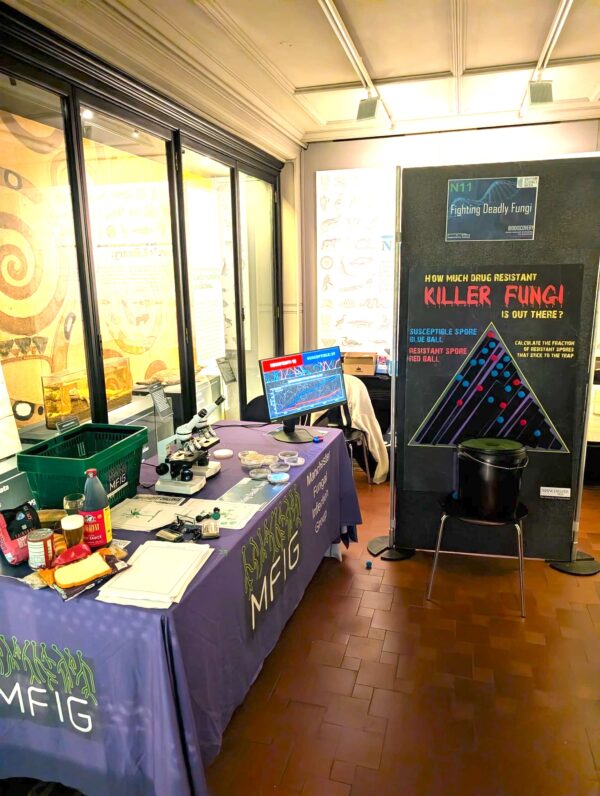
Thanks to the IFCC Professional Scientific Exchange Programme (PSEP), I had the opportunity to spend six months, from February to July 2026, at the Manchester Fungal Infection Group (MFIG) at the University of Manchester, UK, under the supervision of Dr Margherita Bertuzzi.
My project focused on the interactions between Aspergillus fumigatus and airway epithelial cells, especially the role of prostaglandin E2 (PGE2) signalling in fungal immune evasion. With my background in medical biology, I was used to studying fungal infections mainly from a diagnostic point of view. This placement gave me the opportunity to explore the basic mechanisms behind host–pathogen interactions and better understand how fungi affect host immune responses and contribute to infection.
During these six months, I learned how to approach research questions from a more fundamental perspective and gain a deeper understanding of host–pathogen interactions. I also learned new techniques in cell biology, molecular biology and immunology.
This experience will be very useful for my upcoming PhD in fungal immunology, where I will continue to study fungal infections and their interactions with the host. It will help me connect fundamental research with my background in clinical microbiology.
Another important part of this exchange was meeting researchers working in different areas of medical mycology and building connections with colleagues in the UK. I hope these relationships will lead to future collaborations and remain an important part of my professional network in the years to come.
I am sincerely grateful to the International Federation of Clinical Chemistry and Laboratory Medicine (IFCC) for supporting this exchange and for the opportunity the PSEP gives young laboratory professionals to train abroad. Programmes like this one help build bridges between clinical laboratories and research teams across countries, and I strongly encourage other young colleagues to apply.
I would also like to thank Dr Margherita Bertuzzi and the whole MFIG team for welcoming me into their laboratory, sharing their knowledge and making this experience so rewarding. These six months in Manchester helped me prepare for the next stage of my research career.
C-ETPLM: Mapping pediatric cardiac troponin testing worldwide: results from the IFCC survey on emerging applications, standardization needs and access
Emerging Technologies in Pediatric Laboratory Medicine (C-ETPLM): Mind the child heart gap – Clinics lack reference data to accurately interpret tests on children’s hearts
Peer-Reviewed Publication – De Gruyter Brill
Cardiac troponin, a protein released into the blood when heart muscle is damaged, can be used as a quick measure of heart injury in adults, and testing for it has revolutionized adult cardiology. For children, however, doctors often lack data on normal troponin measurements.
A new global survey examined how this issue is being tackled around the world. Conducted by the International Federation of Clinical Chemistry and Laboratory Medicine (IFCC) Committee on Emerging Technologies in Pediatric Laboratory Medicine (C-ETPLM), the study titled “Mapping pediatric cardiac troponin testing worldwide: results from the IFCC survey on emerging applications, standardization needs and access” was published in De Gruyter’s international journal, Clinical Chemistry and Laboratory Medicine (CCLM).
The survey found that most laboratories testing children for cardiac troponin rely on reference intervals (the normal ranges doctors need to flag an abnormal result) designed for adults, not children.
Of the eligible respondents, 58.5% reported offering cardiac troponin testing in-house, but 65.5% of these lacked child-specific reference intervals. Laboratories often relied on manufacturer-provided reference intervals for adults. While a few clinics had set up child-specific troponin benchmarks, the researchers found inconsistencies: different clinics used different cutoffs, with no agreement on how to derive the correct reference-interval. Most clinicians and lab specialists surveyed identified this lack of consistent, validated child-specific guidelines as a major obstacle to giving children reliable heart care.
The problem runs deeper than just missing data, though. Heart attacks are rare in children, so doctors instead use troponin testing to help evaluate a wide range of very different child-specific conditions, from heart infections to Kawasaki disease to heart damage caused by cancer treatment. Because these conditions have little in common with adult heart disease, a single “normal range” borrowed from healthy children is not precise enough to be useful in all cases. The researchers argue that troponin testing needs different benchmarks tailored to each specific condition, rather than one generic reference range applied broadly.
“The IFCC Pediatric Committee for Emerging Technologies and I personally were driven by the belief that children deserve diagnostic care built around their biology, not borrowed from adult medicine,” said Dr. Lianna G. Kyriakopoulou, Director of Genome Diagnostics at The Hospital for Sick Children and the University of Toronto, Canada. “To advance precision child health, we now need coordinated global action to develop pediatric reference intervals, strengthen clinical guidance, and ensure every child receives results that are accurate, meaningful, and equitable.”
The paper was published online ahead of print here: https://doi.org/10.1515/cclm-2026-0711
IFCC: the people
IFCC Calls for Nominations

Participate in IFCC activities and give your contribution!
Review the open positions and, if interested, contact your National or Corporate Representative.
The IFCC is inviting nominations for following positions:
Scientific Division
- Committee on Nomenclature, Properties and Units (C-NPU)
Call for Nominations details click here – two members positions
Nominations should be sent to the Elisa Fossati (elisa.fossati@ifcc.org) by 10th November 2026.
- Committee on Traceability in Laboratory Medicine (C-TLM)
Call for Nominations details click here – one member position
Nominations should be sent to the Elisa Fossati (elisa.fossati@ifcc.org) by 10th November 2026.
- Committee on Standardization of Thyroid Function Tests (C-STFT)
Call for Nominations details click here – one member position
Nominations should be sent to the Elisa Fossati (elisa.fossati@ifcc.org) by 10th November 2026.
Education and Management Division
- Committee on Point of Care Testing (C-POCT)
Call for Nominations details click here – one member position
Nominations should be sent to the Silvia Cardinale (cardinale@ifcc.org) by 30th November 2026.
For any further information on nominations, please refer to your National or Corporate Representative – contacts are available here.
FOR UPDATES ABOUT IFCC CALL FOR NOMINATIONS VISIT https://ifcc.org/about/ifcc-calls-for-nominations/
For any further information on nominations, please refer to your National or Corporate Representative – contacts are available here.
IFCC: the Young Scientists
Meet Dr. Jonas Ghouse: From Biochemistry to the Clinic
An interview with Dr. Jonas Ghouse, MD, PhD, winner of the 2026 IFCC–Gérard Siest Young Scientist Award
By Dr. Francisco Josué Carrillo Ballesteros, Core Member, IFCC Task Force for Young Scientists (TF-YS) and Member of CMCLabC (MX)

Early-career scientists who bridge clinical practice, genetics and the laboratory are shaping how medicine will use biomarkers in the coming decade. Dr. Jonas Ghouse, a physician with an MD and a PhD in cardiology who is now training in clinical biochemistry, is one of them. Based in Aarhus, Denmark, he has been recognized with the 2026 IFCC–Gérard Siest Young Scientist Award for his work on the genetics of adverse drug reactions, large-scale blood proteomics and biological variation. In this interview, Dr. Ghouse reflects on what drew him to laboratory medicine, how close we are to genotype-guided prescribing, the role of laboratory professionals, and what he hopes to accomplish over the next five years.
- You trained as a physician with an MD and a PhD in cardiology, and you are now completing a residency in clinical biochemistry. What drew you to laboratory medicine, and how has this path shaped the way you do research?
My path has not been the most linear one, as you can see, but without really thinking about it I have always been doing biochemistry. My first research project, during medical school, looked at genetic variants and their association with QT interval. My PhD then revolved around HbA1c levels and cardiovascular risk. We studied the variability of HbA1c over time and its associations with cardiovascular disease, so we were looking at both analytical and biological variation and how they relate to all sorts of cardiovascular endpoints.
Once I realized that I was doing clinical biochemistry, I felt immediately drawn to the specialty and wanted to take an even deeper dive into what it could offer. I love the fact that we can measure things, validate them, and define what is normal and what is not. And the beauty of biochemistry is that it is also a bridge towards the clinical departments: we can communicate a result and help clinicians interpret it. That is what drew me to clinical biochemistry.
- Your work on the genetics of adverse drug reactions is highly relevant to patient safety. How close are we to using genotype-guided risk stratification in routine clinical practice?
In some ways we are already there. There are good clinical guidelines on the use of pharmacogenetics and on actionable genes that we can use to guide therapy, and there are more associations between genetics and specific drugs, side effects and adverse drug reactions. But implementation is unfortunately uneven, and getting it widely adopted in the clinics is the big next step.
To get there, we need more prospective validation, better integration with electronic health records, and clinical decision-support tools to help interpret the results. Ultimately, we also need more randomized controlled trials to understand whether it actually improves patient outcomes. So, some of the work has been done, and we need to take the final leap, with some additional work still ahead.
One of the big obstacles right now is that if the genotype is not available at the time the drug is prescribed, there is immediately a delay. Then you have to ask who we genotype and how long we can afford to wait for that specific side effect. Either we genotype everybody, with the obvious obstacles that this entails, or it will inevitably become a biased treatment option for patients.
- Given these barriers and limitations, what role should laboratory professionals play right now?
I think the laboratory specialties have, and should have, a central role. We know how to validate assays, we know how to define performance criteria, we know how to standardize analyses, and we know how to communicate uncertainty. Those are the core principles of laboratory medicine, and for those reasons alone this type of analysis should be directed towards the laboratory. Our role should go beyond the quality control part: it should also include interpreting the results and communicating them to clinicians.
- Your recent work describes a plasma proteomic signature of the menstrual cycle. How do you see proteomics and other omics approaches changing biomarker discovery and reference intervals in clinical biochemistry?
It is difficult to answer in a couple of sentences, but one thing large-scale proteomics does is that, by definition, it does not look at a single biomarker at a time. In a scalable way, you can test thousands of proteins for association with a specific trait you want to study. To bridge that into the clinic, it is difficult to say that we will measure 100 or 200 proteins for a given trait or outcome. What proteomics allows you to do is boil that down to perhaps three or four proteins in combination that have a meaningful effect on the outcome. In that sense, proteomics offers a unique opportunity to look at complex diseases and complex traits and to gain valuable insights into them.
In terms of reference intervals, what we showed in that study is that something we would not expect to have such a big influence did, in fact, have a big influence. We looked at the menstrual cycle, and even in healthy young women we saw a major imprint on the blood proteome. This means that in the future we should probably take these absolutely normal physiological states into account. I am also working on menopause at the moment, and we have a paper under review in which we again see an enormous effect on the blood proteome simply from this natural transition. In the future, we need to take these natural transitions and cycles into account to better understand biology and physiology in general.
- Much of your research relies on large biobanks and international consortia. What have you learned about building and sustaining these collaborations, and what advice would you give to early-career scientists who want to do the same?
My advice, based on my experience, is that it is all about being useful. You can contribute a phenotype, an analysis, a clinical perspective or a method. But the most important thing is a willingness to work, and that is perhaps the most important advice I can give.
Large-scale consortia are also built on different skill sets. There are people from genetics, clinical medicine, epidemiology and statistics, and everybody brings a different perspective to the collaboration. It is all about bringing your own expertise to the group and being willing to put yourself in a shift. You can come a long way with that.
- What was your reaction to receiving the IFCC award, and what are the next big questions you hope to tackle over the coming years?
I was really happy about the award. Pharmacogenetics has been part of my research for at least five or six years, and I still do a lot of work in the field, so it absolutely means a lot to me. At the same time, I see the award as encouragement and motivation to keep going. It does not stop with the award; it motivates me even more to continue the work.
Over the next five years, I would highlight three areas. The first is moving from discovery into clinical implementation, which I think will be absolutely crucial. At the Department of Molecular Medicine in Aarhus, we are leading the efforts in Denmark to create and validate a pharmacogenetics pipeline that will eventually be rolled out nationwide into the electronic health records, so that pharmacogenetic testing can be offered to patients. That is very exciting, and I am really going to enjoy working on it.
The second is to continue working on blood-based omics. I love doing large-scale proteomics, and I hope to use this technique to identify new biomarkers that can genuinely improve diagnosis, prediction and even treatment.
The third is physiological and biological variation, particularly in women’s health. We have done work on the menstrual cycle and continue to expand it, and we have also moved into menopause, which is an important hallmark not only for women’s lives but also one that can be read out in their blood. Understanding that variation matters from both a scientific and a clinical point of view: we need to understand normal biology before we try to look for disease.
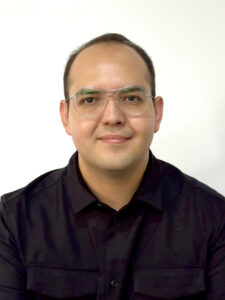 Interviewer’s Note
It was a privilege to speak with Dr. Jonas Ghouse and to learn about his vision for bringing pharmacogenetics, proteomics and the study of normal physiological variation closer to everyday clinical care. On behalf of the IFCC Task Force for Young Scientists, I sincerely thank him for sharing his experience and his practical advice for early-career scientists, and I warmly congratulate him on receiving the 2026 IFCC–Gérard Siest Young Scientist Award. We look forward to following the impact of his work and meeting him in person.
Meet a Young Scientist from the IFCC Task Force-Young Scientists: Spotlights on Zahra Elahi and on Tuba Çakmak Ercan
Spotlights on Zahra Elahi, IFCC Task Force-Young Scientists corresponding member from Iran, nominated by the Iranian Association of Clinical Laboratory Doctors (IACLD)
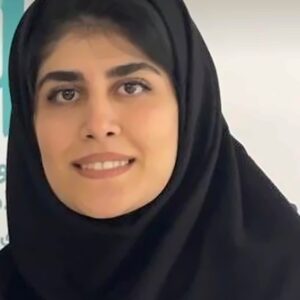
- Could you please introduce yourself?
I am Zahra Elahi, a medical microbiologist from Iran. My research focuses on the cancer-associated microbiome, particularly colorectal cancer (CRC), and on the molecular mechanisms of antimicrobial resistance (AMR). I have co-authored ten peer-reviewed publications (h-index 9; 431 citations on Google Scholar) and I serve as a peer reviewer for PLOS ONE. I am honoured to represent Iran as a Corresponding Member of the IFCC Task Force on Young Scientists (TF-YS), nominated by the Iranian Association of Clinical Laboratory Doctors (IACLD).
- Could you share a bit about your background?
I am a biologist by training, with a laboratory-science and microbiology background. I completed a BSc in Laboratory Sciences at Gonabad University of Medical Sciences (2016–2019) and an MSc in Microbiology at Iran University of Medical Sciences, Tehran (2020–2023). My laboratory work combines molecular diagnostics and clinical microbiology: I collected 100 paired CRC tissue and adjacent-normal samples and optimised TaqMan real-time PCR assays to relate the abundance of Lactobacillus, Firmicutes, Bifidobacterium, Clostridium and Enterococcus to tumour staging in Iranian patients (Heliyon, 2023). I also work in evidence synthesis, including systematic reviews and meta-analyses on mgrB mutations in colistin-resistant Klebsiella pneumoniae (Frontiers in Microbiology, 2024) and on antibiotic resistance in Stenotrophomonas maltophilia (Annals of Clinical Microbiology and Antimicrobials, 2024).
- What is your current role in the lab?
I currently work as a Research Expert in the Research and Technology Deputy of Torbat Heydariyeh University of Medical Sciences. My daily activities include conducting research on clinical pathogens, microbiome dysbiosis and AMR; leading systematic reviews and statistical meta-analyses (using SPSS and R); and drafting and coordinating manuscripts with multidisciplinary teams for international journals. I also contribute to the scientific community through peer review, and I have presented my CRC microbiome findings at the 24th International Congress of Microbiology of Iran (2023) after serving on the executive committee of its 23rd edition (2022).
- Could you give us a brief introduction to your national society and its main activities?
The Iranian Association of Clinical Laboratory Doctors (IACLD) is the national professional and scientific association of clinical laboratory specialists in Iran, and it is Iran’s link to the IFCC. It promotes the quality and professional standing of laboratory medicine, supports continuing education and scientific exchange among laboratory professionals, and represents the Iranian laboratory community in international forums. My own role in this framework is to act as the IACLD-nominated liaison between young Iranian laboratory scientists and the IFCC TF-YS.
- Can you highlight some of the key activities that you had with the IFCC TF-YS?
As a Corresponding Member, my main activities are to serve as a communication bridge between the TF-YS and young laboratory scientists in Iran: sharing information on IFCC and TF-YS initiatives and educational opportunities, encouraging early-career colleagues to participate, and conveying the needs and perspectives of Iranian young scientists to the Task Force. I regard this interview as part of that engagement, and I look forward to contributing more actively to TF-YS projects.
- Did you participate in an exchange programme in your career?
Not yet. My training to date has been in Iran, although international collaboration, publication in international journals and peer review have kept me closely connected to the global scientific community. I am now actively seeking a fully funded PhD position abroad in the field of the cancer-associated microbiome and AMR, and I consider exchange and mobility programmes essential for young scientists to acquire new methodologies, build networks and bring best practice back to their home institutions.
- How can YS from your national society get additional information about the activities of the association and the TF-YS?
Young scientists can follow the announcements and events of IACLD, consult the IFCC website (www.ifcc.org), including the TF-YS pages, and read IFCC eNews. They are also very welcome to contact me directly as the Corresponding Member for Iran; I will gladly guide them towards the available activities and opportunities.
- Is there any future collaborative project of the IFCC TF-YS that you want to share with readers of IFCC eNews?
I would encourage readers to follow IFCC eNews for upcoming TF-YS initiatives. From my own perspective, I would welcome collaboration among young scientists across IFCC member countries, particularly on microbiome-based diagnostics, AMR surveillance and multi-country systematic reviews and meta-analyses, which are well suited to international, low-cost and inclusive teamwork. I thank the TF-YS for the opportunity to share my experience with the IFCC community.

Spotlights on Tuba Çakmak Ercan, IFCC Task Force-Young Scientists corresponding member from Turkey, nominated by the Turkish Biochemical Society (TBS)
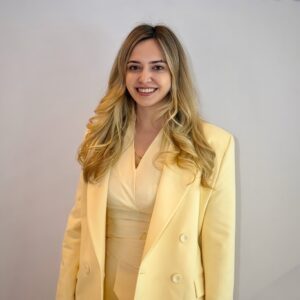
- Could you please introduce yourself?
My name is Tuba Çakmak Ercan. I am a medical biochemistry specialist from Türkiye and currently work at Amasya Public Health Laboratory. I am interested in clinical biochemistry, laboratory quality, reference intervals and data analysis. I also like being involved in activities for young laboratory professionals.
- Could you share a bit about your background?
I graduated from Istanbul Faculty of Medicine and worked as a medical doctor before starting my residency in Medical Biochemistry. I completed my residency training in İzmir and became a specialist in 2026. During my training, I was involved in routine laboratory work, quality management and research, especially in reference intervals and laboratory data analysis.
- What is your current role in the lab?
I currently work as a medical biochemistry specialist at Amasya Public Health Laboratory, which operates under the Ministry of Health. My daily work includes reviewing and validating laboratory results, monitoring internal and external quality control, and overseeing routine laboratory work. I am also involved in reagent and stock management, solving analytical problems and supporting the training of students and laboratory staff.
- Could you give us a brief introduction to your national society and its main activities/the activities you have in your national society?
The Turkish Biochemical Society organizes both in-person and online activities, including congresses, educational webinars and scientific articles for people working in laboratory medicine. I am one of the founding members of the society’s Young Specialists and Residents Group. Our group takes part in both social and scientific activities and also plans new events and webinars for young colleagues. We try to improve communication and bring young members together.
- Can you highlight some of the key activities that you had with the IFCC Task Force-Young Scientists?
I am a new Corresponding Member, so I am still at the beginning of my activities with TF-YS. I have started joining the meetings and following the group’s activities. Last year, our young members group participated in IFCC Global Med Lab Week. Preparing the video was one of the activities I enjoyed the most, and we were very happy that it received third place.
- Did you participate on an exchange programme in your career?
Yes. Last year, I participated in the EFLM LabX exchange programme in Prague at the First Faculty of Medicine, Charles University and the General University Hospital. I had the chance to observe different laboratory practices, especially in preanalytical processes, clinical chemistry and coagulation. It was also very interesting to experience my profession in another country, even for a short time. Socially and culturally, it was a very different and valuable experience for me.
- How can YS from your national society get additional information about the activities of the association and activities with the TF-YS?
Young scientists can follow the Turkish Biochemical Society’s website and social media accounts for announcements and upcoming activities. We also share TF-YS announcements and opportunities within our Young Specialists and Residents Group.
- Is there any future collaborative project of IFCC TF-YS that you want to share with readers of IFCC eNews?
One upcoming activity I would like to mention is the 5th IFCC Forum for Young Scientists in New Delhi during IFCC WorldLab 2026. It will bring young laboratory professionals from different countries together for scientific activities, networking and sharing experiences. By the time this interview is published, the event may already have taken place. Even so, I would encourage young scientists to follow TF-YS, especially on social media, to keep up with new activities and opportunities.

The EFLM Strategic Conference 2026: A Young Scientist’s Perspective
By Kamil Taha Uçar, IFCC TF-YS core member, YS from Türkiye (Turkish Biochemical Society (TBS))
The EFLM Strategic Conference 2026 was held in Prague on April 24–25. It brought together laboratory medicine professionals for a comprehensive program of scientific and strategic discourse. The conference opened with a significant highlight: the presentation of the EFLM Young Laboratory Medicine Professional Award 2026 to Hikmet Can Çubukçu (Türkiye).
The scientific sessions addressed a wide range of modern challenges, including:
- Value-based laboratory medicine and harmonization perspectives.
- AI and data-driven innovation.
- Regulatory dialogues with IVDR companies.
- Strengthening clinician cooperation.
A standout session focused on global best practices and featured IFCC President Prof. Tomris Özben alongside representatives from FEBS, APFCB, NAFCC, AFCC, and COLABIOCLI. Together, they embodied the global vision of laboratory medicine that IFCC and its regional federations continue to advance. The event concluded with a forward-looking address by EFLM President Prof. Tomáš Zima, titled “Strategy for the Future.”
Empowering the Next Generation
While the main sessions provided deep strategic insights, the Young Scientist (YS) events were a particular highlight. These were jointly organized by the EFLM Division of Communication and the EFLM Committee on Young Scientists.
The momentum began on April 23 with a YS Networking Event supported by Beckman Coulter. Nearly 40 young scientists from diverse backgrounds engaged in structured brainstorming sessions focused on:
- Career development and employability.
- Research and academia.
- Leadership essentials.
- Communication and collaboration.
The interactive format encouraged an open exchange between discussants and participants, making it a genuinely memorable and collaborative experience.
The YS Session: A Collaborative Spirit
The main program included a dedicated YS session chaired by Aleš Kvasnička (Czechia) and Tara Rolič (Croatia).
- Tara Rolič opened the session with an overview of EuLabDay and other initiatives, including Global Med Lab Week, dedicated to promoting laboratory medicine across Europe and beyond.
- Jakob Adler (Germany) followed with a presentation on AI in clinical laboratories and the work of the IFCC YS Digital Competency Group. This work highlights the growing synergy between EFLM and IFCC young scientist networks.
- Nataliia Kozopas (Ukraine) shared a vivid and personal account of international scientific exchange through the EFLMLabX programme at Charles University, offering reflections that resonated far beyond the laboratory.
- Lejla Alič (Bosnia and Herzegovina) concluded the session by highlighting the benefits of the EFLM Academy and Syllabus Course.
A lively panel discussion followed. Dr. Daniel Rajdl, Dr. Snežana Jovičič, and Dr. Evgenija Homsak explored new avenues for collaboration between EFLM, IFCC, and other international federations to strengthen these activities. The conference ended on a warm note with a Prague city tour and a dinner held exclusively for young scientists, providing a final opportunity for connection.
Final Reflections
These YS activities are more than simple networking opportunities: they are the cornerstone of our profession’s future. These events provide a unique and irreplaceable space where emerging professionals can exchange ideas and grow alongside senior colleagues. The depth of learning and the sense of belonging fostered here cannot be replicated in any other format.
We encourage all federations and IVD industry partners to continue investing in these initiatives. Supporting the next generation of laboratory medicine scientists is how our field advances together.
8th AFCC Regional Congress, Nairobi, Kenya 16-17 July 2026 Young Scientists Forum: An Overview
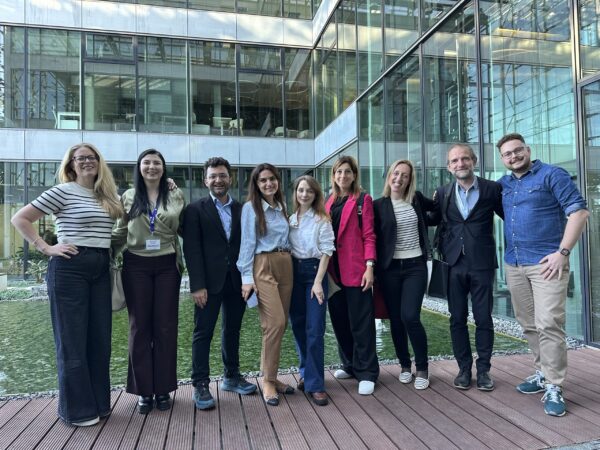
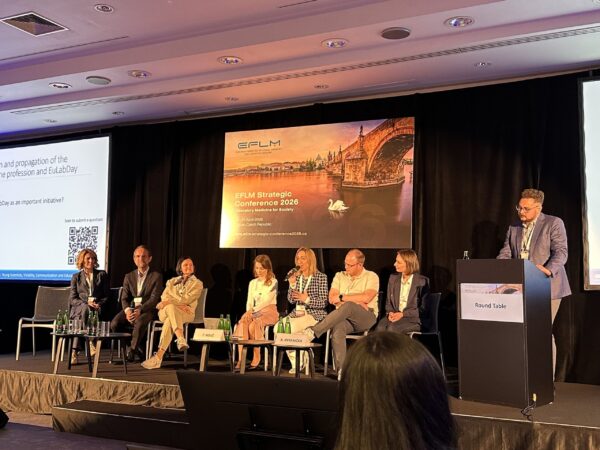
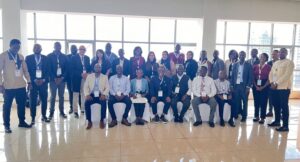
Building on the foundation of the inaugural Young Scientists Forum (YSF) held at the 7th African Federation of Clinical Chemistry (AFCC) Regional Congress in Cairo, Egypt on the 29th of February 2024, the 2nd instalment of the AFCC YSF took place on the 17th of July 2026, as part of the 8th AFCC Regional Congress in Nairobi, Kenya. Organised by the AFCC Young Scientists Task Force, the forum provided a valuable platform for emerging scientists to engage, exchange ideas, share experiences, and connect with peers and established professionals in the field.
The forum kicked off with a thought-provoking talk by Dr. Ashlin Rampul and featured 14 other presentations from young scientists from different laboratory medicine disciplines, showcasing the breadth of professional practice and expertise across the continent. In addition to the meaningful scientific discussions emanating from these presentations, the important contributions young scientists are making towards improving healthcare delivery and laboratory sciences were thrust into the spotlight. Additionally, the engagement between young scientists and established leaders in laboratory medicine facilitated exchange of experiences, as senior professionals offered practical advice on navigating a career in science, building professional networks and identifying opportunities for growth. This discussion was enriched by words from the AFCC President, Dr. Gizachew Taddesse Akalu, who was also in attendance. The 2nd AFCC YSF reflected the Task Force’s continued commitment to supporting young scientists through knowledge exchange, professional development, mentorship, and networking opportunities. Furthermore, the successful hosting of this event would not have been possible without the tireless efforts of Congress President Prof. Rajiv Erasmus and the local organizing committee under the leadership by Mr Peter Kiptim, and for that, we are eternally grateful. Overall, it was a meaningful and engaging experience that reinforced the importance of creating spaces where the next generation of scientific leaders can learn, connect, and grow.
Below, young scientists who attended the congress share their experiences and reflections on the conference and YSF, highlighting key moments, valuable insights, and the impact of their participation.
- Dr Mercy Solomon, Nigeria
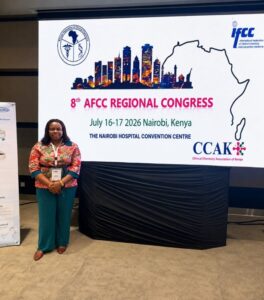
Attending the 8th AFCC Regional Congress, held on 16–17th July 2026 in Nairobi, Kenya, was a very rewarding experience for me. It provided an opportunity to learn, share my research and interact with colleagues from different parts of Africa and beyond. I gave an oral presentation titled, “Analytical Performance of a Point-of-Care Glucose Meter compared with a Central Laboratory Analyzer.” Presenting my work to an international audience improved my confidence in scientific communication. The questions and feedback I received also gave me useful ideas for improving the study and developing related research. The scientific sessions and exhibitions provided updates on laboratory quality management, accreditation, point-of-care testing and emerging diagnostic technologies. I particularly valued the opportunity to meet other scientists, professional organizations and representatives of diagnostic companies. Through these interactions, I discovered opportunities for further training, mentorship and research collaboration, which I hope to pursue. The experience has contributed to my development as a Chemical Pathologist, lecturer and researcher. I intend to apply the knowledge gained to my teaching, research and efforts towards improving laboratory practice in Nigeria. I sincerely appreciate AFCC for the sponsorship that made my participation possible.
- Dr. Shanel Raghubeer, South Africa
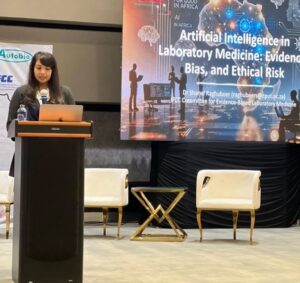 Attending the AFCC Conference in Nairobi, Kenya, was an incredible experience, both professionally and personally. It was an amazing opportunity to engage with colleagues from across Africa and to contribute to conversations that are increasingly important to the future of healthcare and laboratory medicine on our continent. One of the highlights of the conference was chairing and presenting at the IFCC Evidence-Based Laboratory Medicine (EBLM) symposium, where we explored the integration of artificial intelligence into African healthcare. My presentation focused on the importance of ensuring that African countries are not simply consumers of AI technologies developed and validated in Western settings, but active collaborators in their development, evaluation and implementation. The discussions highlighted the importance of context, representation, equity, and evidence when considering how AI can genuinely serve African healthcare systems. I also presented research on body shape perception in a South African population, providing another platform to share research emerging from our region and to engage with an international audience. Beyond the academic programme, the conference was a truly memorable experience. The warmth and kindness of the Kenyan people made me feel incredibly welcome, and the organization of the conference was exceptional. From the programme to the logistics, everything came together seamlessly, creating an environment that was both productive and enjoyable. I left Nairobi feeling inspired, grateful, and excited about the possibilities for continued collaboration across Africa. It was a privilege to be part of such a vibrant scientific community and an experience I will remember fondly.
- Mr. Luckson Muwandia, Zambia
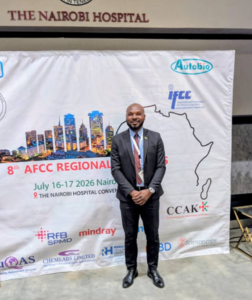 Attending the 8th AFCC Regional Congress and Clinical Chemistry Association of Kenya Annual Congress in Nairobi, Kenya, through the generous support of the AFCC Young Scientists Forum, was an enriching and inspiring experience. The conference brought together leading experts, professors, researchers, and young scientists, providing an excellent platform to learn from diverse presentations and engage in meaningful scientific discussions. The presentations provided valuable insights into laboratory medicine, clinical chemistry, diagnostics, disease surveillance, research, and public health, highlighting the importance of science, innovation, and collaboration in strengthening healthcare systems across Africa. I particularly valued the opportunity to exchange knowledge with experienced professionals and fellow young scientists, share ideas, and build meaningful professional networks. The experience broadened my perspective and strengthened my confidence to contribute more actively to scientific research and public health. I sincerely thank AFCC for investing in young scientists and creating opportunities for learning, networking, and professional development. I also extend my heartfelt appreciation to the Biomedical Society of Zambia for their support and encouragement, which contributed greatly to making this opportunity possible. I am proud and grateful to have been part of this remarkable scientific gathering.
- Mr. Silvester Mpanga, Malawi
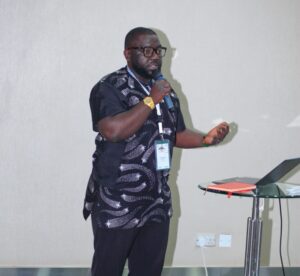 Attending the AFCC Conference in Kenya was a transformative milestone in my professional journey as a biomedical professional. It was my first international travel experience, and the exposure to diverse scientific perspectives broadened my understanding of laboratory quality systems and innovation across Africa. The sessions offered rich knowledge exchange on quality improvement and emerging diagnostic technologies, topics directly relevant to my work at Isoka District Hospital. Networking with peers and mentors from various countries was particularly inspiring. I gained new collaborations and insights into advancing laboratory standards through regional partnerships. Beyond the technical learning, the conference strengthened my confidence to engage in global scientific dialogue and reaffirmed my commitment to continuous improvement in healthcare delivery. The opportunity sponsored by AFCC not only enhanced my professional competence but also deepened my appreciation for the role of young scientists in shaping Africa’s health future.
- Mr. Nyasha Nguluwe, Malawi
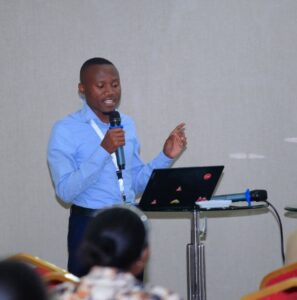
Attending the 8th AFCC Regional Congress in Nairobi, thanks to the AFCC Travel Grant, was one of the most rewarding experiences of my academic journey so far. I presented my work, “Collaborative Diagnostics Supporting Maternal and Child Health,” during the Young Scientists Abstract Presentations session. The congress gave me valuable insight into the direction laboratory medicine is taking across Africa, particularly the strong drive toward improving laboratory quality, strengthening clinical chemistry services, and expanding point-of-care testing to improve access to timely diagnosis and patient care. Beyond the scientific sessions, I connected with laboratory professionals, researchers, and fellow young scientists from across the continent, exchanges that were just as valuable as the formal program and have opened doors for future collaboration. The experience also highlighted important research gaps in laboratory quality and clinical chemistry where countries like Malawi can contribute more evidence. I return home with renewed confidence, a broader perspective, and a stronger commitment to advancing laboratory medicine in Malawi and across Africa.
- Dr. Ameerah Davids, South Africa
 I was grateful for the opportunity to attend the 8th AFCC Conference in Kenya as an invited speaker at the Young Scientist Forum. It was a valuable opportunity to learn, share ideas and connect with laboratory professionals from across Africa and beyond. I had the opportunity to present my research on critical result communication at the Young Scientist Forum. This was my first invited conference presentation, and although I was nervous, it was a valuable experience that helped develop my confidence in presenting my research to an international audience. The discussion that followed was particularly valuable, as colleagues shared similar experiences and challenges in ensuring that critical results are communicated promptly to the appropriate clinician. I attended sessions on evidence-based laboratory medicine and the ethical appraisal of scientific literature, which reinforced the importance of critically evaluating evidence and established practice. The networking opportunities were particularly valuable. Meeting young scientists and laboratory professionals from different countries allowed me to learn about their research and experiences, identify shared challenges and explore potential areas for future collaboration. It reinforced the value of building professional relationships beyond my own institution. Overall, the conference broadened my perspective, strengthened my confidence and encouraged me to continue engaging in research and collaborative opportunities.
- Mr. Frank Chalero, Malawi
 I would like to express my sincere gratitude to the African Federation of Clinical Chemistry and Laboratory Medicine (AFCC), Professor Rajiv Erasmus, Dr. Gizachew Taddesse Akalu, Mr. Peter Kibet Kiptim and the local organizing team for supporting my participation as a young scientist at the 8th AFCC Regional Conference in Nairobi, Kenya. Held under the theme “Bridging precision diagnostics, public health and patient care,” the conference provided an invaluable platform for learning, scientific exchange and networking. I had the privilege of presenting my abstract, “Recent POCT-to-laboratory comparison is associated with lower odds of absent IQC in POCT glucose testing,” highlighting findings from a national survey on POCT glucose quality assurance practices in Malawi. The presentation invited constructive questions and discussions around strengthening POCT quality systems. A particularly valuable experience was engaging with Professor Idris Mohammed and Dr. Merih Tesfazghi, who encouraged us to investigate the underlying causes of current POCT practices and explore regional collaborations. The conference broadened my professional network, strengthened my scientific communication skills, and exposed me to emerging diagnostic technologies and quality assurance innovations. It also inspired future work towards strengthening POCT systems, including the development of a National POCT Guideline for Malawi.
- Ms. Thandie Dzundi, Malawi
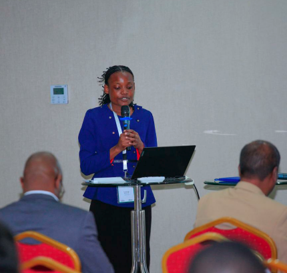 Attending The 8th AFCC Regional Congress in Nairobi was a defining experience at the beginning of my career as a laboratory scientist. Presenting my research, “Benchmarking POCT Glucose Quality Indicators Against ISO 22870 and ISO 15189 – aligned domains : Evidence from Malawi”, allowed me to share evidence from Malawian facilities with an international audience and gain valuable feedback on strengthening point of care testing quality assurance. Beyond the presentation, the congress broadened my perspective on medicine and its evolving role in healthcare. Sessions on precision diagnostics and emerging technologies encouraged ,me to think beyond routine laboratory practice and consider how data, innovation and quality systems can contribute to stronger diagnostic services. Conversations with Professor Idris Mohammed and Associate Professor Merih Tesfazghi encouraged me to explore further work in POCT and consider developing a professional identity in this area. Discussions with Professor Amayo also strengthened my interest in clinical chemistry and its growing significance in Malawi’s changing disease burden. Stimulating conversations and interactions with other young scientists became a good platform for collaboration in research. I returned to Malawi with a stronger commitment to pursuing work that addresses real problems and translates evidence into practical improvements in laboratory services.
- Mr. Ogbodo Emmanuel Chukwuemeka, Nigeria
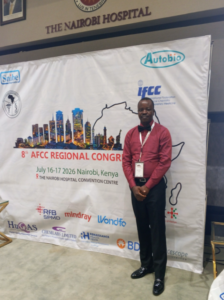 My participation in the 8th African Federation of Clinical Chemists (AFCC) Regional Congress in Nairobi, Kenya, was an invaluable professional and academic experience. Held under the theme, “Contemporary Interests and Innovations in Clinical Chemistry and Laboratory Medicine: Bridging Precision Diagnostics, Public Health, and Patient Care,” the conference brought together leading experts and professionals to explore emerging developments in clinical chemistry and laboratory medicine, particularly within the African context. The congress significantly broadened my knowledge of contemporary laboratory medicine, including evidence-based practice, precision diagnostics, artificial intelligence, quality management systems, leadership, and public health. Beyond the scientific sessions, the conference provided opportunities for mentorship, knowledge exchange, and meaningful engagement with distinguished scientists and laboratory professionals from Africa and beyond. I established valuable professional networks and initiated discussions with potential collaborators, creating opportunities for future international research collaborations and academic partnerships. These interactions expanded my professional perspective and strengthened my commitment to continuous learning, innovation, and global scientific collaboration. The knowledge, experiences, and professional relationships gained from the conference will enhance my capacity to contribute meaningfully to healthcare delivery, research, and human capital development within my institution, Nigeria, and African in general.
- Dr. Saarah Davids, South Africa
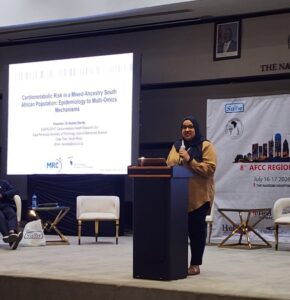 Attending the AFCC Conference in Kenya was a memorable experience and my first visit to the country. It was also an important milestone in my research career, as it was the first time I was invited to present in both the main conference, within the Non-Communicable Diseases (NCD) session, and the Young Scientist Forum. In the main conference, I presented the work of the SAMRC/CPUT Cardiometabolic Health Research Unit, titled “Cardiometabolic Risk in a Mixed-Ancestry South African Population: Epidemiology to Multi-Omics Mechanisms”. The presentation highlighted the scope of the unit’s research, from public health and epidemiology to genetics, epigenetics and multi-omics. For the Young Scientist Forum, I presented “Can a Tape Measure Predict Diabetes? Identifying Insulin Resistance in a South African Community”. This generated lively discussion around the challenges of screening for insulin resistance in resource-limited African settings. It also highlighted opportunities to collaborate on developing appropriate screening approaches and cut-off criteria for different African populations. Beyond the presentations, the conference was an opportunity to build meaningful connections, reconnect with young scientists I had met at IFCC WorldLab in Dubai and Rome, and engage with prominent researchers. I returned from Kenya with new ideas, new connections and a renewed sense that the future of African health research lies in working together, sharing expertise and building solutions that reflect our own populations and realities.
- Dr. Don M. Matshazi, South Africa
 The 8th AFCC Regional Congress, held in Kenya on the 16th and 17th of July 2026 contributed significantly to my professional and personal growth. I had the opportunity to give a talk entitled “Early detection of Type 2 Diabetes Mellitus risk: Molecular biomarkers for glycaemic progression in sub-Saharan African populations.” It was rewarding to share my research insights and contribute to discussions around early detection and the growing burden of non-communicable diseases (NCDs) in Africa. I also chaired the NCDs session at the Young Scientists Forum, where one of the biggest highlights was the engagement with established researchers and scientists, who generously shared their experiences, insights, and advice while encouraging young scientists. This was particularly valuable and reinforced the importance of mentorship and creating opportunities for young researchers to learn and grow. The congress also provided powerful insights into the role played by laboratory medicine in preserving and improving lives across the continent, whilst also offering a platform for connection with colleagues who are making this happen. Beyond the scientific programme, visiting Hell’s Gate National Park and Lake Naivasha, seeing the incredible wildlife and landscapes, being stuck in some heavy traffic for hours and enjoying some absolutely amazing local cuisine (goat meat and fish) made the experience even more memorable. I would like to thank the AFCC for continuing to champion the growth of young scientists and improvement of clinical chemistry and laboratory medicine on the African continent and beyond.
- Mr. George D. Omondi, Kenya
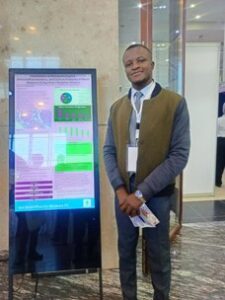 Attending the AFCC Congress in Kenya was a valuable milestone in my professional journey as a medical laboratory scientist. The conference provided an excellent platform to engage with like-minded scientists, exchange ideas, and learn about emerging developments in laboratory medicine and quality healthcare. One of my key highlights was presenting my research on renal pathology, focusing on the histopathological spectrum of kidney diseases and the correlation of histopathological, immunofluorescence, and clinical findings. Presenting my work provided an opportunity to share knowledge, receive scientific feedback, and appreciate the role of research in advancing diagnostic practice. The congress also offered valuable networking opportunities, allowing me to interact with colleagues from across Kenya’s 47 counties and neighbouring countries, as well as connect with laboratory equipment and reagent suppliers. These interactions reinforced the importance of collaboration, innovation, and continuous professional development in strengthening laboratory services. As a Laboratory Quality Assurance Officer and postgraduate student, I return with fresh perspectives, new professional connections, and renewed motivation to apply the knowledge gained to improve laboratory quality, patient safety, and research in medical laboratory science. I am grateful to the organizers and the AFCC Young Scientists Forum for creating opportunities that support scientific growth and collaboration.
- Dr. Nathan G. Kiboi, Kenya
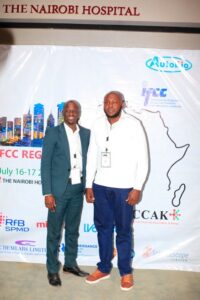 It is with great pleasure that I reflect on the successful conclusion of the 8th AFCC Regional Congress, held at the Nairobi Hospital Convention Centre on 16–17th July, 2026. Serving as a member of the Local Organizing Committee accorded me a remarkable opportunity to help shape the future of clinical chemistry and laboratory medicine in Kenya and across Africa. The diverse ideological perspectives, practical hands-on expertise and collaborative spirit of the team fostered strong professionalism, drove knowledge exchange, and created invaluable networking pathways between diagnostic industry leaders and international academic researchers. I extend my sincere gratitude to the International Federation of Clinical Chemistry and Laboratory Medicine (IFCC) and its visiting delegation of lead experts for delivering impactful, high-level presentations across key thematic areas in the practice of laboratory medicine. Ultimately, this congress has been pivotal to my professional development, keeping me at the forefront of modern diagnostic advancements while establishing strategic linkages with mentors from world-class scientific and educational institutions.
- Mr. Franco J. Kandama, Zambia
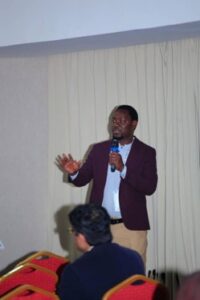 The 8th African Federation of Clinical Chemistry (AFCC) Regional Congress and the 4th CCAK Conference were held in Nairobi, Kenya, from 16–17 July 2026. The congress brought together laboratory professionals, researchers, scientists, and stakeholders to exchange knowledge on laboratory diagnostics, research, governance, infrastructure, and health policy. I was honored to serve as one of the keynote speakers at the African Young Scientists Forum, presenting “Cultivating Leadership among Young and Mid-Level Scientists: Building Resilient Laboratory Systems and Strengthening Africa’s Future Scientific Workforce.” This highlighted the importance of mentorship, leadership development, and empowering emerging scientists. Discussions reinforced the value of collaboration, innovation, quality diagnostics, and translating scientific advances into patient care. A side discussion explored integrating advanced technologies into tuberculosis (TB) diagnostic services, with potential applications for surveillance of other infectious diseases across Africa. The congress strengthened networks and created opportunities for partnerships. Its impact will depend on turning shared ideas into action today through research, innovation, workforce development, and evidence-informed policy. I thank AFCC and the Biomedical Society of Zambia (BMSZ) for this opportunity, and Prof. Rajiv Erasmus, Dr. Akalu, Prof. A. B. Okesina, colleagues, and delegates for their support and confidence. I remain committed to advancing African laboratory medicine and patient-centred care.
- Mr. Ronald Khunga, Malawi
My participation in the 8th AFCC Regional Congress was an important milestone in my development as a biomedical scientist, researcher and laboratory quality leader. Supported by the IFCC Task Force on Global Laboratory Quality (TF-GLQ), I attended as both a Task Force member and Vice Chairperson of AFCC Young Scientists, contributing to the Young Scientists Forum and discussions on mentorship, collaboration and equitable access to professional opportunities. I presented a poster, “Readiness Stratification for Phased POCT Glucose Quality Programmes in Malawi,” developed with colleagues at KUQAP. Using data from 111 facilities, we found that 70.2% had low or moderate readiness, highlighting the need for tailored mentorship, quality-control systems and phased EQA enrolment rather than a uniform approach. The congress strengthened my commitment to using KUQAP’s EQA data to identify persistent laboratory underperformance, guide corrective actions and generate publishable research. It also reinforced the importance of sustaining the programme following its ISO/IEC 17043:2023 accreditation in September 2026. Going forward, I aim to pilot the POCT readiness model, expand research and student mentorship, and help AFCC Young Scientists establish regular training, mentoring and cross-country collaboration opportunities. I am grateful for TF-GLQ’s support and the opportunity to represent Malawi.
Young Voices of Latin America Take the Stage at COLABIOCLI 2026
Young Voices of Latin America Take the Stage at COLABIOCLI 2026
II Latin American Forum of Young Clinical Laboratory Professionals, Santa Cruz de la Sierra, Bolivia
By Dr. Francisco Josué Carrillo Ballesteros, Core Member, IFCC Task Force for Young Scientists (TF-YS) and member of CMCLabC (MX)
On 8 October 2026, the Hotel Novotel in Santa Cruz de la Sierra, Bolivia, hosted the II Latin American Forum of Young Clinical Laboratory Professionals, part of the scientific program of the COLABIOCLI 2026 congress.
The morning opened with a forum titled “The Laboratory of Tomorrow: Vision, Challenges and Young Leadership”, presented by Chair Dr. Carlos Raúl Franceschi (Panama) in which members of COLABIOCLI’s young professional group discussed the future of the profession from their own perspective.
Nine speakers from eight countries (Argentina, Bolivia, Chile, Colombia, Ecuador, Mexico, Panama and Uruguay) then presented a program that reflected the breadth of modern laboratory medicine. Infectious disease and public health were a clear thread: Dr. Carlos Raúl Franceschi (Panama) addressed the strategic role of the microbiology laboratory in antimicrobial stewardship programs, while Dr. Álvaro Justiniano Cortez (Bolivia) and Dr. Clara Elena Maestre (Colombia) focused on human papillomavirus, the latter presenting a territorial molecular screening model for cervical cancer prevention. Dr. Augusto Mateo Solórzano (Ecuador) discussed viral dispersion patterns and the lessons learned for surveillance.
Other talks looked at how the laboratory works and where it is heading. Dr. Natalia Serrano (Chile) spoke about clinical simulation as a way to integrate the laboratory and clinical practice, Dr. Rosario Benesperi (Argentina) about optimizing workflows in emergency laboratories, Dr. Francisco Carrillo-Ballesteros (Mexico) about biomarkers associated with neuroinflammatory processes and mental health disorders, and Dr. Cristian Rivilla (Ecuador) about new molecular strategies in the modern laboratory. Dr. Romina Medeiros (Uruguay) closed the scientific block with a talk on the role of insulin in the comprehensive approach to diabetes.
It was a valuable opportunity for all colleagues from across the region to connect with the broader conversation on the role of young professionals in advancing the field. The forum showed the energy, diversity and collaborative spirit of a new generation of laboratory professionals in Latin America. We thank the organizers of COLABIOCLI 2026 and our Bolivian hosts for the opportunity, and we look forward to continued collaboration between the IFCC Task Force for Young Scientists and young professional groups across the region.
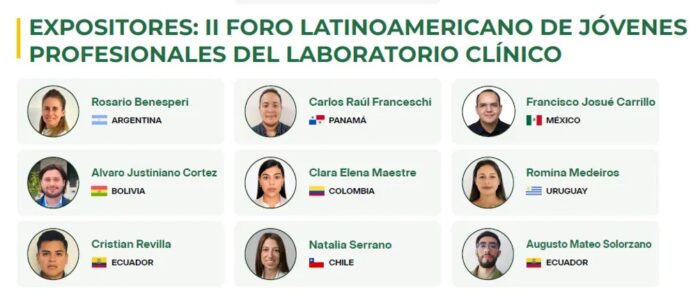
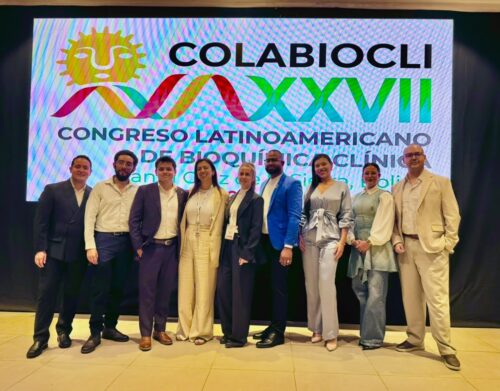
Voices of our Corporate Members
Spotlight on IFCC Corporate Members
Meet Dr. Christian Vogl, Corporate Representative for the Scientific Division Executive Committee

- How long have you been associated with the IFCC?
My initial contact with the IFCC began around 15 years ago.
After joining Roche as a technical lead in R&D immunoassay development, I became responsible for bone markers, with a particular focus on Vitamin D and PTH. At the time, LC-MS/MS was gaining momentum as the gold standard for Vitamin D measurement. Drawing on my background with this marker, I joined the IFCC Working Group on the Standardization of PTH and Vitamin D as an active member. This role offered invaluable insights into standardization and metrological traceability. The Working Group has turned into a Committee that covers a broader range of bone marker topics, and it remains a great privilege to contribute to its ongoing work.
In 2022, I was invited to apply for the position of Corporate Representative on the Scientific Division (SD) Executive Committee. I was truly honored to be appointed in early 2023, and in 2026, I began my second term. In this role, I serve as the primary liaison for all IFCC corporate members active within the Scientific Division, offering unbiased industry support to advance our common goal: improving diagnostics and patient outcomes. My responsibilities include evaluating the outcomes of SD initiatives, keeping oversight of all active working groups and committees through biannual SD meetings, and, most importantly, collaborating closely with the Task Force of Corporate Members (TF-CM).
- What inspires you to get more involved?
There are two major aspects of involvement that inspire me.
First, it significantly contributes to my personal and professional growth. Both at the operational working group level and at the strategic SD level, I collaborate with leading experts and scientists. I thoroughly enjoy these scientific discussions and deeply value gaining insights into routine diagnostics, as well as understanding the daily challenges our customers face.
Second, and perhaps most inspiring, is the role of Corporate Representative itself. In this position, I serve as a vital bridge between the SD and the TF-CM. While it carries substantial responsibility, it is also a privilege that reflects strong mutual trust and collaborative spirit between both communities.
- What do you like most about your involvement with IFCC?
Without a doubt, interacting and collaborating with inspiring individuals from diverse backgrounds who share the same goal: advancing laboratory medicine and improving patient care. Over the years, these professional relationships have evolved into lasting friendships, creating a genuine sense of family.
I also greatly value the opportunities I have had to participate in JCTLM workshops, where I can share the IVD industry perspective on needs and challenges and also contribute to strategic discussions on the implementation and long-term sustainability of standardization.
- What advice would you give to other Corporate Members?
Get involved and actively engage with the IFCC community, whether through the TF-CM or dedicated Working Groups. It is truly inspiring to watch competitive boundaries fade away as corporate members unite with a shared team spirit. True standardization can only be achieved when we align and pull together, which requires open exchange and active participation. I encourage everyone to step forward—your voice truly matters.
- Is there anything else you would like to add before we close this interview?
I would like to reiterate how grateful and honored I am for the opportunity to be part of the IFCC community and to serve as Corporate Representative within the SD. Every connection, exchange, and shared moment has been a meaningful contribution to my personal and professional development.
I would also like to highlight the outstanding dedication of everyone in the IFCC family, especially the members of our Working Groups. Standardization is a long journey, and I am constantly impressed by the Working Group Chairs and members who generously devote their personal time to drive these endeavors forward. Let us celebrate these efforts and work together to bring them to fruition.
Contribute to IFCC eNews
Improving Detection of Magnesium Deficiency Through Population-Based Reference Intervals
Magnesium plays a critical role in more than 300 physiological and metabolic processes, yet magnesium deficiency often remains underrecognized in clinical practice. Symptoms can be non-specific, and traditional laboratory reference intervals are infrequently derived from validated against local populations. Recognizing this important diagnostic gap, an integrated care team at Emilio Ribas Medicina Diagnóstica Brazil developed a data-driven approach to establish population-based serum magnesium reference intervals to help improve the identification of patients who may otherwise go undiagnosed.
An impressive population dataset of 144,823 serum magnesium test results collected between 2022 and 2024 and subsequently analyzed to derive population level reference intervals that more accurately reflect the health characteristics of their patient population. Thereafter, three diagnostic approaches were compared; 1) manufacturer package insert reference intervals (1.3–2.7 mg/dL), 2) literature-based intervals (1.7–2.4 mg/dL), and 3) newly established population-based intervals (1.6–2.4 mg/dL). Analysis revealed that serum magnesium concentrations declined consistently with age, highlighting the importance of considering population-specific characteristics when interpreting laboratory results. Notably, only 0.5% of individuals reported magnesium supplementation, suggesting a substantial opportunity to identify untreated deficiency.
Implementation of the population-based reference interval significantly improved diagnostic performance. The updated reference range increased detection of hypomagnesemia from 0.2% to 2.1% of tested individuals, identifying 1.9% more patients with magnesium deficiency and achieving a ten-fold improvement in detection compared with traditional package insert-based intervals. The greatest impact was observed among older adults, a population particularly vulnerable to the consequences of magnesium deficiency. Using the new reference interval, 2,269 patients over the age of 60 were identified with previously unrecognized hypomagnesemia, representing more than 73% of newly diagnosed cases. This earlier recognition enables clinicians to intervene before complications develop, including impaired glucose regulation, cardiovascular instability, arrhythmias, and other age-related health concerns.
The initiative also improved identification of elevated magnesium levels. Following adoption of the population-based upper reference limit, 2,796 patients who had previously been classified as normal were reclassified as hypermagnesemia, allowing for more targeted clinical evaluation and monitoring. Beyond the analytical improvements, the project strengthened collaboration between the laboratory and clinical teams. According to laboratory leadership, implementation of locally validated reference intervals increased clinician confidence in laboratory-guided diagnoses of both hypo- and hypermagnesemia, while fostering a shared commitment to improving patient care and healthcare quality.
This initiative demonstrates the power of laboratory medicine for advancing patient care through data-driven innovation. By leveraging a large-scale population dataset to establish clinically relevant reference intervals, the team transformed a routine laboratory test into a more effective tool for identifying at-risk patients. Their work highlights how laboratory-led quality improvement efforts can enhance diagnostic accuracy, support earlier intervention, and improve patient wellness across entire populations.
For their efforts, this team received 2026 recognition of Achievement in association with the UNIVANTS of Healthcare Excellence Awards. Congratulations to Adria Gadelha Ferreira dos Santos, Medical Student, Lais Farias Masullo, Head of the Laboratory Research & Development Center, Waneska Nobre, Quality and Patient Safety Coordinator, Sandra Santos, Coordinator, Clinical Laboratory, Rachel Petrola Jorge Bezerra, Physician Clinical Pathologist and Laboratory Director.
To learn more about this best practice and others recognized through the UNIVANTS of Healthcare Excellence Awards, visit www.univatshce.com.
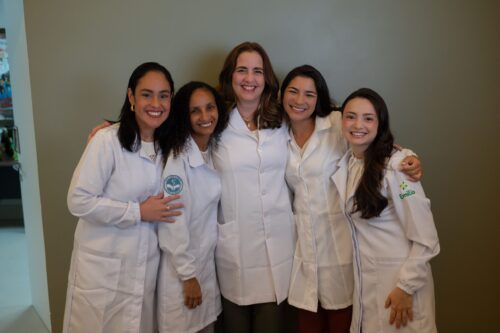
Increasing awareness and improving wellness through KFRE-guided screening and management of chronic kidney disease
Chronic kidney disease (CKD) is a growing global health concern, yet many individuals remain unaware they are at risk until significant kidney damage has already occurred. In Malaysia, where rising rates of diabetes, hypertension, obesity, and an aging population continue to drive increasing CKD prevalence, early identification of at-risk patients is critical for preventing disease progression and improving long-term outcomes. Unfortunately, limited awareness, the asymptomatic nature of early disease, and traditional screening approaches often make timely intervention challenging.
Premier Integrated Labs Sdn Bhd in Kuala Lumpur, Malaysia, recognized this an opportunity to improve CKD recognition and patient care, an integrated clinical care team implemented a comprehensive laboratory-led initiative to enhance screening, risk stratification, and CKD management. Rather than relying solely on traditional kidney function assessment, the team introduced several diagnostic advancements designed to identify risk earlier and provide clinicians with actionable information to guide personalized patient care.
The initiative included implementation of the CKD-EPI equation for estimated glomerular filtration rate (eGFR) reporting, conversion from the Jaffe creatinine method to a more precise enzymatic assay, and incorporation of the Kidney Failure Risk Equation (KFRE) score into routine clinical practice. KFRE was implemented to help stratify patients with moderate-to-severe CKD according to their risk of progression to end-stage kidney disease (ESKD), enabling earlier treatment modification and more proactive disease management. Thereafter, KFRE scoring and urine albumin-to-creatinine ratio (ACR) testing were incorporated into routine health screening programs, particularly for individuals with diabetes, hypertension, obesity, or a family history of kidney disease. This enhanced screening approach aimed to provide clinicians with objective risk assessments that could support earlier intervention, monitor treatment effectiveness, and identify disease progression before irreversible renal damage occurred.
Following implementation, 3,442 individuals with previously unquantified CKD risk became newly aware of their active risk for kidney disease. Increased awareness translated into meaningful clinical action, with 61% of newly identified high-risk patients having their medications modified to support more personalized treatment and proactive disease management. Importantly, patients became more empowered to actively participate in their care. Among surveyed patients, 86.7% reported a better understanding of their health condition, while nearly half (46.7%) indicated greater motivation to follow treatment recommendations after learning more about their kidney disease risk. Clinicians also reported increased satisfaction with the enhanced care pathway, with 93.3% indicating improved efficiency and appropriateness of care following implementation of KFRE scoring. Additionally, 87.7% expressed confidence in KFRE as a valuable tool for optimizing and personalizing treatment decisions.
Impressively, by helping prevent or delay progression to end-stage kidney disease and the need for hemodialysis, this initiative mitigated costs of RM120 million per life year for patients with stage 3a to 4 CKD who avoid dialysis, including annual savings associated with delayed dialysis among the 3,442 identified at-risk individuals.
For their patient-centric work, the integrated clinical care team at Premier Integrated Labs Sdn Bhd team was recognized as a 2026 UNIVANTS of Healthcare Excellence Award Recognition of Achievement. Congratulations to Yoke Lee Low, Biochemist, Department of Pathology, Hareeff Muhammed, Chief Executive Officer, Premier Integrated Labs, Leslie Charles Lai Chin Loy, Consultant, Chemical Pathologist and Metabolic Medicine Specialist, Gleneagles Hospital, Fong Voon Ken, Nephrologist, Gleneagles Hospital and Sarania Sukumaran, Head of Medical Affairs and Quality, Gleneagles Hospital.
To learn more about this and other award-winning best practices, visit www.UnivantsHCE.com.
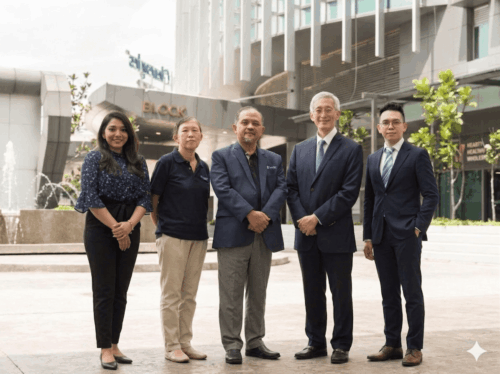
Improving care through faster risk stratification using high-sensitivity point-of-care troponin testing in emergency department patients with suspected acute coronary syndrome
Emergency department (ED) overcrowding continues to be a significant challenge for healthcare systems worldwide. Patients presenting with symptoms suggestive of acute coronary syndrome (ACS) represent one of the most common and resource-intensive populations requiring urgent evaluation. While high-sensitivity cardiac troponin (hs-cTn) testing has transformed the diagnosis of myocardial infarction (MI), traditional laboratory workflows can potentially delay the availability of results, prolonging patient assessment and contributing to extended ED length of stay.
Recognizing the opportunity to accelerate clinical decision-making while maintaining patient safety, a multi-site implementation in Canterbury Health New Zealand leveraged newly available high-sensitivity point-of-care (POC) troponin testing within emergency departments. By bringing rapid hs-cTn testing directly to the bedside, the team sought to improve patient flow, and reduce time to result availability.
The initiative, known as ICare-FASTER, required extensive collaboration between laboratory medicine professionals, emergency physicians, nursing teams, information technology specialists, and healthcare administrators. Before clinical deployment, analytical verification studies assessing assay precision were conducted, hemolysis interference, and performance were also compared with existing laboratory-based methods. Additional work included the development of quality control procedures, establishment of clinically validated low-risk thresholds, integration of POC results into the electronic health record, revision of clinical pathways, and training of more than 400 nurses.
Following implementation at Christchurch and Ashburton Hospitals, emergency department length of stay decreased by 11% and 35%, respectively. Importantly, these gains in efficiency were achieved without compromising patient safety, as rates of myocardial infarction and cardiac death within 30 days among discharged patients remained unchanged following implementation. Importantly, emergency department staff reported greater ability to rapidly risk-stratify patients, allowing earlier identification of lower-risk individuals while prioritizing those requiring urgent intervention. These improvements subsequently supported more efficient use of clinical resources during periods of high patient demand.
This achievement demonstrates the power of laboratory medicine in transforming emergency care pathways. For their collaborative efforts, ICare-FASTER team received recognition of achievement in association with the 2026 UNIVANTS of Healthcare Excellence Award winner. Congratulations to Christopher Florkowski, Chemical Pathologist, Martin Than, Emergency Medicine Specialist, John Pickering, Data Scientist and Biostatistician, Vanessa Buchan, Service Manager, Canterbury Health Laboratories and Laura Joyce, Emergency Medicine Specialist.
To learn more about this best practice and other UNIVANTS award-winning achievements, please visit www.univantshce.com.
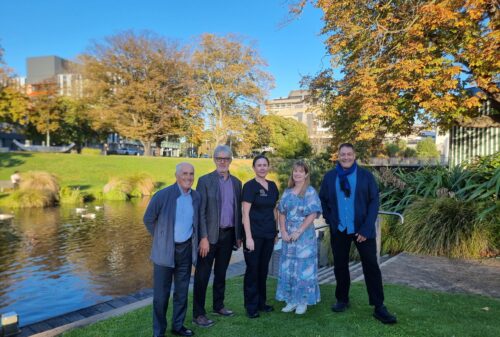
Reducing unnecessary colonoscopies and enhancing value-based care through fecal calprotectin-guided IBD diagnosis and management
Inflammatory bowel disease (IBD), characterised by inflammation of the gut, often presents with non-specific gastrointestinal symptoms such as abdominal pain, diarrhea, fatigue, and weight loss, creating challenges related to diagnosis based on symptoms alone. While colonoscopy remains the gold standard for diagnosis, it is invasive and uncomfortable, resource-intensive, associated with procedural risks, and can contribute to lengthy wait times. Recognizing an opportunity to improve patient care, while optimizing healthcare resources, a multidisciplinary team at King Fahad Specialist Hospital in Dammam, Saudi Arabia, implemented a new diagnostic pathway centered on in-house fecal calprotectin (FC) testing. As a reliable, non-invasive biomarker of intestinal inflammation, FC testing can help clinicians distinguish patients who are unlikely to have active inflammatory disease from those requiring more urgent endoscopic evaluation.
Prior to this initiative, FC testing was outsourced, resulting in prolonged turnaround times, fragmented reporting processes, and frequent delays in obtaining results. These challenges created inefficiencies in patient management, reduced clinician confidence in the diagnostic process, and often led to unnecessary colonoscopies or delayed access to care for higher-risk patients. To address these barriers, the team introduced in-house FC testing in 2023 and integrated the entire process into a closed-loop electronic medical record (EMR) workflow. This ensured that test orders, results, and interpretations were electronically captured, traceable, and immediately accessible to clinicians.
Between September 2023 and November 2025, 1,115 FC tests were performed on 630 patients. Bringing testing in-house reduced average turnaround time from 26 days to just 5.31 days, representing an approximately 80% improvement and enabling clinical decision-making nearly five times faster than before. As confidence in the pathway increased, clinician utilization of FC testing doubled for the routine assessment of patients presenting with gastrointestinal symptoms. Most importantly, the new diagnostic pathway improved patient care while safely reducing unnecessary procedures. Among patients with low FC concentrations (<50 μg/g) and no gastrointestinal alarm features, 98.8% were safely managed without colonoscopy. No new IBD diagnoses were missed within this group, demonstrating the safety and reliability of the FC-guided approach. Lastly, by helping clinicians identify patients unlikely to benefit from invasive testing, endoscopy resources could be redirected toward individuals at higher risk, improving access to care and prioritization of services.
“This transformation allowed clinicians to shift their focus from administrative troubleshooting to clinical decision-making,” noted Miral Mohammed Othman Mashhour, Laboratory Director at King Fahad Specialist Hospital. By ensuring every FC result was electronically captured, traceable, and immediately accessible, the laboratory became a key driver of more efficient triage and evidence-based patient management.
For their work and outcomes, this King Fahad Specialist Hospital team was recognized as a 2026 UNIVANTS of Healthcare Excellence Award winner of achievement. Congratulations to Najla Khalid Al Mahbashi, Allied Health Director, Bahaa Farouk Bseiso, Gastroenterologist Consultant and Associate Executive Director, Batool Alsaeed, Senior Laboratory Quality Specialist, Data Analytics, Ayedh Saad Ayedh Alqarn, Laboratory Logistics Manager, and Saad Ahmed Mohammed Aldaama, Executive Director of Medical and Clinical Affairs.
To learn more about this and other award-winning best practices, visit the UNIVANTS of Healthcare Excellence program at www.UnivantsHCE.com.
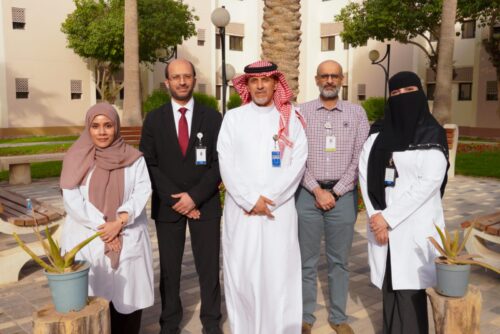

News from Regional Federations and Member Societies
The 20th National Clinical Laboratory Congress (LABCLIN 2026) to take place in Barcelona from November 25 to 27.

Precision medicine advancing towards a biological diagnosis of Alzheimer’s disease to allow selection of the best therapeutic option.
- Laboratory medicine is helping shift Alzheimer’s diagnosis away from a reliance solely on symptoms; it now enables the correct identification of patients in early stages and confirms the presence of the specific pathology to be targeted by treatment.
- Combining different biomarkers can improve the identification of patients suitable for new therapies and help avoid unnecessary treatments for individuals whose cognitive decline stems from other causes.
- The LABCLIN 2026 Congress brings together leading clinical laboratory experts to address the latest therapeutic advances for various diseases, as well as the future of clinical genetics and assisted human reproduction.
The approach to Alzheimer’s disease is undergoing a major transformation. For many years, available treatments focused primarily on symptom relief; however, new therapies can now target one of the disease’s root causes: the accumulation of beta-amyloid protein in the brain. These advances make it possible to slow disease progression, while new biomarkers facilitate a shift toward molecular diagnosis of Alzheimer’s that is more accessible, rapid, and less invasive.
In this context, the clinical laboratory provides key molecular information through the analysis of biomarkers in blood or cerebrospinal fluid. Working in close collaboration with specialties such as neurology, nuclear medicine, and radiology, this analysis enables the most precise possible diagnosis of the disease and informs therapeutic decision-making.
The practical application of biomarkers will be a key topic at the 20th National Congress on Clinical Laboratory Medicine (LABCLIN 2026), held in Barcelona from November 25 to 27. The Congress brings together leading experts in laboratory medicine to discuss and present the latest advances in disease diagnosis, prognosis, and treatment, with a special focus on the direct impact of clinical genetics and assisted reproductive technologies on patient health.
From symptomatic diagnosis to the detection of biological changes
Biomarkers enable the direct detection of biological changes characterizing a disease, often before clinical symptoms become clearly apparent. As Dr. Mireia Tondo—chair of the Neurology Commission of the Spanish Society of Laboratory Medicine (SEMEDLAB)—asserts, this represents a paradigm shift: “We are moving from diagnosing based solely on symptoms to being able to demonstrate the presence of the disease at a biological level. In the case of Alzheimer’s, biomarkers allow for the detection of—primarily—beta-amyloid accumulation and changes associated with the tau protein, one of the disease’s main drivers.”
According to the expert, these biomarkers are particularly important in the context of anti-amyloid therapies; memory problems alone are insufficient grounds for treatment—the presence of amyloid pathology must be demonstrated. As Dr. Tondo emphasizes, biomarkers “make it possible to identify patients who may be candidates for these therapies and help avoid unnecessary treatments for individuals whose cognitive decline stems from other causes.”
Incorporating biological markers requires close collaboration among neurology, nuclear medicine, radiology, and laboratory medicine, among other specialties. According to Dr. Tondo, the neurologist conducts the clinical and cognitive assessment—potentially drawing on neuroimaging techniques—while the clinical laboratory provides molecular information through the analysis of biomarkers in blood or cerebrospinal fluid. “It is the integration of all this information that makes it possible to establish the most accurate diagnosis possible and make therapeutic decisions,” she highlights.
Blood-based biomarkers: key to less invasive diagnoses
Currently, cerebrospinal fluid biomarkers for beta-amyloid and tau are well-established tools. At the same time, as Dr. Tondo reports, blood-based biomarkers have evolved extraordinarily rapidly. “Among them, phosphorylated tau protein—specifically p-tau217—is a marker of great interest due to its ability to reflect the presence of Alzheimer’s pathology,” she maintains.
Blood biomarker analysis enables a more accessible, rapid, and less invasive molecular diagnosis of Alzheimer’s. Looking ahead, the president of the SEMEDLAB Neurology Commission notes that the approach to the disease will likely not rely on a single biomarker, but rather on a combination of different markers. These will allow for an understanding not only of whether Alzheimer’s pathology is present, “but also of the disease stage, what other pathologies might be present, and how neuronal damage is progressing.”
Experts agree that laboratory medicine is helping Alzheimer’s transition from a disease diagnosed solely by clinical manifestations toward a precision medicine model—”one where we can identify the specific disease biology of each patient, allowing us to use that information to better select treatments and provide more personalized monitoring,” Dr. Tondo summarizes.
Spanish Society of Laboratory Medicine (SEMEDLAB)
XXIV International Serbian Congress of Medical Biochemistry and Laboratory Medicine
Report for 2026 from Society of Medical Biochemist of Serbia on a new line
by Assoc. Prof. Neda Milinković
The XXIV International Serbian Congress of Medical Biochemistry and Laboratory Medicine was held in Belgrade from 23 to 25 September 2026, continuing a long-standing tradition of bringing together experts, researchers, educators, and laboratory professionals from the region and abroad. Organized by the Society of Medical Biochemists of Serbia and the Faculty of Pharmacy, University of Belgrade, and supported by IFCC, EFLM, BCLF, and national ministries, the Congress reaffirmed its position as the leading scientific event in laboratory medicine in Southeast Europe.
This year’s Congress gathered 170 participants from several countries, with the majority coming from Serbia, followed by Bosnia and Herzegovina, Croatia, Montenegro, Turkey, Finland, and Belgium. The scientific program featured 47 invited speakers representing nine countries, including Serbia, Croatia, Italy, Greece, Turkey, Finland, Montenegro, and Bosnia and Herzegovina. The breadth of international participation underscored the Congress’s growing regional and European relevance.
The overarching theme, “Laboratory Medicine as a Pillar of Healthcare: Meeting the Challenges of Science and Practice,” framed a comprehensive three-day program addressing current scientific advances, emerging technologies, regulatory developments, and clinical applications across the spectrum of laboratory medicine. The Society’s Award for Excellence was presented to Prof. Ana Maria Šimundić, one of Europe’s most influential leaders in laboratory medicine, in recognition of her outstanding international contributions to quality improvement, standardization, and professional advancement worldwide. In parallel, the prestigious Milica Marković Fund Award was bestowed upon Prof. Svetlana Ignjatović, whose extensive scientific, educational, and professional work has profoundly shaped the development of medical biochemistry in Serbia and the wider region. Together, these awards symbolically connected global excellence with national achievement, reaffirming that Serbian laboratory medicine stands shoulder to shoulder with international standards and leaders.
Beyond its scientific content, the Congress stood out for its exceptional organization, professional atmosphere, and the strong sense of community it fostered among participants. The combination of international patronage, multidisciplinary sessions, poster presentations, and structured discussions created an environment conducive to learning, networking, and the exchange of ideas. Belgrade, with its unique cultural heritage and welcoming spirit, once again proved to be an excellent host.
The XXIV International Serbian Congress of Medical Biochemistry and Laboratory Medicine concluded with a strong sense of accomplishment and optimism, reaffirming its role as a central meeting point for laboratory professionals in the region and a respected contributor to the international scientific community. Its success reflects not only the dedication of the organizers and speakers but also the collective commitment of all participants to advancing laboratory medicine as a pillar of modern healthcare.
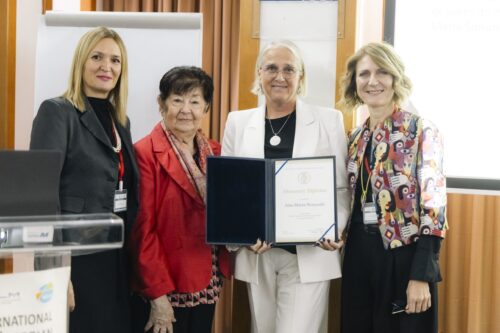
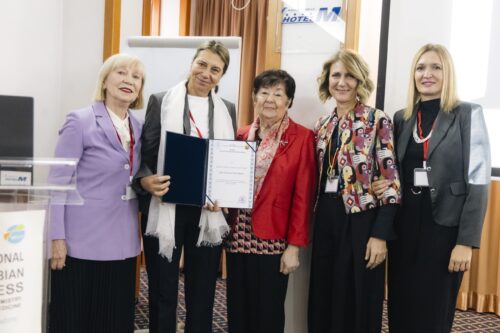
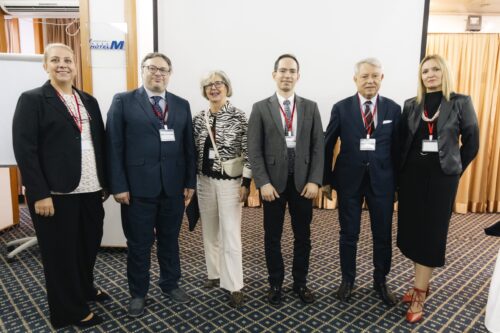
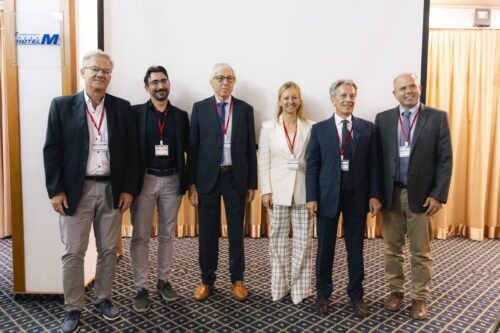
IFCC’s Calendar of Congresses, Conferences & Events
IFCC and Regional Federation Events
| EuroMedLab 2027 – Jointly organized by IFCC and EFLM in collaboration with LabMedUK 2027 of the Association for Laboratory Medicine | London, UK | 2027-05-16 | 2027-05-20 | View event | |
| APFCB 2027 KUALA LUMPUR | Kuala Lumpur, MY | 2027-10-10 | 2027-10-13 | View event | |
| XXVIII IFCC WORLDLAB 2028 | Buenos Aires, AR | 2028-10-15 | 2028-10-19 | View event |
Other events with IFCC auspices
Advertise in IFCC eNews!
Showcase your products and initiatives to more than 57.000 laboratory medicine specialists throughout Europe, North America, Asia- Pacific, Middle East, Africa and Latin America: laboratory directors, clinical chemists, and other clinical laboratory specialists and technologists, leading manufacturers, distributors and dealers in the field.
- Ten issues per year
- Free-of-charge to readers
- Interactive digital edition
Published ten times a year:
- No 1/2 January/February
- No 3 March
- No 4 April
- No 5 May
- No 6 June
- No 7/8 July/August
- No 9 September
- No 10 October
- No 11 November
- No 12 December
For prices, formats and any further information on how your company can gain unique access\to international markets through advertsing with IFCC, please email us at enews@ifcc.org.
IFCC Corporate Members receive a 25% discount on current prices
IFCC Executive Board 2024-2026
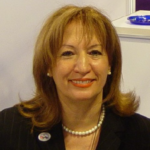
Tomris Ozben
President
Nader Rifai
President Elect

Sergio Bernardini
Secretary

Alexander Haliassos
Treasurer

Tricia Ravalico
Corporate Representative
Regional Representatives

R. ERASMUS
African Federation of Clinical Chemistry (AFCC)

M. GERMANOS
Arab Federation of Clinical Biology (AFCB)

T. BADRICK
Asia-Pacific Fed for Clin Biochem and Lab Med (APFCB)

T. ZIMA
European Fed of Clin Chem and Lab Medicine (EFLM)
E. FREGGIARO
Latin-American Confederation of Clin Biochemistry (COLABIOCLI)

S. HAYMOND
North American Fed of Clin Chem and Lab Med (NAFCC)
IFCC Divisions and C-CC Chairs

C. COBBAERT (NL)
Scientific Division
Chair

V. STEENKAMP (ZA)
Education and Management Division Chair

HP BHATTOA (HU)
Communications and Publications Division Chair
D. GRUSON (BE)
Emerging Technologies Division
Chair

P. LAITINEN (FI)
Congresses and Conferences Committee Chair
IFCC Office Staff
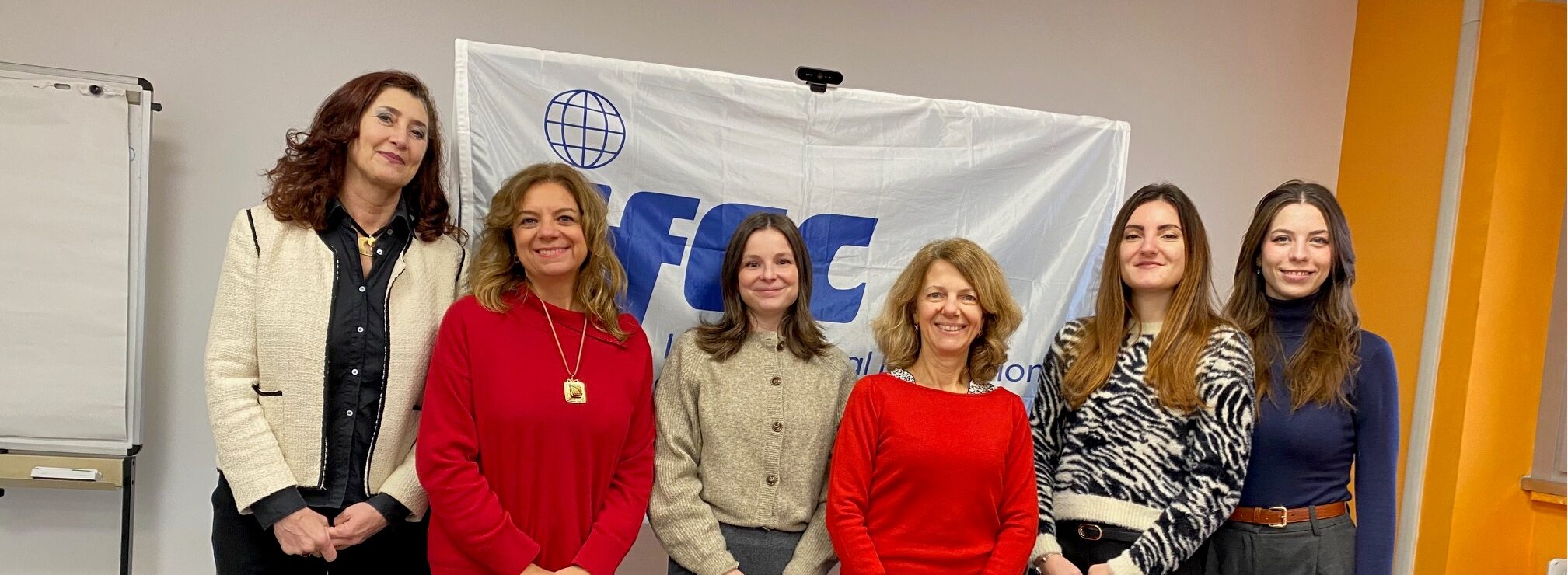
IFCC Membership
Full members
- Albania (AL) – ASoLaM
- Algeria (DZ) – SABC
- Argentina (AR) – CUBRA
- Armenia (AM) – AMLDS
- Australia and New Zealand (AU/NZ) – AACB
- Austria (AT) – ÖGLMKC
- Azerbaijan (AZ) – ASCLS
- Belgium (BE) – RBSLM
- Bolivia (BO) – SOBOBIOCLI
- Bosnia Herzegovina (BA) – AMBBIH
- Brazil (BR) – SBAC
- Brunei Darussalam (BN) – BAMLS
- Bulgaria (BG) – BSCL
- Burundi (BI) – ANTEBBU
- Cameroon (CM) CSBC
- Canada (CA) – CSCC
- Chile (CL) – SCHQC
- China (Beijing) (CN) – CSLM
- China Region (Taipei) (TW) – CACB
- Colombia (CO) – CNB
- Croatia (HR) – HDMBLM
- Cuba (CU) – SCPC
- Cyprus (CY) – ACLCY
- Czech Republic (CZ) – CSKB
- Denmark (DK) – DSKB
- Dominican Republic (DO) – CODOBIO
- Ecuador (EC) – SEBIOCLI
- Egypt (EG) – EALQPS
- Estonia (EE) – ELMU
- Ethiopia (ET) – EMLA
- Finland (FI) – SKKY
- France (FR) – SFBC
- Georgia (GE) – GLMA
- Germany (DE) – DGKL
- Greece (GR) – GSCC-CB
- Guatemala (GT) – AQBG
- Hong Kong, China Region (HK) – HKSCC
- Hungary (HU) – MLDT
- Iceland (IS) – ISLM
- India (IN) – ACBI
- Indonesia (ID) – HKKI
- Iran (IR) – IAB
- Iraq (IQ) – ISMBG
- Ireland (IE) – ACBI
- Israel (IL) – ISCLS
- Italy (IT) – SIBioC
- Japan (JP) – JSCC
- Jordan (JO) – JSMLC
- Kenya (KE) – CCAK
- Korea (KR) – KSCC
- Kosovo (XK) – KACC
- Kuwait (KW) – KACB
- Latvia (LV) – LLSB
- Lebanon (LB) – SDBLB
- Libya (LY) – LACP
- Lithuania (LT) – LLMD
- Luxembourg (LU) – SLBC
- Malawi (MW) – MAMLS
- Malaysia (MY) – MACB
- Mauritania (MR) – SMBC
- Mexico (MX) – CMCLABC
- Moldova (MD) – AMLRM
- Montenegro (MNE) – MACC
- Morocco (MA) – SMCC
- Myanmar (MM) – MMTA
- Nepal (NP) – NAMLS
- Netherlands (NL) – NVKC
- Nigeria (NG) – ACCN
- North Macedonia (MK) – MSMBLM
- Norway (NO) – NSMB
- Pakistan (PK) – PSCP
- Palestine (PS) – PMTA
- Panama (PA) – CONALAC
- Paraguay (PY) – ABP
- Peru (PE) – AMPPC
- Philippines (PH) – PAMET
- Poland (PL) – PTDL
- Portugal (PT) – SPML
- Romania (RO) – RALM
- Russia (RU) – FLM
- Saudi Arabia (SA) – SSCC
- Senegal (SN) – 2SBC
- Serbia (SRB) – DMBS
- Singapore (SG) – SACB
- Slovak Republic (SK) – SSKB
- Slovenia (SI) – SZKKLM
- South Africa (ZA) – SAACB
- Spain (ES) – SEMEDLAB
- Sri Lanka (LK) – ACBSL
- Sudan (SD) – SSCB
- Sweden (SE) – SSCC
- Switzerland (CH) – SSCC
- Syrian Arab Republic (SY) – SCLA
- Thailand (TH) – TSCP
- Tunisia (TN) – STBC
- Türkiye (TR) – TBS
- Ukraine (UA) – ACCLMU
- United Arab Emirates (UAE) ECCS
- United Kingdom (UK) – ALM
- United States (US) – ADLM
- Uruguay (UY) – ABU
- Vietnam (VN) – VACB
- Zambia (ZM) – BSZ
- Zimbabwe (ZW) – ZACB
Corporate members
-
Abbott Laboratories
-
Agappe Diagnostics Ltd
-
Alexion
-
Arkray Inc.
-
Autobio Diagnostics Co. Ltd.
-
BD Diagnostics-Preanalytical Systems
-
Beckman Coulter, Inc.
-
Beijing Wantai Biological Pharmacy Enterprise Co. Ltd.
-
Bio-Rad Laboratories
-
BioMérieux
-
Boditech Med Inc.
-
Controllab
-
Diagnostica Stago
-
DiaSys Diagnostic Systems Gmbh
-
Et Healthcare Inc.
-
Fujifilm Wako Pure Chemical Corporation
-
Fujirebio-Europe
-
Gentian As
-
Getein Biotech Co., Ltd.
-
Greiner Bio-One Gmbh
-
Guangzhou Wondfo Biotech Co. Ltd.
-
Helena Biosciencies Europe
-
Hytest Ltd.
-
Immunodiagnostic Systems
-
Instand E.V.
-
Instrumentation Laboratory
-
I-Sens, Inc.
-
Jiangsu Bioperfectus Technologies Co. Ltd.
-
Labor Dr. Wisplinghoff
-
Labor Team W Ag
-
Lifotronic Technology Co. Ltd.
-
Maccura Biotechnology Co., Ltd.
-
MedicalSystem Biotechnology Co., Ltd.
-
Medix Biochemica
-
Menarini Diagnostics
-
Mindray – Shenzhen Mindray Bio-Medical Electronics Co., Ltd.
-
Nagase Diagnostics Co., Ltd.
-
Nanjing Realmind Biotech Co., Ltd.
-
Nittobo Medical Co. Ltd.
-
PHC Europe B.V.
-
Quality Consulting
-
QuidelOrtho
-
Radiometer Medical Aps
-
Randox Laboratories Ltd.
-
Roche Diagnostics Gmbh
-
Sansure Biotech Inc
-
Sebia S.A.
-
Sentinel Ch Spa
-
Shanghai Kehua-Bioengineering Co., Ltd.
-
Shanghai Medconn Biotechnology Co., Ltd.
-
Shenzhen Drawray Biotech Co. Ltd
-
Shenzhen Reetoo Biotechnology Co. Ltd.
-
Shenzhen Yhlo Biotech
-
Siemens Healthineers
-
Snibe Co., Ltd
-
Solomed
-
Stiftung Fuer Pathobiochemie Und Molekulare Diagnostik (SPMD-RfB)
-
Sysmex Europe Gmbh
-
Technogenetics
-
The Binding Site Group Ltd.
-
Tosoh Corporation
-
URIT
-
Wondfo Biotech Co., Ltd.
-
Zybio Inc.
Affiliate Members
- Algeria (DZ) – SABGM
- Argentina (AR) – FBA
- Armenia (AM) – AALM
- Botswana (BW) – BICLP
- Brazil (BR) – SBPC/ML
- China (CN) – LMC
- France (FR) – LABAC
- India (IN): ACCLMP, AMBI and AMU
- Iran (IR) – IACLD
- Jordan (JO) – MTLS
- Kazakhstan (KZ) – FLM
- Korea (KR) – KSLM
- Mexico (MX): CONAQUIC A.C., CONQUILAB, FEMPACML and FENACQC
- Nepal (NP) – NACC
- Philippines (PH) – PCQACL
- Romania (RO) – OBBCSSR
- Serbia (RS) – SCLM
- Spain (ES): SANAC
- Sri Lanka (LK) – CCPSL
- Tunisia (TN) – ATUTEB
- Türkiye (TR) – KBUD
- Ukraine (UA) – AQALM
- United Arab Emirates (UAE) – UAEGDA
Regional Federations
- Arab Federation of Clinical Biology (AFCB)
- African Federation of Clinical Chemistry (AFCC)
- Asia-Pacific Federation for Clinical Biochemistry and Laboratory Medicine (APFCB)
- European Federation of Clinical Chemistry and Laboratory Medicine (EFLM)
- Latin America Confederation of Clinical Biochemistry (COLABIOCLI)
- North American Federation of Clinical Chemistry and Laboratory Medicine (NAFCC)
Publisher
The Communications and Publications Division publishes ten editions of the e-News per year, including two double issues.
Editor
Head of the Department of Biochemistry Naval and Veterans Hospital
Athens – Greece
E-mail: enews@ifcc.org
The eNews is distributed to all IFCC members registered on-line to receive it and to all IFCC sponsors.
Deadlines for submissions to the eNews
N° 3 – March: by mid-February
N° 4 – April: by mid-March
N° 5 – May: by mid-April
N° 6 – June: by mid-May
N° 7/8 – July/August: by mid-June
N° 9 – September: by mid-August
N° 10 – October: by mid-September
N° 11 – November: by mid-October
N° 12 – December: by mid-November
If you want to submit an article or advertisement to be published in the eNews, send it to: enews@ifcc.org
Copyright © 2026 IFCC. All rights reserved. Contents may not be reproduced without the prior permission of the Communications and Publications Division (CPD) of the IFCC.