

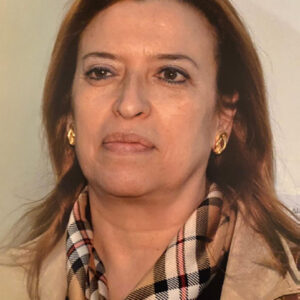
Marilena Stamouli,
eNews Editor
Editorial
Message from the eNews Editor
Dear colleagues,
As autumn proceeds, we find ourselves transitioning into a time of preparation for the months ahead and the important upcoming scientific activities of our field, which is progressing at an extraordinary pace.
In her message published in the present issue, our President, Prof. Tomris Ozben, gives us valuable information about her agenda, the important events in which she participated, and the opportunity she had to meet laboratory medicine professionals, strengthen collaborations and share best practices to the benefit of our global laboratory medicine community. Moreover, she invites us to participate in the Latin American Confederation of Clinical Biochemistry (COLABIOCLI) Congress, which will be held in Santa Cruz, Bolivia, from October 7–10, 2026 and to the 27th International Congress of Clinical Chemistry and Laboratory Medicine (WorldLab 2026), which will be held in New Delhi, India, from October 25–29, 2026. These two cutting-edge scientific events along with their outstanding scientific programmes, constitute valuable opportunities to share groundbreaking insights and advance our field.
In this issue you can also read interesting news from the IFCC Visiting Lecturer Programme, the IFCC Professional Scientific Exchange Programme, the IFCC Task Force for Young Scientists, the IFCC Committee on Mobile Health and Bioengineering in Laboratory Medicine, the IFCC Emerging Technologies Division and the IFCC Education and Management Division. The outstanding work of all of these bodies highlights their commitment to advancing laboratory medicine worldwide through scientific excellence and technological innovation.
News from the Arab Federation of Clinical Biology, the African Federation of Clinical
Chemistry, as well as from our member societies of Mexico, Serbia, Japan, Nepal, Brazil, Uruguay and Pakistan, are also included in this issue, showcasing the valuable work of these federations and societies for continuous education, international cooperation, leadership and improvement of patient care. Moreover, we are delighted to welcome the Korean Society for Laboratory Medicine to our global community and we look forward to working together to advance laboratory medicine worldwide.
In this issue you can meet Prof. Ana-Maria Šimundić, PhD EuSpLM (Croatia), representing Greiner Bio-One within the Task Force for Corporate Members and member of the IFCC Task Force on Ethics, who shares with us her valuable experience of working with IFCC with active participation and engagement.
You can also meet multidisciplinary awarded teams, recognized with the 2026 UNIVANTS of Healthcare Excellence awards, for achieving better outcomes for patients and improved care delivery by means of team collaboration.
It is with profound sadness that we announce the passing of Professor Mathias M. Müller, MD, IFCC Past President, on August 12, 2026, in Innsbruck, one of the most influential and distinctive personalities in the history of IFCC. Our thoughts are with his family and colleagues, and we will honor his memory by carrying forward the values in which he strongly believed.
Marilena Stamouli
The voice of IFCC
IFCC President’s Message
September 2026
By Tomris Ozben
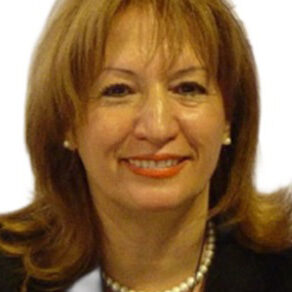
Prof. Tomris Ozben
EuSpLM, Ph.D.
IFCC President’s Message
Dear Colleagues and Friends,
I begin this message with profound sadness following the passing of Professor Mathias M. Müller, MD, IFCC Past President on August 12 in Innsbruck. The IFCC community mourns the loss of one of the most influential and distinctive personalities in the history of our Federation, who served as IFCC President from 2000 to 2005.
Professor Müller’s dedication, leadership, and outstanding contributions to laboratory medicine and to IFCC will long be remembered. His commitment to scientific excellence, education, international collaboration, and the advancement of our profession left an enduring legacy. We will honour his memory by continuing to uphold and advance the values in which he so strongly believed.
As the summer period draws to a close, I hope that many of you have had an opportunity to rest, recharge, and return to your professional activities with renewed energy and enthusiasm. As we enter another busy season, it is encouraging to see our international community coming together once again, united by our shared purpose: advancing laboratory medicine, fostering scientific discovery, strengthening education, and creating meaningful opportunities for professional exchange and collaboration.
It is with great pleasure that I highlight the successful African Federation of Clinical Chemistry (AFCC) Congress, held in Nairobi, Kenya, from July 16–17, 2026. The Congress was highly successful both scientifically and socially and provided valuable opportunities for scientific exchange, regional collaboration, networking, and professional development. I warmly congratulate the organizers and express my sincere appreciation to everyone who contributed to the success of this important meeting.
On July 28, 2026, I also had the pleasure of participating, together with members of the IFCC Executive Board, in the IFCC–ADLM Leadership Meeting held in Anaheim, California. During the meeting, IFCC and the Association for Diagnostics & Laboratory Medicine (ADLM) provided updates on their respective activities and discussed opportunities to further strengthen collaboration between our organizations, building on our shared commitment to improving patient care through excellence in laboratory diagnostics.
In laboratory medicine, global challenges require shared solutions. Cooperation allows us to transform scientific advances and best practices into better and more equitable care for patients worldwide.
As a global federation connecting national societies, regional federations, and corporate members, IFCC plays an essential role in promoting resilient laboratory systems, supporting the development and implementation of standards in laboratory diagnostics, facilitating the international exchange of scientific knowledge, and advancing education and communication throughout our profession.
Laboratory medicine is indispensable to modern healthcare, and coordinated international action is increasingly important to ensure quality, accessibility, sustainability, and equity. Strengthening cooperation in a rapidly evolving healthcare environment and expanding the inclusive sharing of best practices remain central to IFCC’s mission. Continued collaboration between IFCC and ADLM can provide a valuable model for partnerships with other IFCC Member Societies and organizations worldwide.
More recently, I had the great pleasure of attending the XXII Chilean Congress of Clinical Chemistry and Laboratory Sciences, held from August 18–20, 2026, at the Le Méridien Hotel in Santiago, Chile, under the theme “Innovation and Digital Health with a Human Perspective.”
The Congress brought together laboratory professionals, clinical researchers, technologists, scientists, and healthcare leaders and provided an excellent opportunity to discuss the challenges, opportunities, and future directions of our field. It was a privilege to exchange ideas with colleagues and to explore how innovation and digital transformation can improve healthcare while keeping patients and people at the centre of everything we do.
The Congress once again demonstrated the essential role of laboratory medicine in shaping the future of healthcare. It also highlighted the fundamental importance of our National Societies. They serve as an essential bridge between international scientific developments and national healthcare systems, while bringing the knowledge, experience, needs, and perspectives of their countries to the global laboratory medicine community.
For this reason, I greatly value the contribution of the Chilean Society of Clinical Chemistry and the active participation of Chilean colleagues in our international professional community. Congresses such as this provide an excellent platform for strengthening existing relationships and creating new opportunities for scientific and professional collaboration within Chile, across Latin America, and throughout the world.
I am also delighted to welcome the Korean Society for Laboratory Medicine (KSLM) as a new IFCC Affiliate Member. This represents another important milestone for our Federation and reflects the continuing growth, vitality, and global reach of IFCC. I warmly welcome our Korean colleagues to the IFCC family and look forward to many fruitful collaborations in the years ahead.
Our international scientific programme continues in the coming months. I warmly invite you to participate in the Latin American Confederation of Clinical Biochemistry (COLABIOCLI) Congress, which will be held in Santa Cruz, Bolivia, from October 7–10, 2026. This important regional Congress will provide valuable opportunities for scientific exchange, professional development, networking, and strengthened collaboration across Latin America and beyond.
Looking further ahead, I hope to welcome many of you to the 27th International Congress of Clinical Chemistry and Laboratory Medicine (WorldLab 2026), held together with the 52nd Congress of the Association of Clinical Biochemists of India, in New Delhi from October 25–29, 2026.
I look forward with great enthusiasm to the outstanding scientific programme, inspiring discussions, and, above all, the opportunity to meet colleagues and friends from around the world in person.
A successful congress is about much more than scientific sessions and exhibitions. It is about people. It is about reconnecting with long-standing colleagues, welcoming new members into our professional community, supporting young scientists and laboratory professionals, exchanging experiences and ideas, and creating friendships and collaborations that continue long after the Congress has ended.
In an increasingly digital world, face-to-face interaction remains extremely valuable. Scientific knowledge can readily be shared electronically, but the trust, inspiration, friendship, spontaneous exchange of ideas, and new collaborations that emerge through personal interaction are much more difficult to reproduce.
I therefore encourage all of you attending WorldLab 2026 to take full advantage of everything the Congress offers: participate actively in the scientific sessions and discussions, ask questions, exchange ideas, meet new colleagues, reconnect with old friends, and explore opportunities for future collaboration.
As we look to the future, I am confident that laboratory medicine will continue to play an increasingly central role in healthcare. Our technologies will evolve, our scientific capabilities will expand, and new opportunities will emerge. Yet our fundamental purpose will remain unchanged: to harness the power of laboratory medicine to improve patient care and health outcomes worldwide.
Achieving this goal requires scientific excellence, innovation, education, collaboration, and a strong global professional community. IFCC Congresses, regional meetings, and our many international activities help us build and sustain exactly such a community.
Together, through collaboration, innovation, and our shared commitment to excellence, we will continue to strengthen laboratory medicine and enhance its vital contribution to global health.
With my best regards,
Tomris Ozben
IFCC President
IFCC Visiting Lecturer Programme: 51st Brazilian Congress of Clinical Analysis: A Successful Gathering of Laboratory Medicine Professionals in Rio de Janeiro, Brazil
The 51st Brazilian Congress of Clinical Analysis was held in Rio de Janeiro, Brazil, from 28 June to 1 July 2026. Organized by the Brazilian Society of Clinical Analysis (SBAC), the congress brought together laboratory medicine professionals, researchers, educators, students, clinicians, and industry representatives from Brazil and beyond.
The Brazilian Congress of Clinical Analysis is one of the Latin America’s largest scientific events in laboratory medicine. The 2026 congress welcomed 4,400 participants including registered delegates, visitors, exhibitors and featured 88 speakers. Its scientific and educational programme comprised 106 activities: 75 scientific sessions, 10 sessions in the RBAC Arena, 17 industry workshops, and four meetings. In addition, several abstracts were submitted and accepted, demonstrating the laboratory medicine community’s strong scientific engagement.
On 29 June, during the Opening of the Congress, Professor Maria Elizabeth Menezes as the SBAC President, welcomed participants to the 51st SBAC Congress held in Rio de Janeiro bringing together the national and international laboratory medicine communities for four days of scientific exchange, professional development, and collaboration.
I had the honour of delivering the IFCC Presidential Welcome Address during the Opening Ceremony. I also presented two IFCC VLP Lectures entitled “Clinical Applications of Oncological Biomarkers: Diagnosis, Prognosis and Treatment Monitoring” and “Shaping the Future of Laboratory Medicine: Current Innovations, Challenges, and Emerging Trends.”
I also had the opportunity to visit the laboratories of the National Quality Control Program (PNCQ), one of the largest providers of proficiency testing in Latin America. Founded in 1976 by Dr. José Abol Correia, PNCQ has made an outstanding contribution to improving laboratory quality and patient safety throughout the region.
I also visited the Controllab laboratories, another quality assurance organization and an IFCC Corporate member, established in 1977.
In addition to its outstanding scientific programme and extensive exhibition, the congress offered valuable opportunities for networking and knowledge exchange among laboratory professionals, clinicians, researchers, educators, students, and in vitro diagnostic industry leaders. The scientific programme reflected the dynamism and diversity of modern laboratory medicine, addressing emerging diagnostic technologies, scientific innovations, translation of new knowledge into clinical practice and improved patient outcomes.
The congress took place at a time of extraordinary transformation in laboratory medicine. Advances in automation, digitalization, artificial intelligence, molecular diagnostics, genomics and other omics technologies, liquid biopsy, advanced biomarkers, and point-of-care testing are changing both laboratory capabilities and the contribution of laboratory information to clinical decision-making.
At the same time, the laboratory medicine profession faces major challenges, including aging populations, the growing burden of chronic and non-communicable diseases, emerging infectious diseases, workforce shortages, economic pressures, environmental concerns, and the need to deliver high-quality healthcare sustainably and equitably.
In this rapidly evolving environment, the role of laboratory medicine extends far beyond producing accurate results. Laboratory professionals must help to ensure that the right test is performed for the right patient at the right time and laboratory information is interpreted and applied appropriately. In this way, laboratory medicine contributes directly to disease prevention, early diagnosis, risk assessment, personalized treatment, therapeutic monitoring, and improved patient outcomes.
Innovation will undoubtedly shape the future of the laboratory medicine profession, but technological innovation alone is not sufficient. New technologies must demonstrate clinical value, improve patient care, be implemented responsibly, and remain accessible to the populations that need them. International scientific cooperation is therefore increasingly important.
IFCC brings together laboratory medicine professionals worldwide with the shared mission of advancing excellence in laboratory medicine for better healthcare. Through education, scientific activities, standardization and harmonization, support for young scientists, and collaboration among Member Societies, Corporate Members, and Regional Organizations, IFCC works to strengthen laboratory medicine globally and ensure that scientific progress provides benefits for patients.
National societies such as SBAC play a fundamental role in this mission. They connect international scientific developments with national healthcare systems while bringing their countries’ knowledge, experience, needs, and perspectives to the global laboratory medicine community. The 51st SBAC Congress provided an excellent platform for strengthening these connections and creating new opportunities for scientific and professional collaboration within Brazil, across Latin America, and internationally.
The accompanying exhibition was another important component of the 51st SBAC congress. The extensive exhibition organized by the IVD industry showcased cutting-edge technologies and the latest developments that are shaping the future of laboratory medicine. It enabled participants to explore new technologies and solutions, exchange ideas with industry partners, and identify opportunities for collaboration and innovation. Cooperation among laboratory professionals, academia, healthcare practitioners, researchers, and the in vitro diagnostics industry is essential, as many advances in laboratory medicine arise when scientific discovery, technological innovation, professional expertise, and clinical needs converge.
Beyond its scientific sessions and exhibition, the congress supported young scientists and laboratory professionals, encouraged exchanges across generations and countries, and fostered friendships and collaborations that will continue long after the event. In an increasingly digital world, face-to-face interaction remains invaluable. Scientific information can be shared electronically, but the trust, inspiration, and new ideas generated through personal interaction are more difficult to reproduce.
I sincerely thank the SBAC President, Executive Board Members, Organizing Committee, Scientific Program Committee, speakers, session chairs, sponsors, industry representatives, and everyone who devoted their time and expertise to making the congress possible. Above all, I thank the participants, whose scientific contributions, discussions, and enthusiasm were central to the success of the congress.
The 51st Brazilian Congress of Clinical Analysis demonstrated the strength, vitality, and innovative spirit of laboratory medicine in Brazil and throughout the region. It was an excellent opportunity to strengthen scientific and professional collaboration and to highlight the essential contribution of laboratory medicine to healthcare quality, innovation, patient safety, and improved health outcomes.
I congratulate everyone involved in organizing this successful congress and look forward to continuing the strong collaboration among SBAC, IFCC, and the international laboratory medicine community.


Lighting the Spark of Tomorrow: How the IFCC Visiting Lecturer Programme Inspired a New Generation of Laboratory Medicine Leaders in Ecuador
Dr. BQF. María del Carmen Pasquel-Moxley
IFCC Visiting Lecturer (VLP), Ecuador
Chair, IFCC Public Relations Committee (C-PR)
In June 2026, the IFCC Visiting Lecturer Programme (VLP) demonstrated once again that its greatest strength extends far beyond scientific education. During one remarkable week in Ecuador, the program connected universities, healthcare professionals and the international laboratory medicine community, opening new horizons for hundreds of future scientists and reinforcing IFCC’s commitment to education, leadership and global collaboration.
Supported by the Ecuadorian Society of Clinical Biochemistry (SEBIOCLI), the visit became an inspiring journey through two of Ecuador’s leading universities and a continuing education programme for practicing laboratory professionals. More importantly, it became an opportunity for young people to discover that their professional future extends well beyond the classroom and national borders.
Building Bridges Between Universities and the Global Laboratory Community
One of the defining strengths of the Ecuador VLP mission was the exceptional institutional commitment shown by the academic authorities of both the Universidad Técnica de Machala (UTMACH) and the Universidad Central del Ecuador (UCE).
The Ecuador mission officially commenced during the III Conference Series in Biochemistry and Pharmacy at Universidad Técnica de Machala, where the IFCC Visiting Lecturer Programme was inaugurated in the presence of the University’s senior authorities. The opening ceremony was attended by Dr. Jhonny Pérez Rodríguez, Rector; Dr. Irene Sánchez González, Administrative Vice Rector; Lcda. Irlandia Romero, Dean of the Faculty of Chemical Sciences and Health; Ing. Jonathan Aguilar, Vice Dean; and Dr. Thayana Núñez Quezada, Coordinator of the Biochemistry and Pharmacy Programme. Their participation reflected the University’s strong commitment to scientific excellence, international collaboration, and the education of future laboratory medicine professionals.
This institutional support transformed each scientific session into far more than an academic lecture—it became a shared vision for the future of Laboratory Medicine.
More Than 220 Students Discover IFCC
For over 220 undergraduate students, many attending their first international educational activity, the IFCC Visiting Lecturer Programme represented a unique introduction to a world of opportunities.
Throughout the sessions, students explored:
- IFCC educational resources
- international webinars
- leadership programs
- scientific committees
- scholarships
- international networking
- collaboration through SEBIOCLI and COLABIOCLI
For many participants, this was the first time they realized that becoming part of their National Society could also become their gateway to an international scientific community.
The enthusiasm was immediate. Questions continued long after the lectures had ended, reflecting a genuine desire to become actively involved in the future of Laboratory Medicine.
Preparing Professionals for the Future
The program also brought together practicing laboratory professionals through a two-day continuing education meeting focused on the evolving landscape of Laboratory Medicine.
Topics included:
- quality management
- accreditation
- digital transformation
- artificial intelligence
- continuing professional development
Rather than simply presenting scientific information, the discussions encouraged participants to reflect on how laboratory professionals must continually adapt to technological innovation while maintaining the highest standards of quality and patient care.
A Shared Vision
Perhaps the greatest achievement of the Ecuador visit was bringing together three communities that rarely meet in the same educational environment:
- university leaders,
- undergraduate students,
- laboratory professionals.
This comprehensive approach strengthened the visibility of IFCC while reinforcing SEBIOCLI’s essential role as the national bridge connecting Ecuador with the international Laboratory Medicine community.
“Investing in students today means investing in the future of Laboratory Medicine. Every young scientist who discovers IFCC discovers a global community committed to education, leadership and scientific excellence.”
Looking Beyond the Visit
The Ecuador experience clearly illustrates the true mission of the IFCC Visiting Lecturer Programme.
Its impact cannot be measured only by the number of lectures delivered or participants reached. Its lasting value lies in inspiring curiosity, encouraging lifelong learning, strengthening National Societies and creating future leaders who will continue advancing Laboratory Medicine worldwide.
As IFCC expands its educational initiatives across the globe, programs such as the VLP remind us that the future of our profession begins wherever knowledge meets inspiration—and where young scientists discover that they are already part of an international family dedicated to improving health through science.


IFCC Visiting Lecturer Programme: my participation in the 8th African Federation of Clinical Chemistry (AFCC) Scientific Conference, held jointly with the 15th Clinical Chemists Association of Kenya (CCAK) Annual Scientific Conference in Nairobi, Kenya
By Dr. Leslie Lam
President and National Representative, Singapore Association of Clinical Biochemists (SACB)

I was honored to participate as an IFCC Visiting Lecturer at the 8th African Federation of Clinical Chemistry (AFCC) Scientific Conference, held jointly with the 15th Clinical Chemists Association of Kenya (CCAK) Annual Scientific Conference in Nairobi, Kenya. I sincerely thank the International Federation of Clinical Chemistry and Laboratory Medicine (IFCC) for supporting my participation through the IFCC Visiting Lecturer Programme, and I am grateful to AFCC and CCAK for their outstanding hospitality and excellent organization throughout the conference.
This was my first visit to Kenya, making the experience especially memorable. Beyond contributing to the scientific programme, it provided an invaluable opportunity to learn more about the country’s healthcare environment, meet laboratory professionals from across the region, and gain a greater appreciation of the enthusiasm and commitment to advancing laboratory medicine in Africa.
During the programme, I delivered lectures and participated in discussions with laboratory professionals, pathologists, scientists, trainees, and students from Kenya and neighboring countries. The sessions focused on contemporary topics in laboratory medicine, with particular emphasis on quality, patient safety, laboratory management, and emerging developments in clinical chemistry. The audience was highly engaged, and the interactive discussions that followed each session enabled a valuable exchange of ideas and experiences.
One of the highlights of the visit was the opportunity to interact with colleagues from diverse healthcare settings. Although laboratories across different regions face unique challenges, our conversations reinforced that we share many common goals, including improving quality, strengthening laboratory governance, developing the workforce, and ensuring that laboratory services contribute effectively to patient care. These discussions emphasized the importance of international collaboration and continuous professional education in advancing our profession.
The programme also provided an excellent platform for establishing new professional relationships and strengthening connections between laboratory professionals in Africa and Asia. I am confident that these interactions will lead to future opportunities for collaboration, knowledge exchange, and educational activities that will benefit our respective professional communities.
I would like to express my sincere appreciation to the Clinical Chemists Association of Kenya, the African Federation of Clinical Chemistry, and the local organizing committee for their exceptional hospitality and for creating a welcoming environment throughout the programme. Their dedication ensured a successful and enjoyable event for all participants.
Finally, I thank the IFCC for supporting the Visiting Lecturer Programme, which serves as an important initiative to promote global collaboration, professional development, and the sharing of knowledge in laboratory medicine. It was a privilege to represent the IFCC, and I look forward to future opportunities to contribute to similar educational activities and to continue building lasting professional partnerships across the international laboratory medicine community.
Beyond AI: the 75th Psp Congress Shapes the Future of Integrated Diagnostics
By: Bernard Gouget, IFCC ETD-EC; Bernadette R. Espiritu, PCQACL President; Sarah Jane Datay-Lim, IFCC PCQACL representative; Alan T. Koa, MD, PSP Overall Chair 75th PSP Congress

The 75th Annual Convention of the Philippine Society of Pathologists (PSP), held from April 16–18, 2026 at the Makati Shangri-La Hotel in Manila, Philippines, represented far more than a national scientific meeting. Under the visionary theme “Revolutionizing the Future of Pathology with the Emergence of AI,” the congress emerged as a major international platform illustrating how pathology, laboratory medicine, artificial intelligence (AI), digital health, and data sciences are progressively converging toward a new model of integrated diagnostics. The meeting successfully combined scientific excellence, international openness, multidisciplinary collaboration, and strong support for younger generations, while reaffirming the central role of pathologists and laboratory medicine specialists within the rapidly evolving healthcare ecosystem.
The opening ceremonies were marked by dignity, solemnity, and deep respect for the profession’s heritage. Tributes to former leaders and deceased colleagues reflected the strong ethical foundations of the Society, while the large participation of residents and young pathologists projected a confident vision toward the future. In his presidential message, Hector M. Santos Jr., President of the Philippine Medical Association, emphasized that AI should be viewed as a tool to augment, not replace, medical expertise. He highlighted the importance of collaboration and coordinated healthcare delivery to ensure that technological innovation remains focused on patient care. Maria Cecilia F. Lim, PSP President, delivered a highly unifying message centered on excellence, integrity, mentorship, and openness to innovation. She reminded participants that the PSP is not merely a professional organization, but a scientific and human community built across generations. A major highlight of the opening ceremonies was the keynote address delivered by Melvin J. Sanicas, physician-scientist and global health expert based in Switzerland. His presentations on viral diagnostics, pandemic preparedness, outbreak response, and intelligence-driven public health ecosystems provided a highly strategic and forward-looking vision of the evolving role of diagnostics in global health. He emphasized the growing importance of integrated diagnostic networks, real-time epidemiologic intelligence, decentralized testing, and AI-assisted public health infrastructures in strengthening preparedness for future pandemics and emerging infectious threats. His multidisciplinary perspective, bridging infectious diseases, vaccinology, diagnostics, and global health policy, strongly contributed to positioning the congress within the broader international transformation of healthcare systems and precision medicine. The remarkable organization of the congress under the leadership of Alan T. Koa demonstrated the capacity of the PSP community to organize a meeting of truly international caliber, bringing together experts from the Philippines, the United States, Europe, India, and Switzerland. The strong presence of the Philippine Society of Cytopathology and the Philippine Council for Quality Assurance in Clinical Laboratories (PCQACL) further reinforced the integrative dimension of the congress and highlighted the importance of cross-disciplinary collaboration between pathology, laboratory medicine, quality assurance, and clinical care.
AI was not presented as an isolated technological topic, but rather as a catalyst accelerating the transformation of diagnostic medicine toward interconnected and multidisciplinary models. The lecture by Bernard Gouget explored how AI, deep learning, multimodal models, and intelligent laboratory systems are progressively transforming pathology and laboratory medicine into connected, data-driven disciplines. Emphasis was placed on interoperability, integration into routine workflows, cybersecurity, governance, and equitable deployment across healthcare systems. Eric J. Yang delivered several highly stimulating presentations during the congress. His lecture on the current landscape of AI in pathology provided a highly practical overview of computational pathology and digital pathology workflows, demonstrating how AI can support diagnostic interpretation across pre-analytical, analytical, and post-analytical phases. In a second major presentation devoted to Squamous Intraepithelial Lesions of the Lower Anogenital Tract, he reviewed evolving diagnostic frameworks for HPV-associated lesions, including recent developments in the LAST classification and emerging approaches in anal cancer screening. Together, these presentations illustrated how modern pathology increasingly integrates digital technologies, molecular knowledge, and precision diagnostics into routine clinical practice while preserving the essential role of expert clinicopathologic interpretation. Importantly, many discussions throughout the congress addressed the relationship between AI systems, including generative AI tools such as ChatGPT, and medical expertise. A strong consensus emerged: AI can considerably enhance workflow efficiency, pattern recognition, quality assurance, and access to expertise, but it cannot replace the multidimensional reasoning, contextual interpretation, ethical responsibility, and clinical integration performed by pathologists and laboratory medicine specialists. The congress therefore promoted a vision of augmented diagnostics rather than automated medicine.
One of the strongest messages emerging from the congress was that the future of diagnostics will depend on the ability of multiple disciplines to work together within integrated healthcare ecosystems. Pathology and laboratory medicine are progressively converging with molecular biology, genomics, bioinformatics, epidemiology, imaging, public health, engineering, and data science. The traditional boundaries between specialties are becoming increasingly permeable as diagnostic information evolves toward multimodal and longitudinal patient-centered datasets. Several scientific sessions illustrated this transition. Computational pathology now integrates morphology, immunohistochemistry, molecular biomarkers, and AI-assisted image analysis. Intelligent laboratory systems combine automation, robotics, real-time quality monitoring, and advanced informatics. Mobile health technologies and lab-on-a-chip platforms are expanding diagnostics beyond centralized laboratories toward decentralized and patient-proximal models. The congress highlighted several major pathways for future integration:
• development of integrated diagnostic platforms combining pathology, laboratory medicine, molecular diagnostics, imaging, and clinical decision support;
- closer collaboration between pathologists, laboratory medicine specialists, clinicians, and data scientists for development and validation of AI algorithms;
- creation of interoperable digital infrastructures integrating pathology, laboratory, radiologic, genomic, and epidemiologic data;
- expansion of telepathology and mHealth solutions to improve access to diagnostic expertise across geographically dispersed regions;
- reinforcement of multidisciplinary education programs integrating AI literacy, digital pathology, bioinformatics, and data sciences into pathology and laboratory medicine training;
- development of international frameworks for AI governance, quality assurance, explainability, cybersecurity, and ethical implementation.
In this emerging model, the pathologist and the laboratory medicine specialist become key orchestrators of integrated diagnostics, ensuring that increasingly complex technological ecosystems remain clinically relevant, analytically reliable, and patient-centered. The scientific program was particularly rich and balanced, combining anatomic pathology, clinical pathology, molecular medicine, infectious diseases, and digital innovation. Outstanding sessions included Raza S. Hoda on triple-negative breast carcinomas and papillary breast tumors, emphasizing precision diagnostics and avoidance of overtreatment; Christopher G. Przybycin on prostatic adenocarcinoma and hereditary kidney tumors, highlighting hereditary syndromes and practical diagnostic pitfalls; Ronald A. Ghossein on the evolving molecular and histologic classification of thyroid tumors; Jennifer A. Bennett on unusual endometrial carcinomas and ovarian sex cord-stromal tumors; Melvin J. Sanicas on viral diagnostics, pandemic preparedness, and intelligence-driven public health ecosystems; Deepti Jain on automation, robotics, and intelligent laboratory infrastructures. The congress also gave significant visibility to emerging topics such as mHealth, decentralized diagnostics, telepathology, diagnostic equity, and integrated healthcare infrastructures. Discussions highlighted how digital technologies, mobile platforms, wearable biosensors, and connected diagnostic systems may progressively reshape access to healthcare in geographically dispersed and resource-diverse environments.Another major strength of the congress was the exceptionally high quality of the workshops and interactive microscopy sessions. The HER2 interpretation masterclass, the sessions in gynecologic, breast, genitourinary, and thyroid pathology, and the emphasis on practical case-based learning made the congress particularly valuable for routine diagnostic practice.
The congress was equally remarkable for its strong commitment to younger colleagues. Research competitions, residents’ sessions, workshops, interactive microscopy, recognition ceremonies for diplomates and fellows, and fellowship activities all reflected the Society’s determination to support the next generation of pathologists and laboratory medicine specialists. The strong presence of residents and young pathologists, whether attending physically or online, gave the meeting a remarkable vitality and optimism for the future.
Beyond its scientific excellence, the congress was also marked by a particularly warm and collegial atmosphere. The numerous exchanges between international experts and Filipino colleagues, the convivial fellowship events, the discovery of Philippine culture and cuisine, and the outstanding hospitality contributed to creating a highly stimulating and memorable environment. This combination of scientific rigor, international openness, mentorship, and hospitality greatly reflected the dynamism and vitality of the Philippine pathology community.
The election of Jeffrey S. So as PSP President 2026 and the induction of the new Board marked an important transition toward a new phase of development for the Society.
Ultimately, the 75th PSP Congress demonstrated that the future of diagnostics will emerge from the convergence of pathology, laboratory medicine, AI, molecular sciences, public health, and digital technologies. By fostering dialogue between pathologists, laboratory medicine specialists, clinicians, data scientists, and international experts, the Philippine Society of Pathologists projected a forward-looking vision fully aligned with the evolving global diagnostic community: a future of integrated, intelligent, quality-driven, and human-centered diagnostics.

AFCC Regional Congress 2026 : Building the Future of Lab Medicine in Africa through Precision Diagnostics, Public Health and Innovation
By: Bernard Gouget¹, Anirban Ganguly², Swarup A.V. Shah³, Florence Doucet-Populaire⁴ and Tomas Zima⁵
¹ Secretary, IFCC Emerging Technologies Division Executive Committee (ETD-EC); Liaison to the IFCC Committee on Mobile Health and Bioengineering in Laboratory Medicine (C-MHBLM)
² Member, IFCC Committee on Mobile Health and Bioengineering in Laboratory Medicine (C-MHBLM)
³ Vice-Chair, IFCC Emerging Technologies Division Executive Committee (ETD-EC)
⁴ Professor Université Paris-Saclay, France
⁵ President, European Federation of Clinical Chemistry and Laboratory Medicine (EFLM)
The 8th AFCC Regional Congress, jointly organized with the 4th Conference of the Clinical Chemistry Association of Kenya (CCAK), took place on 16–17 July 2026 at the impressive Nairobi Hospital Convention Centre, a modern venue offering outstanding facilities and an ideal environment for scientific exchange. More than a scientific congress, the Nairobi meeting illustrated Africa’s growing capacity to transform laboratory medicine through innovation, collaboration and education. Bringing together experts from throughout the continent and numerous international organizations, it illustrated how innovation, education and collaboration are becoming essential pillars for strengthening healthcare systems. Its central theme “Bridging Precision Diagnostics, Public Health and Patient Care” provided the common thread linking all scientific sessions and discussions.
Africa continues to face important healthcare challenges. Infectious diseases remain highly prevalent while non-communicable diseases are increasing rapidly. Access to quality laboratory services is still uneven, particularly in remote and underserved regions. Yet one of the strongest messages emerging from Nairobi was that Africa should not be viewed solely through the lens of its challenges. With the world’s youngest population, rapid urbanization, expanding digital infrastructures, widespread mobile connectivity and sustained economic development in many countries, Africa represents one of the greatest opportunities for innovation in laboratory medicine. Rather than simply reproducing healthcare models developed elsewhere, the continent can leapfrog traditional approaches by combining laboratory medicine, point-of-care testing, digital health, artificial intelligence and connected diagnostic networks to improve equitable access to diagnostics. Kenya perfectly illustrates this transformation. As one of East Africa’s leading economic and technological hubs, the country combines rapid digital development, widespread smartphone adoption, expanding mobile connectivity, flourishing horticultural exports, a vibrant tourism industry and growing investment in healthcare, education, and research. This dynamic environment makes Nairobi a natural gateway for regional scientific collaboration and innovation.
In their welcoming addresses, Dr Gizachew Tadesse Akalu, President of the African Federation of Clinical Chemistry (AFCC), Prof. Rajiv Erasmus, Congress Chair, and Peter Kibet Kiptim, President of the Clinical Chemistry Association of Kenya (CCAK) and Chair of the Local Organizing Committee, all emphasized a common vision. Laboratory medicine is no longer simply a support service. It has become an essential component of patient-centered healthcare, disease prevention, outbreak preparedness and public health decision-making. They highlighted the importance of strengthening education, quality systems, regional cooperation and international partnerships to improve access to diagnostics across the African continent. An official welcome message from IFCC President Prof. Tomris Özben reaffirmed IFCC’s commitment to supporting AFCC and recognized the important contribution of the African region to the Federation’s global mission.
The rich scientific programme reflecting Africa’s priorities covered virtually every major area of contemporary laboratory medicine while maintaining a strong focus on practical implementation. A major scientific highlight of the first day was the Plenary Lecture delivered by Prof. Heinz Renz (Germany) on “Sepsis Biomarkers.” His lecture reviewed the latest advances in biomarker discovery and precision diagnostics, demonstrating how laboratory medicine is transforming the management of critically ill patients through earlier diagnosis, improved risk stratification and more personalized therapeutic strategies. Another important plenary lecture by Prof. Andre Pascal Kengne explored Cardiovascular Health in Africa, illustrating the growing burden of cardiovascular diseases throughout the continent and emphasizing the central role laboratory medicine will play in prevention, early detection and long-term disease management.
Several IFCC Symposia addressed complementary scientific themes. IFCC Symposium 1 on Ethics in Laboratory Medicine examined evidence-based practice (Prof. Amanda Zemlin), ethical implementation of artificial intelligence (Prof. Don Wauchope), bias and governance of AI-assisted diagnostics (Dr Sharon Rangubeer) and ethical decision-making in increasingly automated laboratories (Dr Ahmed R. Assaad). IFCC Symposium 8, devoted to Precision Diagnostics in Kidney Diseases, reviewed analytical challenges in chronic kidney disease (Dr Sonal Naravade), limitations of estimated glomerular filtration rate measurements (Prof. Akinyemi Adedeji), biomarkers for acute kidney injury (Dr Namrata Mahalle) and complement dysregulation in atypical haemolytic uraemic syndrome (Dr S. S. Naik).
Dedicated sessions on Non-Communicable Diseases addressed diabetes, obesity, NAFLD, metabolomics, cardiovascular risk and precision medicine through presentations by Prof. A. Amayo, Prof. Sharmila Bhargava, Prof. Heinz Renz, Prof. Tomas Zima and Dr Susan Davids, reflecting the growing importance of chronic diseases throughout Africa. The participation of Prof. Tomas Zima, President of the European Federation of Clinical Chemistry and Laboratory Medicine (EFLM), further illustrated the close collaboration developing between IFCC Regional Federations and the importance of sharing expertise across continents.
The congress illustrated how scientific partnerships accelerate progress in laboratory medicine. The ADLM Symposium (Prof J Ahnaneku, Dr M Tesfazhi, Prof Idris Mohammed) presented initiatives supporting quality improvement, laboratory management and evidence-based diagnostic practices adapted to African healthcare systems. The South African Association for Clinical Biochemistry and Laboratory Medicine (SAACB) organized an excellent symposium devoted to Artificial Intelligence in Laboratory Education, where Dr Belinda Van Deventer, Prof. Rajiv Punchoo and Prof. Trevor Pillay explored simulation technologies, digital learning and competency-based education for future laboratory professionals.
One of the scientific highlights of the congress was IFCC Symposium 9, organized by the Emerging Technologies Division (ETD) under the title: Emerging Technologies Transforming Laboratory Medicine for Equitable and Sustainable Healthcare. While many sessions focused on individual diseases or technologies, this symposium proposed a broader vision: how innovation can be translated into integrated healthcare solutions serving entire populations. Dr. Bernard Gouget presented “From Laboratories to Networks: AI and Connected Diagnostics for Africa’s Last Mile,” illustrating how connected laboratory systems, artificial intelligence, digital health and point-of-care testing can progressively reduce the diagnostic gap by linking hospitals, community laboratories and remote healthcare facilities into integrated diagnostic networks. Prof. Florence Doucet-Populaire reviewed Next-Generation Diagnostics for Infectious Diseases and Antimicrobial Resistance, demonstrating how rapid molecular diagnostics and genomic surveillance are transforming infectious disease management. Dr Swarup Shah discussed the implementation of Emerging Biomarkers and Precision Medicine, highlighting both the opportunities and practical challenges associated with introducing innovative biomarkers into routine clinical practice. Finally, Dr Anirban Ganguly introduced The Human Exposome, showing how environmental exposures, including pollution, pesticides and climate-related factors, will increasingly complement genomic and clinical information to support future precision diagnostics. Together, these presentations illustrated that tomorrow’s laboratory medicine will not depend solely on more sophisticated analytical technologies but on the intelligent integration of diagnostics, connectivity, data, environmental health and multidisciplinary collaboration.
The congress gave visibility to the Young Scientists Forum, where early-career investigators presented high-quality scientific work reflecting the growing research capacity emerging across Africa. Supporting these young professionals through education, mentoring and international collaboration will remain one of the strongest foundations for the future development of laboratory medicine throughout the continent. The programme concluded with an inspiring lecture by Dr Cihan Beri (Germany) on Climate Change and Health, reminding participants that environmental change will increasingly influence infectious diseases, chronic illnesses and global health. Laboratory medicine will therefore play a critical role not only in diagnosis but also in surveillance, preparedness and adaptation to future health challenges.
Throughout the congress, one message consistently emerged: Africa’s healthcare challenges cannot be addressed by isolated initiatives. Progress will depend on stronger partnerships connecting laboratories, clinicians, public health authorities, universities, scientific societies, governments, industry and international organizations. By building integrated diagnostic networks, sharing expertise and embracing innovation, laboratory medicine can become a powerful driver of equitable healthcare across the continent. This collaborative vision, connecting people, technologies and institutions rather than working in isolation, perfectly reflects the mission shared by AFCC and IFCC. The Nairobi Congress also highlighted the increasingly important contribution of AFCC to the global activities of the Federation. Through education, scientific cooperation and active participation in IFCC Functional Units, African experts are helping shape the future of laboratory medicine while bringing solutions specifically adapted to rapidly evolving healthcare systems.
The discussions initiated in Nairobi will continue at IFCC WorldLab 2026, to be held in New Delhi, India, from 25 to 29 October 2026, where AFCC scientists and young professionals will contribute to the global exchange of knowledge and experience. Many of the themes highlighted in Nairobi, including equitable access to diagnostics, precision medicine, artificial intelligence, digital health, sustainability and workforce development, will also feature prominently in the WorldLab scientific programme. From Nairobi to New Delhi, the message is clear: advancing precision diagnostics, strengthening public health and improving patient care require scientific excellence, continuous innovation and strong international partnerships. Together, the global IFCC community is building the future of laboratory medicine for better health worldwide. As former U.S. President Barack Obama famously reminded us, “Together we can, the challenges we face are real, but so is our capacity to overcome them.” This message captures the spirit of the Nairobi Congress and the shared commitment of AFCC, IFCC and their partners to build stronger diagnostic systems and a healthier, more prosperous Africa.


Paving the Road for AI in Laboratory Medicine
By: Nader Rifai, Damien Gruson, and Sergio Bernardini
In May 11-12, 2026 the IFCC Education and Management Division and the Emerging Technologies Division hosted the 1st IFCC Rome Forum entitled Paving the Road for AI in Laboratory Medicine in Villa Mondragone (https://ifcc.org/ifcc-education-division/). 160 scientists from hospital and commercial clinical laboratories and from IVD and technology industry as well as clinicians participated in this event (Figure 1, Picture 1). The goals of this meeting included:
- Assembling a diverse group of experts from around the world to discuss and exchange ideas about the impact and application of this novel and powerful technology in laboratory medicine
- Having representation from academia and industry on the Organizing Committee and among the speakers
- Presenting the information in an innovative and interactive format and limiting the number of participants to increase audience participation and engagement
- Creating a format in which companies can share AI development that might be implemented in the clinical laboratory environment in the future
- Developing AI-generated podcasts of presented sessions that are edited by two experts (Sarina Yang and Li Zha) and verified for accuracy by the speakers (https://ifcc.org/ifcc-education-division/) to help the participants reflect on the presented information and to give a glimpse about the meeting to those who were unable to attend
- Meeting in a pleasant, enjoyable and stimulating environment (Picture 2)
The first day focused on AI applications in the clinical laboratory testing environment which included the pre-analytical, analytical and post-analytical phases as well as the utility of AI in continuing medical education and research (Figure 2). The challenges and opportunities that AI presents to the scientific publishing enterprise were also presented. In the second day, various AI-developed clinical algorithms for different conditions such as heart failure, sepsis, and hemophilia were discussed. Finally, the use of AI in multi-omics integration in oncologic applications were debated.
We believe that the congress was a great success and should serve as a model for future IFCC topic specific conferences. The move from the traditional presentations and the increased audience participation were appreciated by the participants. Furthermore, the involvement of the scientists who are actually driving and conducting this research as speakers was a major factor for the success of this conference. We hope to make this Forum a regular IFCC activity and plan for the 2nd gathering in 2028, perhaps in the same locale.


From Maharajas to Megabytes: Discover the Many Faces of New Delhi : Where Heritage Meets Innovation in Lab Medicine
Bernard Gouget, ETD-EC secretary, Pradeep Kumar Dabla, member SPC and the members of the IFCC ETD EC* and of the C-MHBLM **, Tomris Ozben, IFCC President, congress President and COC co-Chair, Praveen Sharma, SPC Co-chair, Rajiv Ranjan Sinha, COC Co-Chair, Indu Verma, ACBI President
More than the host city of IFCC WorldLab 2026, New Delhi is a destination where history, culture, science and innovation come together to shape the future. As the capital of India, one of the world’s largest and fastest-growing nations, New Delhi embodies an extraordinary dialogue between centuries of civilization and the technological ambitions of the twenty-first century.
Walking through the city means travelling across time. Majestic Mughal monuments, colonial architecture, peaceful gardens, colourful markets and vibrant neighbourhoods reflect a remarkable cultural diversity and a heritage that has inspired generations. From the Red Fort and Humayun’s Tomb to Qutub Minar, Lodhi Gardens and the lively streets of Old Delhi, visitors discover a city where every district tells a different story. Museums, art galleries, traditional crafts, music, cuisine and hospitality complete an experience that extends far beyond the scientific programme.
Yet New Delhi is equally a city looking firmly towards the future. Over the past decade, India has emerged as one of the world’s most dynamic centres for innovation, supported by exceptional demographic vitality, scientific excellence and an expanding digital economy. Massive investments in biotechnology, artificial intelligence, genomics, semiconductor technologies, digital infrastructures and sustainable development are transforming the country into one of the major technological hubs of the coming decades.
India is also becoming a global leader in digital public infrastructure. Secure data architectures, rapidly expanding data centres, mobile technologies, connected healthcare systems and trusted digital ecosystems are opening new opportunities to improve access to healthcare, accelerate medical research and support more equitable health systems. These advances are particularly relevant to laboratory medicine, where digital transformation, precision diagnostics, multiomics, artificial intelligence and responsible data governance are reshaping clinical practice.
This spirit of innovation is reflected throughout the scientific programme of IFCC WorldLab 2026. Organized through the close collaboration of the International Federation of Clinical Chemistry and Laboratory Medicine (IFCC), the Association of Clinical Biochemists of India (ACBI) and the Asia-Pacific Federation for Clinical Biochemistry and Laboratory Medicine (APFCB), the Congress will bring together the global laboratory medicine community to exchange knowledge, strengthen international collaborations and discuss the technologies that will define tomorrow’s healthcare.
From precision medicine and genomics to artificial intelligence, digital health, mobile technologies, cybersecurity, big data, sustainability and emerging diagnostic innovations, WorldLab 2026 has been designed to combine scientific excellence with practical clinical impact. State-of-the-art lectures, interactive discussions, educational sessions and international networking will provide a unique opportunity to explore the future of laboratory medicine while building partnerships that extend far beyond the Congress itself.
Whether you come to present your research, discover the latest scientific advances, meet colleagues from around the world or simply experience one of Asia’s most fascinating capitals, IFCC WorldLab 2026 promises far more than an international congress. It offers an inspiring journey through history, culture, innovation and global collaboration.
Come to IFCC WorldLab New Delhi 2026, Discover New Delhi, Leave Inspired!
—————————————————————————————————————
- * Members of the ETD EC: Damien GRUSON, Swarup SHAH, Seraphein KARATHANOS, Ian GODBER, Yan LIU, Sven EBERT,
- ** Members of the C-MHBLM : James NICHOLS, Laïla ABDEL- WARETH, Anirban GANGULY, Jussi RYTKÖNEN, Ebru SAATCI
—————————————————————————————————————

The Ecstasy of Discovery in Lab Medicine: Welcome to Yashobhoomi – The Land of Glory!
By Bernard Gouget, ETD-EC Secretary, Pradeep Kumar Dabla, Member SPC, IFCC ETD EC* and C-MHBLM **
Every generation of scientists’ experiences defining moments that reshape the future of medicine. These moments occur when new ideas emerge, disciplines converge, and innovation moves from research laboratories into everyday clinical practice. They require more than scientific excellence; they demand openness, collaboration and the courage to imagine new possibilities. This is precisely what IFCC WorldLab 2026 represents.
The philosophical meaning of ecstasy is not excess, but the ability to move beyond established boundaries. It is the intellectual excitement that accompanies discovery and the moment when knowledge becomes vision. Laboratory medicine is entering such a transformative era. The convergence of scientific advances, digital technologies and multidisciplinary collaboration is redefining the role of our profession and expanding its contribution to healthcare worldwide.
Hosted at Yashobhoomi, the “Land of Glory”, New Delhi offers far more than an exceptional convention centre. It represents the emergence of a new global environment where science, innovation, education, entrepreneurship and international collaboration come together. Over recent years, the Indian capital has become the venue of choice for major international congresses in medicine, digital technologies, artificial intelligence and innovation, confirming its growing role as one of the world’s leading knowledge and innovation hubs.
Choosing New Delhi as the home of IFCC WorldLab 2026 is therefore much more than selecting a destination. It reflects the profound evolution of laboratory medicine itself. Around the world, new centres of scientific excellence are emerging, international partnerships are accelerating innovation, and healthcare is becoming increasingly interconnected. New Delhi embodies this momentum and provides the ideal environment in which to explore the next chapter of laboratory medicine.
IFCC WorldLab has always anticipated the future rather than simply reflected the present. More than a scientific congress, it is a global platform where ideas converge, disciplines connect and partnerships emerge, creating an environment in which innovation can move rapidly from scientific discovery to clinical practice and ultimately improve health worldwide.
The exhibition itself has become an essential part of the learning experience. Far beyond a traditional display of technologies, it offers a unique environment where participants can explore the latest innovations, interact with industry pioneers, experience live demonstrations, discover breakthrough solutions and discuss their practical implementation with experts. It is where scientific knowledge meets technological innovation and where tomorrow’s laboratory medicine begins to take shape.
Equally important is the opportunity to build lasting international relationships. WorldLab creates a unique environment where academic institutions, healthcare organizations, scientific societies, industry leaders, entrepreneurs and policymakers exchange ideas and develop collaborations that extend well beyond the Congress itself. Young scientists, in particular, will find an exceptional opportunity to engage with internationally recognized experts, expand their professional networks and actively contribute to the future of laboratory medicine.
For the IFCC, this Congress also reflects a broader vision: an open Federation connecting every region of the world, embracing diversity, encouraging the next generation, strengthening scientific excellence and promoting equitable access to innovation. As healthcare systems evolve under the combined influence of digital transformation, demographic change, emerging diseases and sustainability, laboratory medicine will play an increasingly central role in prevention, precision medicine, public health and global health security.
IFCC WorldLab 2026 will not simply take place in New Delhi, India. Together, we will help shape the next chapter of laboratory medicine.
Join us at Yashobhoomi. Experience the Ecstasy of Discovery. Together, let us transform ideas into innovation, innovation into better healthcare, and collaboration into better health for people everywhere.
—————————————————————————————————————
* Members of the ETD EC : Damien Gruson, Swarup Shah, Serafeim Karathanos, Ian Godber, Yan Liu, Sven Ebert,
** Members of the C-MHBLM : James Nichols, Laïla AbdelWareth, Anirban Ganguly, Jani Rytkönen, Ebru Saatci
—————————————————————————————————————

IFCC Professional Scientific Exchange Programme: my experience at Sant Joan d’Alacant University Hospital and Universidad Miguel Hernández, Alicante, Spain
By Deniz İlhan Topcu, MD, PhD | İzmir City Hospital, Türkiye
I completed my PSEP training at Sant Joan d’Alacant University Hospital, hosted by Dr. Emilio Flores Pardo, in the period April-July 2026. The stay focused on clinical decision support (CDS) in laboratory medicine, an area where the host laboratory has strong, patient-centered experience in test utilization, demand management, reflex testing, and interpretive reporting.
The first project addressed urinary tract infections. We developed a machine learning model to predict urine culture positivity from routine laboratory and patient data, with the aim of reducing unnecessary cultures and supporting better test ordering. The model was implemented in the laboratory middleware and scored requests live. In the post-implementation analysis, its performance was good and consistent with the development phase, which is encouraging for a real-world tool. A manuscript is in preparation, and a larger dataset will be collected to confirm these early results.
The second project, on microcytic anemia, was built in three steps. We first analyzed the current situation and found that real-world ordering and follow-up do not match the guidelines: ferritin is requested routinely, iron and transferrin are almost never co-ordered, and the early post-treatment checks are frequently missing. Based on this, we developed a rule-based algorithm for primary care from current guidelines, which is ferritin-first, sequences thalassemia testing only where it is informative, and adds an early reticulocyte response check after iron treatment. The third step, a machine learning model to differentiate thalassemia from iron deficiency anemia, is ongoing and includes external validation.
Alongside the projects, I worked daily with the laboratory team, took part in the middleware and CDS sessions, and joined the discussions on how these tools are designed with the clinical teams rather than for them.
The main lesson I take home is that technology is a tool. CDS improves patient outcomes by connecting clinical and laboratory processes, and this connection is where the focus should be. San Juan Hospital was eye-opening for me in this respect, and my ideas about how technology should be used developed considerably during the stay.
I would like to thank the IFCC, the Turkish Biochemical Society, and Dr. Flores and his whole team for making this exchange possible.


IFCC: the people
In Memoriam: Professor Mathias M. Müller, A Visionary Who Shaped the Modern IFCC
By Prof. Tomris Ozben, IFCC President

The IFCC community mourns the passing of Professor Mathias M. Müller, MD, on August 12 in Innsbruck. Professor Müller was one of the most influential and distinctive personalities in the history of our Federation and served as IFCC President from 2000 to 2005.
Mathias played a major role in shaping the scientific identity of IFCC, strengthening its international reach, and fostering a culture of scientific excellence and open intellectual exchange. His influence continues through the standards and structures he helped establish and, above all, through the generations of professionals whom he encouraged, mentored, and inspired. We will honor his memory by carrying forward the values in which he so strongly believed: scientific excellence, education, international collaboration, and dedicated service to laboratory medicine.
Throughout an exceptional scientific career, Professor Müller combined international leadership with a profound commitment to quality, standardization, and the global comparability of laboratory results. A graduate of the Medical Faculty of the University of Vienna, he received specialist training in Laboratory Medicine and Transfusion Medicine and later became Professor of Medical Chemistry at the University of Vienna. He served as Director of the Institute of Laboratory Diagnostics at the Kaiser Franz Josef Hospital and the Preyer Children’s Hospital in Vienna. His scientific interests were remarkably broad, encompassing purine metabolism, enzymology, clinical biochemistry, oxidative stress, transplantation medicine, tumor markers, and applied laboratory diagnostics.
His commitment to IFCC was exceptional in both duration and impact. He served as IFCC Secretary from 1985 to 1987; as Vice-Chair and subsequently Chair of the Scientific Division between 1988 and 1996; as Vice-President from 1997 to 1999; and finally as President from 2000 to 2005. Throughout these many years of service, he consistently placed scientific excellence at the heart of the Federation’s mission. He viewed IFCC not simply as a collection of functional units, but as a truly global scientific community accountable to its Council, strengthened by its National Member Societies and Corporate Members, and united by a shared responsibility to advance laboratory medicine worldwide.
One of Professor Müller’s most enduring contributions was his pivotal role in bringing metrological principles, reference systems, and traceability to the heart of laboratory medicine. He strongly promoted the use of certified reference materials, strengthened cooperation between IFCC and the international reference-measurement community, and played a major role in developing collaboration with the former Institute for Reference Materials and Measurements (IRMM). He was also a driving force behind the Joint Committee for Traceability in Laboratory Medicine (JCTLM), helping to establish the infrastructure necessary to improve the accuracy, traceability, and comparability of laboratory measurements across countries and healthcare systems.
For Mathias, comparability was never merely an abstract technical objective; it was a prerequisite for reliable patient care and for confidence in laboratory medicine across national borders. His vision and achievements were internationally recognized in 2017, when he received the IFCC–Robert Schaffer Award for Outstanding Achievements in the Development of Standards for Use in Laboratory Medicine, co-sponsored by CLSI and NIST. The official IFCC citation particularly recognized his contribution to adapting metrological principles to laboratory medicine and to improving analytical accuracy and quality worldwide.
Professor Müller’s vision, however, extended well beyond metrology. During his years of leadership, IFCC strengthened its interdisciplinary approach and further developed clinically relevant reference systems, including those for glycated haemoglobin and enzyme activity measurements. He was equally committed to international scientific cooperation and to creating opportunities for younger colleagues. He was instrumental in establishing the IFCC Professional Scientific Exchange Programme for young scientists, reflecting his firm belief that the future of laboratory medicine depended on education, mobility, international exchange, and the development of new generations of professionals.
Mathias M. Müller was also a strong, independent, and intellectually stimulating personality. Those who worked with him knew his direct and uncompromising style. He did not hesitate to question established ideas, challenge colleagues, or push discussions beyond comfortable consensus. His comments could be demanding and, at times, provocative, but they were rarely conventional and never intellectually indifferent.
Many of us, myself included, experienced this uncompromising side of Mathias. Over time, however, one came to understand what lay behind it: a profound commitment to scientific excellence and a conviction that IFCC and those entrusted with its leadership should never become complacent. In this sense, Mathias was an intellectual catalyst for the Federation. He sharpened arguments, stimulated debate, challenged assumptions, and repeatedly encouraged IFCC to look further and aim higher. His strong personality was not separate from his contribution to the Federation; it was an integral part of it.
Behind that demanding exterior was also a man deeply committed to colleagues, collaborators, and younger scientists whom he respected and trusted. He believed in competence, encouraged initiative, and understood that strong institutions are built not only through structures and standards, but also through people, relationships, and intellectual freedom. He expected IFCC to be ambitious, scientifically rigorous, and genuinely international.
Many of the principles he championed including scientific excellence, traceability, international comparability, collaboration, and investment in younger generations remain central to the Federation today. This is perhaps the clearest measure of an enduring legacy: not simply that an institution remembers a leader, but that it continues to live by the principles and standards he helped to establish.
We have lost an exceptional scientist, a demanding mentor, and a visionary leader who helped laboratory medicine enter new scientific and organizational territories. Those of us fortunate enough to have known him will remember his intellectual energy, enthusiasm, loyalty, and unmistakable ability to make every serious discussion more demanding, more stimulating, and often more memorable. We will miss Mathias not only for what he did for IFCC, but also for the intensity, independence, and humanity with which he did it.
On behalf of the IFCC Executive Board and the entire IFCC community, I extend our deepest condolences to his family, loved ones, colleagues, students, and collaborators. We remember Mathias not simply for what he achieved, but also for what he demanded of us: rigor without complacency, independence without isolation, and ambition in the service of science, patients, and our profession. His voice may now be silent, but the questions he taught us to ask, the principles he championed, and the standards of excellence he helped to establish will remain an enduring part of IFCC for generations to come.
Prof. Tomris Ozben
IFCC President
Professor Mathias M. Müller: IFCC’s Polyphonic Conductor: science, innovation and the joy of making things happen
By Bernard GOUGET, former co-Chair Task Force on History

Professor Mathias M. Müller,
IFCC President from 2000 to 2005
Professor Mathias M. Müller « MMM » (09/01/1942 – 12/08/2026) to so many of us, left us on 12 August 2026. The sadness is profound, but when I think of Mathias, silence is not what comes first to mind. What returns is movement: the speed of an idea, the rhythm of an argument, the sudden question that changed the direction of a discussion, a mischievous smile, a new project already taking shape and, always somewhere in the background, music. Some people leave behind a curriculum vitae. Others leave a tempo. Mathias left both. He was a physician, scientist, metrologist, laboratory director, teacher, organizer, mentor and ultimately President of IFCC. Yet these labels, impressive as they are, do not quite capture him. For those who worked with him, he was something closer to a polyphonic conductor: able to hear several scientific and institutional voices at once, to recognize talent, to introduce new themes, to create structure without suppressing individuality and, whenever necessary, to accelerate the tempo. Innovation was never an accessory to his work. It was its pulse.
Before the President, there was the scientist always looking ahead. Mathias was Professor of Medical Biochemistry at the University of Vienna and Director of the Institute of Laboratory Diagnostics at the Kaiser Franz Josef Hospital and the Preyer Children’s Hospital. Trained in Laboratory Medicine and Transfusion Medicine, he built an unusually broad scientific career. His research began with purine metabolism and clinical and applied biochemistry: enzyme properties, transport and regulation of purines, gout and Lesch-Nyhan syndrome. It expanded into skeletal muscle and myocardial metabolism, endothelial cells, ischemia-reperfusion and oxidative stress, and later into transplantation medicine, immunosuppressive therapy and the rational use of tumor markers. His Institute participated in European research on inherited disorders of purine and pyrimidine metabolism. He published more than 290 scientific papers and 250 abstracts, authored or co-authored eight books and proceedings and served on the editorial boards of major journals. But publication numbers say less about Mathias than the way his mind worked. He was fascinated by what science had established, but perhaps even more by what remained to be invented. For him, research was not a comfortable accumulation of answers. It was a way of producing the next question. That attitude would later shape his entire approach to IFCC.
Mathias’s talent for organization was already evident at national level. Within the Austrian Society of Clinical Chemistry, he successively served as Secretary, Treasurer, Vice-President and President. From 1981 to 1992 he was General Secretary of the Austrian Society of Quality Assurance and Standardization, where he was responsible for developing the Austrian quality-assurance programme across Clinical Chemistry, Hematology, Coagulation, Blood Grouping, Serology and Microbiology. In 2005, he became President of that Society. He also served as President of the European Society for the Study of Purine and Pyrimidine Metabolism in Man. This national experience matters because it already contained several themes that would define his international action: scientific quality, interdisciplinarity, standardization, education and the conviction that good ideas require good structures if they are to survive.
Innovation becomes useful only when it can circulate. Long before the presidency: Mathias had already learned every section of the orchestra. Mathias did not arrive at the IFCC Presidency from outside the Federation. By the time he became President in 2000, he already knew its machinery, its strengths, its weaknesses and many of its musicians. He had served as IFCC Secretary from 1985 to 1987. From 1988 to 1996, he was a member of the Scientific Division, becoming its Vice-Chair and Chair. He then served as IFCC Vice-President from 1997 to 1999 before assuming the Presidency for 2000–2005. His years in the Scientific Division were particularly important. There he pushed forward the concept of the Reference System, initiated projects for certified reference materials and developed cooperation with the European Institute for Reference Materials and Measurements. He was also instrumental in establishing the IFCC Professional Scientific Exchange Programme, opening opportunities for young scientists to train internationally. Thus, by 2000, he had already spent many years learning IFCC from the inside. He knew what a Division could achieve. He knew what a Committee could fail to achieve and he knew the difference.
One of Mathias’s most ingenious and enduring contributions is the IFCC numbering system. Conceived and implemented by him, it remains a remarkably solid and practical tool for organizing, identifying and tracing the Federation’s activities and documents. Its importance is perhaps best illustrated by the IFCC Handbook itself: successive editions were structured largely according to the Müller numbering system, which provided a common reference for chapters, functional units, activities and correspondence throughout the Federation. Far from being a minor administrative detail, it gave and continues to give, a broad and dynamic international organization a common and durable grammar. Executive Board minutes, Divisions, Committees, programmes, Member Societies, documents and projects could all find an identifiable place within one coherent architecture. That was pure Mathias. He enjoyed structure, clarity and coherence, and he had a remarkable talent for turning a broad range of activities into an intelligible whole. There could be many instruments in the orchestra, but everybody needed to know where they entered the score.
A President in a continuum; Mathias became President in 2000, but he never behaved as though IFCC history had begun with his election. He understood institutional continuity. Under Gérard Siest, IFCC had developed the Strategic Plan approved by Council in 1996, defining major priorities including scientific credibility, better linkage between laboratory medicine and patient care, communication, visibility, succession and financial sustainability. Under Matthew McQueen, that plan began to be translated into concrete actions, particularly in standardization, reference materials and international scientific cooperation. Mathias inherited that score. He did not tear it up. He gave it his tempo. Scientific excellence remained the backbone, but he added his own energy to standardization, interdisciplinary laboratory medicine, clinical relevance, education, molecular diagnostics, emerging technologies, communication and international cooperation. IFCC formalized working relationships with organizations including NCCLS/CLSI, while its collaborations with BIPM, NIST, IRMM, ILAC and the IVD community expanded around metrological traceability.
The year 2001 captures particularly well this mixture of science, organization and innovation. In the European region, the 14th IFCC-FESCC European Congress in Prague brought together the scientific community and hosted IFCC awards and specialist scientific activities. The same year, the IFCC General Conference met in Dubrovnik. In Latin America, COLABIOCLI met in Florianópolis. And, institutionally, IFCC implemented its new Office in Milan. The move to Milan deserves to be placed in historical perspective. In 1990, with the major contribution of Gérard Siest, IFCC had established its Technical Secretariat in Nancy. This was a decisive innovation: for the first time, the Federation employed its own permanent staff. Chantal Thirion, in Nancy, ensured its continuity there until 2001. As IFCC activities expanded and professional administrative and congress-management requirements became increasingly complex, the Office moved to Milan. Again, Mathias understood something fundamental: respecting an innovation does not mean freezing it. Nancy had been the right innovation for one stage in IFCC’s development. Milan was the next movement.
One Federation, several regions, many voices, Mathias understood that the “I” in IFCC had to stand for more than simply “International” in the Federation’s name. It had to be lived through strong links with its regions, direct engagement with its Member Societies, and a genuine willingness to listen to the many voices of laboratory medicine around the world. His first Executive Board meeting as President was held in the Arab region (AFCB), in Rabat in 2000, in association with the Arab Congress of Clinical Biology. From the beginning, standardization and education were identified as priorities, but so was another idea that became characteristic of his presidency: IFCC speakers participating in regional meetings should also explain what IFCC itself was doing and make the Federation visible to its members.
The same philosophy extended across the Federation. In Europe, Prague, Barcelona and Glasgow provided major scientific stages. In Latin America, COLABIOCLI and the Florianópolis meeting strengthened the relationship with a particularly dynamic regional community. In the Arab region, Rabat and later Sousse and Monastir offered opportunities to combine IFCC governance, education and regional scientific activity. In the Asia-Pacific region, Kyoto, New Delhi and Perth linked IFCC science with rapidly developing laboratory medicine communities. And in North America, cooperation with the then AACC culminated in the 2005 International Congress in Orlando. The 2002 IFCC–AACC discussions had already established the lines of cooperation for that joint meeting . Orlando also allowed an improbable encounter between two universes: metrology met Mickey Mouse. I am still not entirely certain that Mathias ever succeeded in assigning Mickey an IFCC number. My memory of Florianópolis in 2001 captures another side of him. The Communication and Publications Division had created an exceptionally large IFCC stand, where we were beginning to present what would become the first visual generation of the IFCC Milestones. There were posters, documents, panels and, inevitably, rather more things to organize than people available to organize them. Mathias arrived. Not to inspect. To help. He could quite naturally move from a discussion on the highest levels of scientific standardization to helping us arrange an IFCC stand. There was no presidential choreography. If something needed doing, he did it. For a conductor, Mathias was never afraid to move a music stand himself. That first visual approach developed further. By 2002, CPD had prepared 23 posters presenting IFCC activities and history, later gathered into Charting the Milestones of IFCC. Much later, Mathias and I would again work together on IFCC history as co-chairs of the Task Force charged with extending the Milestones and preparing the next chapter after the 50th-anniversary history. Some melodies return.
The IFCC General Conferences were perhaps the purest expression of his way of working. The formal concept was already ambitious: bring together the Executive Board, Divisions, Committees and Working Groups, review projects and obtain agreement on future actions. Under Mathias, it became an exercise in intellectual accountability. The Division Chair appeared before the Executive Board at the beginning of the Conference. There was a report. There was a programme. There were proposals. The presentation time was counted. Mathias listened. Then came the questions, One, Another and occasionally one deceptively simple question that suddenly revealed that the beautifully prepared proposal was not quite as finished as its authors had imagined. It could feel, for a few moments, like a benevolent tribunal. You then returned to your Division. You discussed, You rewrote, You improved. And at the end of the General Conference, you came back with your team and a stronger programme. Mathias’s preferred tempo was often allegro, occasionally prestissimo. But speed was not the objective. Movement was. A report had to produce a decision. A decision had to produce action.
Mathias brought Intellectual oxygen at the General Conference. He never wanted General Conferences to become exercises in administrative compliance. He brought high-level intellectual debate into them. At the 2004 General Conference in Sousse, three former IFCC Presidents, Donald Young, René Dybkaer and Gérard Siest were invited to assess the state and future direction of the Federation. Their discussion addressed IFCC’s global leadership, JCTLM, measurement uncertainty, communication, web-based education, relations with WHO, professional performance, new scientific fields such as proteomics and the future scope of laboratory medicine. This was extremely characteristic of Mathias. He did not invite distinguished predecessors to tell him that everything was going well. He invited them to challenge the Federation. Administration without ideas becomes bureaucracy. Ideas without execution become conversation. Mathias wanted them in counterpoint.
His most visible scientific legacy within IFCC is probably metrology. The creation of the Joint Committee for Traceability in Laboratory Medicine, JCTLM, in 2002, following extensive cooperation with BIPM and other international partners, brought laboratory professionals, metrologists and the IVD industry into an unprecedented common architecture for global traceability. Mathias understood very early that a result obtained in Vienna, Paris, Tokyo or Buenos Aires should ultimately speak the same scientific language. Reference measurement procedures, reference materials and networks of reference laboratories were not, for him, esoteric technical matters. They were instruments of trust. In 2002, IFCC was already working on reference laboratory networks for enzymes and HbA1c, while the broader collaboration with BIPM was becoming one of the defining scientific developments of his presidency. One patient, one measurand, one scientific language, that was innovation with a purpose.
Sixty candles and already in the cloud. On 16 March 2002, the Kaiser Franz Josef Hospital celebrated two anniversaries: ten years of Mathias’s Institute of Laboratory Diagnostics and his 60th birthday. It was a very MMM celebration: science, colleagues, friendship, discussion and culture. My contribution was entitled The virtue of being virtual, devoted to new technologies and knowledge management. The title makes me smile today. During many of our working sessions at the Kaiser Franz Josef Hospital, Mathias sat at the computer and I stood behind him. A sentence appeared, a correction, a disagreement, another sentence, another correction and slowly the document emerged. Looking back, we were already working in the cloud, although Mathias’s cloud contained considerably more cigarette smoke than data. I can almost hear him challenging the formulation and then rewriting it.
The brilliant scientist and demanding organizer had a wonderfully mischievous side. Executive Board meetings could be intense, but Mathias always seemed to know when to insert a little musical ornament. His exchanges with Jocelyn Hicks, then Treasurer and later his successor as IFCC President, were particularly memorable: a gentle Müller barb, a rapid Hicks return, a smile around the table, then back to business. These were never malicious exchanges. They reflected intellectual friendship and mutual respect. Mathias liked people who could answer him. Agreement was useful. A good argument was often much more fun. Those moments were his grace notes: brief, unexpected, impossible to reproduce adequately in official minutes, yet essential to remembering the man.
Science and IFCC occupied an enormous part of Mathias’s life, but never all of it. His closest relationships mattered deeply. Professor Andrea Griesmacher, his companion in life and science, shared with him the same demanding culture of laboratory medicine, scientific curiosity and strong professional commitment. Their intellectual complicity formed part of a relationship in which science and private life were never entirely separate worlds. Family was equally important. His son Michael, his brother, also named Michael, and the wider family belonged to a close circle built around medicine, affection, loyalty and strong personalities. His mother, herself a physician, had encouraged and undoubtedly pushed Mathias and his brother towards demanding medical careers. Those who knew Mathias well also knew how much friendship counted. His generosity did not usually take a sentimental form. He gave ideas. He made introductions. He opened doors. He trusted people with responsibilities. Sometimes he showed confidence in you by giving you something considerably more difficult to do than you had expected.That was mentorship in the Müller style.
And then there was music. Not merely as entertainment, but as culture, language and almost a way of thinking. Mathias’s admiration for Nikolaus Harnoncourt now seems particularly revealing. Harnoncourt approached a score as a living text: something to understand, interrogate and make meaningful again rather than simply reproduce. There is something deeply “Müllerian” in that. Mathias respected structures, but he questioned them. He valued precision, but not intellectual immobility. He liked strong interpretations and strong personalities. He understood that fidelity to a score did not mean repeating yesterday’s performance. And perhaps that is why the conductor metaphor feels increasingly less like a metaphor.
How does Mathias M. Müller continue to shape laboratory medicine and IFCC today? His scientific legacy lives on through his research, his ideas and the many colleagues he inspired. His imprint can be seen in the quality structures he helped build in Austria, in reference systems and certified materials, in metrological traceability through BIPM and JCTLM, in IFCC’s digital evolution, in stronger regional relationships, and even in the numbering system that still bears his intellectual signature. His influence also lives through the many colleagues he identified, challenged, encouraged and mentored. And beyond all this, no Annual Report can fully capture the speed of his intelligence, the sparkle of mischief, his generosity, friendships, culture and music. A conductor does not play every instrument. His gift is to hear what the ensemble can become. Mathias had that gift. He made science, people, regions and ideas resonate with one another.
The baton has passed, but the tempo continues: lively, curious, demanding, generous, inventive and unmistakably MMM.

Leading the Next Generation of Laboratory Medicine
An interview with Dr. Marie Lenski, Chair of the IFCC Task Force for Young Scientists


Young scientists are driving innovation and shaping the future of laboratory medicine. In this interview, Dr. Marie Lenski, Chair of the IFCC Task Force for Young Scientists (TF-YS), shares her professional journey, her vision for expanding global engagement among young scientists, and the opportunities the IFCC offers to support education, leadership, and international collaboration. Her inspiring message encourages the next generation of laboratory professionals to take an active role in building the future of our profession.
- Could you tell us about your professional journey and what inspired your connection with laboratory medicine and the IFCC community?
My name is Marie Lenski, and I am a young specialist in laboratory medicine (PharmD, PhD). I currently work at the Toxicology Laboratory in Lille, France.
My connection with the IFCC began during my residency, when I attended EuroMedLab Paris in 2015. At that time, I was serving as Vice-President for International Relations within the French national association of residents in laboratory medicine (FNSIP-BM) and was actively seeking international opportunities for young professionals. This is how I discovered the IFCC and, in particular, the Task Force for Young Scientists (TF-YS), which offers a wide range of opportunities for engagement, learning, and collaboration in a highly supportive environment.
The Société Française de Biologie Clinique (SFBC), full member of the IFCC, later appointed me as the French corresponding member of the TF-YS. I then served as a core member from 2023 to 2025. Since January 2026, I have had the honor of serving as Chair of the TF-YS.
- As the new Chair of the IFCC Task Force Young Scientists, what are your main goals and projects for strengthening the participation and visibility of young scientists worldwide?
The mission of the IFCC TF-YS is to identify, connect, and empower young scientists in laboratory medicine worldwide. We aim to foster communication, encourage the exchange of experiences and best practices, and promote access to education and training opportunities, while supporting innovation and high scientific standards.
The TF-YS is composed of a Chair and five core members representing different geographical regions (Sean Campbell from USA, Udara Senarathne from Sri Lanka, Dipuo Dephney Motshwari from South Africa, Kamil Taha Uçar from Turkey, and Francisco Josué Carrillo-Ballesteros from Mexico), supported by a dynamic network of more than 40 corresponding members nominated by IFCC Full and Corporate Members. This global network is essential to ensure that our activities remain inclusive and representative. You can read inteviews of corresponding members in previous IFCC eNews. One of our priorities is to strengthen the role of corresponding members, encouraging them to actively contribute to TF-YS initiatives, disseminate our activities locally, and share new ideas that can benefit the community. Another key objective is to support the integration of young scientists into IFCC activities, including participation in working groups, task forces, and committees, as well as major events of the community such as Global Med Lab Week and IFCC congresses. Increasing their involvement is essential to enhance their visibility and ensure that their perspectives help shape the future of laboratory medicine.
We encourage you to follow our activities and latest updates via our communication channels, including the TF-YS website (https://ifcc.org/task-force-young-scientists-tf-ys/) and our social media platforms (LinkedIn: IFCC Task Force Young Scientists; Facebook: @ifcctfys; Instagram: @ifcc_tfys), to stay connected with young scientists worldwide.
- In your opinion, what are the greatest opportunities and challenges currently facing young professionals in laboratory medicine?
One of the main opportunities for young professionals lies in access to education and continuous training. IFCC webinars and platforms such as the Learning Lab provide exposure to diverse practices and expertise from around the world. In parallel, the TF-YS has developed a dynamic educational program through its Young Scientists’ Diagnostic Dialogues and scientific webinar series, creating opportunities for YS to share clinical experiences, present challenging cases, discuss research findings, and explore emerging developments in laboratory medicine. We also promote peer-to-peer learning and international collaboration during in-person events such as the IFCC Young Scientists Forum and laboratory visits at IFCC congresses. We also support mentoring programmes between young scientists and experienced professionals.
The integration of emerging technologies, including artificial intelligence and advanced digital tools, requires the development of new competencies. The TF-YS has supported the creation of a thematic group of YS on this topic, with the aim of encouraging skill transfer within the YS community. Additional thematic groups are expected to emerge from YS in the near future.
YS represent the future leaders of laboratory medicine, and this creates important opportunities to develop leadership skills early in their careers, notably through initiatives such as leadership workshops and involvement in international projects, which are key to supporting this transition. At the same time, young professionals may face challenges in finding their place within multidisciplinary teams and gaining recognition alongside more experienced colleagues. In this context, TF-YS actively promotes the opportunities offered by the IFCC to support the integration of YS into working groups, task forces, and committees. Travel scholarships for congresses, as well as programmes such as the Professional Exchange Programme, are particularly valuable in fostering mobility, international experience, and professional visibility.
- What message would you like to share with the new generation of young scientists who wish to become actively involved in IFCC activities and international scientific collaboration?
My main message is simple: connect and do not hesitate to get involved.
It is important not to underestimate the value of engagement. Even small steps such as attending a webinar, participating in a survey, or joining a discussion can lead to meaningful connections and new opportunities.
The IFCC is a supportive and inclusive community that genuinely values the contribution of young scientists. By getting involved, you will not only enhance your own professional development but also contribute to advancing laboratory medicine worldwide. And we are always happy to support young scientists in developing and sharing new ideas or initiatives.
I would also encourage young scientists to reach out to IFCC corresponding members in their country (list on our website https://ifcc.org/task-force-young-scientists-tf-ys/) or to connect directly with TF-YS core members. Taking the first step is often the most important one.
Interviewer’s Note
It has been a privilege to speak with Dr. Marie Lenski and learn about her vision for the future of the IFCC Task Force for Young Scientists. On behalf of the IFCC Committee on Public Relations (C-PR), I sincerely thank Dr. Lenski for sharing her experience, insights, and inspiring message with our readers. We warmly congratulate her on her appointment as Chair of the IFCC Task Force for Young Scientists (TF-YS) and wish her every success as she leads initiatives that will continue to connect, empower, and support young laboratory medicine professionals around the world. We look forward to seeing the continued growth and impact of the TF-YS under her leadership and to the many contributions it will make to the future of laboratory medicine.


Building Bridges, Inspiring Innovation: James H. Nichols and the Human Leadership Behind the IFCC Committee on Mobile Health and Bioengineering in Laboratory Medicine
Bernard Gouget, Laïla Abdel Wareth, Anirban Ganguly, Jani Rytkonen, Ebru Saatci, C-MHBLM members and Pradeep Dabla, SPC Worldlab New Delhi 2026, C MHBLM, ACBI nat representative

“Leadership and learning are indispensable to each other.” These words, attributed to John F. Kennedy, perfectly reflect the professional journey of Professor James H. Nichols. Throughout his distinguished career, he has demonstrated that scientific excellence grows through continuous learning, international collaboration and the ability to inspire others. Few contemporary leaders in laboratory medicine embody this philosophy more convincingly. Internationally recognized for his pioneering contributions to Clinical Chemistry, Point-of-Care Testing (POCT), laboratory quality, clinical standardization and diagnostic innovation, Professor Nichols has never viewed innovation as an objective in itself. Throughout his career, he has pursued a broader ambition: connecting people, disciplines and organizations to ensure that scientific progress ultimately translates into better patient care.
Today, as Professor of Pathology, Microbiology and Immunology at Vanderbilt University Medical Center, Medical Director of Clinical Chemistry and Point-of-Care Testing, immediate past President of the Clinical and Laboratory Standards Institute (CLSI) and Chair of the IFCC Committee on Mobile Health and Bioengineering in Laboratory Medicine (C-MHBLM), Professor Nichols occupies a unique position at the crossroads of science, education, quality and international collaboration. These complementary responsibilities have given him an exceptional perspective on the future of laboratory medicine. They have also enabled him to become a natural bridge between North American scientific leadership and the worldwide activities of the IFCC.
Those who have worked alongside James Nichols rapidly discover that his greatest strength is not simply his scientific expertise. It is his remarkable ability to transform individual expertise into collective intelligence. Rather than directing a committee from the top down, he creates an environment where ideas circulate freely, expertise is shared and every member is encouraged to contribute. His leadership is characterized by openness, trust and consensus-building. His experience within the Clinical and Laboratory Standards Institute (CLSI), the world’s leading organization for laboratory standards and consensus guidelines, has undoubtedly shaped this philosophy. Building international consensus, promoting evidence-based recommendations and bringing together experts from diverse scientific and professional backgrounds are principles that naturally permeate his work within the IFCC C-MHBLM. Building upon the strong scientific foundations established during previous mandates, Professor Nichols has progressively broadened the Committee’s scientific horizon while preserving its original mission: exploring how mobile health, bioengineering and emerging technologies can strengthen laboratory medicine and improve patient care.
One of Professor Nichols’ most distinctive contributions has been his ability to connect with his team, scientific communities and ideas that too often evolve independently. Through his longstanding involvement with ADLM, CLSI, IFCC, academic institutions, healthcare organizations, industrial partners, Regional Federations and National Societies, he has transformed professional networks into scientific opportunities for the Committee. This unique connectivity has strengthened collaborations across North America, Latin America, Europe, the Middle East, Africa and the Asia-Pacific region. Whether participating in ADLM scientific meetings, contributing to CLSI standards, supporting IFCC initiatives, engaging with the EFLM Strategic Conference, strengthening collaborations with the AFCC in Nairobi, contributing to scientific meetings in Dubai, preparing IFCC sessions for COLABIOCLI in Latin America or supporting future initiatives at IFCC WorldLab in New Delhi and the APFCB Congress in Kuala Lumpur, Professor Nichols has consistently promoted a simple but powerful conviction: innovation grows through international dialogue. His leadership is therefore measured not by the number of meetings organized or publications produced, but by the strength of the collaborations established and the scientific communities brought together.
Perhaps the most distinctive aspect of Professor Nichols’ leadership has been his determination to encourage prospective thinking and anticipating tomorrow’s lab medicine. Rather than simply following technological trends, he has encouraged the Committee to identify the scientific questions that will shape laboratory medicine over the coming decade. Under his guidance, the C-MHBLM has progressively explored strategic themes including: connected and decentralized laboratory medicine; patient-generated health data; wearable and continuous biosensors; nano-biosensors and next-generation bioengineering; trusted Digital Health; interoperability and health data governance; responsible Artificial Intelligence; laboratory data platforms and future Health Intelligence Networks; sustainability and equitable access to diagnostics; One Health and integrated healthcare ecosystems. These themes are not isolated technological developments. Together, they describe a coherent vision in which laboratory medicine evolves from a producer of analytical results into a central contributor to connected healthcare ecosystems.
Professor Nichols has consistently promoted a balanced and responsible approach to innovation. Artificial Intelligence, for example, has never been viewed as an objective in itself. Within the C-MHBLM, discussions have focused on how AI can support laboratory professionals while preserving scientific validation, analytical quality, ethical governance and professional responsibility. One reflection emerging from these discussions perfectly illustrates this philosophy: “When Artificial Intelligence knows the answer before we have formulated the question, the future challenge of laboratory medicine will be to transform reliable data into trustworthy clinical intelligence. “This thought goes far beyond Artificial Intelligence itself. It captures one of the fundamental transformations currently affecting laboratory medicine. As digital technologies generate unprecedented volumes of biological and clinical information, the role of laboratory professionals increasingly lies in validating information, understanding uncertainty, integrating clinical context and exercising critical judgement. Artificial Intelligence therefore strengthens, not replaces, the need for scientific expertise.
Professor Nichols’ vision extends well beyond Point-of-Care Testing. He foresees laboratory medicine evolving toward intelligent clinical diagnostic ecosystems in which central laboratories, decentralized testing, wearable sensors, bioengineering innovations and future laboratory data platforms operate together to improve patient care. Future laboratory data platforms will progressively integrate biological results, wearable-generated information, environmental data, imaging and clinical records into secure Health Intelligence Networks. Within this emerging ecosystem, laboratory medicine will play an essential role in ensuring the quality, interoperability and clinical relevance of health data. The future challenge of laboratory medicine will therefore be to transform reliable data into trustworthy clinical intelligence. This vision naturally encompasses nano-biosensors, autonomous diagnostic systems, digital infrastructures and future connected healthcare ecosystems. It is not simply a technological vision; it is a profoundly human vision of technology serving medicine.
Throughout his distinguished career, Professor Nichols has remained deeply committed to education. His mentorship of more than fifty clinical chemists, fellows and residents, together with his internationally recognized educational activities, was acknowledged through the 2025 IFCC Award for Distinguished Contributions in Education. Equally important has been his commitment to encouraging the next generation of laboratory scientists. By combining experienced leaders with early-career scientists, he has fostered a culture where innovation emerges from dialogue between generations, disciplines and cultures. Perhaps this is his greatest contribution. He inspires people to work together. He encourages curiosity rather than certainty. He promotes collaboration rather than competition. He reminds us that innovation creates value only when it serves patients, professionals and society. As laboratory medicine enters an era defined by connected diagnostics, AI, bioengineering and unprecedented volumes of biological data, collaborative leadership becomes more important than ever. Through his scientific excellence, international credibility and remarkable ability to unite communities, Professor James Nichols has helped position the IFCC Committee on Mobile Health and Bioengineering in Laboratory Medicine as an internationally respected forum where emerging technologies are examined with scientific rigor, critical thinking and a constant focus on patient benefit.
As Peter Drucker famously suggested, “The best way to predict the future is to create it.” This philosophy perfectly reflects the spirit that Professor Nichols has fostered within the C-MHBLM. Rather than simply anticipating technological change, he has encouraged the Committee to create the scientific collaborations, multidisciplinary partnerships and collective intelligence that will shape the future of laboratory medicine. Reflecting his forward-looking leadership, Professor Nichols advocates for the integration of a young IFCC scientist as a full member of the C-MHBLM, reinforcing the Committee’s commitment to innovation, continuity and the next generation of laboratory medicine leaders in laboratory medicine. Building bridges between organizations, disciplines, generations and continents, Professor Nichols has demonstrated that the future of laboratory medicine will not be shaped by technology alone, but by people capable of transforming innovation into shared knowledge and reliable clinical intelligence. More than a record of achievements, his leadership has fostered a culture of collaboration, scientific excellence and forward thinking that has strengthened the C-MHBLM as an internationally recognized forum helping to shape the future of laboratory medicine.
IFCC Calls for Nominations

Participate in IFCC activities and give your contribution!
Review the open positions and, if interested, contact your National or Corporate Representative.
The IFCC is inviting nominations for following positions:
Call for Nominations for: 1 Webinar Coordinator
Nominations should be sent to Smeralda Skenderaj (smeralda.skenderaj@ifcc.org) by October 1st, 2026
Click here to download the Call for nominations letter.
FOR UPDATES ABOUT IFCC CALL FOR NOMINATIONS VISIT https://ifcc.org/about/ifcc-calls-for-nominations/
For any further information on nominations, please refer to your National or Corporate Representative – contacts are available here.
IFCC: the Young Scientists
Meet a Young Scientist from the IFCC

Monica Dugăeşescu, Young Scientists member of the Romanian Association of Laboratory Medicine (RALM) and IFCC Social Media Coordinator
Monica Dugăeşescu, Young Scientists member of the Romanian Association of Laboratory Medicine (RALM). Social Media Coordinator of the IFCC Committee on Internet and Digital Communications (C-IDC).
- Could you please introduce yourself and your professional background? What is your role in your laboratory, and what do your daily activities involve?
I am a medical doctor who recently completed my residency in Laboratory Medicine. My interest in laboratory science began in high school, where I discovered that I particularly enjoyed the practical classes in chemistry and biology. During medical school, this interest evolved into a genuine passion. I was especially drawn to the preclinical disciplines that involved laboratory work and sought every opportunity to expand my knowledge and practical skills by participating in workshops, training courses, internships, and other educational activities. Choosing Laboratory Medicine as my specialty was therefore a natural path.
I currently work in the central laboratory of our main university hospital, as part of the Department of Microbiology. My daily practice focuses on the diagnosis of bacterial and fungal infections using a broad range of laboratory techniques, including microscopy, culture, automated microbial identification and antimicrobial susceptibility testing, as well as molecular diagnostic methods. In addition, during on-call duties, I am responsible for the activities of the other laboratory departments, including hematology and coagulation, clinical biochemistry, and immunology.
- Could you briefly introduce the IFCC Committee you are part of and its main objectives?
I am part of the Committee on Internet and Digital Communications (C-IDC), the functional unit that promotes IFCC activities through the website, social media, and other digital platforms. The content is generated by C-IDC itself or by other functional units, with C-IDC being the one responsible for distributing the information that is produced by IFCC through new communication technologies and innovative tools, making this content available to different target groups, including laboratory professionals, healthcare professionals, the general public, and other stakeholders.
- What motivated you to join this group, and how was your experience with the application or selection process?
I believe that communication, and particularly digital communication, plays a huge role nowadays in any field, including laboratory medicine. From accessing educational content to promoting the organization`s activity, without effective digital communication the impact of IFCC would be minimal. I believe it is a challenging and creative area that requires both skills and inspiration to be successful. To me, it was very attractive.
I have managed social media accounts for other associations and projects I was involved in previously; therefore, it was a great fit when a position in the Committee on Internet and Digital Communications became available. I applied immediately. The selection process was straightforward with experience and motivation being the core of the application, along with a recommendation from the National Society. I was very honored to be accepted to this Committee and to start my IFCC journey.
- How would you describe your experience collaborating with other members? What have you personally and professionally gained from your involvement (e.g., skills, networking, career development)?
Being a part of a committee under IFCC is a unique experience, because it includes members from all over the world, representing multiple continents. Communicating and learning from them has been a great experience, as each member brings different expertise in both laboratory medicine and digital communication. Of course, I have also become familiar with new digital tools that enable me to manage the IFCC Social Media content.
- How would you describe the role and the unique value that a Young Scientist brings to your group’s activities?
I believe that we, the Young Scientists, have a wider perspective when it comes to social media and digital communication. We grew up with it; therefore, we understand how online impact is built and how IFCC content can be impactful. Young Scientists also have more time to be creative and I think that being young is often accompanied by a lot of enthusiasm.
- What advice would you give to other Young Scientists who might hesitate to apply?
Being a part of a functional unit under IFCC is definitely worth it. I believe that for every Young Scientist in laboratory medicine, it is a great experience to be among the best professionals in this field, people who not only have amazing expertise, but also volunteer for the benefit of our community. Therefore, it offers a great opportunity for growth to every young professional. There are plenty of functional units and positions for Young Scientists to apply for, therefore, there is a place for everyone. Do not miss this chance!
IFCC Forum for Young Scientists – 5th Edition Heads to New Delhi
The IFCC Task Force for Young Scientists (TF-YS) is pleased to announce the 5th edition of the IFCC Forum for Young Scientists, to be held on Sunday, 25 October 2026, in New Delhi, India. The Forum brings together young laboratory professionals from around the world for a day dedicated to training, networking, and career development.
Young Scientists represent the future of laboratory medicine and already form a major part of its workforce. Preparing them to become tomorrow’s leaders — ideally with guidance from experienced colleagues — is central to the TF-YS mission. This year’s Forum continues that commitment, offering an open platform for participants to present and discuss their scientific and personal experiences, exchange ideas and best practices with peers, and build the communication and networking skills that underpin a successful career in the field.
The preliminary programme features oral communications selected from submitted abstracts across several thematic sessions, together with interactive workshops on career development and communication skills.
The full scientific programme will be published shortly on the event website. Young Scientists are encouraged to follow the TF-YS social media channels for updates in the meantime.
Key details
- Date: Sunday, 25 October 2026
- Location: New Delhi, India
- Fee: Free of charge for congress registrants
- Programme updates: IFCC New Delhi 2026 YS Forum webpage
- In-person registration: Register here
Stay connected with us on social media
The TF-YS warmly thanks the IFCC for its continued support of Young Scientists worldwide. Special thanks go to IFCC President Prof. Tomris Özben, whose unwavering support for the Forum since its very first edition at IFCC WorldLab Seoul 2022 has been instrumental, and who continues to champion Young Scientists in this new edition.
Young Scientists worldwide are warmly invited to join the TF-YS in New Delhi for a day of learning, sharing, and connecting with peers who will shape the future of laboratory medicine.

An interview with Prof. Georg Hoffmann (the Mentor) and Dr. Jakob Adler (the Mentee)
By:
Sean Campbell, PhD, DABCC, FADLM
IFCC Task Force for Young Scientists member
Clinical Biochemist, Department of Pathology & Laboratory Medicine
Mount Sinai Hospital, Toronto, Canada
Dipuo Motshwari, PhD, MSc, BSc.Med Sci
IFCC Task Force for Young Scientists member
Senior Scientist, Non-Communicable Diseases Research Unit
South African Medical Research Council, Cape Town, South Africa

Prof. Hoffman is a retired professor of clinical chemistry and laboratory medicine with a long history in the field of medical informatics. He currently holds a leading medical position in the Trillium publishing house and academy, which he founded, and he is also a visiting scientist at the German Heart Center in Munich. Dr Adler is a medical doctor and laboratory specialist. He currently works at the Institute for Hemostaseology and Pharmacology and at the Institute for Medical Diagnostics in Berlin. He specializes in endocrinology testing, clinical chemistry, and therapeutic drug monitoring and he is responsible for all medical data science tasks in these laboratories.
- Sean: Could you tell us how you met and started your mentorship?
Prof. Hoffman: I got to know Jakob seven years ago during a two-day workshop, which I organized at the Trillium Academy. The course was about calculating reference intervals in laboratory medicine using Excel and R, and Jakob had been sent to us by his employer to learn these techniques. Of the ten or so participants, Jakob was the only one who didn’t go to the bar in the evening after the first day of the course. Instead, he watched a YouTube video about R programming that night and presented a small demo program the next day. That really impressed me, and I thought to myself that I should encourage and mentor this young man.
Dr. Adler: I think we did not label it explicitly as a “mentorship” relationship, but we shared the same interests and begun to program together in R and so we started to write almost daily to share our thoughts about the different statistical problems in laboratory medicine and how we can solve them by using programming languages like R.
- Sean: Amazing! Can you share what you find valuable about your mentor-mentee relationship?
Dr. Adler: I learned so much from Georg and this is of great value for me. Despite all the lab and statistical topics we talked about, it was very helpful that I could also talk to him about decisions regarding my career. For example, I’m from a working family and nobody could help me with questions about academic career planning but every time I got a question, Georg was there.
Prof. Hoffman: This relationship is a wonderful one of give and take. In the beginning, I think the emphasis is naturally on giving. But, if such a mentoring relationship is successful, then over the years both partners become peers, and then both sides benefit from each other, so that much of what you have given flows back in another form. In addition, the intensive scientific and humane exchange with a young person is also a kind of “source of rejuvenation” for an ageing mentor, which keeps the mind fit.
- Sean: Interesting, Dr. Adler, what factors should mentees consider when choosing a mentor, and what makes a mentorship relationship successful?
Dr. Adler: It’s important to find a mentor who matches your “lifestyle” and with whom you share similar interests and goals. Then it can be a very helpful and fruitful relationship.
- Sean: Prof. Hoffman, have you mentored others before Dr. Adler, and what has your experience with mentoring young researchers been like?
Prof. Hoffman: Yes, throughout my professional life, I have supervised young people (mostly doctoral and master’s students) because it has always been my desire to pass on my knowledge and – as I get older – also my life experience.
- Sean: Dr. Adler, how would you describe your relationship with Prof. Hoffman?
Dr. Adler: After all these years, I think he is one of my best friends.
- Sean: Great! Have you worked on any specific projects together? If so, in what ways?
Dr. Adler: Sure, we developed R-scripts for different problems together. He also pushed me to found a working group about digital competence in the German society for clinical chemistry and laboratory medicine which was very successful.
- Sean: Thank you, that’s very inspiring! Finally, what challenges do you think mentorship can help young scientists overcome, and how would you advise someone on finding a suitable mentor?
Dr. Adler: Mentorship can be especially helpful when it comes to career planning. If you are at a conference, course, or other professional event and someone’s work interests you, approach them to discuss the topic further. Over time, these conversations can grow into a meaningful mentorship relationship.
Voices of our Corporate Members
Spotlight on IFCC Corporate Members
Meet Prof. Ana-Maria Šimundić, PhD EuSpLM (Croatia), Corporate Representative for Greiner Bio-One

- How long have you been associated with IFCC?
For most part of my professional life, I worked in healthcare as a laboratory medicine specialist, scientist, and academic. Two years ago, I transitioned to industry as Director of Global Medical & Scientific Affairs at Greiner Bio-One. While the setting has changed, my commitment to advancing laboratory medicine and improving patient care remains exactly the same.
I consider myself part of the broader IFCC family for almost three decades. Throughout most of my career, my involvement has been through EFLM, the regional federation of IFCC, where I had the privilege of serving in various roles. Such a close partnership between EFLM and IFCC has provided many opportunities to contribute to initiatives that support the global laboratory medicine community. One of the highlights of this journey was serving as the EFLM Regional Representative to the IFCC Executive Board,
- What inspires you to get more involved?
I have always believed that active participation in professional organizations is both a privilege and a responsibility. If you have acquired knowledge, expertise, and experience over the course of your career, it is important to share them with others and contribute to the advancement of the profession.
International organizations such as IFCC bring together people with different perspectives, backgrounds, and experiences, creating a unique environment for learning, collaboration, and innovation. The opportunity to contribute to initiatives that have a global impact on laboratory medicine is what continues to inspire my involvement.
In addition to representing Greiner Bio-One within the Task Force for Corporate Members, I also have the privilege of serving on the IFCC Task Force on Ethics under the outstanding leadership of Joe Wienzek. I greatly value the work of this important group and thoroughly enjoy collaborating with such a dedicated, thoughtful, and inspiring team of colleagues.
- What do you like most about your involvement with IFCC?
Without hesitation, I would say the people. IFCC brings together some of the brightest minds in laboratory medicine from around the world. Through my involvement over many years, I have had the opportunity to learn from outstanding colleagues, collaborate on meaningful projects, and build relationships that have evolved into genuine friendships.
I also value the spirit of collaboration that exists within IFCC. Regardless of our different professional backgrounds, institutions, or countries, we share a common goal: advancing laboratory medicine and improving patient outcomes. Being part of such a global community is both personally rewarding and professionally inspiring.
- What advice do you have for other Corporate Members?
My advice would be simple: get involved. The true value of corporate membership comes from active participation and engagement.
Corporate Members bring important perspectives, expertise, and experience to the table. By working together, we have a stronger collective voice and can address challenges that affect our profession and industry more effectively. The exchange of ideas often leads to innovative solutions, but even when immediate solutions are not found, there is great value in understanding that many organizations face similar challenges and can learn from one another’s experiences.
The strength of the Corporate Members network lies in collaboration, openness, and the willingness to contribute to the broader goals of laboratory medicine.
- Is there anything else you would like to add before we close this interview?
One aspect of my current IFCC involvement that I particularly value is the opportunity to serve on the Congress Organizing Committee (COC) of the IFCC WorldLab (New Delhi, India, October 25-29) congress as the representative of the Task Force for Corporate Members. I am grateful to IFCC for entrusting me with this role and for recognizing the importance of including the corporate perspective in shaping one of the most significant scientific and educational events in laboratory medicine.
I have been consistently impressed by the professionalism, dedication, and collaborative spirit of my fellow COC members. Working alongside such an accomplished group of colleagues has been both inspiring and rewarding. Looking ahead, I am confident that IFCC WorldLab 2027 will be an exceptional congress. I would like to warmly invite colleagues from around the world to join us for what promises to be an outstanding scientific and educational experience. Beyond learning from internationally recognized experts and engaging with the latest developments in laboratory medicine, attendees will have valuable opportunities to network, exchange ideas, and establish new collaborations. They will also have the chance to experience the rich culture, hospitality, and remarkable diversity of India.
I look forward to welcoming the global laboratory medicine community to New Delhi. As someone who has benefited enormously from international collaboration throughout my career, I firmly believe that WorldLab embodies the very best of our profession: scientific excellence, lifelong learning, and a shared commitment to improving patient care worldwide.
See you in New Delhi in October this year!
Contribute to IFCC eNews
Nurse-Led Anticoagulation Clinic Improves Safety and Reduces Complications for Patients Receiving Oral Anticoagulation Therapy
Long-term anticoagulation therapy is a critical element of managing coagulation issues and for preventing life-threatening clotting events. This is of particular importance for patients with mechanical heart valves and other cardiovascular conditions. Unfortunately, maintaining stable therapeutic levels can often be challenging, requiring ongoing monitoring, patient education, and timely dose adjustments to prevent serious bleeding or thromboembolic complications. Failure to maintain therapeutic levels not only increases the risk of serious bleeding and/or clotting events, but also leads to frequent hospital visits, admissions and substantial resource and financial burdens to the healthcare system.
At KIMSHEALTH Hospital in Trivandrum, India, an interdisciplinary team recognized an opportunity to improve care delivery and improve patient outcomes. Previously, patients receiving anticoagulation therapy often faced barriers to consistent monitoring and follow-up. Variability in patient understanding, limited access to timely dose adjustments, and missed opportunities for education increased the risk of complications and unnecessary healthcare utilization. Recognizing these challenges, a team at KIMSHEALTH, consisting of specially trained nurses working alongside physicians, clinical pharmacists, dietitians, and laboratory professionals sought to establish a structured, accessible, and sustainable model of care that would improve patient safety while reducing the burden on physicians and the healthcare system. The resulting Nurse-Led Oral Anticoagulation Clinic provides comprehensive, no-cost monitoring and support for patients receiving anticoagulation therapy.
Nurse-lead routine patient management activities include reviewing laboratory results, educating patients and caregivers, identifying early signs of complications, coordinating dose adjustments with physicians, and providing 24/7 telephonic support. Pharmacists contribute expertise regarding medication interactions, while dietitians help patients understand the influence of nutrition on anticoagulation therapy. A cornerstone of the initiative is a structured patient education program designed to improve treatment adherence and reduce avoidable complications. Through individualized counselling, educational booklets, patient alert cards, and reinforcement during follow-up visits, patients and families gain the knowledge and confidence necessary to actively participate in their care.
Since implementation, the clinic has achieved remarkable outcomes. Despite patient volume increasing from 1,298 patients in 2020 to 2,989 patients in 2024, anticoagulation-related complications decreased dramatically. Total complications fell from 15 events in 2018 to zero in 2024, eliminating preventable therapy-associated harm. Similarly, preventable hemorrhage-related hospital admissions declined from 12 cases to zero, while thromboembolic-related admissions decreased from 3 cases to none during the same period. The initiative also improved healthcare efficiency by shifting routine anticoagulation management responsibilities to trained nursing staff. More than 70% of routine physician consultations for dose adjustments were replaced by nurse-driven protocols, allowing physicians to dedicate more time to complex and higher-acuity patients. Patients likewise benefited from fewer hospital visits, reduced travel requirements, shorter wait times, and lower out-of-pocket expenses. These clinical improvements translated into measurable economic benefits as well. By preventing avoidable complications, emergency interventions, diagnostic procedures, and hospital admissions, the program reduced healthcare costs by a minimum of 3.2 million Indian Rupees while simultaneously improving quality of care.
For their collaborative efforts, the team behind the Nurse-Led Oral Anticoagulation Clinic received honors of Distinction in association with the 2026 UNIVANTS of Healthcare Excellence Awards. Congratulations to Beena C A, Samitha Nair, Remya R, Francis Cruz, and Jayasree N S for demonstrating how innovative interdisciplinary collaboration can improve patient safety, enhance healthcare efficiency, and deliver sustainable value across the healthcare continuum.
To learn more about this best practice, and others, please visit www.UnivantsHCE.com


Community-Driven Hepatitis C Care Integration Transforms Detection, Treatment, and Patient Outcomes in China
A community-based, bidirectional care model developed by The Third Affiliated Hospital of Guangzhou Medical University has significantly improved the screening, diagnosis, treatment, and cure rates for hepatitis C virus (HCV), while strengthening collaboration between hospital and community healthcare providers. This collaborative initiative, which was recently recognized with honors of Distinction in the 2026 UNIVANTS of Healthcare Excellence awards, was developed and implemented using the 2030 HCV elimination goals from the World Health Organization (WHO) as targets.
Hepatitis C remains a major global health concern, with untreated infections leading to severe complications such as cirrhosis, liver failure, liver cancer, and death. Although highly effective direct-acting antiviral therapies can cure more than 95% of infections, diagnosis and linkage to care remain significant barrier to treatment. These challenges are particularly important in China, which has one of the world’s largest populations living with HCV and relatively low rates of diagnosis and treatment.
Recognizing this critical regional need, a bidirectional care model aimed at extending existing HCV treatment and management beyond the hospital setting and into the community was developed and deployed. Their strategic program combines traditional hospital-based management with proactive community engagement strategies. Key elements include:
- Public education and awareness campaigns
- Community-wide screening initiatives
- Focused outreach to high-risk populations
- Laboratory-enabled intelligent alerts with interpretive guidance
- A smart referral platform that connects community physicians with hospital specialists
Together, the above components create a seamless pathway from screening and diagnosis to treatment and follow-up, ensuring patients can access care more quickly and efficiently.
Since implementation, community outreach activities increased from just five events in 2021 to 16 in 2022, with sustained engagement of 20 events annually in both 2023 and 2024. Enhanced outreach and targeted referrals drove sustained growth in HCV testing, with annual HCV RNA test volumes increasing from 169 tests in 2020 to 2,201 tests in 2024. Over the same period, 3,219 individuals who were previously unaware of their HCV status were diagnosed and connected to care.
Their integrative clinical care initiative also generated an average increase of 466 additional patients per year seeking treatment, resulting in 1,995 treated individuals since program inception. Most importantly, 1,895 patients were cured of their hepatitis C infection, while maintaining an average cure rate of 94.9%, exceeding the pre-program baseline of 93.4%.
Earlier identification and treatment subsequently help prevent disease progression and reduce long-term healthcare costs associated with advanced liver disease and liver cancer, with avoided treatment costs ranging from RMB 950,000 to RMB 7.7 million, depending on disease stage at diagnosis.
Beyond patient outcomes, their program fostered stronger partnerships between hospital and community healthcare providers. Among surveyed participants, 86.6% of hospital physicians and 90% of community physicians reported that their bidirectional care model improved collaboration between hospitals and community health organizations. Further, 93.3% of hospital physicians and 62.5% of community physicians agreed that the integrated approach has significantly accelerated progress toward hepatitis elimination goals.
Their bidirectional program’s success has also earned broader recognition, with The Third Affiliated Hospital of Guangzhou Medical University becoming one of only two health systems, and the only Class 3A hospital, to receive government endorsement for regional pathological liver cancer screening.
Congratulations to Honghai Hong, Director, Laboratory Medicine, Xingfei Pan, Director, Department of Infectious Diseases, Deputy Director, Department of Hospital Infection Control, Yong Xia, Vice President, The Third Affiliated Hospital of Guangzhou Medical University, Kewei Dai, Director, Department of Information Technology (IT), Meiling Liu, Vice Director, Laboratory Medicine, Panpan Zha, Master, Department of Infectious Diseases, for your patient-centric outcomes and forward-thinking care.

BNP-Guided Heart Failure Screening Improves Patient Wellness and Reduces Healthcare Costs in Japan
Heart failure remains a growing public health challenge in Japan, where cardiovascular disease is the second leading cause of death nationwide. With an aging population and increasing prevalence of chronic diseases such as hypertension, diabetes, and atrial fibrillation, innovative approaches to identify and treat patients at risk of heart failure before symptoms develop are urgently needed. In 2021, the Izumi City Medical Association in Osaka Prefecture established the Heart Failure Regional Collaboration Promotion Committee, bringing together 35 community healthcare institutions and two core hospitals with a shared mission: preventing recurrent heart failure and protecting population cardiovascular health. Recognizing the importance of early detection, the committee launched a pilot initiative called “IZUMI FIND HF” to evaluate the use of natriuretic peptide testing during routine health examinations. Outcomes revealed that 26.3% of participants had pre-heart failure and 11.3% already had heart failure requiring active treatment, validating the potential of biomarker-guided screening to identify previously unrecognized disease.
Building on these promising findings, a Heart Failure Screening Program (HFSP) was subsequently introduced in 2024. Their program integrates natriuretic peptide testing (BNP or NT-proBNP testing) into routine health check-ups for individuals aged 50 to 74 years who have at least one major risk factor, including hypertension, diabetes, or atrial fibrillation. Eligible individuals can undergo testing for a nominal fee of 500 yen, making participation broadly accessible.
During its first year, 2,415 individuals underwent natriuretic peptide testing. Of those screened, 480 individuals (19.9%) were identified as requiring further evaluation. Subsequent assessment led to the diagnosis of previously unknown heart failure in 17 asymptomatic individuals, while an additional 53 individuals were identified as having suspected heart failure and were enrolled in ongoing monitoring programs. Patients with confirmed heart failure received prompt intervention and treatment, while suspected cases were scheduled for reassessment every six months through an established collaborative care pathway.
Among surveyed physicians across Izumi City, 81.8% reported being somewhat or very satisfied with the BNP-specific health screening initiative, citing earlier referrals, reduced clinical burden, and the effectiveness of biomarker-guided screening as key advantages of the program. These findings underscore the value of collaboration between laboratory professionals, primary care physicians, specialists, and healthcare administrators in delivering more proactive patient care.
Impressively, the enhanced monitoring and treatment pathways associated with HFSP program have generated ¥1.93 million in additional hospital revenue among patients requiring active management. While earlier diagnosis and intervention mitigated nearly ¥19 million annually in healthcare costs by preventing hospitalizations among patients with heart failure.
The success of their HFSP program exemplifies the criticality of laboratory medicine in population health management. By integrating natriuretic peptide-guided prevention into routine practice, HF care has moved beyond traditional diagnostics to create a community-wide screening pathway that identifies risk, facilitates early intervention, and improves coordination across the continuum of care. For their outcomes and efforts, the team behind the Heart Failure Screening Program received Recogntion of Distinction in association with the 2026 UNIVANTS of Healthcare Excellence award program. Congratulations to Akihisa Hanatani, Vice Hospital Director, Hidemasa Tanaka, Hospital Director, Shuzo Nagata, President of the Izumi City Medical Association, Yoshio Kawase, Consultant, Naotsugu Takahashi, Director of Health Promotion Office, Local Government of Izumi City.
To learn more about this best practice or others with recognition for healthcare excellence, please visit www.UnivantsHCE.com

Transforming Cervical Cancer Screening: Expanding Access, Improving Equity, and Delivering Better Outcomes
Cervical cancer is one of the most common cancers globally, most often caused by persistent infection with human papillomavirus (HPV). While HPV prevention is possible through vaccination, vaccines are often confounded by low uptake, patient ineligibility, and the increasing prevalence of high-risk HPV (hrHPV) genotypes not covered by vaccines. Thus, a critical element in preventing cervical cancer is not only vaccination but comprehensive and accessible HPV screening for early detection and intervention.
Traditional HPV screening programs often provide broad positive results without identifying specific HPV genotypes, creating uncertainty for both patients and clinicians. These findings can trigger patient anxiety and can lead to additional invasive procedures. Recognizing these challenges, an integrated care team at Bergen New Bridge Medical Center sought to modernize screening pathways and improve care delivery for women throughout Northern New Jersey. Accordingly, Bergen New Bridge Medical Center implemented extended high-risk human papillomavirus (hrHPV) genotyping. The extended HPV genotyping assay is capable of identifying 14 high-risk HPV types, including HPV 16, 18, 31, 33, 35, 39, 45, 51, 52, 56, 58, 59, 66, and 68. In parallel, they introduced self-collected sampling as an alternative to traditional clinician-collected cervical specimens. Self-collection provides a more convenient, accessible, and less invasive option that can help overcome barriers associated with conventional Pap smear appointments.
Since implementation 1,177 women aged 21 to 76 have undergone screening using both physician-collected and self-collected samples. Analysis demonstrated excellent agreement between the two collection methods, with hrHPV prevalence rates of 3.2% and 3.0%, respectively. Their findings reinforced confidence that self-collected samples could safely and effectively support cervical cancer screening efforts while expanding access to care. By offering women a more accessible screening option and delivering more precise genotype-specific information, the program significantly increased patient participation. Screening rates and follow-up visits increased by 79.3%, rising from 1,776 tests in 2023 to 5,520 tests in 2024. There was a corresponding 14% increase in patient satisfaction related to women’s health visits, rising from 83% to 97% between the third quarters of 2024 and 2025. Due in part to the high rates of patient satisfaction, women’s health visits increased by 13%, while follow-up appointment no-show rates declined by 21%.
Clinicians similarly benefited from enhanced diagnostic precision, as the ability to identify specific high-risk HPV genotypes enabled more personalized risk stratification and follow-up recommendations. Patients carrying the highest-risk genotypes, such as HPV16 and HPV31, could be rapidly prioritized for intervention, while those with lower-risk genotypes could be monitored appropriately, avoiding unnecessary invasive procedures. Their approach earned a 98% endorsement rate among gynecologists, fostering strong support for this cervical cancer prevention and treatment initiative.
Further, by distinguishing between patients requiring immediate intervention and those appropriate for surveillance, their extended genotyping strategy helped avoid unnecessary invasive procedures and associated downstream costs. Between 2024 and 2025, the program generated $3.7 million in mitigated healthcare costs. Additional savings were realized through reduced administrative burden resulting from fewer missed appointments and follow-up outreach efforts.
The success of this initiative highlights how laboratory innovation can serve as a catalyst for health system and patient care transformation. By leveraging advanced molecular diagnostics alongside patient-centered screening options, Bergen New Bridge Medical Center created a more equitable and effective cervical cancer screening pathway that benefits patients, clinicians, healthcare systems, and payors alike. For their outcomes and for exemplifying collaborative medicine, leaders from their integrated clinical care team was recognized with honors of distinction in association with the UNIVANTS of Healthcare Excellence program. Congratulations to Ilham Atir, Laboratory Director, Katie Richardson, Senior Vice President of Operations, Charlsie Celestine, Physician – Gynecology, Diane Darmody, VP Patient Care Services & Chief Nursing Officer, and Raquel Ortiz, Vice President of Ambulatory Care.
To learn more about this best practice and others, please visit www.UnivantsHCE.com


Beyond the Stark Law: Latin America’s outstanding debt in the face of financial conflicts due to the dichotomy
by Dr. Luis Figueroa Montes
Past president of Asociación Latinoamericana de Patología Clínica y Medicina de Laboratorio (ALAPAC – ML)
Social networks: https://linktr.ee/luis.figueroam

The dichotomy is the Latin American manifestation of a universal problem: financial conflicts of interest in medical referrals. For example, the United States implemented the Stark Law and the Anti-Kickback Statute (AKS), however, many Latin American countries still lack specific regulatory frameworks, allowing these practices to continue affecting diagnostic quality, fair competition, and the sustainability of healthcare systems (1).
The dichotomy is a widely used concept in Latin America (especially in Mexico, Peru, Colombia, Ecuador, and other countries in the region), while the Anglo-Saxon literature addresses the same phenomenon with other terms such as: medical self-referral, fee sharing, bribery, financial conflicts of interest, induced demand, referral ethics, the Anti-Kickback Act, or the Stark Law (2).
Dichotomy in clinical laboratories
Clinical laboratories and diagnostic services, such as imaging and pathology, strive to integrate seamlessly into the patient’s diagnostic process. This requires fundamental technical knowledge, resources, and ethical conduct. Unethical practices not only undermine the essence of diagnostic services but also negatively impact medical practice in general. One such unethical practice, originating within diagnostic services and between these services and referring physicians in many Latin American countries, is the «Dichotomy».
In the healthcare sector, “clinical laboratory dichotomy” is an unethical and corrupt business practice involving the payment of commissions or financial incentives by a laboratory to a physician in exchange for the physician referring patients (in whole or in part) to that laboratory. This division of fees or income occurs covertly, without the patient’s knowledge or consent (1).
Negative consequences of dichotomy
This collusion seriously affects the integrity of the healthcare system through various mechanisms:
Increased service costs: Laboratories often raise the prices of their tests to cover the cost of the commissions paid to physicians.
Loss of quality: By allocating financial resources to these payments, the laboratory ceases to invest in advanced technology, quality control, preventive and corrective maintenance of equipment, and staff training.
Unnecessary tests: The physician faces a conflict of economic interest that may motivate them to prescribe excessive or unjustified clinical tests to obtain greater profits. This leads to overdiagnosis (3) and potential diagnostic errors (4).
Unfair competition: Ethical laboratories that compete based on quality, diagnostic accuracy, and fair prices, and that do not participate in this dichotomy, are at a disadvantage compared to those that capture market share by paying generous commissions (10, 20, or 30% of the payment generated by the patient).
Some international regulatory frameworks
The Stark Law: The Stark Law (or Physician Self-Referral Law) is a U.S. federal law that prohibits physicians from referring patients for certain health services (such as laboratory tests or imaging studies) to entities in which they or their relatives have financial interests. Its objective is to prevent conflicts of interest and medical overpricing (5).
This law, which came into effect in 1992, was named after Pete Stark, a Democratic politician from California. It prohibits physicians from referring patients to entities with which the physician or a direct relative of him has a financial relationship. It prevents abuse of the medical system, incentivized by the financial gain derived from ordering unnecessary laboratory tests, procedures, or treatments. This involvement can be direct or indirect (for example, through a holding company). Penalties for violating the law can reach up to $15,000 for each service provided and exclusion from federal health care programs (professional disbarment).
Ignorance of the provisions of the law does not excuse liability. The government defines Designated Health Services (DHS) (6) that are covered by this law. These include: clinical laboratory services, physical therapy, occupational therapy, speech and language pathology, radiology, radiation therapy, medical equipment, parenteral and enteral nutrition, prostheses, orthoses, prosthetic devices and supplies; home health care services, outpatient prescription drugs, inpatient and outpatient hospital services, and nuclear medicine studies.
In summary, the existence of three principles constitutes a violation of the Stark Law: the existence of a financial relationship between a physician or family member and another entity; proof that the physician referred a patient to the entity for a DHS; and when there is no exception.
Fee sharing: According to the American Medical Association (AMA), in its Code of Ethics, Chapter 11 on “Health Care Financing and Delivery,” patients must be able to trust that their physicians will be honest with them and that treatment recommendations, including referrals, will be based on medical necessity, the competence of other healthcare professionals or facilities to which the patient is referred, and the quality of the products or services provided (7). Payment made by or to a physician or healthcare institution solely for a patient referral constitutes fee sharing and is unethical.

How is this problem addressed in Peru?
In Peru, to curb bribery in clinical laboratories, ethical, regulatory, and free competition measures are applied to sanction both the physician who receives the bribe and the establishment that pays it. Since this is a covert scheme, the strategies combine quality control and consumer rights.
Sanctions under the Code of Medical Ethics and Professional Conduct: The Peruvian Medical Association classifies this practice as a serious breach of professional ethics. Article 25 of the code prohibits physicians from receiving or offering commissions for recommending or referring patients to other laboratories, physicians, or healthcare institutions. Ethics committees at the national level, in all their regional councils, process complaints against physicians involved in this practice once they become aware of it. Sanctions range from private or public reprimands to temporary suspension of the practice of medicine (8).
Technical quality standards of the Ministry of Health (MINSA) and the National Institute of Quality (INACAL): By compromising service quality to finance this bribery, offending clinical laboratories often fail to comply with the technical standards required by MINSA. The authorities must address this situation through:
- Technical Health Standard No. 072-MINSA: This standard regulates Clinical Pathology Units. It requires that all clinical laboratories, both public and private, operate under the mandatory supervision of an accredited clinical pathologist to ensure scientific rigor and prevent purely commercial control of the activity (9).
- Peruvian Technical Accreditation Standard NTP-ISO 15189:2023: The National Institute of Quality (INACAL) promotes the adoption of this international standard, which formally obliges laboratories to maintain impartiality and a strict framework of ethical governance, under audits that evaluate the transparency of their resources and operations (10,11).
Sanctions for unfair competition and consumer protection: Since this dichotomy distorts the market, the National Institute for the Defense of Competition and the Protection of Intellectual Property (INDECOPI) intervenes. For example, under the «Law for the Repression of Unfair Competition», hidden price-fixing violates good business practices. If it is proven that a laboratory attracts clients through secret commissions instead of competing on price or quality, INDECOPI can impose administrative sanctions with severe fines (12). The «Right to Free Choice» according to the consumer protection and defense code, this right guarantees that patients freely decide where to spend their money. Healthcare facilities are prohibited from conditioning laboratory orders on a specific brand or establishment.
Oversight by the National Superintendency of Health (SUSALUD): continuously audits health facilities throughout the country. Its primary objective is to protect users’ rights against improper charges, malpractice, or the manipulation of prescriptions and tests, applying penalties that can lead to the closure of the clinical laboratory (13).
In conclusion, this dichotomy is not just an ethical lapse or a commercial problem; it is a threat to the trust that underpins the doctor-patient relationship. When financial gain influences a referral, clinical judgment loses its independence, and the diagnosis ceases to respond exclusively to the patient’s genuine interests. Eradicating this practice requires much more than sanctions: it demands a culture of integrity, transparency, and professional responsibility. Because the strength of a healthcare system is not measured by the number of requests it makes, but by the trust with which each one is requested and carried out. And in your country, how is this major problem being addressed?
Links of interest
- https://www.medigraphic.com/cgi-bin/new/resumen.cgi?IDARTICULO=2428
- https://link.springer.com/article/10.1186/s13037-022-00326-9
- https://ebm.bmj.com/content/30/Suppl_1/A48.2
- https://www.univadis.es/viewarticle/error-diagn%C3%B3stico-complejo-identificar-dif%C3%ADcil-2025a1000f85
- https://www.ncbi.nlm.nih.gov/books/NBK559074/
- https://quickreads.ext.katten.com/post/102lz6i/cy-2026-stark-law-designated-health-services-code-list-update-and-brief-user-guid
- https://code-medical-ethics.ama-assn.org/chapters/financing-delivery-health-care
- https://cmp.org.pe/wp-content/uploads/2025/02/CODIGO-DE-ETICA-_TERCERA-EDICION-2025.pdf
- https://portal.inen.sld.pe/wp-content/uploads/2019/12/RM-N°-627-2008.pdf
- https://www.gob.pe/institucion/inacal/noticias/771167-inacal-establece-requisitos-para-promover-la-calidad-de-los-laboratorios-clinicos-del-pais
- https://revistas.unheval.edu.pe/index.php/repis/article/view/1968
- https://www.bn.com.pe/transparenciabn/transparencia-financiera/DecretoLegislativo1044-LeysobreLaRepresiondelaCcompetennciaDesleal.pdf
- https://www.gob.pe/susalud
Call For Papers - LabMed Discovery
Special Issue: AI Application in Laboratory Medicine
As the field of laboratory medicine advances with digital and automated technologies, clinical laboratory scientists may face challenges associated with evaluating, implementing, and validating AI algorithms, both inside and outside their laboratories. Recognizing the strengths of AI and its suitable applications, as well as being aware of the current capabilities and constraints, can be beneficial for professionals in the lab and for clinicians. Moreover, with laboratory medicine playing a significant role in diagnosing various diseases, AI offers the promise of enhanced diagnostic capabilities through the precise identification of pathological conditions, optimization of lab operations, enhanced decision-making support, and cost reduction, which can ultimately lead to greater operational efficiency. LabMed Discovery (LMD) is excited to present a special issue dedicated to the most recent advancements in AI application in laboratory medicine.
Topics of interest include, but are not limited to the following:
- AI application in patient data management
- AI application in quality control and risk management of clinical laboratory tests
- AI application in personalized precision medicine
- AI application in the management and prevention of chronic diseases
- AI model in disease prediction and diagnosis
- AI application in genome regulation and prediction of genetic variant identification and interpretation
- AI application in private data protection
- Data mining for tumor marker detection
Guest Editors
Prof. Khosrow Adeli, Co-Editor-in-Chief of LabMed Discovery
Prof. Sergio Bernardini, Associate Editor-in-Chief for LabMed Discovery
Submissions must be received by bernards@uniroma2.it, khosrow.adeli@sickkids.ca and https://www.editorialmanager.com/lmd/Default.aspx before Nov. 30, 2026.
Contacts
E-mail: labmed@rjh.com.cn
Website: https://www.sciencedirect.com/journal/labmed-discovery
Managing Editor: Ivy Wang wel30693@rjh.com.cn
X/Youtube/Facebook: @LabMedDiscovery


News from Regional Federations and Member Societies
Report from the 20th Conference of the Scientific and Technical Committee ‐ Accredited Laboratories (category 1 professional meeting)
by Prof. Neda Milinković
Department of Medical Biochemistry, University of Belgrade ‐ Faculty of Pharmacy
Society of Medical Biochemists of Serbia
Quality control is a continuous, irreplaceable process in any accredited laboratory environment. It ensures reliability of results, stability of methods and patient safety, while enabling laboratories to meet the requirements of standards, regulatory bodies and professional associations. Without consistent implementation of quality control, laboratory practice cannot ensure the level of accuracy, precision and competence expected in the modern healthcare system.
In this context, from June 4 to 6, a conference organized by the Unified Association for Quality of Serbia (JUSK) was held in Belgrade, dedicated to the improvement of quality in accredited laboratories and the exchange of experiences. The conference of the Scientific and Technical Committee (STC)-Accredited Laboratory was traditionally held within the JUSK for the 20th time, on June 5. Within the framework of STC-Accredited laboratories, four key topics that directly affect the quality of work of laboratories of different levels of health care were presented.
Within the STC section, four expert presentations were presented. The first lecturer was Biljana Ocokoljić, the leader of the Randox sales team from Belgrade, who spoke about the requirements of the ISO 15189 standard for establishing a quality control system in routine medical-biochemical laboratories and presented in detail the mandatory elements of quality control, risk management, documentation and staff competence in accordance with the latest version of the standard. The second lecturer was Dr. Sci. Danica Ćujić, medical biochemist and senior research associate of Institute for the Application of Nuclear Energy (INEP), University of Belgrade, Serbia, who presented the advantages and challenges of participating in PT schemes and discussed the advantages and challenges of external evaluation program analyses, their contribution to the reliability of results, as well as the typical obstacles in their implementation and interpretation. The third lecturer was Ana Misić, specialist in medical biochemistry, employed at Medical Biochemical Laboratory in Clinical Hospital Center Zemun, Belgrade, Serbia. She explained the importance of interlaboratory comparison and third independent control in ensuring analytical quality, as well as the role of independent evaluators, the contribution of objectivity in quality assessment, and practical limitations in its application. The fourth lecturer was Dragana Zakanyi, employed at University Clinical Center of Vojvodina, Novi Sad, Serbia, who spoke about quality control according to Agency for Accreditation of Health Institutions of Serbia (AZUS), and focused on requirements, assessment process, specifications for laboratory activities and challenges in maintaining compliance. The meeting confirmed that quality control is the foundation of professional laboratory practice and that in the future it should be aimed at strengthening the integration of ISO 15189 and AZUS requirements, as well as improving the third-party control model, modernizing external quality assessment and developing practical guidelines that connect theoretical principles with the daily work of laboratories, with continuous education and exchange of experiences.

Strengthening Medical Laboratory Quality Through ISO 15189:2022 Capacity Building
Dr. Muhammad Zubair (MBBS, FCPS)
Technical Expert, Pakistan National Accreditation Council (PNAC); Consultant Chemical Pathologist; Assistant Professor
In support of ongoing efforts to strengthen quality management and accreditation in medical laboratories, Roche, in collaboration with the Pakistan National Accreditation Council (PNAC), organized a two-day ISO 15189:2022 Basic Version Training Workshop on 8–9 June 2026. The workshop brought together approximately 35 laboratory professionals from various cities across Punjab, Pakistan, representing tertiary care hospitals, large healthcare institutions, and independent diagnostic laboratories.
The participants included consultant pathologists, laboratory directors, quality managers, laboratory managers, and other laboratory professionals committed to improving laboratory quality and achieving accreditation. As an increasing number of laboratories in Pakistan adopt ISO 15189:2022, the workshop provided timely guidance on understanding and implementing the revised international standard.
The training was jointly facilitated by Dr. Muhammad Zubair, Technical Expert, Pakistan National Accreditation Council (PNAC), Consultant Chemical Pathologist, and Assistant Professor, and Mr. Ateeq ur Rehman Memon, Director General, Pakistan National Accreditation Council (PNAC). The sessions combined practical implementation strategies with an overview of Pakistan’s accreditation framework, covering laboratory competence, quality management systems, risk-based thinking, documentation, metrological traceability, quality indicators, internal audits, and continual improvement.
A key strength of the workshop was its interactive learning environment, which encouraged participants to share experiences, discuss common implementation challenges, and exchange practical solutions for integrating ISO 15189:2022 requirements into routine laboratory practice. The discussions highlighted the importance of developing a sustainable culture of quality that supports reliable laboratory services and improved patient care.
The workshop also reinforced the value of collaboration between industry and the national accreditation body in promoting continuous professional development and strengthening laboratory quality systems. Participants completed the program with enhanced technical knowledge, greater confidence in implementing ISO 15189:2022, and practical approaches to support accreditation readiness and continual quality improvement within their organizations.
This initiative represents an important step toward building laboratory capacity and advancing internationally recognized quality standards, ultimately contributing to safer, more reliable, and patient-centered diagnostic services in Pakistan.


6th NACC Annual Congress Fosters Innovation in POCT, AI, and Digital Health for Resource-Limited Settings
Dr. Vivek Pant, Scientific Chair- NACC Congress 2026
Dr. Ram Vinod Mahato, Organizing Secretary- NACC Congress 2026
Dr. Santosh Pradhan, General Secretary- NACC
The 6th Annual NACC Congress was successfully held on May 30–31, 2026, at the Square Hotel in Lalitpur, Nepal. Held under the auspices of IFCC and the APFCB, the event gathered leading faculties, clinical biochemists, researchers, and young scientist across Nepal.
Congress Theme and Focus
This year’s congress centered on the theme: “Transforming Laboratory Medicine in Resource-Limited Settings: The Role of Point-of-Care Testing (POCT), Digital Integration, and Clinical Impact.” The sessions highlighted practical frameworks to upgrade diagnostic capacities in Nepal’s remote and rural healthcare facilities.
Inaugural Ceremony and Keynote Addresses
The congress was inaugurated by the Chief Guest, Hon’ble Dr. Ojaswee Sherchand, Chair of the Education, Health and Information Technology Committee, Federal Parliamentary Committee, who emphasized the crucial role of Biochemistry in diagnosis, treatment, and disease monitoring. NACC President Prof. Dr. Madhab Lamsal welcomed the delegates and highlighted the changing landscape of laboratory diagnostics in Nepal, stressing that integrating digital solutions and automated workflows is an urgent necessity to reduce diagnostic errors and improve clinical outcomes nationwide.
Scientific Program Highlights
The 6th Annual NACC Congress featured a robust scientific program spanning cutting-edge topics in molecular diagnostics, artificial intelligence, and digital health integration, delivered by distinguished national and international experts.
- Genetic Testing and Molecular Diagnostics
Dr. Orland Díez Gibert delivered a keynote on “Genetic testing for Hereditary Cancer in Resource-Limited Settings,” examining how point-of-care testing and digital integration can expand access to genetic screening in regions with limited laboratory infrastructure. Dr. Jay Prakash Sah followed with a presentation on “Rapid Molecular Diagnosis,” highlighting its role in enhancing clinical decision-making and patient outcomes, particularly in acute care settings where timely diagnosis is critical.
- Emerging Biomarkers and Therapeutics
Dr. Kul Raj Rai presented on “Non-Coding RNAs and ncRNA-Encoded Micro peptides,” exploring the emerging potential roles of these molecules in both diagnostics and therapeutics. This session underscored the growing importance of RNA-based biomarkers in laboratory medicine and their potential for translation into clinical practice.
- Artificial Intelligence in Laboratory Medicine
Dr. Anirban Ganguly delivered a forward-looking presentation on the “Applications of AI in Clinical Biochemistry Lab,” examining how machine learning algorithms can enhance diagnostic accuracy, streamline workflow automation, and support clinical decision-making. This session addressed the growing intersection of computational approaches and laboratory medicine, reflecting global trends in the field.
- Digital Integration and Point-of-Care Testing
Dr. Rajiv R. Sinha presented on “Connecting Care: Digital Infrastructure and POCT Redefining Lab Medicine,” emphasizing the transformative potential of digital health solutions in bridging diagnostic gaps in resource-limited settings. The presentation highlighted practical frameworks for integrating point-of-care testing with digital health records to enable real-time clinical interventions.
- Oral and Poster Presentations
The scientific program also featured oral presentations from early-career researchers, covering topics including diagnostic test evaluation and validation by Dr. Ashok Joshi, alongside original research presentations from young scientists competing for travel grants generously sponsored by Techno Biomed. A dedicated digital poster session with 26 presentations provided additional opportunities for knowledge exchange and networking.
- Corporate Scientific Sessions
Technology partners including Techno Biomed Pvt Ltd, Snibe Diagnostic, Wondfo Biotech, Edan and Lab Line Traders contributed to the scientific discourse through corporate sessions highlighting innovations in diagnostic technologies and their applications in laboratory medicine.
Awards and Recognition
A key focus of the congress was fostering young scientists. The congress awarded travel grants and recognized outstanding research. The winners were:
- Oral Presentation: Mr. Narayan Gautam (Universal College of Medical Science)
- Poster Presentations: Mr. Pritam Singh Sunwar (Institute of Medicine), Ms. Laxmi Poudel (Universal College of Medical Science), and Ms. Banjita Neupane (Kathmandu University School of Medicine)
- Techno Biomed Travel Grants: Mr. Sujit Das and Ms. Kusum Chhetri (Universal College of Medical Science).
Policy Advocacy and New Executive Board
A significant outcome of the congress was the advocacy for the professional rights and official recognition of Clinical Biochemistry graduates in Nepal’s public and private healthcare hierarchies. The congress concluded with the election of a new Executive Board for NACC. Prof. Dr. Prabodh Risal was elected as the new President, succeeding Prof. Dr. Madhab Lamsal.
The new board members are as follows:
PRESIDENT Prof. Dr. Prabodh Risal
IMMEDIATE PAST PRESIDENT Prof. Dr. Madhab Lamsal
SENIOR VICE PRESIDENT Dr. Vijay Kumar Sharma
VICE PRESIDENT Dr. Ram Vinod Mahato
GENERAL SECRETARY Dr. Santosh Pradhan
TREASURER Mr. Raju Kumar Dubey
SECRETARY Dr. Ranjan Suwal
MEMBERS
Dr. Asmita Pokhrel Dr. Bijaya Mishra Dr. Binita Bhattarai
Dr. Rachana Pandey Dr. Saroj Thapa Dr. Vivek Pant
Dr. Ritu Bashyal Mr. Basanta Gelal Mr. Deepak Mahaseth
Mr. Lalit Narayan Yadav Mr. Manoj Sigdel Mr. Narayan Gautam
Mr. Tapeshwor Yadav
ADVISORS
Prof. Dr. Bharat Jha Prof. Dr. Dayaram Pokharel Prof. Dr. Binod Kumar Yadav
Prof. Dr. Suprita Gupta Prof. Dr. Baburaja Maharjan Dr. Shravan Kumar Mishra
Conclusion
The 6th NACC Congress was a resounding success, serving as a critical platform for knowledge exchange, collaboration, and strategic planning to advance laboratory medicine in Nepal. The breadth of topics from molecular diagnostics and AI to digital health infrastructure reflects NACC’s commitment to advancing laboratory medicine in Nepal through scientific excellence and technological innovation. The event concluded with a commitment from NACC to partner with public health bodies to standardize laboratory diagnostics in all seven provinces of Nepal.


News from the EFLM community

by Lejla Alić, Executive Committee Member, EFLM Division Communication
Whether you are sipping a refreshing cocktail on the beach or simply enjoying some well-deserved summer vacation, we bring you the latest updates and exciting happenings from the European laboratory medicine community.
A major highlight for the community is the upcoming European Laboratory Day on November 5. This year, the spotlight is on the new “Leaders in the Lab” campaign. This initiative celebrates the dedicated professionals who drive clinical decisions and healthcare research behind the scenes. It especially encourages young scientists to step forward and share their own stories of leadership and innovation. By gathering these stories and offering media support to selected participants, the community hopes to increase public visibility of laboratory medicine and highlight the people driving the field forward.
Laboratory professionals are also making their voices heard in European health policy. Recently, EFLM representative, President-Elect Prof. Damien Gruson attended a European Parliament event in Brussels to discuss how laboratory diagnostics and medical imaging can improve cardiovascular health and support the EU Safe Hearts Plan. Looking ahead, the community is already preparing for EuroMedLab 2027 in London. The upcoming congress will focus heavily on how healthcare is moving toward predictive, preventive, and personalized medicine.
To ensure clinical guidelines match workplace practice, there is a major push to evaluate everyday practices across Europe. Professionals are currently participating in international surveys to look at how laboratories handle albumin-adjusted calcium reporting, chronic kidney disease biomarkers, and the ethical rules around reusing leftover biological samples. At the same time, a newly formed Committee on Endocrine Laboratory Medicine has started its work to improve endocrinology laboratory testing standards and collaborate more closely with clinical endocrinologists.
Following the 2026 EFLM Strategic Conference, an opinion paper was published in Clinical Chemistry and Laboratory Medicine (CCLM) highlighting the conference theme, “Laboratory Medicine for Society.” You can read the paper here. The article highlights how laboratory medicine is becoming increasingly vital to personalized, preventive, and value-driven healthcare. It also highlights major advances in areas like artificial intelligence, multi-omics, automation, and global teamwork.
EFLM committees and functional units remain highly active in scientific publishing, with six new papers recently published on key topics such as AI applications, biological variation, quality management, and IVDR regulations. To support continuous education, EFLM offers a variety of learning opportunities, including webinars and “Meet the Expert” courses, which EFLM Academy members can access free of charge.
Finally, the community remains highly focused on hands-on training and environmental responsibility. Programs like the EFLMLabX Exchange are helping young specialists travel across borders to learn about advanced technologies, such as using mass spectrometry for metabolic diseases. Alongside this education, a strong movement is underway to make clinical settings greener. Laboratories across Europe are adopting practical, eco-friendly habits, such as scaling down experiments to use fewer chemicals, recycling old equipment, and managing energy and water waste more efficiently.
So for now, put down the pipettes, soak up the remaining summer rays, and fully recharge your batteries for a highly productive autumn!
One Region, Shared Vision: the Arab Federation of Clinical Biology Strengthens Global Partnerships at IFCC WorldLab Delhi 2026
By Dr Christian Haddad, President, Arab Federation of Clinical Biology (AFCB)
The Arab Federation of Clinical Biology (AFCB) is honored to contribute two scientific symposia to IFCC WorldLab 2026 in New Delhi, reaffirming its commitment to scientific excellence, education and international collaboration. Bringing together 15 scientific societies and professional syndicates, the AFCB has become an important regional partner within the IFCC family. While promoting laboratory medicine across the Arab world remains its primary mission, the Federation is increasingly committed to developing stronger scientific partnerships with the other IFCC Regional Federations. This vision was clearly presented during the EFLM Strategic Conference 2026 in Prague, where the AFCB shared its ambition to strengthen collaboration through joint scientific programmes, regional education initiatives, harmonized guidelines, training opportunities and integrated laboratory networks. These priorities fully reflect the IFCC vision of one global laboratory medicine community. WorldLab 2026 provides an exceptional opportunity to translate this vision into concrete scientific exchanges. Although healthcare systems differ across the Arab world, India and other regions, many of today’s healthcare challenges are remarkably similar. Cardiovascular diseases, diabetes, antimicrobial resistance, digital transformation, equitable access to diagnostics and workforce development are shared priorities requiring collaborative solutions rather than isolated approaches.
In several parts of the region, laboratory medicine also plays a vital role under particularly demanding circumstances. During humanitarian crises, natural disasters or periods of instability, laboratory professionals continue to provide essential diagnostic support, infectious disease surveillance, transfusion services and continuity of care. These situations remind us that reliable laboratory medicine is not only a scientific discipline, it is a fundamental component of resilient healthcare systems and, quite simply, an essential contributor to saving lives.
The AFCB scientific programme has therefore been designed around two complementary themes reflecting both present and future priorities. The first symposium, “Lipid Disorders and Cardiovascular Risk,” addresses one of the leading public health challenges affecting populations throughout the Arab region, India and many other countries. Covering familial hypercholesterolemia, personalized cardiovascular prevention, pharmacogenomics and lipoprotein(a), the programme illustrates the growing contribution of laboratory medicine to precision medicine and evidence-based patient care. The second symposium, dedicated to Cybersecurity, addresses another strategic priority for modern laboratory medicine. As laboratories become increasingly connected through Laboratory Information Systems, artificial intelligence, digital health platforms and cloud-based infrastructures, protecting health information and ensuring operational resilience have become essential components of laboratory quality. The programme combines international expertise, practical experience following cyberattacks and forward-looking perspectives on artificial intelligence and open-source technologies, emphasizing that digital innovation must always be accompanied by trust, resilience and responsible governance. Together, these two scientific sessions perfectly illustrate the evolution of laboratory medicine, from advancing precision diagnostics to protecting the digital ecosystems upon which modern healthcare increasingly depends.
WorldLab also represents an outstanding opportunity to further strengthen collaboration between the AFCB, the Association of Clinical Biochemists of India (ACBI), the Asia-Pacific Federation (APFCB), the European Federation of Clinical Chemistry and Laboratory Medicine (EFLM), the African Federation of Clinical Chemistry (AFCC) and all IFCC Regional Federations. The challenges facing laboratory medicine no longer stop at regional borders. Emerging diseases, chronic conditions, cybersecurity, digital transformation, workforce development and equitable access to diagnostics require shared expertise, shared experience and shared solutions. The AFCB warmly invites colleagues from every region to join its scientific sessions in New Delhi and to continue building new partnerships across continents. Together, through scientific dialogue, mutual respect and collaboration, we can reinforce one global laboratory medicine community dedicated to improving patient care for all.
AFCB World
Dr Christian Haddad ,AFCB President


National Laboratory Diagnostics Policy (PNDL): A Strategic Proposal to Strengthen Access, Quality, and Integration of Laboratory Diagnostics in Brazil’s Unified Health System
By: Maria Elizabeth Menezes, Paulo Boff, Luiz Fernando Barcelos, Flavia Martinello
Sociedade Brasileira de Análises Clínicas
Laboratory diagnostics is an essential component of healthcare systems, supporting health promotion and disease prevention, diagnosis, therapeutic monitoring, epidemiological surveillance, and clinical decision-making. Billions of laboratory tests are estimated to be performed annually in Brazil, influencing a substantial proportion of clinical and therapeutic decisions. Despite its strategic importance to the Brazilian Unified Health System (Sistema Único de Saúde – SUS), Brazil has not yet established a specific national policy addressing the organization, financing, quality, and development of laboratory diagnostics.
In this context, the Brazilian Society of Clinical Analysis (SBAC) has taken the lead in proposing a National Laboratory Diagnostics Policy (Política Nacional de Diagnóstico Laboratorial – PNDL), outlining its rationale, strategic directions, and key components. The proposal is currently under consideration by the Brazilian National Congress through Bill No. 5,478/2025.
This initiative was developed through a collaborative process involving scientific, professional, industry, and representative organizations from the laboratory diagnostics sector. The formulation of the PNDL was based on technical documents, national legislation, current health regulations, World Health Organization recommendations, and contributions from experts, healthcare managers, laboratory professionals, and representatives of social participation mechanisms within the Brazilian health system.
The proposed PNDL is organized around strategic areas aimed at expanding access to laboratory diagnostics, improving the quality of diagnostic services, strengthening health surveillance, integrating laboratory information into digital health systems, promoting technological adoption, fostering scientific and industrial development, strengthening the laboratory workforce, and ensuring the economic sustainability of diagnostic services.
Among its key proposals are the establishment of a National List of Essential Laboratory Tests; integration of laboratory data into Brazil’s National Health Data Network (Rede Nacional de Dados em Saúde); strengthening of laboratory quality programs; recognition and optimization of the existing capacity of public laboratories and private laboratories contracted by the SUS; and promotion of innovation within Brazil’s Health Economic-Industrial Complex. The policy also seeks to strengthen governance across the different levels of government and improve national coordination of laboratory diagnostic services.
As a result of this collective effort, Bill No. 5,478/2025 was submitted to the National Congress, proposing the establishment of the PNDL within the SUS. If enacted, the policy would provide an important framework for the organization, financing, quality improvement, and sustainable development of laboratory diagnostics in Brazil.
The PNDL represents an unprecedented initiative to recognize laboratory diagnostics as a strategic and structural component of the Brazilian health system. Its development demonstrates the importance of collaboration among government, the scientific and professional communities, industry, laboratory professionals, and civil society in shaping strategic public policies for health. The Brazilian experience may also provide a relevant example for other countries seeking to strengthen national laboratory diagnostic systems as an integral component of universal health coverage.

News from the Japan Society of Clinical Chemistry (JSCC) 2025 Technology Award
by Hideo Sakamoto, Ph.D. International Exchange Committee of JSCC
 Japan Society of Clinical Chemistry (JSCC) Technology Award is presented to an individual who has made outstanding technological advances in clinical chemistry. In 2025, Ryosuke Koguma, M.S., won the JSCC Technology Award. At the 65th Annual Meeting of JSCC in Nagoya, Japan, held November 7 to 9, 2025, Dr. Takashi Miida, President of JSCC, congratulated the award winner, Mr. Koguma, for his team’s work in clinical chemistry.
We, JSCC, proudly introduce the 2025 JSCC Technology Award winner in this issue and share his team’s outstanding work.
Mr. Koguma received the 2025 JSCC Technology Award on behalf of the team for “Development of a Glycated Albumin Standardization Kit and Contribution to Standardization.” The award‑winning team consists of Takuji Kohzuma, Ph.D., Shota Konno, M.S., Tomomi Usami, Yumiko Uematsu, Tomohisa Toyama, M.S., and Ryosuke Koguma, M.S., of the Diagnostics Division at Nagase Diagnostics Co., Ltd.
Glycated albumin (GA) is an important intermediate‑term biomarker of glycemic control, reflecting average blood glucose levels over the preceding 2–3 weeks. Its clinical usefulness is especially recognized in situations in which HbA1c measurements may be unreliable for evaluating glycemic control, such as during treatment initiation or adjustment, in patients with renal anemia, and during pregnancy. As a result, GA has gained international acceptance as a complementary biomarker. However, variability among measurement procedures and manufacturers has long been a barrier to achieving harmonized GA results.
To address this issue, the Japan Society of Clinical Chemistry established a GA Standardization Working Group, which developed a reference measurement system based on isotope‑dilution mass spectrometry. The award‑winning team contributed to this JSCC initiative and played a key role in promoting GA standardization. Their accomplishments include the development of the standardized assay Lucica® GA-L2, which is traceable to the reference material JCCRM611‑1 and has contributed to improved consistency and reliability in GA measurement.
This work represents a meaningful advancement toward the standardization of GA testing and supports more accurate evaluation of glycemic control in clinical practice. The team’s contributions have been recognized as an important step toward improving the analytical quality and clinical utility of GA measurement.
News from the Uruguayan Biochemical Association: Interview with BC Cecilia Queijo
By dr Stella Raymondo
IFCC National Representative of the Uruguayan Biochemical Association

Cecilia Queijo is part of the first graduating class of the Clinical Biochemistry program, which began in 2000. She holds a Master’s degree in Health Services Management from the University of Alcalá and is currently a manager at the Social Security Bank (Banco de Prevision Social/BPS), where she leads the Neonatal Screening Program in Uruguay. She has published in peer-reviewed journals, is the author of two books, and has received several awards, including the Queen Sofía Award in Spain. Her work has an international reach, and she has been invited to participate in numerous conferences in Latin America.
- Why did you choose to enter the Faculty of Chemistry to study Biochemistry?
From a very young age, I knew I wanted to dedicate myself to Chemistry. Over the years, while in high school, I discovered that I was also interested in the health field, although I was clear that I wanted to contribute from the laboratory and not through direct contact with patients. Initially, I decided to enrol in the Pharmaceutical Chemistry program with the idea of working in a clinical laboratory. However, on the very day of registration, I learned about the creation of the new Clinical Biochemistry career and realized it was exactly what I was looking for. I enrolled the same year, in 2000, and never doubted my choice. I was the first university graduate in my family, but I always had their unconditional support to study what I was truly passionate about.
- When did you enter the workforce, and in what area?
While I was studying, I always sought to get involved in activities related to the faculty. I started working very early as a Teaching Assistant in the Good Practices and Integrated Management course, which I joined in my second semester. That experience was very enriching because it allowed me to meet excellent professors and professionals. Among them, I would highlight the Pharmaceutical Chemist Eleonora Scosería, who, in addition to becoming a friend, has been a role model in the area of Quality Assurance and a very important person in my training.
Later, I worked as secretary to the Dean’s Academic Assistants, a period that allowed me to interact with numerous professors and researchers at the Faculty. From that time, I especially highlight Dr. Alejandra Rodríguez, with whom I later collaborated on scientific projects and the establishment of the Analytical Chemistry area at the Pando Technological Hub.
After graduating in 2005, I began my professional career as Technical Director of the ATGen laboratory, where I gained experience in Molecular Genetics, Laboratory Management, and Specialized Diagnostics.
- When did you join the BPS Laboratory?
In 2007, a call for applications was issued for the position of Chemist at the Social Security Bank (BPS). I applied and, in 2008, I joined as a permanent employee. Since then, I have developed my career within the institution, progressively assuming new responsibilities until reaching the technical directorship of the Laboratory Services.
- As manager of the BPS, you have various responsibilities. Tell us about them.
I currently serve as Technical Director of Laboratory Services at BPS. This involves the planning, coordination, and management of the various laboratories, including the Clinical Laboratory, the Prenatal Screening Laboratory, and the Neonatal Screening Laboratory, which is the national reference centre for the program.
My work combines the management of human and material resources, strategic planning, monitoring of performance indicators, quality assurance, the incorporation of new technologies, and coordination with clinical teams, health authorities, as well as with national and international institutions. It is a very challenging task because it requires balancing management with continuous innovation.
- What are your medium-term professional goals?
My main goal is to continue strengthening and consolidating a national and regional reference laboratory for neonatal screening, diagnosis, and disease monitoring. This involves incorporating new technologies when they add value, strengthening the quality of the program, expanding diagnostic capacity, and continuing to generate scientific evidence that contributes to improving public health policies.
- Are you considering including a new disease for screening in your current screening program?
The incorporation of new diseases is a process we are constantly evaluating. However, adding a disease to a newborn screening program goes far beyond simply having the technology to detect it. It also requires ensuring diagnostic confirmation, timely access to treatment, patient follow-up, and proper organization of the healthcare system. A screening program is only meaningful when it manages to offer a comprehensive response to children and their families.
- Screening in Uruguay is among the most comprehensive in Latin America and the Caribbean. As a member of the Latin American Society for Inborn Errors of Metabolism and Newborn Screening (SLEIMPN) and as a Corresponding Member of the IFCC’s Newborn Screening Working Group, you have a global perspective on Newborn Screening.
Could the BPS (Social Security Bank) become a regional reference laboratory for confirming screening results in these countries?
I believe Uruguay has very favourable conditions to assume an increasingly important role in the region. Thanks to Dr. Graciela Queiruga’s vision and the sustained institutional support over many years, the laboratory has incorporated high-level technology and developed the capacity to perform confirmatory studies for the diseases screened for.
But in addition to the infrastructure, we have built experience, quality protocols, and highly trained teams. All of this positions us to collaborate with other countries, share knowledge, and eventually consolidate our position as a regional reference laboratory in certain areas of confirmatory diagnosis.
- What role could artificial intelligence play in the performance of this activity?
Artificial intelligence has enormous potential to improve newborn screening programs. It can contribute to the analysis of large volumes of data, optimize interpretation algorithms, identify patterns that allow for a reduction in false positives, and support clinical decision-making.
However, I believe it should be seen as a support tool and not as a substitute for professional judgment. In a Newborn Screening Program, decisions have a huge impact on children and their families, so they must always be supported by scientific evidence and experienced professionals. Artificial intelligence can make programs more efficient, but people hold the ultimate responsibility.
- Final concepts you wish to raise
One of the greatest achievements of the National Newborn Screening Program is that it is based on three fundamental principles: it is free, universal, and mandatory. This guarantees that virtually all children born in Uruguay have access to this service, regardless of where they are born or their health insurance coverage. We currently achieve coverage of over 99.9% of newborns.
The program currently screens for 26 diseases, with congenital hypothyroidism being the most frequent, with an approximate incidence of one case per 2,000 newborns.
Since the program’s formal inception in 1994, more than 760 children have been identified with one of these diseases. Behind each of these diagnoses is a story that changed: children who were able to receive timely treatment, avoid irreversible consequences, and develop with a better quality of life. That is, without a doubt, the greatest impact and the greatest motivation of our work.
- How do you balance your work life with your family life?
It’s not always easy. First and foremost, I am the mother of Emilia, Sofía, and Luciano, and they are my greatest motivation to continue growing both personally and professionally.
Managing a laboratory and a National Program demands a lot of dedication, but it has also taught me the importance of finding time for family. I try to show them, through my own example, that even in a small country like Uruguay, it’s possible to develop a scientific career, lead impactful projects, and work to improve the lives of many people.
I believe that’s one of the greatest satisfactions of my profession: knowing that my daily work has a real impact on children’s health, while my own children grow up seeing that commitment, effort, and dedication can transform reality.
Our thanks to Cecilia for her valuable collaboration.
Conference for International Newborn Screening Day
By Cristina Servetto, member of the Uruguayan Biochemical Association
On July 24, the International Newborn Screening Conference was held at the BPS Center for Studies. The title, “Future of Newborn Screening: Between Biochemistry and Genomics,” clearly foreshadowed the conference’s focus.
After 30 years of expansion and consolidation of newborn screening in our country, the Laboratory Services Manager, Biochemistry Manager Cecilia Queijo, and her team promoted this event as a forum for updating, analysing, and reflecting on the present and future of newborn screening, addressing technological advances, expansion prospects, the inclusion of new diseases, and the growing role of genomics in this field. The day began with remarks from Acct. Mrs. María Victoria Quintans, General Manager of the BPS (Social Security Bank), who expressed her pride in having a team of professionals in our country who created the screening network, which reaches 99.9% of births. The strategy was to create a network of processes comprised of obtaining samples from all newborns in a timely manner, performing the tests, reporting the results, coordinating with families, and providing personalized, lifelong care to those who are diagnosed with a treatable condition.
Cecilia began her presentation by summarizing the path initiated by Dr. Graciela Queiruga in 1990 with the implementation of congenital hypothyroidism screening. Today, this screening encompasses 26 hereditary diseases, investigated using a single drop of dried blood on filter paper, taken from the newborns. During that period, more than 760 children were identified, and their futures were transformed by implementing personalized and timely treatment that allowed them to develop and integrate into society as healthy children.
Several milestones were reached over these three decades: in 1994, screening for congenital hypothyroidism became mandatory; in 2007, screening for phenylketonuria and congenital adrenal hyperplasia became mandatory; and in 2008, thanks to the approval of an ANII project, the first mass spectrometer was acquired—today the program has three. This equipment made it possible to screen for 16 more diseases than those already detected using blood samples. Subsequently, progress was made in digitizing the screening card, and by 2026, all providers were submitting information via the application, which strengthens data protection, standardizes information, and allows for real-time tracking of samples.
Cecilia explained that the evolution of automated analytical platforms, such as high-resolution mass spectrometry, has expanded diagnostic capacity with greater precision and performance, thanks to the incorporation of more specific biomarkers and the use of second-level analytical strategies, thus minimizing false positives that confuse families.
She spoke about post-analytical tools based on big data, multivariate models, and artificial intelligence, that are transforming clinical interpretation.
Subsequently, there were two speakers, participating virtually from Spain.
The first was Raquel Yahyaoui Macias, MD, from the Regional University Hospital of Málaga. Her lecture was titled: “Current State of Neonatal Screening: Expansion, Innovation, and New Perspectives.” The development of metabolomic studies, measuring enzymatic activity using nanotechnology, was particularly interesting.
The third speaker was Dr. Belén Pérez González, Professor of Biochemistry and Molecular Biology at the Autonomous University of Madrid, who addressed the topic of “Genomics and Neonatal Screening: Complement or Replacement?” In Spain, the third revolution is underway, still in the experimental phase at several centers: massive sequencing of the genome, or of the exome (which is only 2% of the total genome), to identify the gene and mutation involved in the detected disease. The sample is also a drop of dried blood. The yield and speed of response would be similar between biochemical and genomic screening, although the latter has the added advantage of identifying the specific gene involved in a detected pathology. An example would be methylmalonic acidemia, where up to 12 defective genes may be involved. Identifying the gene, this abnormal information, will allow us to know, for example, if someone responds to vitamin B12 treatment.
But there is another great advantage: the genome carries information about other possible mutations that are not yet being investigated or that could develop in adulthood. This record, properly stored, will contain potentially valuable information for that individual.
This raises an ethical dilemma: how appropriate is it to report a possible latent disease, indicated by a variant of still uncertain significance—identified by the acronym VUS—but without certainty of its future appearance, since it would be subject to epigenetics and lifestyle.
The central idea was that genomic newborn screening offers great opportunities to improve children’s health; however, its success will depend on how the ethical, clinical, technical, and social challenges are addressed.
The fourth speaker was Dr. Rosario Guecaimburu, a medical geneticist and member of several outpatient care teams.
Her presentation focused on the management and interpretation of information received from the laboratory, an approach that aligned with that of the preceding speaker.
One point I particularly appreciated from her talk was the intervention of Mr. Pablo Correa, president of the Association of Families with Spinal Muscular Atrophy (SMA), who shared one of their mottos: “Diagnosis is not destiny.” Rosario Guecaimburu illustrated this with the example of Messi, who was short in stature and received growth hormone treatment prematurely, which allowed him to grow and become one of the best soccer players in the world.
I would say it was a very good event that I recommend watching on YouTube at: https://www.youtube.com/live/g6QuXcQ_M_w?si=p3Nke10Yk4vGbWwx


CONQUILAB Strengthens Laboratory Professionals in Mexico through the IFCC Visiting Lecturer Programme
By: Ixchel De La Luz-Martinez
Head of the International Affairs Commission, CONQUILAB Mexico.
Deini M. Gutiérrez
Board Member, International Affairs Commission, CONQUILAB Mexico.
For the second consecutive year, the National College of Clinical Chemists in Laboratory Medicine (CONQUILAB) had the privilege of welcoming two distinguished international experts through the International Federation of Clinical Chemistry and Laboratory Medicine (IFCC) Visiting Lecturer Programme (VLP). This prestigious scientific collaboration took place during the X International Congress of Laboratory Medicine CONQUILAB, held in Mexico City shortly before the FIFA World Cup began. Opening its educational activities on May 27, 2026, the congress brought together approximately 600 professionals, academics, and students committed to advancing patient safety and healthcare quality.
Advancing Quality Management with Dra. Alba Cecilia Garzón González
Dra. Alba Cecilia Garzón González shared her internationally recognized expertise in quality management systems with a highly engaged audience. On May 29, 2026, she delivered a well-attended keynote lecture, “Quality Assurance with Emphasis on Analytical Quality and Risk-Based Approaches.” On May 30, 2026, she presented “Analytical Quality in Infectious Serological Screening.”
During her sessions, Dra. Alba Cecilia addressed key quality control systems, risk management, and the total testing process, including the pre-analytical, analytical, and post-analytical phases. Her dynamic teaching style encouraged active discussion among attendees. In addition, her open exchanges in the technological exhibition area provided valuable practical guidance for Latin American laboratory professionals working with modern quality systems.
Bridging Clinical Support and Global Networks with Prof. Dra. Ma. Montserrat Blanes González
Prof. Dra. Ma. Montserrat Blanes González delivered a strong combination of clinical expertise and professional development insight. On May 29, 2026, she presented “Clinical Support for Test Requesting,” emphasizing the optimized use of diagnostic resources and effective laboratory-clinical communication. On May 30, 2026, she delivered the keynote lecture “Evolution of Blood Gas Analysis, Acid-Base Balance and Application of the Acid-Base Graph,” providing a comprehensive clinical review of these essential diagnostic tools.
Beyond her scientific presentations, Dr. Blanes offered an inspiring overview of the IFCC’s structure, mission, webinars, and working groups. Her presentation generated strong interest among young professionals and students eager to join international scientific initiatives.
Embracing Mexican Hospitality
In keeping with Mexican hospitality, this visit went beyond academic exchange to create meaningful personal connections and lasting memories. Dr. Blanes had long wished to visit the Basilica of Our Lady of Guadalupe, and the CONQUILAB International Affairs team was pleased to make this profound experience possible. Dra. Alba also enjoyed exploring the energy and charm of Mexico City in her own way, sharing memorable moments with the CONQUILAB community. Mexican cuisine was also a memorable highlight, warmly enjoyed by our international visitors. These experiences outside the lecture halls added a warm human dimension to a highly successful week of science.
Gratitude and Future Horizons
CONQUILAB extends its sincere appreciation to the IFCC and the Visiting Lecturer Programme for supporting this valuable collaboration. The participation of both lecturers enriched the scientific program and left a lasting impact on our community’s commitment to continuous improvement.
As we celebrate this second successful year of the VLP at CONQUILAB, we recognize the value of welcoming distinguished international lecturers who speak our native language, enabling an immediate and meaningful connection with attendees. Looking ahead, CONQUILAB is eager to expand its regional reach by welcoming speakers from non-Spanish-speaking countries. We also see an important opportunity for the VLP to help pioneer the use of advanced technological tools, such as AI-powered simultaneous translation systems. Collaboration on these forward-looking initiatives could help reduce language barriers, expand access to continuous education, and keep our community connected to the forefront of global laboratory medicine.
Although the demanding academic schedule did not allow for a formal meeting, the visit identified important areas of common interest and reinforced a shared willingness to maintain strong dialogue. The CONQUILAB Board of Directors reaffirms its commitment to partnering with the IFCC to promote international cooperation and scientific excellence across the region.


IFCC welcomes new Members
Korean Society for Laboratory Medicine (KSLM)
The IFCC is delighted to welcome a new Member to our global community. We look forward to working together to advance clinical chemistry and laboratory medicine worldwide. Please join us in extending a warm welcome to our newest members.
Korean Society for Laboratory Medicine (KSLM)

Founded in 1980, the Korean Society for Laboratory Medicine (KSLM) is the leading academic and professional organization representing laboratory medicine physicians in the Republic of Korea. The Society currently comprises approximately 1,350 members, the majority of whom are board-certified clinical pathologists, together with seven subspecialty societies, three regional branches, and numerous committees dedicated to education, research, quality assurance, accreditation, and international collaboration.
KSLM is committed to advancing laboratory medicine and improving public health through scientific excellence, innovation, and high-quality clinical practice. The Society promotes the development and application of accurate, timely, and evidence-based laboratory testing and emphasizes the essential role of laboratory medicine in disease prevention, diagnosis, treatment, and precision medicine.
The Society publishes two official journals: Annals of Laboratory Medicine (ALM) and Laboratory Medicine Online. ALM is an internationally recognized SCIE-indexed journal and is ranked as a Q1 journal in the field of Medical Laboratory Technology, reflecting its growing international academic impact and contribution to laboratory medicine. Through its journals, KSLM provides an important platform for disseminating high-quality research, scientific advances, and innovations to the global laboratory medicine community.
KSLM organizes two major scientific meetings each year, including the internationally recognized Laboratory Medicine Congress & Exhibition (LMCE), which has been held annually since 2016. LMCE has developed into one of Asia’s leading international congresses in laboratory medicine, attracting more than 2,500 participants from approximately 30 countries. It provides a dynamic platform for scientific exchange, professional education, technological innovation, and international networking among laboratory physicians, scientists, healthcare professionals, and industry partners.
In addition to its academic activities, KSLM plays a leading role in promoting the quality and safety of laboratory services through accreditation programs, clinical practice guidelines, continuing professional education, and quality improvement initiatives. The Society also works closely with governmental agencies, healthcare institutions, and other professional organizations to advance laboratory medicine throughout Korea.
International collaboration is one of KSLM’s core priorities. The Society maintains active partnerships with major international and regional organizations, including IFCC, ADLM, CAP, CLSI, EFLM, WASPaLM, APFCB, and numerous national societies worldwide. Through joint scientific sessions, educational programs, collaborative initiatives, and professional exchanges, KSLM continues to strengthen its international network.
As an Affiliated Member of the International Federation of Clinical Chemistry and Laboratory Medicine (IFCC), KSLM looks forward to further expanding global partnerships, promoting scientific excellence and professional education, and contributing to the advancement of laboratory medicine for better patient care and public health worldwide.


News from the website


On demand content will be soon available
eJIFCC Vol 37 n 4

The eJIFCC is the IFCC official Journal. Indexed in PMC, it is a platinum open-access journal addressed to the Laboratory Professionals
Read Vol 37 n 4 clicking on this link


IFCC’s Calendar of Congresses, Conferences & Events
IFCC and Regional Federation Events
| XXVII COLABIOCLI 2026 | Santa Cruz, BO | 2026/10/07-11 | View event | |
| XXVII IFCC WORLDLAB 2026 | New Delhi, IN | 2026/10/25-29 | View event | |
| XXVII IFCC-EFLM EUROMEDLAB 2027 | London, UK | 2027/05/16-20 | View event | |
| APFCB 2027 KUALA LUMPUR | Kuala Lumpur, MY | 2027/10/10-13 | View event | |
| XXVIII IFCC WORLDLAB 2028 – Date to be announced | Buenos Aires, AR |
Corporate Member Events with IFCC Auspices
| Global MicroLabtalk Forum 2026 | AUTOBIO , Kaifeng, CN | 2026-09-19 | 2026-09-19 | ||
| International Symposium on Laboratory Medicine | SNIBE, Tashkent, Uzbekistan | 2026-10-03 | 2026-10-03 |
Other events with IFCC auspices

Advertise in IFCC eNews!
Showcase your products and initiatives to more than 57.000 laboratory medicine specialists throughout Europe, North America, Asia- Pacific, Middle East, Africa and Latin America: laboratory directors, clinical chemists, and other clinical laboratory specialists and technologists, leading manufacturers, distributors and dealers in the field.
- Ten issues per year
- Free-of-charge to readers
- Interactive digital edition
Published ten times a year:
- No 1/2 January/February
- No 3 March
- No 4 April
- No 5 May
- No 6 June
- No 7/8 July/August
- No 9 September
- No 10 October
- No 11 November
- No 12 December
For prices, formats and any further information on how your company can gain unique access\to international markets through advertsing with IFCC, please email us at enews@ifcc.org.
IFCC Corporate Members receive a 25% discount on current prices
IFCC Executive Board 2024-2026
Tomris Ozben
President
Nader Rifai
President Elect
Sergio Bernardini
Secretary

Alexander Haliassos
Treasurer

Tricia Ravalico
Corporate Representative
Regional Representatives

R. ERASMUS
African Federation of Clinical Chemistry (AFCC)

M. GERMANOS
Arab Federation of Clinical Biology (AFCB)

T. BADRICK
Asia-Pacific Fed for Clin Biochem and Lab Med (APFCB)

T. ZIMA
European Fed of Clin Chem and Lab Medicine (EFLM)
E. FREGGIARO
Latin-American Confederation of Clin Biochemistry (COLABIOCLI)

S. HAYMOND
North American Fed of Clin Chem and Lab Med (NAFCC)
IFCC Divisions and C-CC Chairs
C. COBBAERT (NL)
Scientific Division
Chair

V. STEENKAMP (ZA)
Education and Management Division Chair

HP BHATTOA (HU)
Communications and Publications Division Chair
D. GRUSON (BE)
Emerging Technologies Division
Chair

P. LAITINEN (FI)
Congresses and Conferences Committee Chair
IFCC Office Staff
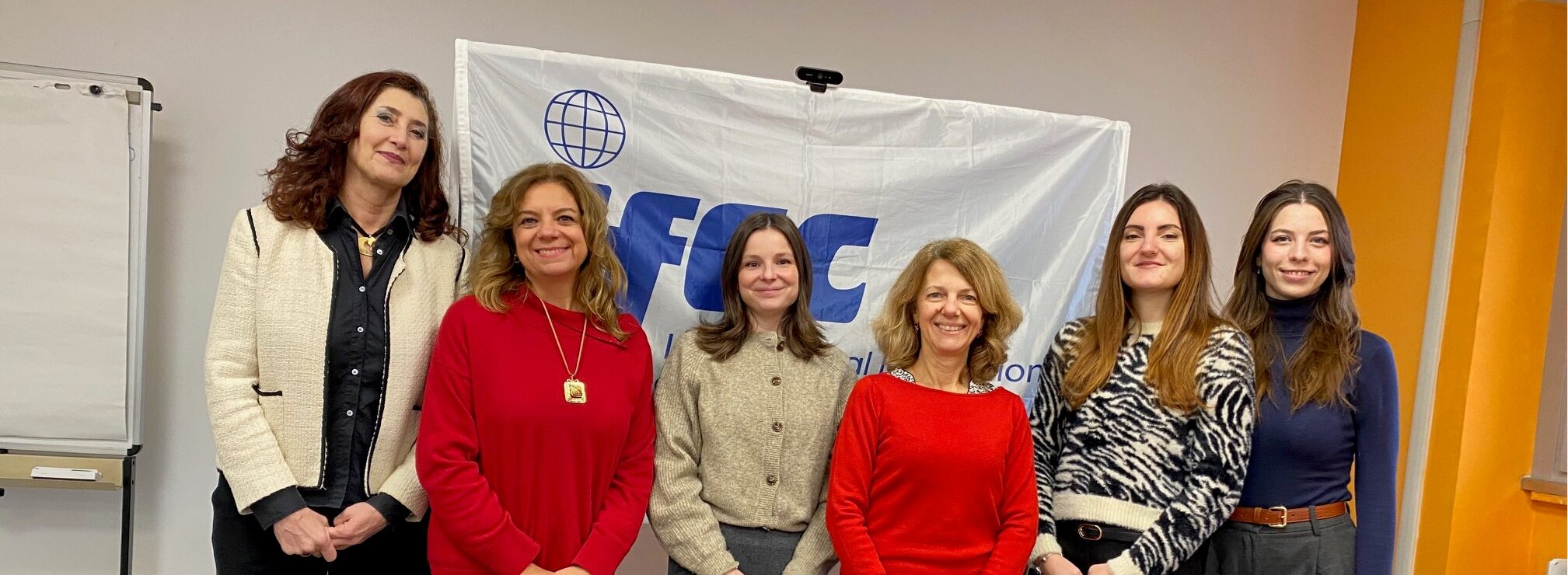
IFCC Membership
Full members
- Albania (AL) – ASoLaM
- Algeria (DZ) – SABC
- Argentina (AR) – CUBRA
- Armenia (AM) – AMLDS
- Australia and New Zealand (AU/NZ) – AACB
- Austria (AT) – ÖGLMKC
- Azerbaijan (AZ) – ASCLS
- Belgium (BE) – RBSLM
- Bolivia (BO) – SOBOBIOCLI
- Bosnia Herzegovina (BA) – AMBBIH
- Brazil (BR) – SBAC
- Brunei Darussalam (BN) – BAMLS
- Bulgaria (BG) – BSCL
- Burundi (BI) – ANTEBBU
- Cameroon (CM) CSBC
- Canada (CA) – CSCC
- Chile (CL) – SCHQC
- China (Beijing) (CN) – CSLM
- China Region (Taipei) (TW) – CACB
- Colombia (CO) – CNB
- Croatia (HR) – HDMBLM
- Cuba (CU) – SCPC
- Cyprus (CY) – ACLCY
- Czech Republic (CZ) – CSKB
- Denmark (DK) – DSKB
- Dominican Republic (DO) – CODOBIO
- Ecuador (EC) – SEBIOCLI
- Egypt (EG) – EALQPS
- Estonia (EE) – ELMU
- Ethiopia (ET) – EMLA
- Finland (FI) – SKKY
- France (FR) – SFBC
- Georgia (GE) – GLMA
- Germany (DE) – DGKL
- Greece (GR) – GSCC-CB
- Guatemala (GT) – AQBG
- Hong Kong, China Region (HK) – HKSCC
- Hungary (HU) – MLDT
- Iceland (IS) – ISLM
- India (IN) – ACBI
- Indonesia (ID) – HKKI
- Iran (IR) – IAB
- Iraq (IQ) – ISMBG
- Ireland (IE) – ACBI
- Israel (IL) – ISCLS
- Italy (IT) – SIBioC
- Japan (JP) – JSCC
- Jordan (JO) – JSMLC
- Kenya (KE) – CCAK
- Korea (KR) – KSCC
- Kosovo (XK) – KACC
- Kuwait (KW) – KACB
- Latvia (LV) – LLSB
- Lebanon (LB) – SDBLB
- Libya (LY) – LACP
- Lithuania (LT) – LLMD
- Luxembourg (LU) – SLBC
- Malawi (MW) – MAMLS
- Malaysia (MY) – MACB
- Mauritania (MR) – SMBC
- Mexico (MX) – CMCLABC
- Moldova (MD) – AMLRM
- Montenegro (MNE) – MACC
- Morocco (MA) – SMCC
- Myanmar (MM) – MMTA
- Nepal (NP) – NAMLS
- Netherlands (NL) – NVKC
- Nigeria (NG) – ACCN
- North Macedonia (MK) – MSMBLM
- Norway (NO) – NSMB
- Pakistan (PK) – PSCP
- Palestine (PS) – PMTA
- Panama (PA) – CONALAC
- Paraguay (PY) – ABP
- Peru (PE) – AMPPC
- Philippines (PH) – PAMET
- Poland (PL) – PTDL
- Portugal (PT) – SPML
- Romania (RO) – RALM
- Russia (RU) – FLM
- Saudi Arabia (SA) – SSCC
- Senegal (SN) – 2SBC
- Serbia (SRB) – DMBS
- Singapore (SG) – SACB
- Slovak Republic (SK) – SSKB
- Slovenia (SI) – SZKKLM
- South Africa (ZA) – SAACB
- Spain (ES) – SEMEDLAB
- Sri Lanka (LK) – ACBSL
- Sudan (SD) – SSCB
- Sweden (SE) – SSCC
- Switzerland (CH) – SSCC
- Syrian Arab Republic (SY) – SCLA
- Thailand (TH) – TSCP
- Tunisia (TN) – STBC
- Türkiye (TR) – TBS
- Ukraine (UA) – ACCLMU
- United Arab Emirates (UAE) ECCS
- United Kingdom (UK) – ALM
- United States (US) – ADLM
- Uruguay (UY) – ABU
- Vietnam (VN) – VACB
- Zambia (ZM) – BSZ
- Zimbabwe (ZW) – ZACB
Corporate members
- Abbott Laboratories
- Agappe Diagnostics Ltd
- Arkray Inc.
- Autobio Diagnostics Co. Ltd.
- BD Diagnostics-Preanalytical Systems
- Beckman Coulter, Inc.
- Beijing Wantai Biological Pharmacy Enterprise Co. Ltd.
- Bio-Rad Laboratories
- BioMérieux
- Boditech Med Inc.
- The Binding Site Group Ltd.
- Controllab
- Diagnostica Stago
- DiaSys Diagnostic Systems Gmbh
- Et Healthcare Inc.
- Fujifilm Wako Pure Chemical Corporation
- Fujirebio-Europe
- Gentian As
- Getein Biotech Co., Ltd.
- Greiner Bio-One Gmbh
- Guangzhou Wondfo Biotech Co. Ltd.
- Helena Biosciencies Europe
- Hytest Ltd.
- Immunodiagnostic Systems
- Instand E.V.
- Instrumentation Laboratory
- I-Sens, Inc.
- Jiangsu Bioperfectus Technologies Co. Ltd.
- Labor Dr. Wisplinghoff
- Labor Team W Ag
- Lifotronic Technology Co. Ltd.
- Maccura Biotechnology Co., Ltd.
- MedicalSystem Biotechnology Co., Ltd.
- Medix Biochemica
- Menarini Diagnostics
- Mindray – Shenzhen Mindray Bio-Medical Electronics Co., Ltd.
- Nagase Diagnostics Co., Ltd.
- Nanjing Realmind Biotech Co., Ltd.
- Nittobo Medical Co. Ltd.
- PHC Europe B.V.
- Quality Consulting
- QuidelOrtho
- Radiometer Medical Aps
- Randox Laboratories Ltd.
- Roche Diagnostics Gmbh
- Sansure Biotech Inc
- Sebia S.A.
- Sentinel Ch Spa
- Shanghai Kehua-Bioengineering Co., Ltd.
- Shanghai Medconn Biotechnology Co., Ltd.
- Shenzhen Drawray Biotech Co. Ltd
- Shenzhen Reetoo Biotechnology Co. Ltd.
- Shenzhen Yhlo Biotech
- Siemens Healthineers
- Snibe Co., Ltd
- Stiftung Fuer Pathobiochemie Und Molekulare Diagnostik (SPMD-RfB)
- Sysmex Europe Gmbh
- Technogenetics
- The Binding Site Group Ltd.
- Tosoh Corporation
- URIT
- Wondfo Biotech Co., Ltd.
- Zybio Inc.
Affiliate Members
- Algeria (DZ) – SABGM
- Argentina (AR) – FBA
- Armenia (AM) – AALM
- Botswana (BW) – BICLP
- Brazil (BR) – SBPC/ML
- China (CN) – LMC
- France (FR) – LABAC
- India (IN): ACCLMP, AMBI and AMU
- Iran (IR) – IACLD
- Jordan (JO) – MTLS
- Kazakhstan (KZ) – FLM
- Korea (KR) – KSLM
- Mexico (MX): CONAQUIC A.C., CONQUILAB, FEMPACML and FENACQC
- Nepal (NP) – NACC
- Philippines (PH) – PCQACL
- Romania (RO) – OBBCSSR
- Serbia (RS) – SCLM
- Spain (ES): SANAC
- Sri Lanka (LK) – CCPSL
- Tunisia (TN) – ATUTEB
- Türkiye (TR) – KBUD
- Ukraine (UA) – AQALM
- United Arab Emirates (UAE) – UAEGDA
Regional Federations
- Arab Federation of Clinical Biology (AFCB)
- African Federation of Clinical Chemistry (AFCC)
- Asia-Pacific Federation for Clinical Biochemistry and Laboratory Medicine (APFCB)
- European Federation of Clinical Chemistry and Laboratory Medicine (EFLM)
- Latin America Confederation of Clinical Biochemistry (COLABIOCLI)
- North American Federation of Clinical Chemistry and Laboratory Medicine (NAFCC)
Publisher
The Communications and Publications Division publishes ten editions of the e-News per year, including two double issues.
Editor
Head of the Department of Biochemistry Naval and Veterans Hospital
Athens – Greece
E-mail: enews@ifcc.org
The eNews is distributed to all IFCC members registered on-line to receive it and to all IFCC sponsors.
Deadlines for submissions to the eNews
N° 3 – March: by mid-February
N° 4 – April: by mid-March
N° 5 – May: by mid-April
N° 6 – June: by mid-May
N° 7/8 – July/August: by mid-June
N° 9 – September: by mid-August
N° 10 – October: by mid-September
N° 11 – November: by mid-October
N° 12 – December: by mid-November
If you want to submit an article or advertisement to be published in the eNews, send it to: enews@ifcc.org
Copyright © 2026 IFCC. All rights reserved. Contents may not be reproduced without the prior permission of the Communications and Publications Division (CPD) of the IFCC.