
Marilena Stamouli,
eNews Editor
Editorial
Message from the eNews Editor
Dear colleagues,
I hope you have started enjoying the summer season, taking some time to recharge your batteries, and spend some quality time with your family and friends. I wish to all of you a lovely and restful summer time.
In her message published in this issue, our President, Prof. Tomris Ozben, gives us valuable information about important meetings and scientific events she has attended, and invites us to forthcoming scientific events, such as the 8th Congress of the African Federation of Clinical Chemistry, which will be held from July 16 to 17 in Kenya, the 2026 ADLM Annual Meeting which will be held from July 26 to 30 in Anaheim, California, USA, and the XXVII IFCC WorldLab Congress, which will be held in New Delhi, India, from October 25 to 29, 2026.
In this issue you can read interesting news form the IFCC Visiting Lecturer Programme, the IFCC Professional Scientific Exchange Programme, the IFCC Emerging Technologies Division, the Committee on Mobile Health and Bioengineering in Laboratory Medicine, the IFCC Committee on Emerging Technologies in Pediatric Laboratory Medicine and the IFCC Task Force on Ethics, which highlight their exceptional commitment to collaboration, expertise, innovation and the advance of laboratory medicine worldwide. News from the National Societies of Nepal, Romania and Pakistan reflect their commitment to team work, quality, collaboration and to promoting the role of laboratory medicine in healthcare. News from the IFCC Global Medlab Week 2026, which demonstrated remarkable global engagement, reflect the growing strength, visibility, and impact of our profession worldwide.
News from our Comporate Members are also included in this issue. To this end, you can meet Colleen Strain PhD, Corporate Representative for Communications and Publications Division.
You can also read about integrated clinical care teams awarded with the UNIVANTS Healthcare Excellence Award, who achived better outcomes for patients and their work highlights the broader value of laboratory medicine, in guiding clinical care and supporting sustainable healthcare delivery.
We extend our warm welcome to our new Corporate Members, namely Getein Biotech Co., Ltd. and Shanghai Medconn Biotechnology Co., Ltd., and we look forward to working together with them to further advance clinical chemistry and laboratory medicine worldwide.
The IFCC WorldLab New Delhi 2026 is the largest event dedicated to laboratory medicine, bringing together health professionals and industry partners to share knowledge, highlight achievements and innovations, and build meaningful collaborations. Over five days, participants will engage with a comprehensive scientific programme that spans the full spectrum of laboratory medicine, featuring a variety of sessions designed to suit different interests and professional needs, in one of the world’s most dynamic centers for innovation, biomedical research, digital health and healthcare entrepreneurship. We eagerly anticipate our gathering in New Delhi at IFCC WorldLab 2026, and hope to meet you there !
Marilena Stamouli
The voice of IFCC
IFCC President’s Message
July- August 2026
By Tomris Ozben
Prof. Tomris Ozben
EuSpLM, Ph.D.
Dear Colleagues, Dear Friends,
I would like to begin by expressing my sincere gratitude to all of you for the remarkable work accomplished during the first half of this year. Throughout these months, we have witnessed an extraordinary commitment to collaboration, strengthened partnerships, and continued progress in advancing laboratory medicine worldwide. Your dedication, enthusiasm, and professionalism are deeply appreciated and represent the driving force behind the success of our Federation.
As we approach the summer season, I would like to extend my warmest wishes to each of you. May this be a time to relax, enjoy precious moments with your family and friends, and return refreshed, energized, and ready to embrace new opportunities, challenges, and achievements together. I know that many of you will continue working during the holiday period. Remaining active can be personally rewarding, contributing to healthy ageing, mental well-being, and a balanced lifestyle. Whatever your plans, I hope you find time to recharge and enjoy the season.
June has been another productive month for IFCC. On 17 June, the IFCC Executive Board met virtually for a highly productive meeting. We discussed a wide range of organizational matters and continued our preparations for the XXVII IFCC WorldLab Congress, which will take place in New Delhi from 25–29 October 2026. Our discussions reinforced our commitment to delivering another outstanding global gathering for the international laboratory medicine community.
From 28 June to 1 July 2026, the Brazilian Society of Clinical Analysis (SBAC) organized the 51st Brazilian Congress of Clinical Analysis in Rio de Janeiro. I would like to express my sincere appreciation to Dr. Maria Elizabeth Menezes, President of the SBAC, together with the Organizing and Scientific Committees, for their kind invitation and warm hospitality.
The Brazilian Congress of Clinical Analysis is one of the largest scientific events in laboratory medicine in Latin America, bringing together more than 4,000 laboratory professionals, clinicians, researchers, educators, industry leaders, and students from Brazil and around the world. In addition to its outstanding scientific programme and a large exhibition, the congress provided an excellent opportunity for networking, collaboration, and the exchange of knowledge among colleagues from diverse professional and geographical backgrounds.
On 29 June, I had the honour of delivering the IFCC Presidential Welcome Address during the Opening Ceremony. I also presented two lectures entitled “Clinical Applications of Oncological Biomarkers: Diagnosis, Prognosis and Treatment Monitoring” and “Shaping the Future of Laboratory Medicine: Current Innovations, Challenges, and Emerging Trends.”
The congress once again demonstrated the strength, vitality, and innovative spirit of our profession. The extensive exhibition organized by the IVD industry showcased cutting-edge technologies and the latest developments that are shaping the future of laboratory medicine.
I also had the opportunity to visit the laboratories of the National Quality Control Program (PNCQ), one of two largest providers of proficiency testing in Latin America. Founded in 1976 by Dr. José Abol Correia, PNCQ has made an outstanding contribution to improving laboratory quality and patient safety throughout the region.
I also visited the Controllab laboratories, another quality assurance organization and an IFCC Corporate member, established in 1977. Controllab provides high-quality and reliable services that are recognized nationally and internationally across several sectors, including clinical laboratories, blood banks, veterinary medicine, microbiology, and physical-chemical testing of medicines, food, sanitizers, water, effluents, fuels, and many other products, serving both healthcare institutions and industry.
The IFCC Regional Federation, the African Federation of Clinical Chemistry will organize its 8th Congress jointly with the 4th Clinical Chemists Association of Kenya (CCAK) Conference on 16–17, July 2026, at the Nairobi Hospital Convention Centre in Kenya.
This joint meeting represents an important milestone for the Clinical Chemistry and Laboratory Medicine community in Africa, bringing together two closely connected scientific events that reflect the growing strength, visibility, and impact of our discipline across the region.
On behalf of the International Federation of Clinical Chemistry and Laboratory Medicine, I would like to extend my sincere appreciation to the Organizing Committee, the African Federation of Clinical Chemistry, the Clinical Chemists Association of Kenya, and all collaborating partners for their commitment and excellent work in preparing this important scientific gathering.
The focus on Clinical Chemistry and Molecular Diagnostics is particularly timely, as our field continues to evolve rapidly through technological innovation, data integration, and advances in diagnostic science. Meetings such as this are essential for translating these developments into improved patient care and stronger healthcare systems.
I wish all the participants a successful and productive Congress providing valuable opportunities to exchange ideas with colleagues from across Africa and beyond, while strengthening collaboration within our global professional community.
The 2026 ADLM Annual Meeting will be held from July 26–30, 2026, in Anaheim, California, USA. It has become a valued tradition for the IFCC and ADLM Executive Boards to organize a Leadership Meeting during the Congress. The next Leadership Meeting will take place on Tuesday, July 28, 2026 providing an opportunity for both organizations to exchange updates and discuss areas of mutual collaboration.
Once again, I warmly invite all of you to join us at the XXVII IFCC WorldLab Congress, to be held in New Delhi, India, from 25–29 October 2026. Hosted by the Association of Clinical Biochemists of India (ACBI), WorldLab 2026 is expected to attract thousands of participants from all six IFCC Regional Federations, making it one of the world’s most influential scientific events in laboratory medicine.
The Congress will bring together laboratory professionals, clinicians, researchers, healthcare leaders, industry partners, and policymakers from around the globe, providing an exceptional platform for scientific exchange, education, innovation, and international collaboration.
New Delhi will not simply host the next WorldLab Congress, it will become a global meeting place where the future of healthcare and laboratory medicine will be discussed and shaped. WorldLab 2026 is much more than a scientific congress. It represents a unique opportunity to exchange ideas, discover emerging technologies, establish new collaborations, and contribute to defining the future of our profession.
As the global organization representing laboratory medicine, IFCC continues to provide a unique platform where science, education, innovation, industry, public health institutions, and healthcare leaders work together to address healthcare challenges that extend beyond national borders. Through its worldwide network of Regional Federations, Divisions, Committees, Task Forces, and Working Groups, IFCC remains the leading international voice for laboratory medicine, promoting excellence, harmonization, education, innovation, and ultimately improving patient care worldwide.
I am pleased to inform you that visa arrangements have been carefully coordinated by the Professional Congress Organizer, MZ Events, in close collaboration with the local authorities, ensuring smooth participation for exhibitors, IVD industry partners, and international delegates. I would also like to remind you that the deadline for early-bird registration is 15 July 2026.
I am equally delighted to report that an impressive number of abstracts has been submitted from 77 countries, demonstrating the truly global reach and scientific strength of WorldLab 2026. My sincere thanks go to all members of the Abstract Review Committee for completing the review process promptly and professionally, including the evaluation of abstracts submitted by young scientists.
The timely completion of the abstract review process now enables eligible young colleagues to apply for the IFCC Young Scientists Scholarships to participate in both the Young Scientists FORUM and WorldLab 2026. Supporting the next generation of laboratory medicine professionals remains one of IFCC’s highest priorities, and I strongly encourage all eligible young scientists to take advantage of these valuable opportunities.
As we move forward together, let us continue building bridges across disciplines, countries, and cultures, united by our shared commitment to excellence in laboratory medicine. The challenges we face also present opportunities for innovation, collaboration, and meaningful contributions to improving patient care across the world.
I wish you and your families a wonderful summer. I look forward to continuing our journey together with renewed energy, fresh ideas, and an unwavering commitment to advancing laboratory medicine for the benefit of patients everywhere.
With my very best regards,
Tomris Ozben
IFCC President
One Health Summit 2026 from fragmented medicine toward an integrated ecosystem
By: Bernard Gouget (FR), Damien Gruson (BE), Swarup Shah (IN), Serafeim Karathanos (GR), Yan Liu (CN), Sven Ebert (CH), IFCC Emerging Technologies Division-Executive Committee, and James Nichols (US), Chair IFCC C-MHBLM; Laila Abdel-Wareth (UAE), Anirban Ganguly (IN), Jani Rytkonen (FI), and Ebru Saatci (TR), members C-MHBLM
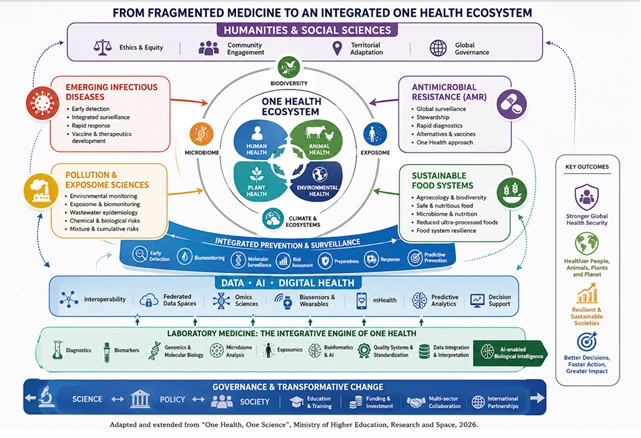
The One Health Summit 2026 (April 6-7, Lyon France), recently held in Lyon marked a major scientific milestone in the evolution of global health governance. Bringing together heads of state, international organizations, major research institutions, public health agencies, and more than 300 international experts, the summit confirmed the emergence of One Health as a new operational framework designed to address the interconnected health challenges of the 21st century. Far beyond a conceptual vision, One Health proposes an integrated ecosystem linking human, animal, plant, and environmental health through four major strategic pillars: emerging infectious diseases, antimicrobial resistance (AMR), pollution and exposome sciences, and sustainable food systems. Supported by interoperable data infrastructures, artificial intelligence, multisectoral governance, and social sciences, this new framework aims to transform fragmented and reactive approaches into integrated predictive prevention strategies capable of strengthening global resilience. In this rapidly evolving scientific landscape, laboratory medicine progressively emerges as one of the key pillars of future global health intelligence. Through its expertise in diagnostics, biomarkers, omics sciences, digital medicine, data interoperability, and artificial intelligence, the IFCC and particularly the IFCC Emerging Technologies Division Executive Committee, could naturally position themselves among the driving scientific forces supporting the operational deployment of One Health worldwide.
Antimicrobial resistance (AMR) emerged as one of the major concerns throughout the summit. Repeatedly described as a “silent pandemic,” AMR is now recognized as a growing threat to the foundations of modern medicine and global health security. Experts emphasized that antimicrobial resistance can no longer be viewed solely through the prism of hospital medicine, as it involves complex interactions between human and veterinary medicine, agriculture, aquaculture, food systems, environmental contamination, and wastewater ecosystems. The summit advocated a profound transformation of current AMR strategies through integrated One Health approaches combining global harmonization of surveillance systems, interoperable laboratory networks, antimicrobial stewardship, rapid diagnostics, AI-driven epidemiological surveillance, reduction of inappropriate antimicrobial use in agriculture, and development of vaccines and alternative therapeutics. The discussions also highlighted the central role that laboratory medicine will play in future AMR control strategies through molecular diagnostics, microbiology, genomic surveillance, rapid susceptibility testing, and harmonized biological data systems.
One of the most innovative scientific dimensions of the summit concerned pollution sciences and the rapid emergence of exposome biology within the One Health framework. The discussions highlighted that environmental pollution has become a major determinant of global health. Chemical pollutants, plastics, endocrine disruptors, pesticides, nanomaterials, and biological contaminants are now recognized as interconnected drivers affecting ecosystems, biodiversity, microbiomes, and human diseases. The concept of the exposome, describing the cumulative environmental exposures experienced throughout life, occupied a central place in the scientific debates. Experts advocated for the development of global exposome frameworks supported by harmonized environmental biomonitoring systems, wastewater-based epidemiology, interoperable environmental databases, AI-assisted exposure modelling, and integrated chemical and biological surveillance infrastructures. The summit also emphasized the importance of understanding cumulative risks, long-term exposures, pollutant mixtures, and microbiome interactions. Altogether, these developments considerably expand the future role of laboratory medicine toward environmental diagnostics, exposome sciences, systems biology, and predictive prevention.
Another major evolution highlighted during the summit was the growing integration of food systems into the One Health framework. Experts emphasized that agriculture, nutrition, biodiversity, environmental sustainability, and chronic diseases are now deeply interconnected. Current food systems simultaneously influence metabolic diseases, obesity, food contamination, microbiome alterations, biodiversity loss, antimicrobial resistance, and environmental degradation. The summit advocated a profound transformation of food systems through agroecological models, territorial food governance, microbiome sciences, biodiversity preservation, healthier nutrition strategies, reduction of ultra-processed food exposure, and integrated nutritional and toxicological risk assessment approaches. Among the most innovative perspectives discussed during the conference was the creation of global microbiome observatories and integrated food-health-environment monitoring systems, reinforcing the growing links between nutrition sciences, environmental health, and predictive prevention.
One of the strongest transversal conclusions of the summit concerned the strategic role of data convergence and artificial intelligence within future One Health systems. The recommendations repeatedly emphasized that effective One Health implementation will require interoperable digital infrastructures capable of connecting biological, environmental, veterinary, epidemiological, genomic, and socio-economic datasets. The summit advocated the development of federated data architectures, shared metadata standards, interoperable vocabularies, AI-supported predictive analytics, integrated cross-sector indicators, and pilot projects combining environmental, animal, and human health data. Artificial intelligence was presented not simply as a technological innovation, but as a transformative tool capable of converting fragmented datasets into actionable knowledge for prevention, preparedness, predictive surveillance, and global health resilience.
The One Health Summit 2026 clearly opens a major strategic opportunity for the IFCC to reinforce its role within the evolving global health ecosystem. Many of the scientific priorities highlighted during the summit directly intersect with areas where IFCC already possesses internationally recognized expertise, including laboratory harmonization, biological standardization, quality systems, biomarkers, omics technologies, molecular diagnostics, digital health, big data, artificial intelligence, decentralized diagnostics, and predictive medicine.
Within IFCC, the IFCC Emerging Technologies Division Executive Committee appears particularly well positioned to become one of the driving innovation forces supporting the operational deployment of One Health strategies. The ETD already works at the interface of artificial intelligence, biosensors and wearable technologies, mobile health, integrated diagnostics, connected laboratory systems, predictive analytics, digital medicine, and interoperable data infrastructures. These competencies strongly align with the scientific priorities repeatedly emphasized throughout the summit and position laboratory medicine as an essential contributor to future integrated surveillance, predictive prevention, environmental health monitoring, and global health intelligence systems.
The One Health Summit 2026 clearly demonstrated that laboratory medicine is entering a new strategic era. Tomorrow’s laboratories will not only support diagnosis and therapeutic monitoring, but will increasingly contribute to global surveillance, predictive prevention, environmental health monitoring, and AI-driven public health infrastructures. In this rapidly evolving landscape, the IFCC ETD has a unique opportunity to position itself as a major innovation driver within the IFCC and to help integrate One Health into the federation’s future scientific strategy. Potential initiatives could include the creation of an IFCC One Health functional unit or Task Force, development of a strategic white paper, dedicated webinars and symposia, integration of One Health topics into IFCC congresses, collaborations with WHO, WOAH, FAO, UNEP and international research networks; pilot projects focused on AI-driven surveillance, development of integrated exposome biomarker programs, contribution to interoperable data ecosystems. By embracing this vision, the IFCC ETD EC and C-MHBLM could help position IFCC at the crossroads of laboratory medicine, digital health, environmental sciences, and global prevention, reinforcing its scientific visibility, attracting new interdisciplinary collaborations, and contributing actively to the construction of the next generation of global health systems.
IFCC Visiting Lecturer Programme: my participation in the 6th Congress of the Nepalese Association of Clinical Chemistry (NACC), 30 May 2026
By: Dr Orland Diez Gibert
Chair of the Committee on Clinical Molecular Biology Curriculum (C-CMBC), International Federation of Clinical Chemistry and Laboratory Medicine (IFCC), Expert Consultant to the Genetics Commission, Spanish Society of Laboratory Medicine (SEMEDLAB)
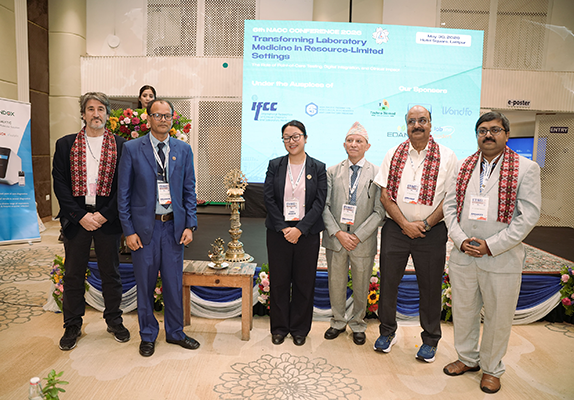
I would like to express my sincere gratitude to the IFCC and to Professor Sedef Yenice, Chair of the EMD Visiting Lecturer Programme, for supporting my participation as a Visiting Lecturer in the 6th Congress of the Nepalese Association of Clinical Chemistry (NACC), held on 30 May 2026 at the Hotel Square, Lalitpur, Kathmandu.
The Congress was entitled “Transforming Laboratory Medicine in Resource-Limited Settings: The Role of Point-of-Care Testing, Digital Integration, and Clinical Impact”. These are emerging topics that may have great interest in laboratory medicine, especially in low- and middle-income countries (LMICs) such as Nepal.
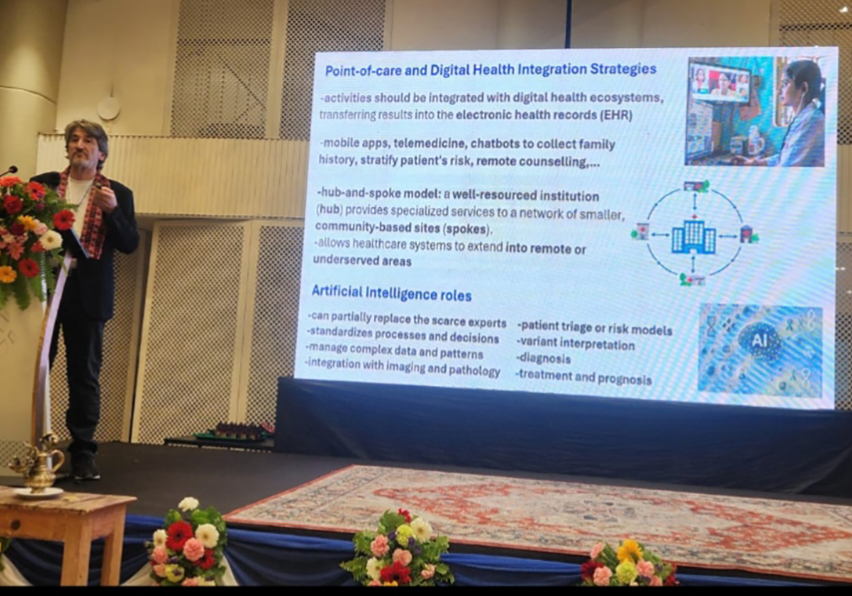
In my presentation, entitled “Genetic testing for Hereditary Cancer in Resource-Limited Settings: POCT, digital integration, clinical impact” I spoke about hereditary cancer, a topic sometimes unknown or underestimated in oncology, but which is very relevant as it affects young people and where there is the possibility of taking preventive action thanks to genetic testing.
I briefly described the clinical and laboratory aspects and the subsequent genetic counselling, by showing how to adapt them to LMICs, and how to prioritize and optimize them in a cost-effective way. Among the points discussed were the need for training of professionals, the incorporation of POCT techniques or portable NGS systems, the focus on the most prevalent syndromes and the promotion of cascade testing, the etablishment of hub-and-spoke models using digital and telehealth technologies and the integration of data in national registries, as well as the offering of appropriate genetic counselling, culturally adapted and gender-sensitive, ensuring individual’s autonomy of patients, privacy, and confidentiality. Using predictive genetic tests and screening, and/or risk reducing interventions can contribute to a greater clinical impact, by decreasing late diagnosis rate, that is higher in LIMCs than in high income countries, and by improving patient outcomes.
The remaining plenary sessions addressed topics such as Rapid Molecular Diagnostics, the role of non-coding RNAs and ncRNA-encoded micropeptides in diagnostics and therapeutics, AI applications in the clinical biochemistry laboratory, and Digital Infrastructure and POCT in the laboratory. The scientific program also included several presentations by commercial companies and short oral presentations, and a parallel session of poster presentations.
In the congress and during my stay in Kathmandu I could also meet with the Secretary of the NACC to talk about the organization of a course that my committee, the Clinical Molecular Biology Curriculum (C-CMBC), will offer at the University of Kathmandu next October with the kind collaboration of the NACC.
IFCC Global Medlab Week 2026: Strengthening the Global Voice of Laboratory Medicine

By: Dr. Maria del Carmen Pasquel-Moxley (Ecuador/USA),
Chair of the IFCC Committee on Public Relations (C-PR) and Chair of IFCC Global MedLab Week 2026
The International Federation of Clinical Chemistry and Laboratory Medicine (IFCC) successfully celebrated Global MedLab Week (GMLW) 2026, further strengthening the visibility, recognition, and global impact of laboratory medicine through scientific communication, education, collaboration, and professional engagement.
Since its launch in 2022, Global MedLab Week has evolved from an awareness initiative into a worldwide movement connecting laboratory professionals, scientific societies, universities, healthcare institutions, young scientists, patients, and communities across all IFCC regions. The 2026 theme, “A Day at the Lab,” invited participants to showcase the people, experiences, innovations, and contributions that define laboratory medicine and support healthcare systems worldwide.
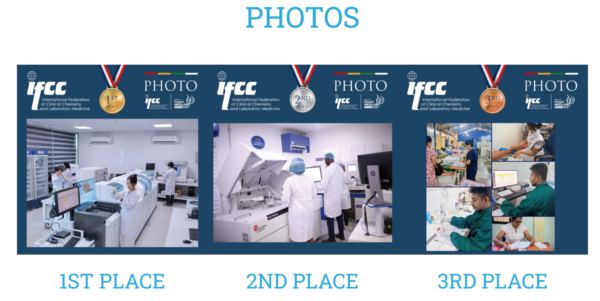
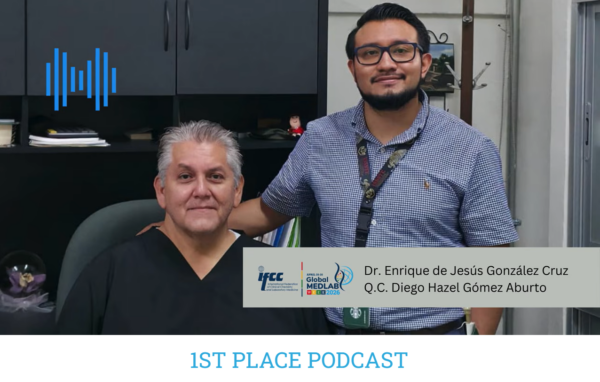
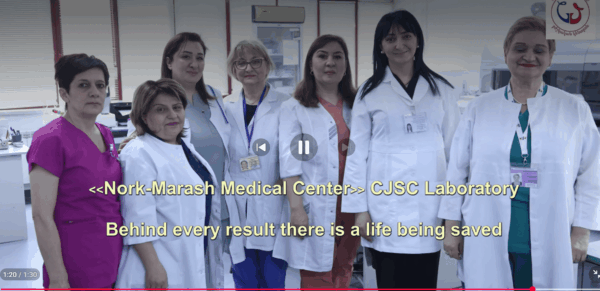
Preliminary reports demonstrate remarkable global engagement. A total of 41 countries representing all IFCC regional federations participated in GMLW 2026. The initiative received more than 465 global contributions, including videos, podcasts, photographs, institutional greetings, and educational materials. These submissions reflected scientific excellence, innovation, teamwork, diversity, and a shared commitment to patient-centered care.
The outstanding quality of the contributions demonstrated not only the technical excellence of laboratory professionals but also their creativity, leadership, compassion, and commitment to improving health outcomes worldwide. To explore the international winning videos, podcasts, photographs, featured submissions, and additional Global MedLab Week activities, readers are invited to visit the official Global MedLab Week website at www.gmlw.org and follow the official GMLW and IFCC social media platforms for continuing updates and resources.
Participation extended across all IFCC regional federations, including the Asia-Pacific Federation for Clinical Biochemistry and Laboratory Medicine (APFCB), the Latin American Confederation of Clinical Biochemistry (COLABIOCLI), the African Federation of Clinical Chemistry (AFCC), the Arab Federation of Clinical Biology (AFCB), the European Federation of Clinical Chemistry and Laboratory Medicine (EFLM), and the North American Federation of Clinical Chemistry and Laboratory Medicine (NAFCC).
Particularly noteworthy was the exceptional engagement of COLABIOCLI member countries, achieving full regional participation and demonstrating the strong commitment of Latin American laboratory professionals to this global initiative. Significant contributions from Africa, Asia-Pacific, Europe, the Arab region, and North America further confirmed the expanding international reach and growing influence of Global MedLab Week.
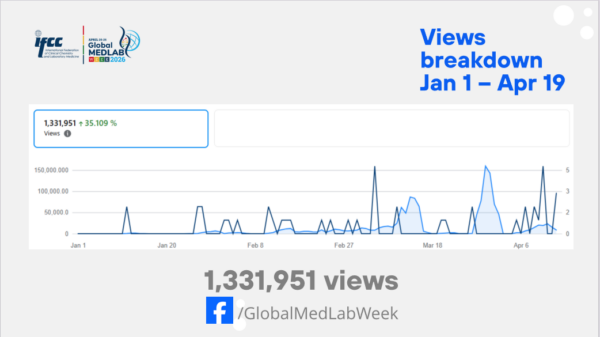
One of the most significant achievements of GMLW 2026 was its digital impact. Through social media campaigns, webinars, podcasts, educational activities, and international competitions, the initiative generated more than 1.3 million views and surpassed 50,000 followers worldwide, creating unprecedented opportunities to communicate the value of laboratory medicine to healthcare professionals, policymakers, and the public.
The initiative also highlighted the broad scope of laboratory medicine. Submissions showcased clinical chemistry, hematology, microbiology, molecular diagnostics, genetics, point-of-care testing, precision medicine, quality systems, laboratory leadership, and patient-centered healthcare initiatives. Hospitals, universities, scientific societies, and community organizations shared real-world experiences illustrating how laboratory medicine contributes to disease prevention, diagnosis, treatment monitoring, outbreak surveillance, maternal and child health, and healthcare delivery in underserved populations.
An equally important outcome was the active participation of young professionals. IFCC Young Scientists and regional young scientist groups played a key role in promoting GMLW through social media, webinars, educational initiatives, and digital communication. Their enthusiasm, creativity, and leadership significantly contributed to the growth and visibility of the program.
Multilingual international surveys conducted during GMLW 2026 provided valuable insights into awareness, participation patterns, communication preferences, and perceptions regarding the role and visibility of laboratory medicine. Preliminary findings indicate that participants overwhelmingly recognize GMLW as an effective platform for increasing awareness, strengthening professional identity, fostering collaboration, and enhancing public understanding of laboratory medicine.
As Global MedLab Week enters its fifth year, its success demonstrates the power of strategic communication in advancing laboratory medicine. More importantly, it confirms that laboratory professionals across the world share a common mission: improving health through science, quality, innovation, and collaboration.
Global MedLab Week is no longer simply a celebration. It is a global movement that gives visibility to the people behind laboratory medicine and highlights their indispensable contribution to healthcare systems worldwide.
Behind every laboratory result, there is a patient. Behind every diagnosis, there is a laboratory professional. And behind every healthier future, there is a global laboratory community working together to make a difference.
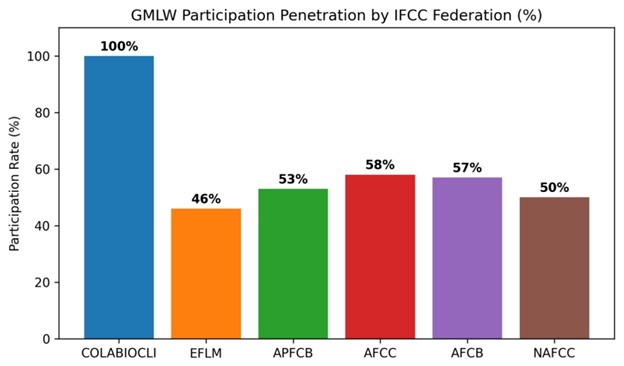
The percentage of participation of each IFCC regional Federation was determined by considering the number of countries participating in the IFCC-GMLW 2026 with respect to the total number of countries that make up each federation, according to the official regional structure of the IFCC.
“Behind every laboratory result, there is a patient. Behind every diagnosis, there is a laboratory professional. And behind every healthier future, there is a global laboratory community working together to make a difference.”
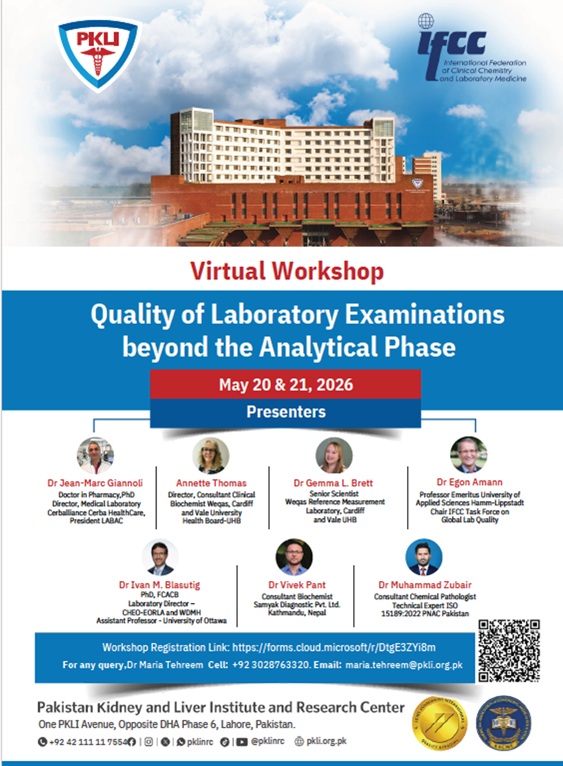
Quality of Laboratory Examinations beyond the Analytical Phase A Virtual Workshop held in Lahore, Pakistan
By: Muhammad Zubair, IFCC Committee on Kidney Disease (C-KD) Corresponding Member
Egon Amann, IFCC Task Force on Global Lab Quality (TF-GLQ) Chair
We like to inform the IFCC community that on May 20 & 21, 2026, a Virtual Workshop entitled “Quality of Laboratory Examinations beyond the Analytical Phase” took place in Lahore, Pakistan.
Dr. Muhammad Zubair, Consultant Chemical Pathologist, at the Pakistan Kidney and Liver Institute and Research Center (PKLI & RC), contacted Prof. Dr. Egon Amann, Chair of the IFCC Task Force on Global Lab Quality (TF-GLQ), to suggest that the TF-GLQ specialists serve as faculty to contribute to this workshop together with PKLI & RC. The workshop details were subsequently jointly planned and the workshop finally took place under the auspices of the IFCC.
On Day 1 the following sessions were held:
- Opening remarks & Workshop Objectives (Muhammad Zubair, Egon Amann)
- Improving Medical Laboratory Quality Efficiency: IFCC initiatives and practical applications of new guidelines (Egon Amann)
- ISO15189:2022 and the Laboratory Accreditation Process in Pakistan (Muhammad Zubair)
- Risk-Based IQC (Jean-Marc Giannoli)
- Best Practices in EQA design – fulfilling the clinical need, identifying errors and mitigating patient risk (Annette Thomas)
On Day 2 the subsequent sessions were held:
- Verification of examination methods (Ivan Blasutig)
- Metrological traceability in the Clinical Laboratory (Gemma Brett)
- Measurement of Uncertainty in Laboratory Medicine (Vivek Pant)
- Closing remarks (Egon Amann, Muhammad Zubair)
The workshop attracted an extraordinary level of interest from the laboratory medicine community. More than 600 participants registered for this activity, reflecting the immense hunger for quality-focused education among laboratory professionals in Pakistan and the surrounding region. On each day of the workshop, approximately 100 participants attended in real time (limit was the ZOOM allowance), actively engaging with the sessions. This remarkable level of subscription underscores the timeliness and relevance of the topics covered.
Following the event, PDF versions of all presentation slides were shared with all registered participants, ensuring that the educational benefit extended well beyond the live sessions.
It is worth noting that technically the workshop went vey well. Q&A sessions after each presentation, and live-Chats during the presentations were considered instrumental and well received by the attendees. Certificates of attendance are being issued.
Pakistan’s laboratory medicine landscape is at a pivotal moment of transformation. Over the past several years, there has been a concerted national effort to align clinical laboratory practices with international quality standards, most notably through the adoption of ISO 15189:2022, the internationally recognized standard for quality and competence in medical laboratories. As a Consultant Chemical Pathologist and Technical Expert with PNAC (Pakistan National Accreditation Council) during ISO 15189:2022 laboratory audits, Muhammad Zubair has had the privilege of witnessing and contributing to this evolution first-hand.
These efforts have laid the foundation for a culture of quality within Pakistani laboratories. This virtual workshop was a natural extension of that ongoing journey.
Despite significant progress in the analytical domain, there has historically been less focus on the pre-analytical and post-analytical phases of laboratory testing in Pakistan’s clinical laboratory community. This workshop was therefore designed to address precisely those gaps — the quality framework, risk management, measurement integrity, and metrological traceability that together ensure laboratory results are clinically meaningful and safe for patient care.
The discussions during and after the sessions were intellectually stimulating and highly practical. Participants raised questions that spanned from theoretical concepts to the real-world challenges of implementing quality systems in resource-constrained laboratory environments — a concern particularly relevant for smaller private and public laboratories in Pakistan. The faculty engaged with these questions thoughtfully, providing guidance that was immediately actionable.
The virtual format of the workshop, while necessitated partly by logistical considerations, proved to be an enormous strength. It broke down geographical barriers, enabling participation from laboratory professionals in cities and towns across Pakistan who would not otherwise have had access to this level of international expertise. This model of virtual education delivery deserves to be replicated and expanded.
The workshop thus reflected our shared commitment to advancing the quality of laboratory medicine not only within Pakistan but across the broader South Asian region.
The authors thank the members of the TF-GLQ, Gemma Brett from WEQAS, Päivi Laitinen, Chair of the IFCC Congress and Conferences Committee (C-CC), for making the workshop possible, and to all presenters for their excellent presentations. What a great success to have presentations across five different times zones; all well synchronized!
The Global Conversation Shaping the Future of Laboratory Medicine and Healthcare
IFCC WorldLab New Delhi 2026
27th International Congress of Clinical Chemistry and Laboratory Medicine
52nd Congress of Association of Clinical Biochemists of India
Tomris Ozben 1,2,3, Rajiv Ranjan Sinha3, Indu Verma4, Praveen Sharma5, Pradeep Dabla6 and Bernard Gouget7,8
1IFCC President; 2Worldlab New Delhi 2026 President; 3Co-Chair IFCC WorldLab Congress 2026 – New Delhi; 4ACBI President; 5SPC Co-Chair WorldLab New Delhi 2026; 6SPC Member; 7ETD EC Secretary; 8Former TF-History Co-chair.
The 27th International Congress of Clinical Chemistry and Laboratory Medicine (IFCC WorldLab New Delhi 2026) organized by the IFCC, the world’s most influential congress in laboratory medicine will be hosted by the Association of Clinical Biochemists of India (ACBI) in the vibrant city of New Delhi, India. The Congress will be held in the India’s largest International Convention and Exhibition Center (IICC), located in Dwarka, New Delhi, 10 km from Indira Gandhi International airport and Aerocity. Metro station is located inside the exhibition complex connecting IICC to the Airport, Aerocity hotels and central New Delhi. 3500 hotel rooms are available within the IICC complex and 3600 rooms in the adjacent Aerocity. We look forward to welcoming you to this distinguished gathering of experts, fostering scientific exchange, innovation, and collaboration in laboratory medicine.
As a global federation, IFCC plays a central role in fostering collaboration across regions, disciplines, and professional communities to support high-quality laboratory services worldwide. International cooperation and the sharing of best practices are essential drivers of quality, harmonization, and innovation in laboratory medicine. Through its Divisions, Task Forces, Committees and Working Groups, IFCC promotes coordinated scientific activities, knowledge exchange, and strategic initiatives aimed at strengthening laboratory medicine worldwide. These collective efforts support scientific advancement, enhance education and training, and contribute to building a strong global professional network.
The decision to choose IFCC WorldLab 2026 (25-29. October 2026) in New Delhi reflects a strategic vision at a time when healthcare is being transformed by digital technologies, artificial intelligence, precision medicine and new models of care delivery. New Delhi offers a uniquely relevant environment in which to explore these developments. As one of the world’s most dynamic centers for innovation, biomedical research, digital health and healthcare entrepreneurship, the city provides an ideal setting for a congress dedicated to the future of laboratory medicine.
Building upon decades of successful annual congresses organized by the Association of Clinical Biochemists of India (ACBI) (see below list*) which have fostered scientific exchange and professional development across the Indian subcontinent, while strengthening collaborations with IFCC, APFCB and WASPaLM, WorldLab Delhi 2026 represents a natural continuation of a long-standing commitment to scientific excellence and international cooperation.
A distinctive feature of WorldLab 2026 is the active contribution of every IFCC Regional Federation. Rather than presenting isolated regional perspectives, the programme creates a global dialogue where experiences from Africa, Asia-Pacific region, Europe, Latin America, North America and Arab Federation converge around common objectives: improving patient care, strengthening public health and accelerating innovation. Few scientific organizations can bring together such a diversity of expertise within a single scientific programme. This international engagement is reflected in the remarkable scientific response already received. Many abstracts have been submitted from 77 countries (more than 1300) and many more are expected till the deadline of June 20, 2026. Particularly encouraging is the strong participation from Africa, Europe, Middle East, Latin America and Asia, highlighting the growing role of laboratory medicine in supporting healthcare development, public health strategies and scientific capacity building across rapidly evolving healthcare systems.
Beyond the numbers, however, the true strength of WorldLab 2026 lies in the story told by its scientific programme. A common thread runs throughout the congress: the transition from data generation to clinical intelligence. Whether discussing artificial intelligence, advanced biomarkers, liquid biopsy, mass spectrometry, cybersecurity, newborn screening, antimicrobial resistance, integrative diagnostics or digital health ecosystems, the same question repeatedly emerges: how can laboratory medicine transform increasingly complex information into better decisions for patients, clinicians and healthcare systems? The programme illustrates how laboratory medicine is evolving into a central component of future healthcare. Advances in liquid biopsy, cell-free DNA technologies, multi-omics, neurodegenerative biomarkers, reproductive medicine and precision oncology are opening new perspectives for earlier diagnosis, individualized treatment and improved patient outcomes. At the same time, innovations in automation, digital connectivity and data science are redefining how laboratories interact with clinicians, healthcare institutions and public health authorities.
Another powerful message emerging from the programme is the convergence between precision medicine and population health. Technologies capable of characterizing disease at the molecular level now coexist with global initiatives addressing tuberculosis, antimicrobial resistance, diabetes, cardiovascular disease, newborn screening and One Health approaches. Together, these themes demonstrate that the future of healthcare will increasingly rely on the ability to integrate personalized medicine with public health strategies capable of benefiting entire populations. Importantly, technological innovation is consistently balanced by discussions on ethics, quality, metrological traceability, leadership, education and scientific integrity. The future laboratory will not be defined solely by technological performance but by its capacity to deliver trustworthy, clinically meaningful and actionable information.
The plenary lectures reinforce this vision. Topics ranging from tuberculosis diagnostics and cancer detection through cell-free DNA technologies to cardiovascular disease prevention, metrology in healthcare and the future impact of artificial intelligence and total laboratory automation highlight the expanding contribution of laboratory medicine to both clinical care and public health.
The IVD sector is central to the Congress, leading high-level educational workshops with eminent speakers and hosting a large-scale industrial exhibition. These activities provide a powerful platform to showcase innovations, launch new solutions, strengthen customer relationships, and gain insight into emerging clinical and market needs, particularly in fast-growing regions. The IFCC Executive Board recently approved additional benefits for IVD companies attending the WorldLab Delhi Congress. Details can be obtained from the Professional Congress Organizer (MZ Events).
Importantly, visa arrangements have been carefully planned and coordinated by MZ Events in close collaboration with local authorities, to ensure smooth participation for IVD companies, exhibitors, and all international participants. Approximately 2,000 delegates typically attend host society meetings, and attendance is expected to increase further with the involvement of three Indian IFCC-affiliated societies.
Reduced registration fees have been introduced for participants from low- and lower-middle-income countries, including India, with the expectation of significantly increasing participation while maintaining financial balance.
Particularly noteworthy is the satellite meeting organized by the IFCC Committee-Point of Care Testing (C-POCT) dedicated to “New Developments and Opportunities for Point-of-Care Testing with a Focus on Developing Countries.” As diagnostic technologies become increasingly portable, connected and accessible, point-of-care testing is emerging as one of the most powerful instruments for expanding access to quality healthcare. This satellite meeting perfectly reflects IFCC’s commitment to ensuring that innovation contributes not only to scientific progress but also to greater equity in healthcare worldwide.
A pre-congress practical workshop on a very interesting hot topic entitled “Building your first AI Model: A Practical Session” will be organized on 25.10.2026, by GIPMER, ACBI and IFCC ETD.
IFCC is equally committed to supporting the next generation of laboratory professionals. As in previous editions, WorldLab 2026 will host the IFCC Young Scientist FORUM, with scholarships available to support early-career professionals. This initiative offers a unique opportunity for young scientists to engage with leading experts, exchange knowledge and expertise, and benefit from extensive networking within an international and multidisciplinary environment, including interactions with major industry representatives. Such events are invaluable opportunities to exchange ideas, foster collaboration, and continue advancing our discipline while expanding professional horizons. Travel grants, educational opportunities and dedicated activities are available to encourage the participation of young scientists and emerging leaders from all regions of the world. Their engagement is essential, as they will help define the future direction of our profession.
Whether your interests lie in artificial intelligence, precision medicine, digital health, advanced diagnostics, public health, laboratory management, point-of-care testing or emerging technologies, WorldLab New Delhi 2026 offers a unique opportunity to learn, exchange ideas, establish new collaborations and contribute to the global conversation shaping tomorrow’s healthcare. The future of laboratory medicine will not be written by a single institution, a single technology or a single country. It will be written by the scientists, clinicians, laboratory professionals, educators and innovators who choose to come together, share their expertise and build solutions for patients worldwide.
In addition, the Congress is being organized as a green and sustainable event, aligning innovation with environmental responsibility, an increasingly important value for global healthcare companies.
WorldLab New Delhi 2026 is more than a scientific congress. It is a unique opportunity to engage with the ideas, technologies and collaborations that will shape the next decade of healthcare. As the global organization representing laboratory medicine, IFCC continues to provide a unique platform where science, education, innovation, industry, public health institutions and healthcare leaders can come together to address challenges that transcend national borders. Through its worldwide network of Federations, Divisions, Committees, and Working Groups, IFCC remains the leading international voice for laboratory medicine, promoting excellence, harmonization, education and innovation for the benefit of patients everywhere.
New Delhi will not simply host the next WorldLab 2026. It will host a global conversation about the future of healthcare. We invite you to be part of that conversation: Discover what comes next, build partnership, and challenge conventional thinking. Contribute to the next chapter of laboratory medicine. As Mahatma Gandhi reminded us: “The future depends on what we do today”. This principle resonates strongly with the mission of IFCC and the spirit of WorldLab.


| The Mahatma Gandhi statue seated in the courtyard of the Parliament of India in New Delhi is the most powerful public representation of this legendary leader, symbolizing love against violence, resistance against colonialism, and an eternal will born out of perceived weakness (courtesy of Bugra Yurdakul). | India Gate in Lutyens’ Delhi was constructed in 1931. This iconic landmark is more than just a stunning feat of architecture. India Gate is counted among the largest war memorials in India |
ACBICON Congresses *
- 2007 New Delhi
- 2009 Kochi
- 2011 Gwalior
- 2013 New Delhi
- 2015 Chandigarh
- 2017 Lucknow
- 2019 Jaipur (ACBI- APFCB Congress)
- 2021 Virtual Congress (Kalyani/Kolkata)
- 2023 Thiruvananthapuram
- 2025 Pune (Joint ACBICON–WASPaLM)
- 2008 Kolkata
- 2010 Mumbai
- 2012 Ranchi
- 2014 Jodhpur
- 2016 Mangalore
- 2018 Panaji (Goa)
- 2020 Kolkata
- 2022 New Delhi
- 2024 Chandigarh-Golden Jubilee ACBICON
- 2026 New Delhi
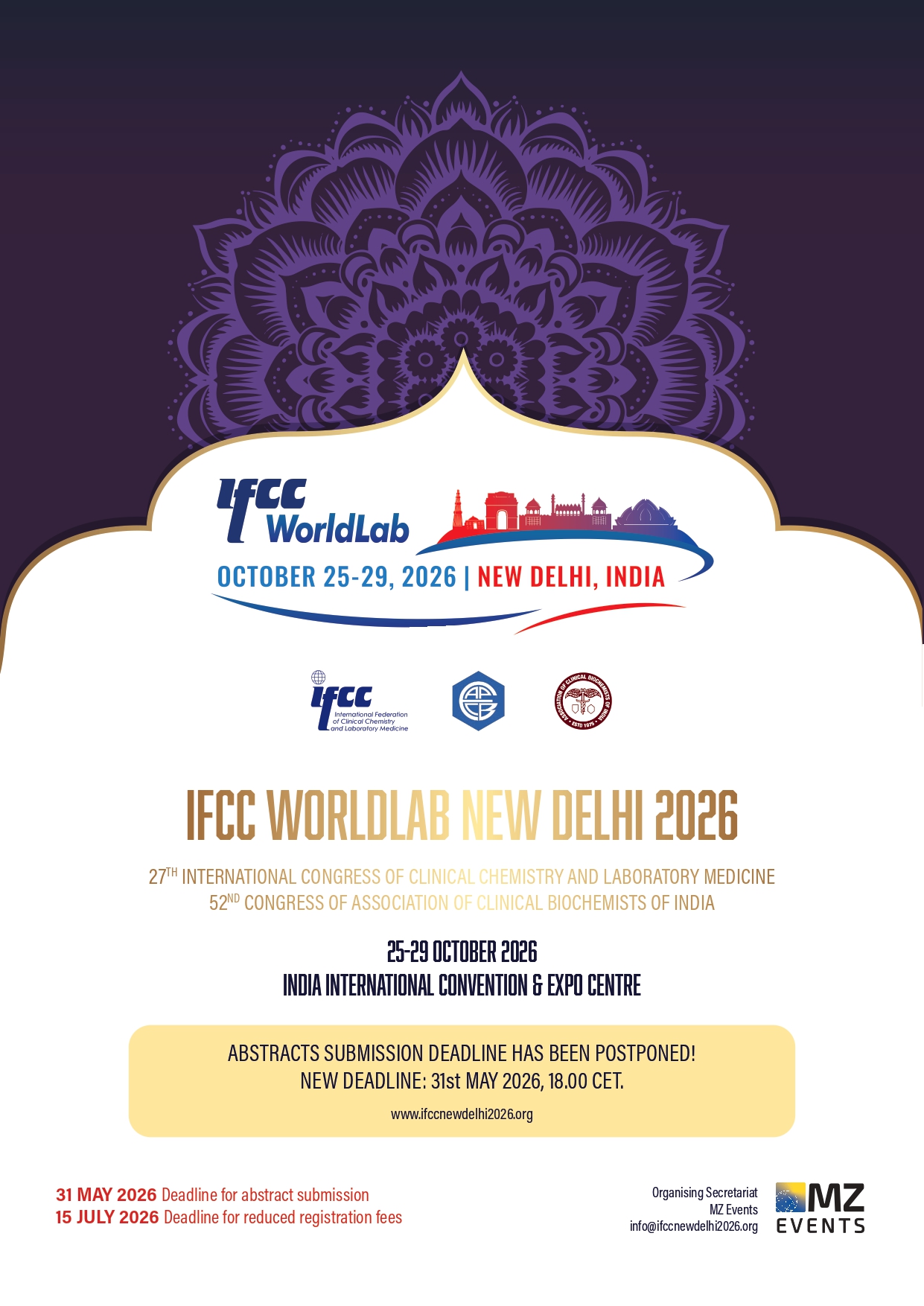
The Pediatric Laboratory Medicine Committee of the Emerging Technologies Division: the magnet is their mission, and the aspiration is to be agents of change
By Sharon M Geaghan for Lianna Kyriakopoulou, Chair, and the IFCC C-ETPLM Committee
The IFCC Committee on Emerging Technologies in Pediatric Laboratory Medicine (C-ETPLM) brings together an international group of experts committed to advancing innovation in diagnostics for children. United by a shared recognition that children are not simply small adults, the Committee works to promote pediatric-specific evidence, foster global collaboration, and support the thoughtful integration of emerging technologies into clinical practice. These interviews highlight the experiences, motivations, and aspirations of committee members and consultants as they work to strengthen pediatric laboratory medicine worldwide.

Lianna, as Chair of the Committee, your work at Toronto Hospital for Sick Kids is exemplary, applying novel technologies for diagnosis of newly recognized and well-established pediatric diseases. What experience in your career prompted your interest in the IFCC C-ETPLM’s work?
Dr. Lianna Kyriakopoulou (CA)
Chair of the ETD Committee on Emerging Technologies in Pediatric Laboratory Medicine (C-ETPLM)
My interest in the IFCC C-ETPLM comes from working at the intersection of pediatric biochemistry and genomics, where I see every day how different children are from adults—not just clinically, but biologically. That difference profoundly shapes how we interpret tests and make decisions. At the same time, it’s clear we’re often working without the pediatric-specific data, standards, and frameworks we need—especially when trying to bring new technologies into practice. The Committee’s work resonates with me because it brings together exactly what’s needed to move the field forward: innovation, evidence, and global collaboration—all focused on improving diagnostics for children.
As Committee Chair, what impact in the practice of pediatrics / pediatric laboratory medicine do you hope to see?
Dr. Lianna Kyriakopoulou (CA)
Chair of the ETD Committee on Emerging Technologies in Pediatric Laboratory Medicine (C-ETPLM)
I’d like to see emerging technologies more rapidly and thoughtfully integrated into pediatric care—so we can deliver more precise diagnoses and truly individualized treatment for children. Pediatric laboratory medicine has often had to innovate out of necessity, and that creates a real opportunity to lead—not just adopt—new diagnostic approaches. These advances also have the potential to improve equity and access, helping us reach children who might otherwise be left behind. Just as importantly, I hope to see stronger recognition of pediatric laboratory medicine as its own discipline—with dedicated reference data, standards, and implementation strategies—so that testing for children is consistently high-quality, meaningful, and globally accessible.

The mission is the magnet
Committee members, what drew you to the C-ETPLM?
Dr. Stefan Wudy (DE)
Corresponding Member of the ETD C-ETPLM, nominated by the European Society of Pediatric Endocrinology (ESPE)
As a pediatric endocrinologist, I understand the importance of accurate hormone testing. I am one of the few endocrinologists worldwide who have the privilege of running an internationally acknowledged analytical laboratory of reference status. I would like to bring my expertise in steroid hormones analysis (chromatographic and mass spectrometric methods) and radioimmunoassay for various growth factors to the committee and support it in its global activities and impact.
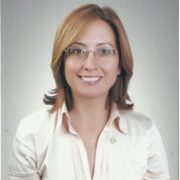
Dr. Fatma Taneli (TR)
Member of the ETD Committee on Emerging Technologies in Pediatric Laboratory Medicine (C-ETPLM)
My interest began as a student, and after biochemistry specialization, I gained experience in the specific needs of the newborn and the pediatric age group at a children’s hospital. Micro sampling was part of my daily routine, finding personalized solutions for pediatric patients. I realized the necessities of pediatric reference ranges, and I worked very closely problem-solving with pediatric cardiology and pediatric endocrinology specialists.

Dr. Sven Danckwardt (DE)
Member of the ETD Committee on Emerging Technologies in Pediatric Laboratory Medicine (C-ETPLM)
During Paediatrics specialization (Paediatric Haematology and Oncology), I became increasingly aware of the untapped potential of laboratory medicine in the paediatric setting. Children are not simply small adults; important biological and clinical differences exist. The most obvious examples are age-specific reference intervals, but these differences also affect the indication, interpretation, and utility of biomarkers. Several diseases are unique to childhood and require distinct diagnostic approaches and biomarker strategies. These observations sparked my interest in advancing laboratory medicine to better address the specific needs of paediatric patients.

Dr. Cate Omosule (US, Young Scientist)
Member of the ETD Committee on Emerging Technologies in Pediatric Laboratory Medicine (C-ETPLM)
The IFCC C-ETPLM is uniquely positioned to advance global advocacy, innovation, and growth in pediatric laboratory medicine. As a pediatric clinical chemist, I am passionate about advancing pediatric laboratory medicine globally. My training and professional experiences have highlighted the challenges of providing specialized pediatric laboratory services in regions with limited infrastructure and support. I am motivated to help address these gaps, ultimately improving laboratory care and outcomes for children worldwide.
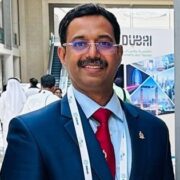
Dr. Anurodh Gupta (IN)
Member of the ETD Committee on Emerging Technologies in Pediatric Laboratory Medicine (C-ETPLM)
My interest in the Committee stems from professional experience in pediatric genetics and molecular diagnostics, particularly in the diagnosis and reporting of rare genetic disorders. Many of these patients experience a prolonged diagnostic journey, during which timely access to advanced laboratory technologies could significantly improve clinical outcomes and guide appropriate treatment strategies. Emerging technologies have the potential to transform personalized medicine: advanced genomic platforms, multi-omics approaches, artificial intelligence-assisted interpretation, and novel biomarkers. Understanding how these innovations can be translated into routine clinical laboratory practice is a particular interest of mine, to facilitate earlier diagnosis, improve diagnostic yield, and support precision therapeutic intervention.

The consultants’ gravitation to the Committee
Dr. Greaves (AU)
Liaison of the Committee on Emerging Technologies in Pediatric Laboratory Medicine (C-ETPLM)
Two key experiences prompted my interest in this Committee’s work. First, I have witnessed the critical, ongoing clinical need for improved, age-specific reference intervals for endocrine tests. Second, the historical shift toward laboratory automation has sometimes come at the expense of the specialized accuracy needed for vulnerable infants, particularly regarding steroid assays. I am driven to bridge this gap so automated laboratory advancements better serve our smallest patients.
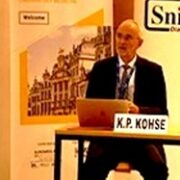
Dr. Klaus Kohse (DE)
Committee consultant and distinguished moderator
When I was appointed in 1992 as Director of Clinical Laboratories, Oldenburg City Hospital (now part of the University Medicine, Oldenburg, Germany), this responsibility also covered the small satellite laboratory in the Children’s Hospital. Thus, I quickly had to expand my knowledge in Pediatric Laboratory Medicine. Looking for colleagues in that field, I came across the International Congresses of Pediatric Laboratory Medicine; my first to attend was the 1995 Vancouver Congress. There, I enjoyed the formation of this wonderful network, and, encouraged by the unforgotten Jocelyn Hicks, “got on board”.

Dr. Sharon Geaghan (US)
Consultant of the ETD Committee on Emerging Technologies in Pediatric Laboratory Medicine (C-ETPLM)
I was appointed as the Director of Laboratories at a high acuity research-intensive Children’s Hospital directly out of training and realized the magnitude of this responsibility. Learning about best practices and scientific investigations from thought leaders has been invaluable, and the global mission to serve under-resourced countries through mentorship and education is unparalleled.
IFCC C-ETPLM Committee members aspire to be agents for change
What is the practice impact in pediatric laboratory medicine you hope to see from your C-ETPLM work?
Dr. Stefan Wudy (DE)
Corresponding Member of the ETD C-ETPLM, nominated by the European Society of Pediatric Endocrinology (ESPE)
Our committee is unique in that it has succeeded in bringing together a group of high-level specialists from various fields of pediatric laboratory medicine across all continents. The future must be approached from a global perspective. This presents a unique opportunity to exchange knowledge and set standards, offer education and continuing professional development at the highest level, and formulate common research goals and projects. Children do not yet have a strong lobby, yet every adult must realize that they, too, once began life as small, vulnerable beings in need of protection. Therefore, it must be our shared goal to ensure that every child on Earth has an equal share in progress and development.
Dr. Cate Omosule (US, Young Scientist)
Member of the ETD Committee on Emerging Technologies in Pediatric Laboratory Medicine (C-ETPLM)
One of the Committee’s most important goals is to support pediatric laboratorians worldwide.
I hope to see the C-ETPLM continue to grow into a global hub for collaboration, expertise, and professional support. The Committee can help reduce professional isolation and facilitate the sharing of best practices across diverse healthcare settings. The Committee can expand access to educational resources, mentorship opportunities, and pediatric-specific laboratory guidance, particularly for colleagues working in resource-limited environments. These efforts can strengthen pediatric laboratory medicine globally and improve diagnostic accuracy, patient care, and health outcomes for children.
Dr. Sven Danckwardt (DE)
Member of the ETD Committee on Emerging Technologies in Pediatric Laboratory Medicine (C-ETPLM)
With the advent of new technologies such as high-throughput sequencing, advances in our understanding of disease pathogenesis, progression, and, in some cases, even spontaneous resolution, novel and highly informative biomarkers are emerging. Neuroblastoma, a childhood malignancy, is a prominent example where such insights have led to the identification of biomarkers with the potential to outperform those currently used in clinical practice. Despite promising scientific evidence, translating these biomarkers into routine clinical use remains a complex and lengthy process. Our goal is to help accelerate this translation process and move promising biomarkers one step closer to routine clinical implementation.
Dr. Anurodh Gupta (IN)
Member of the ETD Committee on Emerging Technologies in Pediatric Laboratory Medicine (C-ETPLM)
I hope to see the Committee’s work accelerate the integration of emerging technologies into pediatric laboratory medicine, leading to earlier, more accurate, and equitable diagnosis of genetic and rare disorders in children. By developing evidence-based guidelines, promoting standardization, and facilitating global access to innovative diagnostic approaches, we can improve clinical outcomes and quality of life for pediatric patients worldwide.
Dr. Fatma Taneli (TR)
Member of the ETD Committee on Emerging Technologies in Pediatric Laboratory Medicine (C-ETPLM)
Establishment of pediatric-specific troponin reference ranges represents a critical need along with harmonization of international pediatric cardiology diagnostic algorithms. The global surge in pediatric obesity mandates monitoring for early cardiovascular complications, such as hypertension and metabolic risk factors, in children. Endocrine disrupting chemicals interferes with children’s hypothalamic -pituitary-gonadal axis hormones by mimicking, blocking or disrupting natural hormonal pathways. I strongly believe the Committee’s work is unique; and in collaboration with National Societies, will raise global awareness and drive transformation in the future of pediatric laboratory medicine.
Our consultants’ visions
Dr. Ronda Greaves (AU)
Liaison of the Committee on Emerging Technologies in Pediatric Laboratory Medicine (C-ETPLM)
Through the Committee’s work, I hope to see a globally unified approach to best analytical practices in newborn medicine. It is vital that pediatric pathology tests are interpreted correctly, as these results directly drive medical decisions for vulnerable infants. To support this, I want the Committee to actively support laboratories by publishing open-access guidance documents that establish clear, practical standards. Additionally, we must on educating both laboratory and clinical professionals to bridge knowledge gaps and ensure precise data interpretation at the bedside. Ultimately, this direction will elevate neonatal diagnostics, ensuring every clinical decision is backed by accurate, safely validated laboratory data.
Dr. Klaus Kohse (DE)
Committee consultant and distinguished moderator
I hope to see an increase in the recognition of Pediatric Laboratory Medicine as a special and extremely important part of Laboratory Medicine. I further hope to see the development of more age specific reference intervals for laboratory test results, preferably with continuous age dependance, hopefully resulting in mathematical equations that can be incorporated in the LIS. It would also be great to see the evolvement of many guidelines which, however, should always be produced in close cooperation with the clinical colleagues.
Dr. Sharon Geaghan (US)
Consultant of the ETD Committee on Emerging Technologies in Pediatric Laboratory Medicine (C-ETPLM)
If clinical decision-making in pediatrics could be supported by evidence-based decision limits that are age-appropriate and robust; and developed in collaboration with our pediatric primary care clinicians and specialists – that is to me the big dream. It is my hope that we strengthen this partnership, so that the clinicians educate us regarding what they need from a given test, and we educate them so that they understand the test performance characteristics and limitations. We can best develop testing algorithms for surveillance, diagnosis and monitoring care pathways together.

Dr. Tim Lang (UK)
Committee consultant and Immediate Past Committee Chair, presenting at the Satellite IFCC C-ETPLM Meeting in Brussels, May 17, 2025
Dr Lang is our Immediate Past Chair, and steered C-ETPLM through the rough waters of the COVID pandemic and beyond, providing his energy and devotion to the mission and advancing the field. He always has the Committee front and center, whether as an appreciated speaker or leading a special project. His recent practice survey of usage and reporting of biomarkers of acute kidney injury in children is soon to be published,

Dr Micaela Hartmann
Corresponding Member of the ETD Committee on Emerging Technologies in Pediatric Laboratory Medicine (C-ETPLM), nominated by the German Society of Endocrinology
IFCC Professional Scientific Exchange Programme: my experience at Hospital Universitari Arnau de Vilanova (Spain)
By: Milena Palamidessi, Quality Management Area, Central Laboratory, Hospital General de Agudos Dr. Carlos G. Durand, City of Buenos Aires, Buenos Aires, Argentina.

My training experience at Hospital Universitari Arnau de Vilanova de Lleida in Spain focused on the organization of the pre-analytical phase, laboratory referral systems, and quality management within a regional public healthcare network. This experience was developed in alignment with my Project Proposal supported by the IFCC PMEP programme and aimed to strengthen the organization and coordination of public laboratory networks in Buenos Aires, Argentina.
The Clinical Laboratory of Arnau de Vilanova functions as a reference laboratory integrated with primary healthcare centers, peripheral hospitals, and external institutions across a large geographic territory. One of the most valuable aspects of the experience was the study of the pre-analytical workflow. I analyzed sample collection procedures, acceptance/rejection criteria, traceability systems, and transportation logistics. The laboratory uses monitored refrigerated transport boxes equipped with GPS and temperature control systems, allowing real-time follow-up of samples arriving from more than 200 primary care centers. Furthermore, the integration between the Laboratory Information System (Modulab), the hospital information system (SAP), and primary care platforms (eCAP) enables efficient communication between healthcare levels and ensures full sample traceability.
Another major focus of the training was quality management. The laboratory is certified and accredited under ISO standards and maintains a strong culture of continuous improvement. I participated in the ISO recertification external audit process, discussions related to internal audits, risk management, staff competency assessment, and data-driven quality indicators—including hemolysis, clotting, transportation incidents, and identification errors—to support process optimization.
To conclude my stay, I delivered a clinical seminar to the laboratory’s medical and scientific staff, summarizing everything learned during this month. This experience provided practical and transferable knowledge regarding laboratory governance, logistics coordination, and pre-analytical quality management that can be directly adapted to enhance the context of the public laboratory network of Buenos Aires.
I would like to express my sincere gratitude to the IFCC for granting me the professional exchange scholarship and providing this invaluable opportunity. I am also deeply grateful to the clinical laboratory team at Hospital Universitari Arnau de Vilanova for their warm welcome, guidance, and everything they have taught me during my stay. Lastly, I would like to thank CUBRA (Confederación Unificada Bioquímica de la República Argentina) and my home institution, Hospital General de Agudos Dr. Carlos G. Durand, for supporting me and allowing me to undertake this enriching professional experience.
IFCC: the people
Dr. Ian Godber joins IFCC ETD-EC, bringing major expertise in digital transformation and future lab medicine
By Bernard Gouget, Damien Gruson, Swarup Shah, Serafeim Karathanos, Yan Liu, Sven Ebert, IFCC ETD EC

Dr. Ian Godber (UK), new ETD EC member and President of the Association for Laboratory Medicine (UK)
The IFCC Emerging Technologies Division Executive Committee (ETD EC) is pleased to announce that Dr. Ian Godber has joined the Division as a new member of the Executive Committee.
Dr. Godber is an internationally recognized Consultant Clinical Scientist based at the Queen Elizabeth University Hospital in Glasgow (UK), with extensive expertise in laboratory medicine, laboratory informatics, healthcare innovation, diagnostic pathways, digital transformation, and strategic leadership.
Throughout his career, he has played a major role in the modernization and harmonization of laboratory services in the United Kingdom, notably through large-scale Laboratory Information Management System (LIMS) projects, national laboratory coordination initiatives, and the implementation of innovative diagnostic strategies. His career combines high-level scientific expertise with strong experience in healthcare management, laboratory transformation, education, and international professional leadership. Dr. Godber has also been deeply involved in the implementation of innovative diagnostic pathways, including faecal immunochemical testing (FIT), national diagnostic strategies, COVID-19 laboratory coordination, and public engagement initiatives such as Lab Tests Online UK.
The ETD EC considers Dr. Godber’s appointment as a major strategic asset for the future development of the Division. His unique combination of scientific expertise, operational leadership, digital health vision, and international professional engagement will considerably strengthen the Division’s capacity to anticipate and support the profound transformation currently reshaping laboratory medicine worldwide. His recognized experience in laboratory digitalization, interoperability, healthcare data management, and national diagnostic networks will be particularly valuable for several strategic priorities of the ETD EC, including the integration of artificial intelligence and advanced digital technologies into laboratory medicine, the development of connected and interoperable laboratory ecosystems, the evolution of laboratory informatics and healthcare data infrastructures, as well as emerging concepts related to decentralized diagnostics, digital health, and future laboratory models.
In addition, Dr. Godber brings an important translational dimension to the ETD EC by combining scientific excellence with concrete field experience in healthcare organization, clinical implementation, national governance, and professional education. His ability to connect innovation, clinical practice, healthcare policy, and professional societies will strongly support the ETD EC mission to position IFCC as a leading international actor in emerging technologies and future-oriented laboratory medicine.
Recently appointed President of the Association for Laboratory Medicine (LabMed, UK), Dr. Godber also reinforces the international visibility and collaborative potential of the ETD EC with major scientific and professional organizations across Europe and beyond.
The ETD EC warmly welcomes Dr. Ian Godber and looks forward to developing new collaborative projects with him in support of innovation, digital transformation, and the next generation of laboratory medicine.
IFCC Calls for Nominations

Participate in IFCC activities and give your contribution!
Review the open positions and, if interested, contact your National or Corporate Representative.
The IFCC is inviting nominations for following positions:
Call for Nominations for: 1 Chair; 1 Corporate Member; 5 members (1 member will be a young scientist, < 40 years): Click here for the Call for nominations letter.
Nominations should be sent to Smeralda Skenderaj (smeralda.skenderaj@ifcc.org) by July 10th, 2026
Call for Nominations for a member position representing the African region: Click here for the Call for nominations letter
Call for Nominations for a member position representing the Arab region: Click here for the Call for nominations letter
Call for Nominations for a member position representing the European region: Click here for the Call for nominations letter
Call for Nominations for a member position representing the North American region: Click here for the Call for nominations letter
Call for Nominations for a corporate member position: Click here for the Call for nominations letter
Nominations should be sent to Silvia Cardinale (cardinale@ifcc.org) by July 10th, 2026.
Call for Nominations for a member position representing the African region: Click here for the Call for nominations letter
Call for Nominations for a member position representing the Arab region: Click here for the Call for nominations letter
Call for Nominations for a member position representing the Asia Pacific region: Click here for the Call for nominations letter
Call for Nominations for a member position representing the European region: Click here for the Call for nominations letter
Call for Nominations for a member position representing the Latin American region: Click here for the Call for nominations letter
Call for Nominations for a member position representing the North American region: Click here for the Call for nominations letter
Nominations should be sent to Paola Bramati (paola.bramati@ifcc.org) by July 10th, 2026.
Call for Nominations for: 1 Chair and 1 Member: Click here for the Call for nominations letter
Nominations should be sent to Paola Bramati (paola.bramati@ifcc.org) by July 10th, 2026.
Call for Nominations for: 1 Chair; 2 members: Click here for the Call for nominations letter.
Nominations should be sent to Smeralda Skenderaj (smeralda.skenderaj@ifcc.org) by July 10th, 2026
Call for Nominations for: 1 Chair; 1 Vice Chair and Secretary; 5 members; 1 corporate member: Click here for the Call for nominations letter.
Nominations should be sent to Silvia Cardinale (cardinale@ifcc.org) by July 10th, 2026
Call for Nominations for: 1 Member: Click here for the Call for nominations letter.
Nominations should be sent to Paola Bramati (paola.bramati@ifcc.org) by July 10th, 2026
Call for Nominations for: 1 Member: Click here for the Call for nominations letter.
Nominations should be sent to Silvia Colli Lanzi (colli-lanzi@ifcc.org) by July 25th, 2026
Call for Nominations for: 2 Members: Click here for the Call for nominations letter.
Nominations should be sent to Smeralda Skenderaj (smeralda.skenderaj@ifcc.org) by July 25th, 2026
FOR UPDATES ABOUT IFCC CALL FOR NOMINATIONS VISIT https://ifcc.org/about/ifcc-calls-for-nominations/
For any further information on nominations, please refer to your National or Corporate Representative – contacts are available here.
Voices of our Corporate Members
Spotlight on IFCC Corporate Members
Meet Colleen Strain PhD, Corporate Representative for Communications and Publications Division (CPD)

- How long have you been associated with IFCC?
I first became involved with the IFCC in 2021 as the interim secretary for the Task Force of Corporate Members (TF-CM). Shortly thereafter, I joined the Task Force on Outcome Studies in Laboratory Medicine (TF-OSLM). This newly established task force was created to serve as a dedicated resource for highlighting the critical role of laboratory medicine in healthcare—an area that strongly aligns with both my professional focus and personal passion within the field. - What inspires you to get more involved?
One of the most compelling aspects of the IFCC is its truly global reach. The breadth and depth of expertise and the passion demonstrated by its members are both impressive and inspiring. I see colleagues, both within Abbott and across the broader IFCC community, generously volunteering their time to champion important initiatives that advance laboratory medicine and ultimately improve patient care. When the opportunity to apply for the role as the Corporate Representative for the Communications and Publications Division (CPD), I was eager to become more involved. The CPD’s mission to elevate the visibility and impact of laboratory medicine through platforms such as IFCC eNews, social media, and the eJIFCC strongly resonated with my own focus on communicating the value of laboratory medicine. It felt like a natural progression of my work and a meaningful extension of my contributions through TF-OSLM. - What do you like most about your involvement with IFCC?
Without question, one of the most rewarding aspects of being involved in the IFCC is the people. Across every role I have held, a consistent theme has been the passion, collaboration, and camaraderie shared among members who are united by a common purpose. My involvement with the TF Corporate Members (TF-CM), particularly in my role as CPD representative, exemplifies this well. While members represent different, and often competing organizations, we share many common goals, regulatory challenges, and priorities. This creates a unique environment of collaboration, where we work collectively to advance the mission of the IFCC and drive meaningful improvements in patient care. - What advice do you have for other Corporate Members?
Getting involved with the IFCC can be an incredibly rewarding experience. As a large and dynamic organization, IFCC offers a wide range of opportunities for corporate members and corporate representatives to contribute in meaningful ways. I encourage those who are interested to stay engaged with calls for nominations and to actively explore working groups, committees, task forces, and divisions that align with their interests and expertise. The corporate member voice is both unique and valuable, by increasing our engagement, we can further strengthen our collective impact and contribution to the field. - Is there anything else you would like to add before we close this interview?
I would like to close with a sincere thank you to all corporate representatives and volunteers within the IFCC. Many contribute their time and expertise on a volunteer basis, driven by a shared commitment to advancing laboratory medicine. Your dedication and passion are truly inspiring and are instrumental in driving progress across the IFCC, the laboratory community, and ultimately in improving patient outcomes worldwide.
The power of WorldLab 2026 for Corporate Members
By: Ana-Maria Šimundić, and Tricia Ravalico
Corporate Members have long recognized the diverse benefits of conference sponsorship and valued attendance at events led by the International Federation of Clinical Chemistry and Laboratory Medicine (IFCC). This includes brilliant and emerging opportunities this October at IFCC WorldLab New Delhi 2026.
Organized by the IFCC and in partnership with the Association of Clinical Biochemists of India (ACBI), this 27th International Congress of Clinical Chemistry and Laboratory Medicine will be held at India’s largest International Convention and Exhibition Center (IICC). More than 1300 abstracts have been reviewed thus far from 75+ countries with strong participation across Africa, Europe, Middle East, Latin America and Asia.
As corporate representative to the Executive board, Tricia Ravalico, comments that the enthusiasm across leaders has never been stronger. Ana-Maria Šimundić, corporate representative on the IFCC Conference Organizing Committee shares that tremendous thought has been put into the planning of this event, reinforcing exceptional value awaits. Tricia and Ana-Maria invite all potential sponsors to participate and engage at this exceptional event. Discover and build partnerships that are focused on the future of healthcare, challenging traditional thinking and contributing to the next chapter of laboratory medicine.
- Exciting Reasons to be a Sponsor:
Visibility with a Highly Targeted Audience
IFCC congresses attract laboratory directors, clinical chemists, pathologists, researchers, healthcare decision-makers, and laboratory medicine leaders from around the world. Sponsorship places a company directly in front of key customers and influencers.
Demonstrate Scientific Leadership
Companies can showcase innovations, clinical evidence, emerging technologies, and best practices through exhibits, workshops, and satellite symposia. This reinforces our corporate member role as scientific partners and not simply sponsors.
Influence the Future of Laboratory Medicine
IFCC corporate members can participate in committees, working groups, and divisions that help shape standards, education, and emerging technologies within the profession.
Brand Credibility and Trust
Association with the leading global organization in clinical chemistry and laboratory medicine enhances corporate reputation and demonstrates commitment to advancing patient care.
Networking and Relationship Building
Sponsorship creates opportunities to engage with key opinion leaders (KOLs), society leaders, researchers, regulators, and potential collaborators from 100+ countries.
- Valued Reasons to Attend
Stay Current on Science and Innovation
With an excellent scientific program, attendees gain early insight into advances in biomarkers, diagnostics, automation, AI, molecular testing, quality management, and laboratory medicine practices.
Understand Emerging Customer Needs
Direct interaction with laboratory professionals helps companies identify unmet needs, practice trends, workflow challenges, and future market opportunities.
Engage with Global Experts
IFCC conferences bring together international speakers and scientific leaders, providing opportunities for collaboration and scientific exchange.
Support Medical and Scientific Affairs Objectives
Corporate medical, scientific, and clinical affairs teams can build relationships with investigators, discuss real-world evidence, and identify opportunities for research partnerships.
Market Intelligence
The exhibition floor provides visibility into technologies, product launches, strategic priorities, and market direction.
Professional Development
Corporate scientists and medical affairs professionals gain education on evolving standards, regulations, quality initiatives, and clinical applications that can inform business strategy.
- Important Events during WorldLab 2026
Multiple events are planned during WorldLab 2026 for which Corporate members can attend. Two stand-out sessions worth reminding all corporate members about are noted with times and dates below:
– October 25th, 2026. IFCC Council Meeting (09.00-13.00 Delhi local time)
– October 25th, 2026. Executive Board Meeting with IFCC Corporate Members (14.00-16.00 Delhi local time)
We are excited for next steps and hope to see everyone in New Delhi this October.

Contribute to IFCC eNews
Global perspectives on immediate patient access to laboratory test results in ambulatory care: findings and challenges
Joe Wiencek, PhD, D(ABCC), FADLM
Chair, IFCC Task Force on Ethics
Immediate patient access to laboratory test results in ambulatory settings has become an increasingly prominent topic within laboratory medicine. To explore current global practices and professional perspectives, the IFCC Task Force on Ethics conducted a Survey on Laboratory Test Results Access in an Ambulatory Setting targeted to laboratory medicine professionals worldwide. A total of 756 respondents completed demographic questions, with 519 respondents answering the core questions related to access, perceptions, and implications of immediate result release (i.e., results available in electronic portals as soon as they are completed on the analyzer through autovalidation/autoverification without formal clinician review). While the findings provide valuable insight, they also highlight challenges related to survey engagement and representativeness that warrant careful consideration by other IFCC functional groups.
Respondents represented a broad range of laboratory roles, including medical laboratory scientists, laboratory directors, pathologists, and technologists, with the majority possessing advanced education and more than ten years of professional experience. Clinical chemistry, hematology, immunology, microbiology, and molecular diagnostics were the most represented lab medicine sub-specialties. Although participation spanned multiple countries, responses were heavily concentrated in a small number of regions, particularly Europe, with notable clustering in Poland (n=326, 43.2%) and Italy (n=127, 16.8%), while large portions of Africa, Asia, and Latin America were minimally represented or absent. This uneven geographic distribution underscores a recurring challenge in global surveys – reaching a representative international audience.
From a regulatory standpoint, respondents reported substantial heterogeneity. Approximately one‑third indicated that national laws mandate immediate patient access to test results, while over half stated that no such legal requirement exists, and a notable proportion were unsure of the regulatory framework in their own country. At the organizational level, however, more than half reported that patients do have immediate access within their health systems, suggesting that institutional policies often evolve independently of national legislation. Where delays persist (i.e., not immediately), results are most commonly released within one to two days.
Electronic patient portals were identified as the most common mechanism for result delivery, followed by in‑person visits and printed reports. Over half of respondents believed that patients have preferences regarding whether results should be held or released immediately, reinforcing the concept that patient autonomy and individualized communication strategies are increasingly relevant. However, uncertainty remained prevalent, with many respondents indicating a lack of clarity about patient expectations, highlighting a potential disconnect between the clinical laboratory and patient engagement strategies.
Overall laboratory medicine professional opinions regarding the impact of immediate access were mixed. A majority of respondents believed that patients would become more worried if results were released before clinician review, while others anticipated no change or even reduced anxiety. This doubt is reflected in attitudes toward the importance of immediate access. Specifically, many respondents viewed timely access as important or very important whereas a substantial proportion stated that patients should not have immediate access at all to their test results. Importantly, over 70% of respondents believed that certain abnormal results should be delivered only by healthcare professionals, or that the decision should depend on the specific test (e.g., HIV). These findings emphasize widespread concern about misinterpretation, emotional harm, and clinical responsibility.
Despite these concerns, many respondents acknowledged potential benefits. Nearly half believed that immediate access might empower patients to take a more active role in their healthcare and a large majority supported laboratory professionals serving as informational resources for patients, similar to the role pharmacists play in medication counseling. Conversely, most respondents rejected the notion that laboratory professionals should be held responsible for patient misinterpretation or adverse outcomes arising from direct/immediate access due to preanalytical or analytical errors, signaling unresolved ethical issues.
Beyond the substantive findings, this survey raises important methodological lessons for future IFCC initiatives. Although the total number of respondents was respectable, response attrition was substantial, with nearly one‑third skipping the core questions. The heavy regional clustering of responses, combined with underrepresentation from large global regions, limits the generalizability of conclusions and risks over‑interpretation. These challenges highlight the need for more targeted survey dissemination strategies through IFCC, language accessibility considerations (especially in the era of AI), regional partnerships, and sustained engagement efforts when IFCC seeks global input. Unfortunately, without such measures, even well‑designed surveys risk reflecting the perspectives of only a narrow subset of the international laboratory community.
In summary, this survey demonstrates both the complexity of immediate patient access to laboratory results and the difficulty of capturing globally representative professional perspectives. While it offers valuable insights into prevailing practices and concerns, it also serves as a cautionary example. IFCC functional groups should interpret these findings within the context of participation limitations and prioritize improved response strategies in future global initiatives to ensure that IFCC guidance reflects the full diversity of laboratory medicine worldwide.
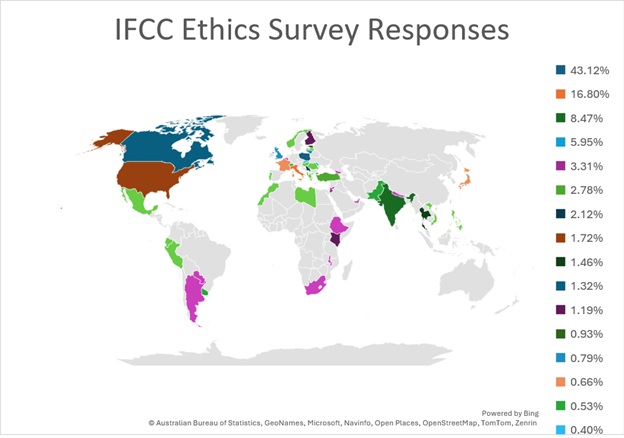
A historical perspective on ethics in laboratory medicine through Association for Diagnostics and Laboratory Medicine (formerly AACC)

Joe Wiencek, PhD, D(ABCC), FADLM
Chair, IFCC Task Force on Ethics
The IFCC Task Force on Ethics is pleased to share a newly published paper (PMID: 42084524) that takes a historical look at ethical guidance in laboratory medicine. This work traces the evolution of ethical guidelines developed by the Association for Diagnostics & Laboratory Medicine (ADLM, formerly AACC), from their earliest edition in 1953 through the most recent revision in 2020.
Our analysis reveals how ethical guidance has adapted in response to changes in healthcare systems, regulatory frameworks, and the professional roles of laboratorians. Early editions from 1953 and 1960 were extensive, narrative documents written in an era before the establishment of the United States Clinical Laboratory Improvement Amendments (CLIA) and before modern laboratory regulation and oversight were fully developed.
Beginning around 1990, the guidelines underwent a notable shift in structure and style. They evolved into more concise, bullet-pointed formats, likely reflecting increased availability of professional resources, and the expanding integration of laboratory medicine into broader clinical decision-making. Despite these stylistic and structural changes, the paper highlights a striking continuity across nearly 70 years.
The four foundational principles of ethics (beneficence, nonmaleficence, autonomy, and justice) have remained consistently central throughout every revision. While their interpretation and emphasis have evolved alongside societal values and professional responsibilities, these principles continue to serve as the ethical backbone of laboratory medicine. The paper offers an important reminder that, even as our field advances, ethical practice remains grounded in values that guide patient-centered care.
Reducing cardiovascular morbidity and mortality for patients with lung cancer through proactive screening and intervention
Cardiovascular disease and cancer remain the two leading causes of death globally, and notably among residents in China. Encouragingly, advancements in oncology have significantly improved survival outcomes for patients with malignant tumors, with five-year survival rates increasing substantially over the past two decades. However, as patients live longer, cardiovascular complications associated with cancer therapies have emerged as an important and complex clinical challenge.
Cancer treatment-related cardiovascular toxicity (CTR-CVT) is now recognized as a significant and growing contributor to morbidity and mortality in oncology patients. In fact, it has become the second leading cause of death among cancer patients. These complications are often insidious in onset, frequently developing without clear early symptoms, which makes timely identification and intervention particularly challenging. As a result, cardio-oncology has rapidly evolved into a critical discipline, focused on balancing effective cancer treatment with cardiovascular safety. Despite increased awareness, many healthcare systems continue to rely on more reactive approaches, only evaluating cardiovascular function once patients develop symptoms. This can result in missed opportunities for early detection, delayed intervention, and ultimately poorer outcomes.
Recognizing this gap, an integrated clinical care team at the Cancer Hospital of Shandong First Medical University in Jinan, China implemented a proactive, laboratory-guided strategy designed to identify cardiovascular risk earlier and intervene more effectively. The integrated clinical care team, comprised of ICU physicians, Thoracic Surgery, Oncology and Laboratory Medicine introduced a proactive screening and monitoring program centered on high-sensitivity cardiac troponin (hs-cTn). Their approach integrated hs-cTn testing into both baseline risk assessment and ongoing monitoring for patients receiving cardiotoxic cancer therapies.
A key component of this initiative was comprehensive education and alignment across multiple clinical departments, including the Intensive Care Unit, respiratory medicine, pulmonary surgery, and thoracic radiation oncology. By embedding hs-cTn testing into routine workflows and ensuring clinician engagement, the team ensured that all eligible cancer patients undergo baseline hs-cTn testing prior to initiating therapy, as well as serial testing throughout treatment, enabling identification of those at moderate or high-risk of cardiac injury, allowing for timely adjustments in care.
Following implementation of this proactive, biomarker-guided approach, there was a 0.97% increase in the number of patients identified as being at moderate or high cardiovascular risk prior to initiating treatment, enabling preventive action earlier in the treatment pathway. Similarly, a 0.38% reduction in immune-associated myocarditis (Grade II or higher) was noted, along with a 50% reduction (from 8 deaths to 4) in cardiovascular mortality in patients receiving immune checkpoint inhibitor therapy. A corresponding 37.5% reduction in ICU admissions among lung cancer patients with Grade III or higher immune-associated myocarditis was also noted. This 37.5% reduction translated into RMB 205,200 in mitigated costs associated with reduced ICU stays across 3 patients, at a cost savings of RMB 68,400 per patient.
This work represents an important step forward in the integration of laboratory medicine into cancer care. By leveraging hs-cTn as a tool for early detection and risk stratification, the Shandong team has demonstrated how a proactive approach can fundamentally change the trajectory of patient care. For their innovative and impactful work, the team at the Cancer Hospital of Shandong First Medical University received top honors in association with the 2026 UNIVANTS of Healthcare Excellence Awards. Congratulations to Zhijun Guo, Director and Chief physician, Intensive Care Unit, Hongbo Guo, Professor and Director, Department of Thoracic Surgery, Hui Zhu, Professor and Director, Department of Radiation Oncology, Xiaoyong Tang, Professor and Director, Department of Respiratory Medicine, Miaoqing Zhao, Professor and Director, Department of Pathology.

Improving perinatal outcomes and protecting safety through laboratory medicine guided risk-stratification of antenatal alloimmunization
Maternal red cell alloimmunization is a complex immunological condition that can have profound consequences for both mother and fetus. It occurs when a pregnant woman develops antibodies against foreign red blood cell antigens, most often following prior pregnancy or transfusion. While relatively uncommon, these antibodies—typically IgG—can cross the placenta and destroy fetal red blood cells, resulting in hemolytic disease of the fetus and newborn (HDFN), a major contributor to perinatal morbidity and mortality.
Globally, the prevalence of alloimmunization varies widely (0.4% to 8.74%), and is estimated at approximately 2% within the Indian subcontinent. Among the most frequently encountered antibodies is anti-D, followed by others such as anti-C, anti-E, anti-Jkb, and anti-K. Given the potentially severe consequences including fetal anemia, hydrops fetalis, and cardiac failure, screening during pregnancy is essential. Current standards of care recommend that all antenatal mothers, regardless of RhD status, undergo antibody screening to identify at risk pregnancies. However, a key clinical challenge lies in the fact that a positive screen does not necessarily equate to clinical risk. In many healthcare settings, this has led to a “one-size-fits-all” approach, where all screen-positive patients undergo intensive monitoring, regardless of their actual likelihood of complications. This approach can burden patients with unnecessary interventions, exacerbate anxiety, and strain healthcare resources, while still leaving uncertainty in identifying those truly at highest risk.
Recognizing this unmet need, an integrated clinical care team at KIMSHEALTH Hospital in Trivandrum, implemented a laboratory-driven, patient-centered solution designed to transform how alloimmunization is managed. At the core of this initiative is a structured, stepwise diagnostic and management pathway built around laboratory insights, in which all antenatal patients undergo antibody screening using the indirect antiglobulin test (IAT). For those with a positive screen, the next critical step is definitive antibody identification using an expanded reagent panel. By determining the specific antibody present and whether it is clinically significant the team can stratify patients into meaningful risk categories. Importantly, the protocol also differentiates passive immunization (such as anti-D following Rh immunoglobulin administration) from true alloimmunization, using both clinical history and antibody titers.
Patients identified with clinically significant antibodies, such as anti-D, anti-E, or combinations like anti-D plus anti-C, are classified as high-risk. These patients undergo serial antibody titration, and when thresholds are met, they receive intensive fetal surveillance using middle cerebral artery peak systolic velocity (MCA-PSV) Doppler measurements to detect fetal anemia. This allows for timely and targeted interventions, such as intrauterine transfusion (IUT) or exchange transfusion (ET), when necessary. Conversely, patients with benign antibodies (e.g., anti-Leb or anti-Lea) are categorized as low-risk, enabling safe de-escalation of care. These patients can subsequently avoid unnecessary specialist monitoring, reducing both clinical burden and emotional stress, without compromising outcomes.
Over a six-year period (2019–2024), 9,615 antenatal patients at KIMSHEALTH were screened using this approach. Of these, 109 patients screened positive for alloimmunization. Through the enhanced diagnostic pathway, 31 cases (28.4%) were identified as passive immunization, requiring no further work-up. Among the remaining 78 cases of true alloimmunization, 62.8% (49 patients) were accurately classified as high-risk. Among this high-risk cohort, 6.1% of fetuses required and received timely intrauterine transfusions, while 20.4% of neonates required exchange transfusions after delivery—interventions that are often lifesaving when appropriately timed. At the same time, 37.1% of patients were confidently identified as low-risk, with none of these patients required advanced fetal interventions or specialized monitoring, thus alleviating patient and family anxiety and redirecting resources to those in need.
“With definitive antibody identification guiding our practice, we are now able to stratify risk with far greater precision, directly enhancing patient safety. Knowing exactly which pregnancies are truly high-risk allows us to channel intensive fetal surveillance to the right patients, while safely de-escalating care for others, without compromising outcomes. This targeted clarity has markedly strengthened our clinical confidence, reduced unnecessary interventions, and ensured timely action for fetuses genuinely at risk” shared Dr. Vidyalekshmy R, Senior Consultant and Clinical Director, High Risk Obstetrics & Fetal, Medicine, KIMSHEALTH, Trivandrum
This revised screening and treatment pathway is endorsed by 100% of all obstetricians at KIMSHEALTH reflecting strong alignment between laboratory and clinical teams.
In addition to improving outcomes, the initiative has delivered measurable benefits to the healthcare system. By identifying both passive immunization cases and low-risk patients, unnecessary investigations and monitoring were avoided in a substantial proportion of cases. For low-risk patients alone, the reduction in Doppler ultrasounds and specialist consultations resulted in an average cost saving of 38,620 INR per patient, amounting to a total saving of over 1.1 million INR. These efficiencies highlight the broader value of laboratory medicine, not only in guiding clinical care, but also in supporting sustainable healthcare delivery.
For their impactful and innovative work, the KIMSHEALTH team was recognized as the Top Winner of the 2026 UNIVANTS of Healthcare Excellence Award. Congratulations to Sanooja Pinki S, Consultant, Coordinator and Group Blood Centre Officer, Department of Immunohematology and Blood Transfusion, Prethika P A, Registrar & Quality Manager, Department of Immunohematology and Blood Transfusion, Vidyalekshmy R, Senior Consultant and Clinical Director, Department of High Risk Pregnancy and Fetal Medicine, Naveen Jain, Senior Consultant and Coordinator, Department of Neonatology, and Sajith Mohan R, Consultant and Coordinator, Department of Obstetrics and Gynecology.
To learn more about this best practice and others, please visit www.UnivantsHCE.com
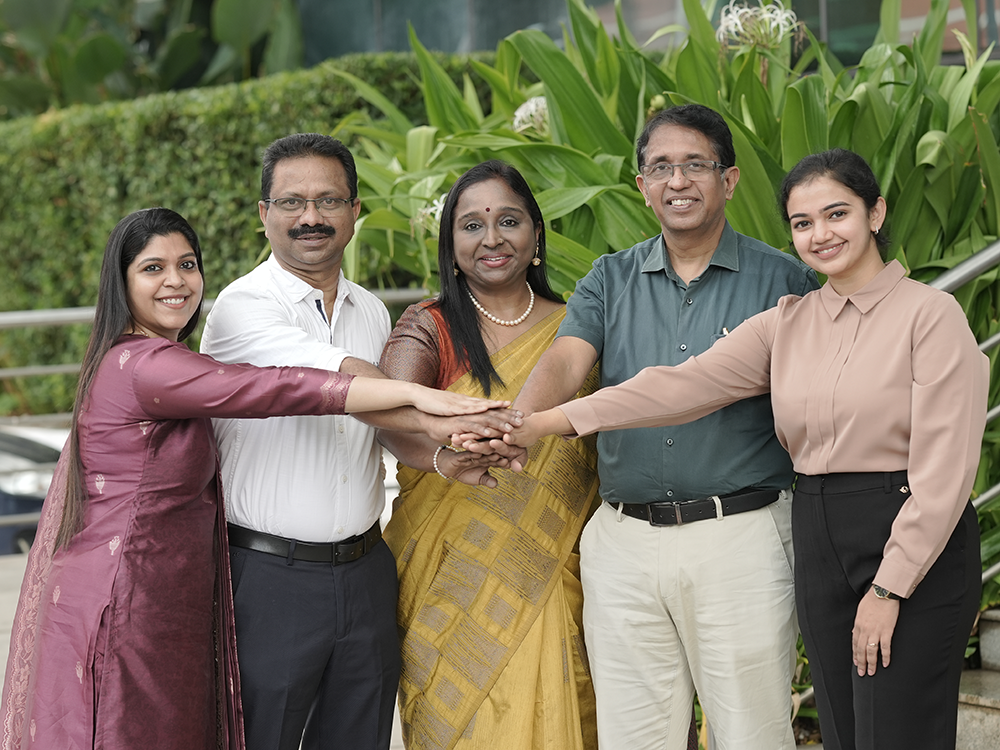
The Aynati Initiative: Accelerating diagnostics and enhancing resource utilization through digital lab transformation
Timely access to accurate laboratory information has always been central to effective clinical decision-making. Yet the journey from specimen collection to result delivery can often be fragmented, delaying diagnosis, treatment, and ultimately impacting patient outcomes. At Jubail Health Network, Saudi Arabia, this challenge became a catalyst for transformation, prompting a multidisciplinary team to reimagine how laboratory medicine could better enable proactive, patient-centered care. The result was the Aynati Initiative.
Prior to implementation of Aynati, laboratory workflows across the Jubail Health Network relied heavily on manual and disconnected processes. Specimen transportation between primary healthcare centers (PHCs) and the central laboratory followed inconsistent courier cycles, while communication and documentation were fragmented and lacked real-time visibility. As a result, turnaround times (TAT) for routine chemistry testing ranged from 48 to 72 hours, and hormonal assays could take up to three weeks to complete. These delays had meaningful implications for patient care, including care pathways associated with preventive health and chronic disease management, where timely laboratory insights are essential for early intervention and treatment.
Recognizing these challenges, JHN aimed to build a connected, reliable, and patient-centered diagnostic ecosystem that could deliver faster, actionable results to clinicians and patients alike. The initiative brought together stakeholders from laboratory services, primary healthcare, family medicine, nursing, quality and patient safety, information technology, logistics, and transformation management to design and implement this digital transformation Initiative. Using the DMAIC framework (Define, Measure, Analyze, Improve, Control), a structured methodology rooted in Lean Six Sigma, the team conducted a comprehensive evaluation of the diagnostic workflow. Mapping the end-to-end specimen journey, from collection at PHCs to result reporting, enabled identification of key bottlenecks, including transportation delays, manual data entry, and communication gaps.
From this analysis, a series of integrated interventions were implemented, including 1) digital barcoding and specimen tracking, 2) Standardized courier cycles, 3)Full integration between the hospital information system and laboratory systems, 4) Real-time monitoring dashboards, 5) Automated alerts and notifications, 6) Unified digital workflows across PHCs and the central laboratory, and 7) a patient and clinician notifications via national digital platforms. Importantly, these changes were not implemented in isolation. Continuous monitoring, supported by dashboards, daily performance reviews, and weekly evaluations, ensured that improvements were sustained and refined over time.
Following implementation, the average laboratory turnaround time for chemistry tests decreased from 48–72 hours to less than 8 hours, representing an 83.3% reduction. Hormonal assays improved from up to three weeks to less than 24 hours, a 95.2% reduction, shares Fatimah Al-Humaili, Supervisor of Data Management & Analytics.
Introduction of real-time tracking and digital integration reduced the need for manual follow-up communication, resulting in a 70% decrease in clinician calls to the laboratory. This not only freed up valuable staff time but also minimized disruptions and improved workflow efficiency across departments. Enhanced diagnostic efficiency also supported expanded screening and virtual care initiatives. For example, diabetes screening increased >3-fold, and colorectal cancer screening rates almost doubled. This was accompanied by notable improvements in patient experience scores, improving from 81.7% in early 2023 to 86.0% in early 2025, reflecting greater trust and satisfaction with the healthcare system. Finally, by streamlining specimen transport and eliminating inefficiencies, the initiative reduced unnecessary transportation costs by over 383,000 Saudi Riyals.
For their collaborative efforts, the team behind the Aynati Initiative received top honors in association with the 2026 UNIVANTS of Healthcare Excellence awards. Congratulations to Hussein AlSadiq, Biochemistry and Hormone Unit Supervisor, Ahood Al-Ghamdi, Chief Operating Officer, Roaa Al-Mousa, Manager of Primary Healthcare Centers, Suad Aman, Supervisor of Quality, Nursing and Aynati in PHC, and Fatimah Al-Humaili, Supervisor of Data Management and Analytics.
To learn more about this best practice, and others, please visit www.UnivantsHCE.com
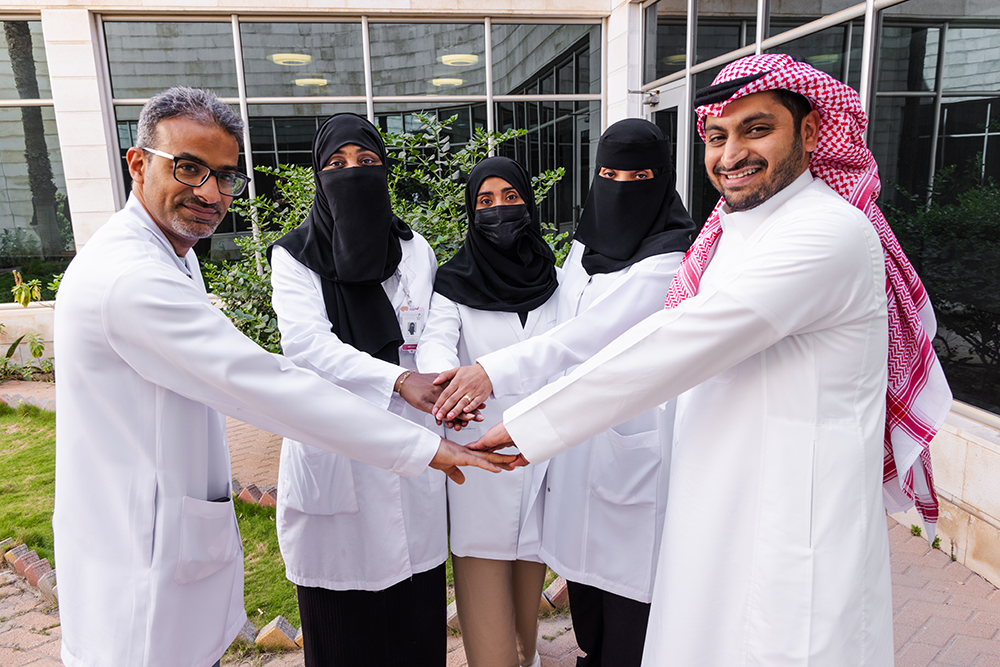
News from Regional Federations and Member Societies
EFLM News and Highlights

The May-June 2026 edition of the EFLM EuroLabNews is out, filled with updates on how laboratory medicine is evolving.
Bernard Gouget, Tomris Ozben, and Damien Gruson provide a detailed and effective overview of the EFLM Strategic Conference 2026. The major takeaway? Laboratory medicine is rapidly moving toward a coordinated, data-driven ecosystem. The event highlighted the importance of global integration, digital tools, and the vital role of laboratories in patient-centered healthcare.
EFLM continues to grow its global influence and widen its borders. The federation made a highly successful appearance at the National Congress of the Azerbaijan Society of Clinical Laboratory Specialists. Furthermore, the EFLM family is getting bigger – four new members have officially joined the community to collaborate on the future of laboratory medicine.
The next generation of laboratory medicine professionals is bringing fresh energy to the field. Just before the Prague conference, young scientists gathered for a dedicated networking event organized together with Beckman Coulter. The Young Scientists session during the main conference was rated as highly successful, focusing on visibility, communication, and education. A huge congratulations goes out to Dr. Hikmet Can Çubukçu, who took home this year’s EFLM Young Scientist Award for his outstanding contributions.
Sustainability is no longer just a concept; it is being put into practice. More laboratories are actively switching to green principles and sharing their success stories. This issue highlights actionable tips to reduce waste and energy, proving that making your lab environmentally friendly is both achievable and necessary. Moreover, EFLM’s functional units have been hard at work producing new research to share knowledge and promote best practices across Europe.
Want news delivered straight to your site? EFLM has launched a new RSS feed so you can stay up-to-date with all the latest community announcements. For those looking to boost their skills, remember that EFLM webinars can be accessed for free if you are a member of the EFLM Academy. The EFLM is actively inviting professionals to join the Academy to take full advantage of many educational resources.
And finally, we would like you to save the dates! Mark your calendars for these upcoming major events:
- EQALM Symposium 2026: October 13-15 in Leuven, Belgium.
- European Laboratory Day 2026: November 5.
- EuroMedLab 2027: May 16-20 in London, UK.
The EFLM position statement on the new European In Vitro Diagnostics Regulation (IVDR)
EFLM would like to draw attention to the following important information:
The European In Vitro Diagnostic Regulation (IVDR) was designed with a vital goal: to ensure safety, quality, and transparency in diagnostic testing. These are values we all strongly support. However, in its current form, Article 5.5 creates unintended consequences. Hospital and public health laboratories, key pillars of our healthcare systems, rely on in-house developed tests to meet specific clinical needs where commercial tests are unavailable, unsuitable, or too slow to implement. These tests are not niche luxuries. They are essential for patient care, particularly in rare diseases, oncology, infectious disease outbreaks and rapid response situations.
For this reason, EFLM fully supports the Art 5.5 reform in the revised IVDR law proposal d.d. 16 December 2025 to ensure that medical laboratories can continue to develop and use in-house tests when necessary in the best interests of patients, while maintaining the highest standards of quality and safety.
PMTA Celebrates IFCC Global MedLab Week 2026 Across Palestine
By: Rana Khanafsa, IFCC National Representative – Palestinian Medical Technology Association
The Palestinian Medical Technology Association (PMTA) proudly celebrated IFCC Global MedLab Week 2026 through a coordinated national program held from 20–26 April 2026. The program brought together PMTA sub-committees from 11 governorates in the West Bank, including the Gaza Strip, reflecting a unified national commitment to promoting the role of laboratory medicine in healthcare, diagnosis, patient management, public health, and community service.
This year’s participation highlighted the dedication of Palestinian medical laboratory professionals and their essential contribution to healthcare delivery, particularly in challenging circumstances. Through scientific, professional, institutional, and community-based activities, PMTA aimed to increase public awareness of laboratory medicine and strengthen collaboration between laboratory professionals, healthcare institutions, universities, schools, and local communities.
As part of its participation in the Global MedLab Week international media competition, PMTA prepared nine educational videos, four professional podcasts, and twenty-one photographs. These materials showcased laboratory practices, the professional role of medical laboratory specialists, and community engagement activities across Palestine.
Across the country, the program included official launches, field visits to governmental and private laboratories, engagement with academic institutions, blood donation campaigns, scientific lectures, awareness sessions, health screening activities, and community outreach initiatives. Each sub-committee contributed through a locally tailored program while maintaining one shared message: laboratory medicine is a central pillar of healthcare and public health.
In Nablus, the program began with an official launch by the governorate, followed by a commemorative activity honoring the late founder, Dr. Osama Al-Najjar. The activities also included blood donation campaigns, awareness sessions, a scientific day, and professional engagement activities.
In Ramallah, the sub-committee organized a comprehensive program that included official engagement, field visits to major laboratories and specialized centers, media outreach, interactive online meetings, and a scientific lecture. These activities emphasized the importance of professional visibility and communication between laboratory professionals and the wider healthcare community.
In Tubas, activities focused on community engagement through institutional visits, awareness campaigns in schools and universities, a blood donation initiative, and scientific and social activities. In Salfit, the program emphasized community service through health screening campaigns targeting elderly populations, awareness sessions, a blood donation campaign, and a scientific meeting.
In Hebron, the activities highlighted institutional collaboration through official visits, engagement with laboratories and universities, and the organization of a scientific lecture and a blood donation campaign. The Jerusalem sub-committee delivered a diverse program integrating scientific, social, and recreational components, including a scientific competition, sports activities, laboratory visits, and the launch of a new issue of the Laboratory Medicine Magazine.
In Jericho, the program included laboratory and institutional visits, a scientific lecture, a blood donation campaign, and a general assembly meeting. The Tulkarm sub-committee organized scientific evenings, participated in national activities, and conducted a blood donation campaign.
In Jenin, activities focused on community-centered services, including visits to elderly care facilities, provision of laboratory testing, field visits to professionals, and participation in a blood donation campaign. In Bethlehem, the program included scientific lectures in collaboration with academic and professional experts, community-based outreach such as free blood glucose testing, and interactive events to strengthen engagement between laboratory professionals and the public.
In Qalqilya, the program reflected strong community and institutional involvement, including visits to official institutions, blood donation campaigns supporting patients with chronic conditions, recognition of laboratory professionals in the governmental sector, and free medical activities in schools and care centers. The program also included a scientific session, a general assembly, and professional discussions on continuing education and social support initiatives.
Importantly, the Gaza Strip also participated in Global MedLab Week 2026, ensuring that PMTA’s celebration represented laboratory professionals across Palestine. This participation carried special significance given the difficult circumstances faced by healthcare workers and medical laboratory professionals in Gaza and reflected their resilience, dedication, and continued commitment to patient care and public health.
Overall, PMTA’s participation in IFCC Global MedLab Week 2026 represented a successful nationwide effort to celebrate laboratory medicine, strengthen professional identity, and connect laboratory professionals with the communities they serve. Through scientific activities, media engagement, community service, and institutional collaboration, PMTA highlighted the essential and evolving role of laboratory medicine in supporting healthcare delivery in Palestine.
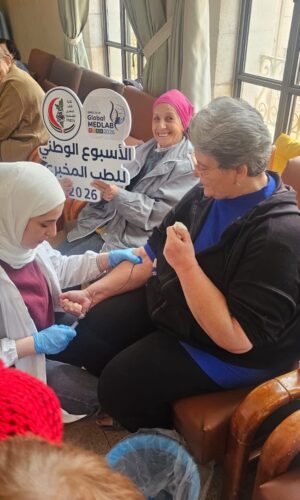
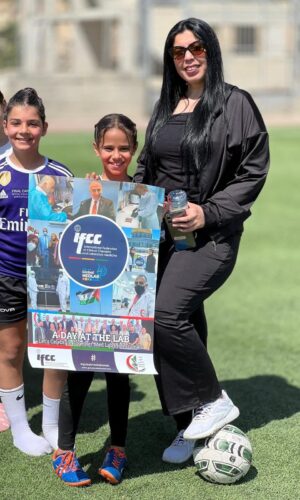

6th NACC Annual Congress Fosters Innovation in POCT, AI, and Digital Health for Resource-Limited Settings
Dr. Vivek Pant, Scientific Chair- NACC Congress 2026
Dr. Ram Vinod Mahato, Organizing Secretary- NACC Congress 2026
Dr. Santosh Pradhan, General Secretary- NACC
The 6th Annual NACC Congress was successfully held on May 30–31, 2026, at the Square Hotel in Lalitpur, Nepal. Held under the auspices of IFCC and the APFCB, the event gathered leading faculties, clinical biochemists, researchers, and young scientist across Nepal.
Congress Theme and Focus
This year’s congress centered on the theme: “Transforming Laboratory Medicine in Resource-Limited Settings: The Role of Point-of-Care Testing (POCT), Digital Integration, and Clinical Impact.” The sessions highlighted practical frameworks to upgrade diagnostic capacities in Nepal’s remote and rural healthcare facilities.
Inaugural Ceremony and Keynote Addresses
The congress was inaugurated by the Chief Guest, Hon’ble Dr. Ojaswee Sherchand, Chair of the Education, Health and Information Technology Committee, Federal Parliamentary Committee, who emphasized the crucial role of Biochemistry in diagnosis, treatment, and disease monitoring. NACC President Prof. Dr. Madhab Lamsal welcomed the delegates and highlighted the changing landscape of laboratory diagnostics in Nepal, stressing that integrating digital solutions and automated workflows is an urgent necessity to reduce diagnostic errors and improve clinical outcomes nationwide.
Scientific Program Highlights
The 6th Annual NACC Congress featured a robust scientific program spanning cutting-edge topics in molecular diagnostics, artificial intelligence, and digital health integration, delivered by distinguished national and international experts.
- Genetic Testing and Molecular Diagnostics
Dr. Orland Díez Gibert delivered a keynote on “Genetic testing for Hereditary Cancer in Resource-Limited Settings,” examining how point-of-care testing and digital integration can expand access to genetic screening in regions with limited laboratory infrastructure. Dr. Jay Prakash Sah followed with a presentation on “Rapid Molecular Diagnosis,” highlighting its role in enhancing clinical decision-making and patient outcomes, particularly in acute care settings where timely diagnosis is critical.
- Emerging Biomarkers and Therapeutics
Dr. Kul Raj Rai presented on “Non-Coding RNAs and ncRNA-Encoded Micro peptides,” exploring the emerging potential roles of these molecules in both diagnostics and therapeutics. This session underscored the growing importance of RNA-based biomarkers in laboratory medicine and their potential for translation into clinical practice.
- Artificial Intelligence in Laboratory Medicine
Dr. Anirban Ganguly delivered a forward-looking presentation on the “Applications of AI in Clinical Biochemistry Lab,” examining how machine learning algorithms can enhance diagnostic accuracy, streamline workflow automation, and support clinical decision-making. This session addressed the growing intersection of computational approaches and laboratory medicine, reflecting global trends in the field.
- Digital Integration and Point-of-Care Testing
Dr. Rajiv R. Sinha presented on “Connecting Care: Digital Infrastructure and POCT Redefining Lab Medicine,” emphasizing the transformative potential of digital health solutions in bridging diagnostic gaps in resource-limited settings. The presentation highlighted practical frameworks for integrating point-of-care testing with digital health records to enable real-time clinical interventions.
- Oral and Poster Presentations
The scientific program also featured oral presentations from early-career researchers, covering topics including diagnostic test evaluation and validation by Dr. Ashok Joshi, alongside original research presentations from young scientists competing for travel grants generously sponsored by Techno Biomed. A dedicated digital poster session with 26 presentations provided additional opportunities for knowledge exchange and networking.
- Corporate Scientific Sessions
Technology partners including Techno Biomed Pvt Ltd, Snibe Diagnostic, Wondfo Biotech, Edan and Lab Line Traders contributed to the scientific discourse through corporate sessions highlighting innovations in diagnostic technologies and their applications in laboratory medicine.
Awards and Recognition
A key focus of the congress was fostering young scientists. The congress awarded travel grants and recognized outstanding research. The winners were:
- Oral Presentation: Mr. Narayan Gautam (Universal College of Medical Science)
- Poster Presentations: Mr. Pritam Singh Sunwar (Institute of Medicine), Ms. Laxmi Poudel (Universal College of Medical Science), and Ms. Banjita Neupane (Kathmandu University School of Medicine)
- Techno Biomed Travel Grants: Mr. Sujit Das and Ms. Kusum Chhetri (Universal College of Medical Science).
Policy Advocacy and New Executive Board
A significant outcome of the congress was the advocacy for the professional rights and official recognition of Clinical Biochemistry graduates in Nepal’s public and private healthcare hierarchies. The congress concluded with the election of a new Executive Board for NACC. Prof. Dr. Prabodh Risal was elected as the new President, succeeding Prof. Dr. Madhab Lamsal. The new board members are as follow-
| Position | Name |
| President | Prof. Dr. Prabodh Risal |
| Immediate Past President | Prof. Dr. Madhab Lamsal |
| Senior Vice President | Dr. Vijay Kumar Sharma |
| Vice President | Dr. Ram Vinod Mahato |
| General Secretary | Dr. Santosh Pradhan |
| Treasurer | Mr. Raju Kumar Dubey |
| Secretary | Dr. Ranjan Suwal |
| Members | Dr. Asmita Pokhrel, Dr. Bijaya Mishra, Dr. Binita Bhattarai, Dr. Rachana Pandey, Dr. Saroj Thapa, Dr. Vivek Pant, Dr. Ritu Bashyal, Mr. Basanta Gelal, Mr. Deepak Mahaseth, Mr. Lalit Narayan Yadav, Mr. Manoj Sigdel, Mr. Narayan Gautam, Mr. Tapeshwor Yadav |
| Advisors | Prof. Dr. Bharat Jha, Prof. Dr. Dayaram Pokharel, Prof. Dr. Binod Kumar Yadav, Prof. Dr. Suprita Gupta, Prof. Dr. Baburaja Maharjan, Dr. Shravan Kumar Mishra |
Conclusion
The 6th NACC Congress was a resounding success, serving as a critical platform for knowledge exchange, collaboration, and strategic planning to advance laboratory medicine in Nepal. The breadth of topics from molecular diagnostics and AI to digital health infrastructure reflects NACC’s commitment to advancing laboratory medicine in Nepal through scientific excellence and technological innovation. The event concluded with a commitment from NACC to partner with public health bodies to standardize laboratory diagnostics in all seven provinces of Nepal.
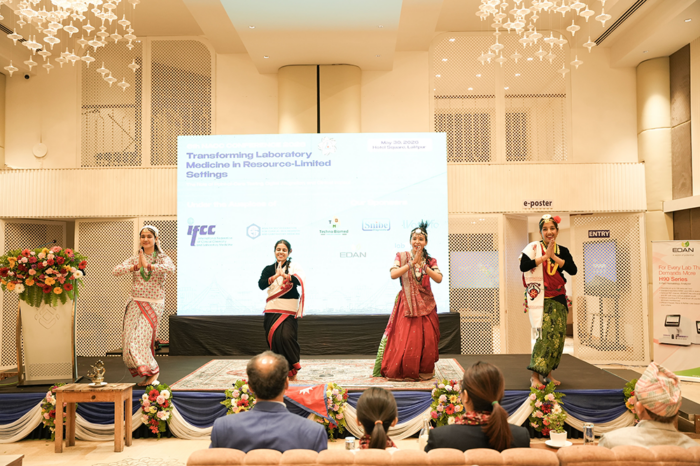
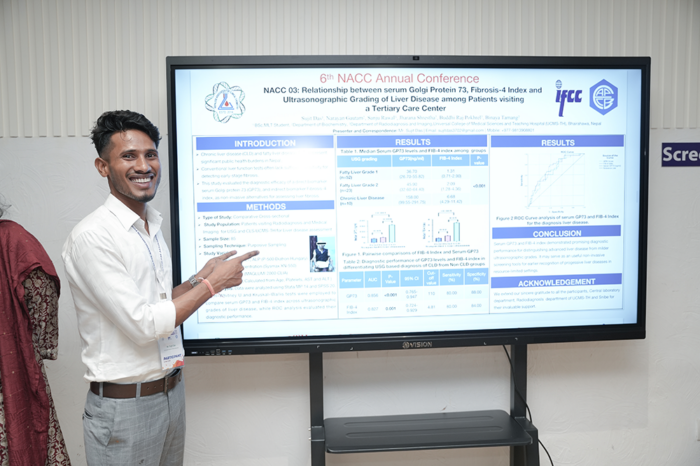
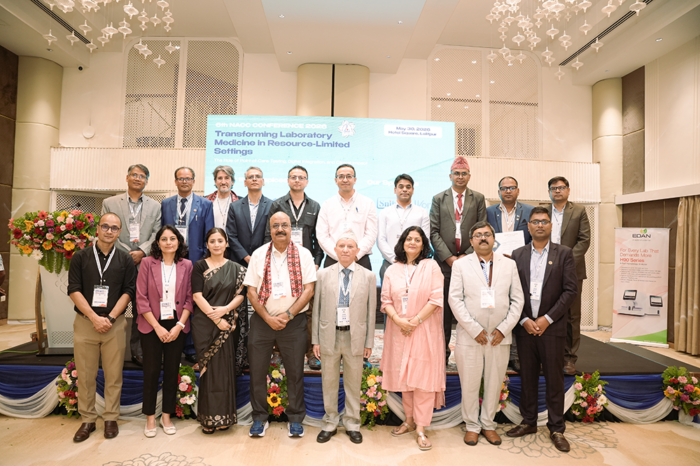
The 17th National Conference of the Romanian Association of Laboratory Medicine
Târgu Mureș, Romania, 27-29 May 2026
By: Dr. Daniela Jitaru, Romanian Association of Laboratory Medicine (RALM) President
The 17th National Conference with international participation of the Romanian Association of Laboratory Medicine (RALM), organized under the auspices of IFCC and EFLM and in collaboration with the Romanian Society of Microbiology, the Romanian Society of Hematology and the Universities of Medicine and Pharmacy of Bucharest, Târgu Mures, Cluj Napoca, Iași, and Timișoara, took place on 27-29 May 2026 in Târgu Mureș, Romania.
The event took place over 3 days in the Business Hotel from Târgu Mureș, which hosted the conference attended by 750 participants including doctors, biologists, chemists and scientists working in medical laboratories.
The scientific program comprised 10 sessions of plenary reports (31) and brief oral communications (57), and 2 poster sessions at which a total number of 46 electronic posters were presented. Thus, this program provided an excellent opportunity for participants to learn, be trained and find concrete answers for different situations encountered in everyday practice.
The posters and the slides for the oral presentations were written in English and conference abstracts were published in a supplement of Romanian Journal of Laboratory Medicine, a journal indexed in the ISI Web of Knowledge – Web of Science – Science Citation Index Expanded (Clarivate analytics) since 2008. Topics of interest in clinical chemistry, hematology, immunology, microbiology, molecular biology, laboratory management and quality control, along with professional guidelines were addressed during the various sessions. Among them, we mention: Laboratory quality management/ proficiency testing, tumor markers, advanced methods in hemato-oncology, advances in transplant immunology, clinical biochemistry, microbiology, transfusion medicine
The participants had the opportunity to ask questions and make comments after presentations, and also to share their experience in a particular field.
Eleven speakers from abroad were invited to give their lecture at the congress:
- Panagiotis Tsiamyrtzis – Dept. of Mechanical Engineering, Politecnico di Milano & Dept. of Statistics, Athens University of Economics and Business
- Ágota Drégelyi-Kiss – Óbuda University, Budapest, Hungary
- Peter Mori – MSc, Product Specialist Clinical Diagnostics
- Carla Escudero Martin – Senior Business Development manager, Beckman Coulter Diagnostics
- Ana Veselovskaia – Nicolae Testemițanu State University of Medicine and Pharmacy, Chișinău, Moldova (the Republic of)
- Diana Andrușca – Laboratory of Immunology and Molecular Genetics, PMSI Oncology Institute, Chișinău, Moldova (the Republic of)
- Sarah Fiers – Specialist diagnostic staining solutions ELITech Biomedical Systems (Bruker)
- Lambert Zhong – SNIBE Symposiums – Beyond automation, towards excellence
- Yannis Yang – SNIBE Symposiums – Operational excellence – SNIBE new-gen laboratory automation system hit the market
- Patricia Hoffmann – Sante Symposium
- Olga Bernaz – USMF “Nicolae Testemiţanu”, Chișinău, Moldova (the Republic of)
Also, 71 invited speakers from Romanian academic institutions significantly contributed to the scientific program of the congress.
As RALM manifests a strong interest in encouraging and motivating young laboratory professionals, many communications and posters were presented by young colleagues, most of them PhD fellows. During the conference a large exhibition of equipment, reagents, supplies, software was held, being involved 31 IVD companies. In addition, diagnostic industry organized 16 workshops that introduced new technologies and clinical assays.
After the closing ceremony, the general assembly of RAML took place where the president awarded the Marcela Zamfirescu Gheorghiu Prize for the best poster.
The scientific quality and variety of topics included in the program, as well as the level of organization of the conference, led to a successful scientific and professional event.
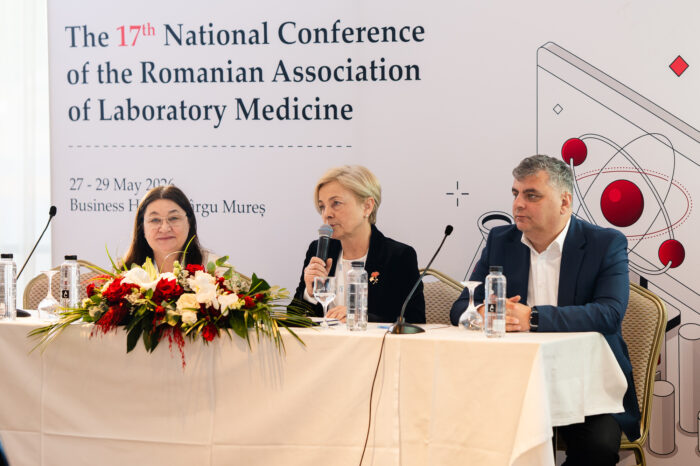
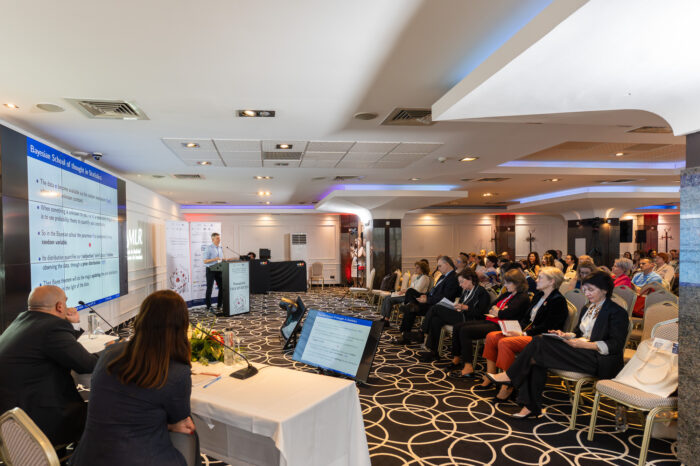
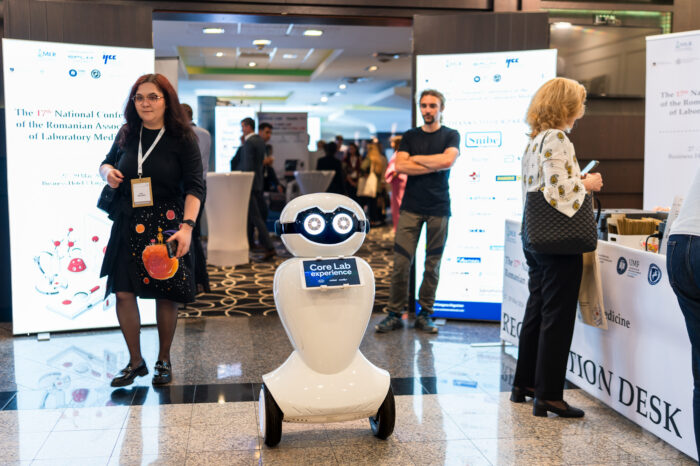
Mediterranean School of Flow Cytometry for Immunology
Dear colleagues, friends of immunology and flow Cytometry
We invite you to join
the Mediterranean School of Flow Cytometry for Immunology 2026
to be held in Rhodos, Greece, on September 27-October 1, 2026.
For registrations and information please contact us at info@kyttarometria.gr The school involves interactive presentations, cases discussions and problems solving by distinguished scientists from Italy and Greece.
Katerina Psarra,
President of the Hellenic Cytometry Society
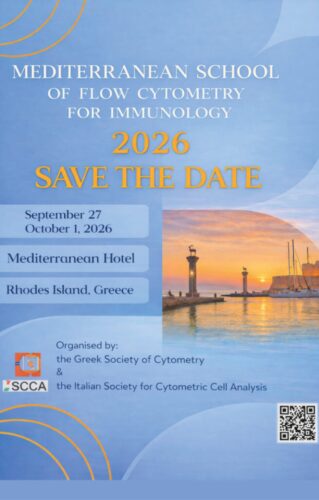
IFCC welcomes new Members
Getein Biotech Co. Ltd.; Shanghai Medconn Biotech
The IFCC is delighted to welcome two new Corporate Members to our global community. We look forward to working together to advance clinical chemistry and laboratory medicine worldwide. Please join us in extending a warm welcome to our newest members.

Getein Biotech Co., Ltd.
Getein Biotech Co., Ltd. was founded in March 2002, headquartered in Nanjing, and was listed on the main board of the Shanghai Stock Exchange in July 2017. The company is dedicated to the R&D, production, sales, and service of in vitro diagnostic reagents and instruments. Guided by clinical needs, and through continuous independent R&D and technological breakthroughs, Getein Biotech has established eight technology platforms, including POCT, chemiluminescence, biochemical assays, molecular diagnostics, thrombosis and hemostasis assays, blood cell analysis, urine analysis, and quality control & diagnostic raw materials. The company has gradually built a product system with POCT as the foundation, and chemiluminescence, automation lines, and molecular diagnostics as the core drivers.
The company’s products cover major disease areas such as cardiovascular diseases, kidney injury, infectious diseases, and oncology. Its current product portfolio includes multi-technology platforms, fully automated systems, high-throughput analyzers, benchtop automation lines, and biochemistry-immunoassay automation lines. The products are sold in over 130 countries and regions worldwide. The company has a well-established quality management system covering the entire lifecycle of R&D, procurement, production, quality control, sales, and after-sales service, fully aligned with international standards such as ISO13485.
For further information, visit: https://www.getein.com/

Shanghai Medconn Biotechnology Co., Ltd.
Medconn Diagnostics, established in 1992, is a leading company specializing in the research and development, manufacturing, sales, and service of in vitro diagnostic (IVD) products. We provide comprehensive diagnostic solutions.
Medconn Diagnostics Industrial Park, located in Jinshan District, Shanghai, spans nearly 40,000 square meters and serves as a hub for research, production, and logistics.
For further information, visit: https://www.medconn.com/en
News from the website
IFCC GMLW 2026 winners

DiV Junio
Número Junio 2026
Auspiciado por la Federación Internacional de Química Clínica, “Diagnóstico in Vitro” pretende ser un nexo de unión entre los países latinoamericanos, Portugal y España, que contribuya a difundir temas científicos a través de Internet, facilitando el conocimiento de publicaciones y temas de interés común a las ciencias de laboratorio clínico.
Click here to access the PDF version Click here to access the Flip version
Clic aquí para acceder la versión PDF Clic aquí para acceder la versión Flip

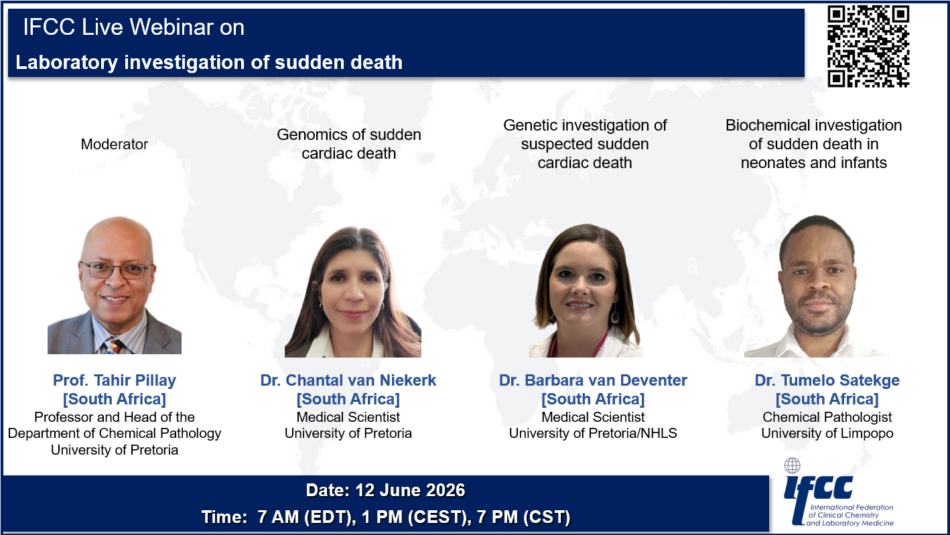
IFCC’s Calendar of Congresses, Conferences & Events
IFCC and Regional Federation Events
| AFCC 2026 NAIROBI | Nairobi, KE | 2026/07/16-17 | View event | |
| XXVII COLABIOCLI 2026 | Santa Cruz, BO | 2026/10/07-11 | View event | |
| XXVII IFCC WORLDLAB 2026 | New Delhi, IN | 2026/10/25-29 | View event | |
| XXVII IFCC-EFLM EUROMEDLAB 2027 | London, UK | 2027/05/16-20 | View event | |
| APFCB 2027 KUALA LUMPUR | Kuala Lumpur, MY | 2027/10/10-13 | View event | |
| XXVIII IFCC WORLDLAB 2028 – Date to be announced | Buenos Aires, AR |
Corporate Member Events with IFCC Auspices
| Diplomado international in Analytical Quality Management | Quality consulting, online event | 2025-10-01 | 2026-07-31 |
Other events with IFCC auspices

Advertise in IFCC eNews!
Showcase your products and initiatives to more than 57.000 laboratory medicine specialists throughout Europe, North America, Asia- Pacific, Middle East, Africa and Latin America: laboratory directors, clinical chemists, and other clinical laboratory specialists and technologists, leading manufacturers, distributors and dealers in the field.
- Ten issues per year
- Free-of-charge to readers
- Interactive digital edition
Published ten times a year:
- No 1/2 January/February
- No 3 March
- No 4 April
- No 5 May
- No 6 June
- No 7/8 July/August
- No 9 September
- No 10 October
- No 11 November
- No 12 December
For prices, formats and any further information on how your company can gain unique access\to international markets through advertsing with IFCC, please email us at enews@ifcc.org.
IFCC Corporate Members receive a 25% discount on current prices
IFCC Executive Board 2024-2026

Tomris Ozben
President

Nader Rifai
President Elect

Sergio Bernardini
Secretary

Alexander Haliassos
Treasurer

Tricia Ravalico
Corporate Representative
Regional Representatives

R. ERASMUS
African Federation of Clinical Chemistry (AFCC)

M. GERMANOS
Arab Federation of Clinical Biology (AFCB)

T. BADRICK
Asia-Pacific Fed for Clin Biochem and Lab Med (APFCB)

T. ZIMA
European Fed of Clin Chem and Lab Medicine (EFLM)

E. FREGGIARO
Latin-American Confederation of Clin Biochemistry (COLABIOCLI)

S. HAYMOND
North American Fed of Clin Chem and Lab Med (NAFCC)
IFCC Divisions and C-CC Chairs

C. COBBAERT (NL)
Scientific Division
Chair

V. STEENKAMP (ZA)
Education and Management Division Chair

HP BHATTOA (HU)
Communications and Publications Division Chair
D. GRUSON (BE)
Emerging Technologies Division
Chair

P. LAITINEN (FI)
Congresses and Conferences Committee Chair
IFCC Office Staff
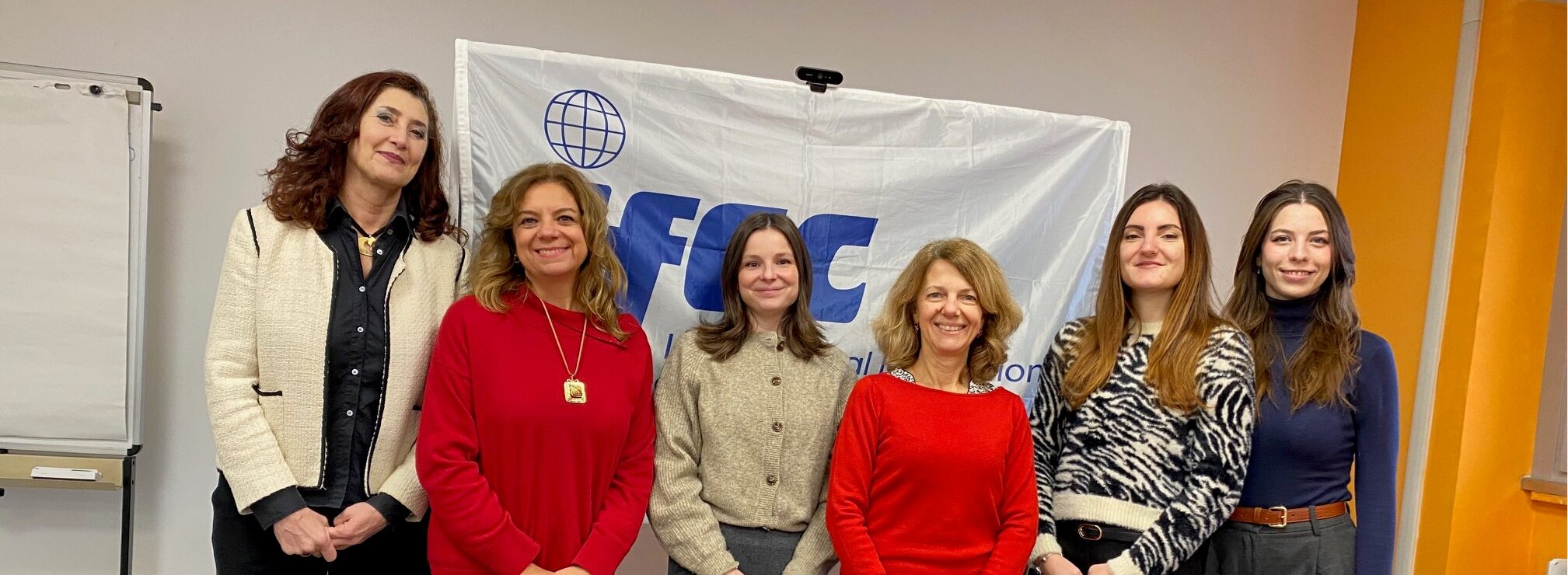
IFCC Membership
Full members
- Albania (AL) – ASoLaM
- Algeria (DZ) – SABC
- Argentina (AR) – CUBRA
- Armenia (AM) – AMLDS
- Australia and New Zealand (AU/NZ) – AACB
- Austria (AT) – ÖGLMKC
- Azerbaijan (AZ) – ASCLS
- Belgium (BE) – RBSLM
- Bolivia (BO) – SOBOBIOCLI
- Bosnia Herzegovina (BA) – AMBBIH
- Brazil (BR) – SBAC
- Brunei Darussalam (BN) – BAMLS
- Bulgaria (BG) – BSCL
- Burundi (BI) – ANTEBBU
- Cameroon (CM) CSBC
- Canada (CA) – CSCC
- Chile (CL) – SCHQC
- China (Beijing) (CN) – CSLM
- China Region (Taipei) (TW) – CACB
- Colombia (CO) – CNB
- Croatia (HR) – HDMBLM
- Cuba (CU) – SCPC
- Cyprus (CY) – ACLCY
- Czech Republic (CZ) – CSKB
- Denmark (DK) – DSKB
- Dominican Republic (DO) – CODOBIO
- Ecuador (EC) – SEBIOCLI
- Egypt (EG) – ESCC
- Estonia (EE) – ELMU
- Ethiopia (ET) – EMLA
- Finland (FI) – SKKY
- France (FR) – SFBC
- Georgia (GE) – GLMA
- Germany (DE) – DGKL
- Greece (GR) – GSCC-CB
- Guatemala (GT) – AQBG
- Hong Kong, China Region (HK) – HKSCC
- Hungary (HU) – MLDT
- Iceland (IS) – ISLM
- India (IN) – ACBI
- Indonesia (ID) – HKKI
- Iran (IR) – IAB
- Iraq (IQ) – ISMBG
- Ireland (IE) – ACBI
- Israel (IL) – ISCLS
- Italy (IT) – SIBioC
- Japan (JP) – JSCC
- Jordan (JO) – JSMLC
- Kenya (KE) – CCAK
- Korea (KR) – KSCC
- Kosovo (XK) – KACC
- Kuwait (KW) – KACB
- Latvia (LV) – LLSB
- Lebanon (LB) – SDBLB
- Libya (LY) – LACP
- Lithuania (LT) – LLMD
- Luxembourg (LU) – SLBC
- Malawi (MW) – MAMLS
- Malaysia (MY) – MACB
- Mauritania (MR) – SMBC
- Mexico (MX) – CMCLABC
- Moldova (MD) – AMLRM
- Montenegro (MNE) – MACC
- Morocco (MA) – SMCC
- Myanmar (MM) – MMTA
- Nepal (NP) – NAMLS
- Netherlands (NL) – NVKC
- Nigeria (NG) – ACCN
- North Macedonia (MK) – MSMBLM
- Norway (NO) – NSMB
- Pakistan (PK) – PSCP
- Palestine (PS) – PMTA
- Panama (PA) – CONALAC
- Paraguay (PY) – ABP
- Peru (PE) – AMPPC
- Philippines (PH) – PAMET
- Poland (PL) – PTDL
- Portugal (PT) – SPML
- Romania (RO) – RALM
- Russia (RU) – FLM
- Saudi Arabia (SA) – SSCC
- Senegal (SN) – 2SBC
- Serbia (SRB) – DMBS
- Singapore (SG) – SACB
- Slovak Republic (SK) – SSKB
- Slovenia (SI) – SZKKLM
- South Africa (ZA) – SAACB
- Spain (ES) – SEMEDLAB
- Sri Lanka (LK) – ACBSL
- Sudan (SD) – SSCB
- Sweden (SE) – SSCC
- Switzerland (CH) – SSCC
- Syrian Arab Republic (SY) – SCLA
- Thailand (TH) – TSCP
- Tunisia (TN) – STBC
- Türkiye (TR) – TBS
- Ukraine (UA) – ACCLMU
- United Arab Emirates (UAE) ECCS
- United Kingdom (UK) – ALM
- United States (US) – ADLM
- Uruguay (UY) – ABU
- Vietnam (VN) – VACB
- Zambia (ZM) – BSZ
- Zimbabwe (ZW) – ZACB
Corporate members
- Abbott Laboratories
- Agappe Diagnostics Ltd
- Arkray Inc.
- Autobio Diagnostics Co. Ltd.
- BD Diagnostics-Preanalytical Systems
- Beckman Coulter, Inc.
- Beijing Wantai Biological Pharmacy Enterprise Co. Ltd.
- Bio-Rad Laboratories
- BioMérieux
- Boditech Med Inc.
- The Binding Site Group Ltd.
- Controllab
- Diagnostica Stago
- DiaSys Diagnostic Systems Gmbh
- Et Healthcare Inc.
- Fujifilm Wako Pure Chemical Corporation
- Fujirebio-Europe
- Gentian As
- Getein Biotech Co., Ltd.
- Greiner Bio-One Gmbh
- Guangzhou Wondfo Biotech Co. Ltd.
- Helena Biosciencies Europe
- Hytest Ltd.
- Immunodiagnostic Systems
- Instand E.V.
- Instrumentation Laboratory
- I-Sens, Inc.
- Jiangsu Bioperfectus Technologies Co. Ltd.
- Labor Dr. Wisplinghoff
- Labor Team W Ag
- Lifotronic Technology Co. Ltd.
- Maccura Biotechnology Co., Ltd.
- MedicalSystem Biotechnology Co., Ltd.
- Medix Biochemica
- Menarini Diagnostics
- Mindray – Shenzhen Mindray Bio-Medical Electronics Co., Ltd.
- Nagase Diagnostics Co., Ltd.
- Nanjing Realmind Biotech Co., Ltd.
- Nittobo Medical Co. Ltd.
- PHC Europe B.V.
- Quality Consulting
- QuidelOrtho
- Radiometer Medical Aps
- Randox Laboratories Ltd.
- Roche Diagnostics Gmbh
- Sansure Biotech Inc
- Sebia S.A.
- Sentinel Ch Spa
- Shanghai Kehua-Bioengineering Co., Ltd.
- Shanghai Medconn Biotechnology Co., Ltd.
- Shenzhen Drawray Biotech Co. Ltd
- Shenzhen Reetoo Biotechnology Co. Ltd.
- Shenzhen Yhlo Biotech
- Siemens Healthineers
- Snibe Co., Ltd
- Stiftung Fuer Pathobiochemie Und Molekulare Diagnostik (SPMD-RfB)
- Sysmex Europe Gmbh
- Technogenetics
- The Binding Site Group Ltd.
- Thermo Fisher Scientific
- Tosoh Corporation
- Wondfo Biotech Co., Ltd.
- Zybio Inc.
Affiliate Members
- Algeria (DZ) – SABGM
- Argentina (AR) – FBA
- Armenia (AM) – AALM
- Botswana (BW) – BICLP
- Brazil (BR) – SBPC/ML
- China (CN) – LMC
- Egypt (EG) – EAHCQPS
- France (FR) – LABAC
- India (IN): ACCLMP, AMBI and AMU
- Iran (IR) – IACLD
- Jordan (JO) – MTLS
- Kazakhstan (KZ) – FLM
- Mexico (MX): CONAQUIC A.C., CONQUILAB, FEMPACML and FENACQC
- Nepal (NP) – NACC
- Philippines (PH) – PCQACL
- Romania (RO) – OBBCSSR
- Serbia (RS) – SCLM
- Spain (ES): SANAC
- Sri Lanka (LK) – CCPSL
- Tunisia (TN) – ATUTEB
- Türkiye (TR) – KBUD
- Ukraine (UA) – AQALM
- United Arab Emirates (UAE) – UAEGDA
Regional Federations
- Arab Federation of Clinical Biology (AFCB)
- African Federation of Clinical Chemistry (AFCC)
- Asia-Pacific Federation for Clinical Biochemistry and Laboratory Medicine (APFCB)
- European Federation of Clinical Chemistry and Laboratory Medicine (EFLM)
- Latin America Confederation of Clinical Biochemistry (COLABIOCLI)
- North American Federation of Clinical Chemistry and Laboratory Medicine (NAFCC)
Publisher
The Communications and Publications Division publishes ten editions of the e-News per year, including two double issues.
Editor
Head of the Department of Biochemistry Naval and Veterans Hospital
Athens – Greece
E-mail: enews@ifcc.org
The eNews is distributed to all IFCC members registered on-line to receive it and to all IFCC sponsors.
Deadlines for submissions to the eNews
N° 3 – March: by mid-February
N° 4 – April: by mid-March
N° 5 – May: by mid-April
N° 6 – June: by mid-May
N° 7/8 – July/August: by mid-June
N° 9 – September: by mid-August
N° 10 – October: by mid-September
N° 11 – November: by mid-October
N° 12 – December: by mid-November
If you want to submit an article or advertisement to be published in the eNews, send it to: enews@ifcc.org
Copyright © 2026 IFCC. All rights reserved. Contents may not be reproduced without the prior permission of the Communications and Publications Division (CPD) of the IFCC.