
Marilena Stamouli,
eNews Editor
Editorial
Message from the eNews Editor
Dear colleagues,
For almost five decades World Environment Day, celebrated on June 5, has been raising awareness, supporting action, and driving changes for protecting the environment. Characterized by a high level of environmental awareness, the laboratory medicine community worldwide is continuously implementing pragmatic, green strategies for waste management, energy and water consumption, as well as for the reduction of usage of hazardous chemicals, without compromising patient care, thus contributing to the global drives for environmental sustainability.
In her message, our President, Prof. Tomris Ozben, invites us to register and participate in the XXVII IFCC WorldLab Congress, to be held in New Delhi from October 25–29, 2026, one of the most influential global events in laboratory medicine, which will bring together laboratory professionals, clinicians, researchers, and healthcare decision-makers. She also shares with us important information about international events and conferences, which she attended and participated as an invited speaker.
IFCC Global Med Lab Week, held from April 20 to 26, 2026, under the theme “A Day at the Lab,” was a global success, celebrated with great enthusiasm, creativity, and commitment. We extend our gratitude to all participants and contributors and their commitment to advance laboratory medicine worldwide.
In this issue you can read interesting news from the IFCC Committee on Mobile Health and Bioengineering in Laboratory Medicine, the IFCC Emerging Technologies Division and the IFCC Task Force on Outcome Studies in Laboratory Medicine, and their outstanding work to improve patient outcomes and shape the future of laboratory medicine in the context of artificial intelligence and digital ecosystems. Moreover, the group on Digital Competence share with us their activities to enhance the digital skills of young scientists, and the IFCC Artificial Intelligence in Laboratory Medicine Committee announces an AI implementation contest, which aims to showcase real world AI applications.
News from our member societies of Mexico, Spain, Japan and Pakistan are also included in this issue, showcasing the valuable work of these societies for diagnostic innovation, continuous improvement, knowledge dissemination and professional exchange.
In this issue you can also meet Dr. Kalen Nissen, Corporate Representative for the IFCC Committee on Clinical Applications of Cardiac Bio-Markers, who shares with us her valuable experience of working with experts at the forefront of cardiac biomarker science.
UNIVANTS share with us some of the best practice examples from multidisciplinary awarded teams that achieved improved outcomes for patients by means of team collaboration.
We are pleased to welcome two new Corporate Members: Shanghai Medconn Biotechnology Co., Ltd. and Getein Biotech Co., Ltd. and we are looking forward to have a fruitul collaboration. We are also very pleased to congratulate two IFCC officers that have received prestigious ADLM Awards: Prof. Qing Meng, awarded with the Academy Professor Alvin Dubin Award for Outstanding Contributions to the Profession and the Academy, and Dr. Cate Omosule, awarded with the Academy George Grannis Award for Excellence in Research and Scientific Publication.
Marilena Stamouli
The voice of IFCC
IFCC President’s Message
June 2026
By Tomris Ozben
Prof. Tomris Ozben
EuSpLM, Ph.D.
Dear Colleagues, Dear Friends Around the World,
I would like once again to express my sincere gratitude to all of you for your invaluable contributions and dedication within IFCC. Thanks to your continued commitment, our organization keeps growing stronger, further uniting laboratory medicine professionals from around the world.
It is my great pleasure to extend my sincere appreciation to all participants of the IFCC Global Med Lab Week, held from April 20 to 26, 2026, under the theme “A Day at the Lab,” for their extraordinary enthusiasm, creativity, and commitment. The impressive number of videos, messages, photographs, greetings, and social media contributions received from IFCC member federations and countries worldwide truly highlighted the strength, diversity, and unity of the global IFCC laboratory medicine community.
This project is orgeanized by the IFCC Committee on Public Relations (C-PR), in collaboration with the IFCC Communication & Publication Division (CPD) and the Task Force Young Scientists (TF-YS), with support from the Committee on Internet and Digital Communications (C-IDC), to showcase the essential role that medical laboratory professionals worldwide play in patient healthcare.
It was also a great pleasure for me to prepare a congratulatory video message for the winners of the Global Med Lab Week (GMLW). Once again, this initiative has confirmed itself as one of the most engaging and globally attended IFCC events, attracting participants from all over the world. I would like to sincerely thank all participants whose passion, creativity, and enthusiasm contributed to the phenomenal success of this year’s edition. My deepest gratitude also goes to all organizers, committees, and contributors whose dedication, collaboration, and professionalism continue to make IFCC activities and events remarkable examples of international scientific cooperation and shared commitment to advancing laboratory medicine worldwide.
A very special appreciation goes to the IFCC young scientists and young laboratory professionals, whose energy, passion, creativity, and innovative spirit have been truly outstanding. Their active involvement and valuable contributions are a source of inspiration for all of us and reflect the bright future of laboratory medicine worldwide.
This year, the three best videos, three best audio contributions, and three best photographs were awarded, selected from the many submissions received from around the world, all reflecting exceptional commitment, creativity, and passion. I warmly congratulate the winners and encourage everyone to continue supporting this important IFCC global initiative and to join us again for the next edition of IFCC Global Med Lab Week in 2027. Together, we can continue promoting the vital role of laboratory medicine in improving healthcare and patient outcomes worldwide. Thank you once again for your valuable participation, dedication, and continued support.
On May 6, the IFCC Executive Board Meeting was held online to discuss the latest key developments and strategic initiatives within our organization. I would like once again to warmly thank all Executive Board members for their outstanding work, commitment, and collaboration. I am also very pleased to welcome two new Corporate Members: Shanghai Medconn Biotechnology Co., Ltd. and Getein Biotech Co., Ltd. With their addition, the total number of IFCC Corporate Members has now reached 61, demonstrating the continued growth and expansion of IFCC.
We are pleased to announce a Call to receive applications for the IFCC Professional Exchange Programmes (PEP), which support the training of young scientists and the continuing education of laboratory professionals at clinical laboratory centers and IVD facilities worldwide. Completed applications and supporting documents should be sent by email to the IFCC Office no later than June 30, 2026.
I am also very pleased to congratulate two IFCC officers who have received prestigious ADLM Awards:
- Prof. Qing Meng, CPD EC Member and Co-Editor of eJIFCC, WG eJIFCC Co-Chair
Academy Professor Alvin Dubin Award for Outstanding Contributions to the Profession and the Academy - Dr. Cate Omosule, C-ETPLM Member
Academy George Grannis Award for Excellence in Research and Scientific Publication
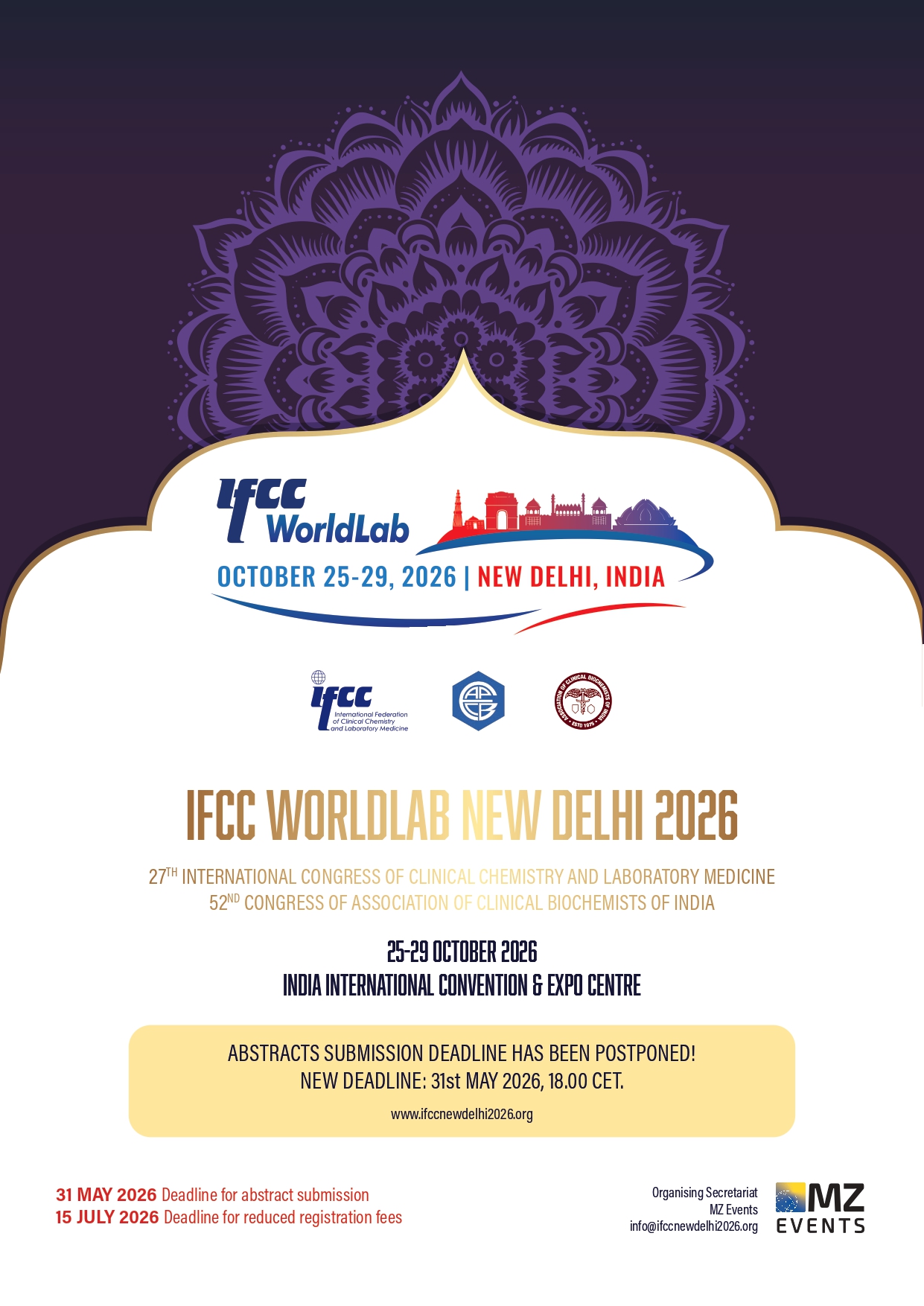
It is my great pleasure to invite you to register and participate in the XXVII IFCC WorldLab Congress, to be held in New Delhi from October 25–29, 2026, one of the most influential global events in laboratory medicine. WorldLab 2026, hosted in New Delhi by the Association of Clinical Biochemists of India, is expected to attract a large and highly engaged international audience from all six IFCC Regional Federations. The Congress will bring together laboratory professionals, clinicians, researchers, and healthcare decision-makers, providing an outstanding platform for scientific exchange, collaboration, and global engagement.
I am also pleased to inform you that visa arrangements have been carefully coordinated by MZ Events in close collaboration with local authorities, ensuring smooth participation for IVD companies, exhibitors, and all international attendees. The deadline for abstract submission was May 31, 2026, while reduced registration fees will be available until July 15, 2026. I am pleased to report that a high number of abstracts was received from 71 countries worldwide.
As in previous editions, WorldLab 2026 will host the IFCC Young Scientist Forum, with scholarships available to support early-career professionals who have an accepted abstract and fulfill the other eligibility criteria. This initiative offers a unique opportunity for young scientists to engage with leading experts, exchange knowledge and expertise, and benefit from extensive networking opportunities within an international and multidisciplinary environment, including interactions with major industry representatives. Such events are invaluable opportunities to exchange ideas, foster collaboration, and continue advancing our discipline while expanding professional horizons.
The IFCC Council Meeting will take place on Sunday, October 25, 2026, with the participation of Presidents and National Representatives of IFCC Full and Affiliate Member Societies, as well as Corporate Member Representatives. The IFCC Executive Board, together with the Chairs and Members of IFCC Functional Units, looks forward to meeting with IFCC Council Members to report on activities carried out since the previous Council Meeting/General Conference and to discuss expectations and emerging challenges in laboratory medicine.
This month, I had the pleasure of participating in three inspiring international events and conferences as an invited speaker.
- From May 11–13, I attended the MedTech Forum 2026 in Stockholm, the largest health and medical technology industry conference in Europe and a key event bringing together industry leaders, innovators, and investors to discuss future opportunities in the medical technology and in vitro diagnostic sectors. The programme addressed many of the most relevant and pressing topics in healthcare innovation and sustainability.
I was honoured to participate in the panel session entitled “Healing the Planet: Global Sustainability Trends Transforming Healthcare,” focusing on how healthcare systems worldwide are undergoing a profound sustainability transition through climate action, resource management, circular innovation, and digital efficiency, and what these developments mean for medical technology leaders. The session adopted a strongly international perspective, incorporating insights from global health federations and professional organizations to frame the medtech industry’s sustainability efforts within a broader global context.
I concluded my presentation by emphasizing that sustainability in healthcare and laboratory medicine is no longer optional; it is a core dimension of quality, efficiency, and responsibility. If we want to continue delivering high-quality diagnostics, we must do so in a manner that is environmentally sustainable and resilient for the future. This requires collaboration among all stakeholders, including clinicians, laboratory professionals, industry partners, policymakers, and patients. Most importantly, it requires a shift in mindset: we must move from viewing sustainability as a constraint to recognizing it as an opportunity to redesign healthcare for the better. Sustainable laboratories are not only better for the planet, but are also essential for the future of high-quality patient care.
- The second event in which I participated was the XVIII Baltic Association of Laboratory Medicine (BALM) Congress, held at the Latvian National Library in Riga, Latvia, from May 14–16, 2026. BALM, established by the societies of Estonia, Latvia, and Lithuania, has become an important platform for scientific collaboration and professional exchange in laboratory medicine. Over the years, BALM congresses have earned an excellent reputation for their high scientific quality and international character.
This important international congress brought together laboratory professionals, clinicians, and researchers to discuss the latest advancements and challenges in laboratory medicine. During the meeting, I delivered a plenary lecture entitled “Navigating Sustainable Advances, Innovations, and Challenges in Laboratory Medicine: A Green Perspective on Current Trends and Obstacles.”
My lecture presented a future-oriented perspective on how the laboratory medicine community can integrate sustainability into daily practice by encouraging environmentally responsible approaches across procurement strategies, laboratory workflows, and scientific advancement. Drawing on emerging trends in the field, I discussed how laboratory medicine can align its operations with broader environmental goals while fostering a culture of sustainability encompassing resource management, sustainable procurement and supply chains, workflow optimization, technological innovations, laboratory automation, digital transformation as an enabler of sustainability, rational utilization of essential tests in collaboration with WHO, quality improvement, and leadership.
- Later this month, from May 26–29, I will attend the renowned Santorini Conference, “Systems Medicine and Personalised Health & Therapy,” once again confirming its reputation as a high-level scientific meeting dedicated to cutting-edge developments in Personalized Medicine. I am honoured to deliver the plenary lecture entitled “Green Labs for Improving Environmental Sustainability: Priorities for Medical Laboratories in Transitioning Towards Green and Sustainable Practices.”
I remain confident that, through our collective efforts, IFCC will continue to achieve new milestones and inspire positive change worldwide.
With my warmest regards,
Tomris Ozben
IFCC President
IFCC C-MHBLM: mHealth and the Laboratory of the Future in Motion
By B. Gouget (FR), IFCC ETD-EC liaison to C-MHBLM; J. Nichols (US), Chair of IFCC C-MHBLM; and C-MHBLM members: L. Abdel-Wareth (UAE), A. Ganguly (IN), J. Rytkonen (FI), and E. Saatci (TR)
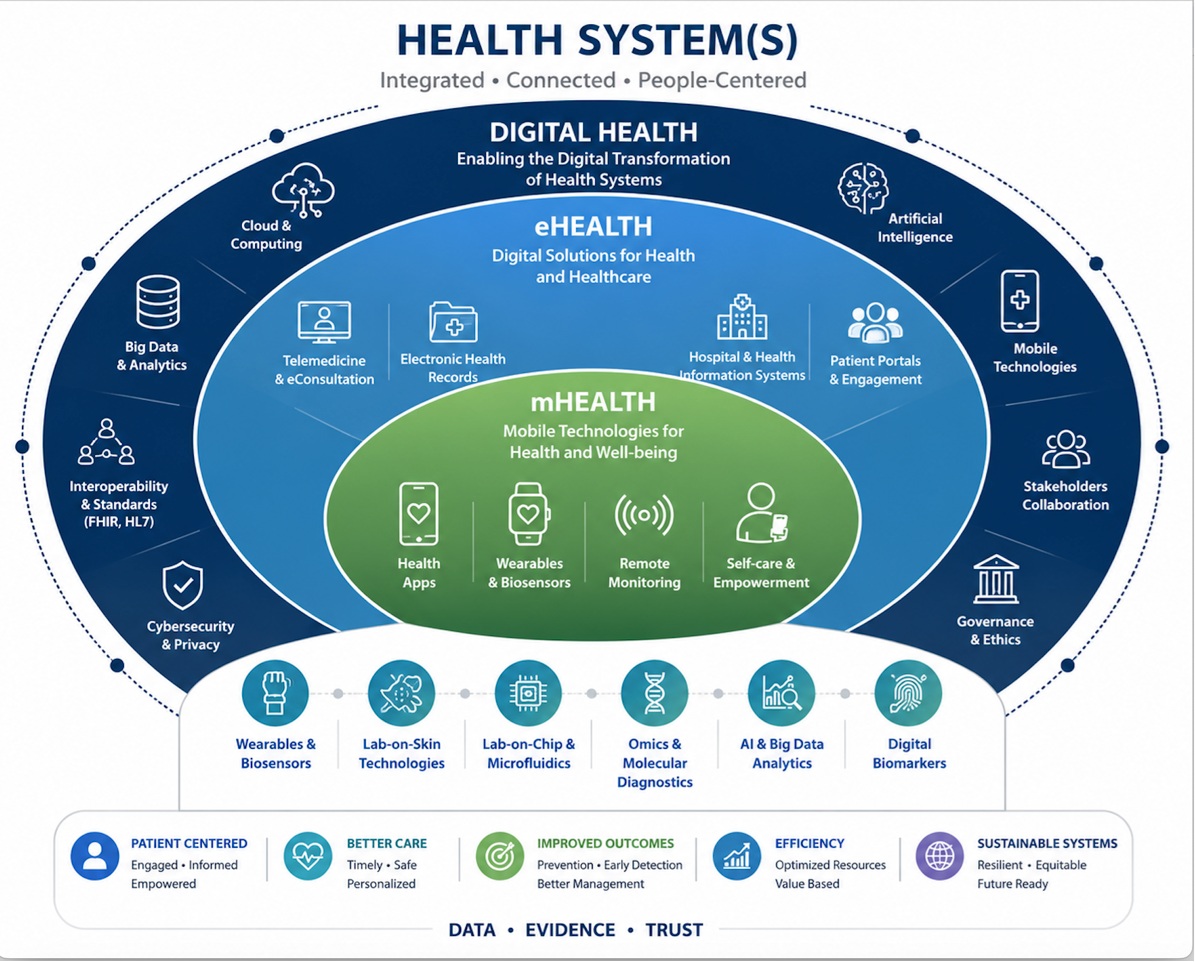
The IFCC C-MHBLM continues to strengthen its innovation strategy by placing mHealth at the center of its scientific reflection and international communication. The Committee’s ongoing work, led by Anibar Ganguly for the preparation and coordination of this mHealth initiative, reflects a shared vision aimed at anticipating future developments in digital healthcare and laboratory medicine. Far beyond a technological trend, mobile health is now emerging as one of the most powerful drivers of transformation in laboratory medicine and healthcare systems worldwide. The Committee is currently conducting a broad inventory of existing mHealth applications and future developments, reflecting its commitment to anticipating major changes in laboratory medicine and helping shape future international standards. mHealth is profoundly redefining patient care by improving access to healthcare through telemedicine, remote monitoring, and decentralized diagnostic solutions. Patients increasingly expect faster, easier, and more personalized access to medical services. Connected devices, wearable sensors, medical applications, artificial intelligence, and point-of-care technologies are progressively shifting healthcare away from the traditional hospital-centered model toward a new paradigm of medicine that is continuous, predictive, personalized, and patient-centered.
Sensor technologies are evolving rapidly. Smartphones are increasingly becoming complete medical tools for biological diagnosis. Wearable sensors and wearable biosensors are expanding continuous health monitoring capabilities. “Lab-on-Skin” technologies transform the body into a continuous source of biological data, while Lab-on-a-Chip systems and microfluidics are revolutionizing omics by enabling high-throughput, automated, and highly sensitive molecular analysis on miniature, palm-sized devices. These technologies are no longer isolated innovations, they are converging toward what may be described as embedded biology, where biological monitoring becomes seamlessly integrated into everyday life. In this context, artificial intelligence and mHealth are becoming inseparable components of integrated care.
For the C-MHBLM, innovation is not measured by the number of connected devices available, but by their true clinical value. A fundamental distinction must be made between consumer wellness tools and validated medical devices capable of supporting reliable clinical decision-making. Transforming digital data into medically actionable information requires analytical rigor, validation, and strong governance. Digital biomarkers generated outside traditional laboratory environments must demonstrate comparability with standardized methods, reproducibility, traceability, and clinical relevance before they can be safely integrated into routine medical practice. This requirement reinforces the essential role of laboratory professionals. The laboratory is evolving into a true center of biological intelligence, where biological expertise becomes central to the governance of digital medicine.
The Committee is also exploring the major potential of Big Data and artificial intelligence in managing the massive data streams generated by wearables, laboratories, imaging systems, and electronic medical records. Time-series analysis, predictive models, and clinical decision support tools allow healthcare systems to move from reactive medicine toward proactive medicine, anticipating disease progression rather than responding only after clinical deterioration occurs. This transformation creates opportunities for earlier intervention, better disease prevention, and more personalized patient management. Such transformation cannot succeed without close and integrative collaboration between clinicians, laboratory professionals, patients, and industry partners. The C-MHBLM strongly promotes a vision in which interoperability, transparency, and trust form the foundation of a sustainable healthcare ecosystem. Patients themselves become active contributors to health data generation, while laboratories evolve into strategic hubs for interpretation and decision support. Cybersecurity represents another major pillar of this transition. For the Committee, the protection of health data, authentication of connected devices, and integrity of medical information are not simply IT concerns, they are core components of quality assurance in laboratory medicine. Securing digital health infrastructures is essential for maintaining both clinical reliability and patient trust.
Despite its tremendous promise, mHealth also raises critical concerns that must not be ignored. One major challenge is the risk of growing healthcare inequalities. A two-speed healthcare system could emerge, where some patients benefit from advanced digital medicine while others remain excluded and limited to traditional “old-style” care. Another concern is excessive technological dependence. Overreliance on digital tools may lead to a loss of autonomy, reduced human interaction in care, and blind trust in technology at the expense of clinical judgment. Technology must support medicine, not replace medical responsibility. mHealth represents far more than a technological revolution; it constitutes a profound paradigm shift for laboratory medicine. The future of biological diagnostics will not depend on the accumulation of digital tools alone, but on the ability to govern their use intelligently, ensure their clinical reliability, and preserve patient trust. Through this initiative, the IFCC C-MHBLM clearly reaffirms its ambition to position laboratory medicine at the very heart of global digital transformation. The next frontier is not more technology, but in the responsible and effective governance of technology. The future laboratory will not be limited to a physical location but will extend into the patient’s daily environment through validated decentralized testing and continuous biological monitoring. The laboratory of the future is no longer a distant vision, it is already in motion!
Beyond Technology: IFCC ETD-EC reinvents scientific communication in the AI era

By Serapheim Karathanos, Bernard Gouget, Damien Gruson, Swarup Shah, Yan Liu, Sven Ebert, IFCC ETD-EC
The IFCC Emerging Technologies Division Executive Committee (ETD-EC) is entering a new phase of development in which innovation is no longer limited to emerging technologies alone, but also extends to the way scientific communities communicate, collaborate, and shape the future of global healthcare. In today’s rapidly evolving digital environment, scientific excellence by itself is no longer sufficient to ensure international visibility and influence. Artificial intelligence, social media, digital ecosystems, and real-time information platforms are profoundly transforming how scientific knowledge is produced, disseminated, and perceived worldwide. Visibility has become a strategic dimension of scientific leadership. In this context, ETD aims to promote a more agile, dynamic, innovative, and future-oriented communication strategy capable of positioning the IFCC among the leading international voices in innovation, digital health, and the future of diagnostics. This vision combines scientific expertise with advanced digital communication tools, including AI-enhanced scientific communication, short strategic “Innovation Briefs,” expert video interviews, webinars and interactive digital forums, LinkedIn and professional social media visibility, podcasts dedicated to emerging diagnostics, AI-optimized web content and scientific SEO, collaborative digital platforms, and potentially virtual or hybrid innovation summits.
Several initiatives are currently under discussion, including innovation briefs, digital educational formats, interdisciplinary webinars, and enhanced international online visibility for IFCC activities. ETD also aims to foster stronger interactions between IFCC divisions, regional federations, young scientists, clinicians, researchers, and international partners to build a more connected global innovation ecosystem. Such approaches could significantly strengthen the international visibility of IFCC-ETD activities while reaching younger generations of healthcare professionals and reinforcing interactions with clinicians, researchers, industry leaders, public health institutions, and patient organizations. Traditional communication approaches centered mainly on congresses and static PDF publications must progressively evolve toward integrated digital communication ecosystems capable of engaging broader audiences and creating more interactive scientific communities. Through these initiatives, ETD seeks not only to disseminate scientific information more efficiently, but also to position IFCC as an influential voice in the future of diagnostics, digital health, predictive medicine, and integrated healthcare.
The objective is clear: to position lab medicine as a more visible, connected, and strategic component of the profound global transformations currently reshaping healthcare. In parallel, ETD recognizes that the rise of AI and large digital communication ecosystems is fundamentally transforming the way scientific information circulates across the international healthcare landscape. In tomorrow’s scientific environment, visibility will depend not only on scientific excellence itself, but also on the ability to deliver structured, accessible, shareable, and AI-readable content capable of rapidly circulating across global digital networks and reaching clinicians, researchers, institutions, industry leaders, policymakers, and patient communities alike. Beyond technology alone, ETD seeks to promote a renewed vision of lab medicine : innovative, interdisciplinary, digitally connected, patient-centered, and fully integrated into the future architecture of global healthcare .In this evolving landscape, the future influence of the IFCC will depend not only on its scientific expertise, but also on its capacity to communicate a forward-looking vision, establish strategic international partnerships, and actively contribute to shaping the global dialogue on healthcare innovation and digital transformation.
Unlock the Clinical Value of Your Laboratory: IFCC Online Modules on Outcome Studies
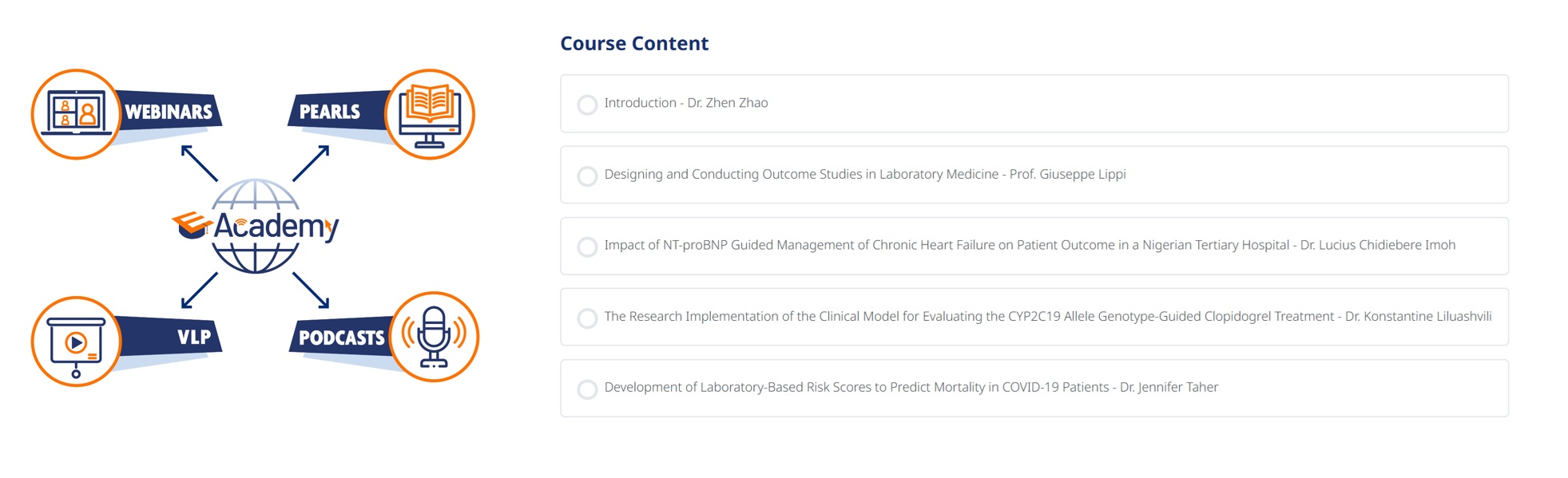
Are you ready to move beyond analytical performance and demonstrate the true clinical impact of your laboratory services? The IFCC online modules on outcome studies in laboratory medicine are designed to help you do exactly that. The IFCC Task Force on Outcome Studies in Laboratory Medicine (TF-OSLM) was formed in October, 2021. The important mission of the task force is to enhance the visibility of Laboratory Medicine through outcome studies
In today’s healthcare environment, it’s no longer enough to deliver accurate results—you need to show how those results improve patient care. Outcome studies provide the evidence that links laboratory testing to better clinical decisions, improved patient outcomes, and more efficient use of healthcare resources.
These developed modules will guide you through the entire process of designing and conducting outcome studies, even if you have limited prior research experience. Whether you are a laboratory scientist, clinician, or manager, you’ll gain practical skills
Delivered online, these modules allow you to learn at your own pace while benefiting from international expertise. Real-world examples and case studies ensure that the content is directly applicable to everyday laboratory practice.
Demonstrating the value of laboratory testing is essential for influencing clinical practice, securing resources, and supporting evidence-based healthcare. By developing expertise in outcome studies, you position yourself—and your laboratory—as a key driver of patient-centered care.
The modules will be delivered as on demand presentations available on the IFCC website. Visit: https://eacademy.ifcc.org/courses/unlock-the-clinical-value-of-your-laboratory-ifcc-online-modules-on-outcome-studies/

Call For Outcome Study Proposals
IFCC’s Task Force on Outcome Studies in Laboratory Medicine (TF-OSLM) is seeking research proposals for studies evaluating the impact of laboratory testing on health outcomes.
- Strategic Objectives
1. To promote directed research evaluating the role of laboratory medicine on clinical outcomes
2. To build awareness and understanding with regards to the critical role laboratory medicine plays in healthcare outcomes
3. Preference will be given to multi-center studies
- Timeline
Release date: May 12, 2025
Application deadline: October 1, 2026 @ 11:59 PM EST
Award notification: January, 2026
- Application process
● Applications and supporting documents (in PDF format) must be submitted via the Application form link.
● For any questions, please email the IFCC Office (Smeralda Skenderaj, email: smeralda.skenderaj@ifcc.org).
● Applications must be submitted in English. All supporting documents that are not in English must be accompanied by an English translation
● Please follow the guidelines carefully when developing and drafting a proposal
- Eligibility criteria and conditions
General requirements:
The grant eligibility requirements concern the submitting organisation/ individual (“who”), project content (“what”) and project approach (“how”). Applicants should consider carefully if they fulfil the requirements and have the capacity to offer and implement projects as expected by the funding grant.
Who is eligible to apply?
The grant funding seeks to reach out beyond traditional role-players in laboratory medicine and encourage applications from interdisciplinary teams, including, but not limited to clinical teams collaborating with the clinical laboratory. At least one of the research participants must belong to one of the IFCC member organizations.
Categories of eligible recipients are individuals or teams from the following:
● Clinical laboratory organizations
● Universities and other academic institutions
● Private or public health care facilities
● Non-governmental organisations (NGOs)
● Research institutes and think tanks
● Private sector companies
Eligible recipients must have sufficient research, operational and administrative capacity to allow for professional and timely implementation of proposed projects. At the time the grant is awarded, the organization must have a capacity for competent fund administration and Institutional Research Board (IRB) review when applicable. The TF-OSLM members and corresponding members are not eligible as the principal investigator but can be part of the research team.
What will be funded?
It is crucial that the study links the laboratory testing to patient management, and improvements/changes in clinical outcomes.
● Retrospective and/or prospective study proposals seeking to evaluate, quantify and demonstrate the effectiveness and impact of any new and/or commonly available clinical laboratory tests and/or laboratory information on patient outcomes in clinical practice (see below for details).
● Study designs include but not limited to before-after studies using a historical control group, cohort studies, model-based approaches, observational and real-world evidence/experience, and randomized controlled trials (RCTs).
● The range of outcomes are defined as, but not limited to:
1) Clinical management effects due to testing (e.g., clinical decision making which is at some degree dependent on lab results, change in confidence should be defined by appropriate stakeholders such as clinical staff, not the laboratory)
2) Direct health effects from information provided by Laboratory testing (e.g., morbidity and mortality)
3) Effectiveness of disease specific outcomes
4) Patient-centeredness (e.g., Emotional, social, cognitive, or behavioural effects, patient experience, and patient satisfaction)
5) Safety
6) Laboratory testing and/or laboratory information leading to best clinical practice and patient management
7) Efficiency (e.g., readmission rates, length of stay, discharge rate, procedure rate)
8) Timeliness (e.g., time to intervention)
9) Burden of disease (e.g., quality of life)
10) Benefits to stakeholders including patients, clinical staff, laboratories, finance departments, government agencies, funding agencies, insurance companies, industry partners, hospital leadership and management teams, etc.
11) Health policy
12) Reduced healthcare expenditures and costs
● The expected outcomes should be based on specific analytes, diseases and clinical scenario and consider to 1) identify the clinical pathway and how it changes with a new or different type of test; 2) identify different “stakeholders” contributing to the pathway and 3) measure the expected benefits and disbenefits to the stakeholders
● Multi-center studies and multidisciplinary research team including collaborators outside of the laboratory is not required but highly recommended
● Studies supporting or that are relevant to the implementation of the test to show value/benefits of test in routine practice are highly recommended
What will not be funded?
● ‘Lab-centric” outcomes such as turn-around time, diagnostic and prognostic accuracy, cost savings only related to reduction in testing volume, etc.
● Important: Health outcome studies must be distinguished from technical/analytical/clinical performance validation and predictive/prognostic association evaluation.
Duration and value of grant
The projects financed by the IFCC TF-OSLM will be fulfilled for a period of one (1) year, unless indicated differently in the grant agreement. Funding grants issued will be once off funding ranging from CHF 5000 to 10000 (over a period of 1 year duration). Note: indirect cost and any non-study related charges are not eligible for funding. For projects where proposed timeline exceeds the maximum time duration of 1 year, consideration will only be given if there is evidence of other funding resources that will allow for successful completion of the project (to be submitted with grant proposal). Co-financing from the applicant/applicant’s institution would demonstrate an institutional investment in the project.
- Expected deliverables
Peered reviewed publications in high quality journals within 2 years.
- Format for proposal submission
The following need to be incorporated into a single PDF file of the proposal submission (as per application form, 6 page limit; Key references and Research team sections are not included in the page limit).
● Title: The title should be concise
● Scope of project
● Justification of the project as an outcome study (It is crucial that the study links the laboratory testing to patient management, and improvements/changes in clinical outcomes.)
● Statement of research problem
● Brief Background to the clinical problem: Explain the area of concern, or what needs justify the research (this could be a sub-heading). Any information that helps the evaluator to understand the clinical problem you are aiming to solve should be included. Indicate why you believe that it is, in fact, a researchable problem. This section could be combined with the literature review, or form a sub-section of it.
● Significance of the research
● Objectives of the research: Clarify the aims and objectives of the research. Where feasible, objectives should be divided into main and secondary objectives.
● Research strategy, design and methodology
● Project duration and timeline: details should be included with regard to timelines for completion and deliverables. For projects where the proposed timeline exceeds the maximum time duration of 1 year, consideration will only be given if there is evidence of other funding resources that will allow for successful completion of the project (to be submitted with grant proposal).
● Expected outcomes, results and contributions of the research
● Previous research activities related to the proposed study: applicant’s involvement with management of projects before; previous publications relevant to the proposed project; previous publications/activities relative to outcome studies
● Ethical considerations: Ethics Committee approval should be obtained either at the time of grant request, or before the funding is provided.
● Budget (CHF 5000 to 10000 over a period of 1 year duration and any non-study related cost are not eligible): Provide an itemized budget describing both use of the IFCC grant and if applicable funds from other sources
● Conflict of interest (COI): any COI related to the proposed study
● Key References (5-10 key references to be stated)
● Research team: Principal Investigator and any other project team member’s strengths along with their roles and responsibilities should be clearly described. CV (maximum 5 pages) of the principle investigator and supporting letters from co-investigators
- Contractual requirements
● The successful applicant/s will be required to enter into a grant funding agreement with the IFCC for the specified period (not exceeding 12 months)
● The call and grant terms of reference and the grant funding agreement to be signed by both parties, will constitute a legally binding contract.
● Indirect costs and any non-study related costs are not eligible.
● The contract funding will be dispersed in three installments, the first of which will constitute 50% of the total funding immediately after both parties have signed the contract. 25% of the total funding will be released upon the submission of the first performance progress report. The remaining 25% will be released after the submission of the final performance progress report and conclusion of the project.
● Intellectual Property Rights arising from funded projects will remain with the study investigators but IFCC’s funding/support must be clearly acknowledged in any related presentation or publication.
A Heartfelt Global Appreciation – IFCC-GMLW 2026

By: Dr. BQF. María del C. Pasquel-Moxley
CPR-Chair/IFCC-GMLW
Member WG-IANT/RIA
As Chair of the IFCC Committee on Public Relations, I would like to express my deepest gratitude for the remarkable success achieved during IFCC Global Med Lab Week 2026.
First and foremost, my sincere recognition to Dr. Khosrow Adeli for conceiving this initiative and for his visionary leadership, as well as to the current IFCC President, Prof. Dr. Tomris Ozben, whose unwavering support has been essential to sustain and grow this program. I also extend my appreciation to Prof. Nader Rifai, IFCC President Elect, for his valuable contribution in bringing this global event to completion.
My heartfelt thanks go to all members of the Committee on Public Relations (C-PR): Endang Hoyaranda, Ashish Agravatt, Maria Schroeder, Manana Akhvlediani, Alex Tikhonov, Rihab Makhlouf, Sofia Duarte, Lucius Imoh, Harsh Vardham Singh, and all those who contributed in any way with dedication and commitment. Likewise, to all the Champions on this Committee for their enthusiasm and support.
I also wish to thank all participants involved in the global activities: competitions, video submissions, podcasts, photographs, and messages that reflected the spirit of “A Day at the Lab.” Your enthusiasm and creativity made this week a true global celebration.
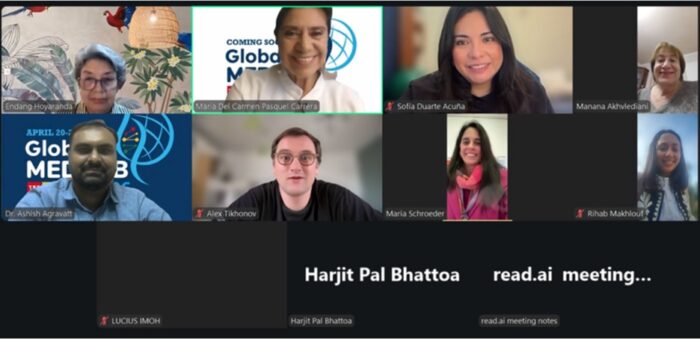
Special recognition to Dr. Rana Khanafsa from Palestine for her outstanding leadership and engagement.
My sincere appreciation to the IFCC Communications and Publications Division, led by Prof. Harjit Pal Bhattoa, for their continuous support and commitment to excellence. I would also like to recognize and thank all members of the Division for their dedication, professionalism, and valuable contributions in strengthening IFCC communication and global outreach throughout this initiative.
To the Task Force Young Scientists, led by Lic. Santiago Fres Taie and currently by Dr. Marie Lenski, thank you for your energy and social media impact that have significantly contributed to the growth of this initiative.
A special acknowledgment is also extended to the enthusiastic participation of the Young Scientists of the Latin American Confederation of Clinical Biochemistry (COLABIOCLI), whose energy, commitment, and active engagement greatly enriched the celebration of IFCC-GMLW 2026. We also sincerely appreciate the support of the COLABIOCLI Executive Board, whose collaboration made possible the organization of educational webinars that gathered more than 500 participants across the region, further strengthening professional education, scientific exchange, and regional integration within the laboratory medicine community.
To the IFCC Office, especially Silvia Colli Lanzi and Elisa Fossati, my deep gratitude for your professional and consistent support over the years.
To Anmys, led by Andres Bedoya, thank you for your dedication, creativity, professionalism, and tireless work in coordinating global communication across different time zones. Beyond their outstanding technical and communication support, the Anmys team demonstrated a remarkable ability to understand and translate the spirit and vision of IFCC-GMLW 2026 into meaningful visual and digital communication.
A special appreciation goes to the development of this year’s logo, which beautifully represented the union of science, life, and global collaboration. Inspired by the structure of DNA, the design symbolized the essential role of laboratory medicine in healthcare and scientific advancement, while the colored elements reflected the essential amino acids — the fundamental building blocks of life. Each color represented diversity, knowledge, hope, innovation, and the shared commitment of the worldwide laboratory community working together to improve patient care and global health. (photo 4)
Their creativity and sensitivity in capturing the values and message behind this initiative greatly contributed to the identity, visibility, and global impact of IFCC-GMLW 2026.
Finally, I extend my gratitude to IFCC authorities, health institutions, universities, federated members, colleagues, friends, and families worldwide. I sincerely apologize if I am unable to mention everyone individually—your contributions have all been invaluable.
Because behind every laboratory result, there is a life and a hope.
Thank you all for making IFCC-GMLW 2026 a truly global success.
With my highest consideration and appreciation,
Maria del C. Pasquel-Moxley
Chair, IFCC C-PR/IFCC-GMLW
IFCC: the people
IFCC Calls for Nominations

Participate in IFCC activities and give your contribution!
Review the open positions and Review the open positions and, if interested, contact your National or Corporate Representative.
The IFCC is inviting nominations for following positions:
-Call for Nominations for: 1 Chair; 1 Corporate Member Representative; 5 members (1 member will be a young scientist, < 40 years).
-Nominations should be sent to Smeralda Skenderaj (smeralda.skenderaj@ifcc.org)
-Deadline: June 30th, 2026
– Click here to download the Call for nominations letter
Call for Nominations for a member position representing the African region
Click here to download the Call for nominations letter
Call for Nominations for a member position representing the Arab region
Click here to download the Call for nominations letter
Call for Nominations for a member position representing the European region
Click here to download the Call for nominations letter
Call for Nominations for a member position representing the North American region
Click here to download the Call for nominations letter
Call for Nominations for a corporate member position
Click here to download the Call for nominations letter
Nominations should be sent to Silvia Cardinale (cardinale@ifcc.org) by June 30th, 2026.
FOR UPDATES ABOUT IFCC CALL FOR NOMINATIONS VISIT https://ifcc.org/about/ifcc-calls-for-nominations/
For any further information on nominations, please refer to your National or Corporate Representative – contacts are available here.
IFCC: the Young Scientists
Update on the activities of the group of young scientists on digital competence in laboratory medicine
By Dr. med. Jakob Adler
Institute for Medical Diagnostics (IMD) Berlin and Institute for Hemostaseology and Pharmacology (IHP) Berlin, DE – Chair of the Section Digital Competence and AI of the German Society of Clinical Chemistry and Laboratory Medicine (DGKL), IFCC-TF-YS Corresponding member
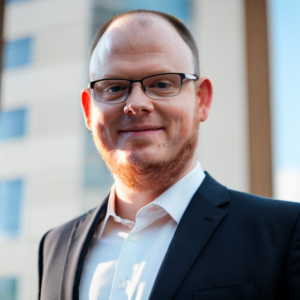
The group on Digital Competence was founded following EuroMedLab 2022 in Munich, and we last reported on its activities in the March 2024 issue of the IFCC eNews. The group’s goal is to enhance the digital skills of young scientists in clinical chemistry and laboratory medicine. This includes a fundamental understanding of relevant topics such as data formats, data analysis, and applications of machine learning.
Over the past two years, a variety of topics have been covered:
- Collaborative workspaces (with cryptpad.fr)
- Markdown basics
- Introduction to Git and GitHub
- Multiple live lessons on basics in R and RStudio
- Reference interval verification using tools like reflimR and refineR
- Basics of AI
- Basics of Large Language Models (LLMs)
- Deep research agents
- R workflow for Omics data
The R Basics sessions were recorded and are therefore also available to others who join later. In addition to the live lessons, a comprehensive collection of links has been created on GitHub, bringing together articles and tutorials on a wide variety of topics in data science, AI, and machine and deep learning. In short presentations lasting about 5 to 10 minutes—known as “IT Buzzword Bingo”—participants explained topics such as HTML, CSS, supervised and unsupervised learning, and big data to help everyone understand the terminology.
In the last session, Aleš Kvasnička presented various methods for visualizing high-dimensional data in lipidomics measurements. In the next session, which will take place on June 18, Alexander Tolios (Vienna) will introduce us to the world of algorithmic thinking, which we view as the foundation for understanding our world in the age of AI.
In future sessions, we will explore topics such as laboratory data interoperability and data governance. Participation is open to everyone. You can sign up for the email distribution list by sending an email to digcomplabmed@ifcc.org. The upcoming webinars will also be posted on the IFCC Young Scientists social media pages.
Voices of our Corporate Members
Spotlight on IFCC Corporate Members
Meet Dr. Kalen Nissen, Corporate Representative for the IFCC Committee on Clinical Applications of Cardiac Bio-Markers (C-CB)

- How long have you been associated with IFCC?
I began volunteering with the IFCC after joining Siemens Healthineers Diagnostics. Prior to this, I served as a clinical laboratory medical director within a U.S. healthcare system before transitioning to an industry role in Medical Affairs.
In February 2017, I was appointed as the corresponding member to the IFCC C-CB representing Siemens Healthineers, a role I have continued to hold. Additionally, from 2019 to 2021, I served as a corresponding member of the IFCC Task Force for Corporate Members, contributing to initiatives aimed at strengthening collaboration between industry partners and the IFCC.
- What inspires you to get more involved?
Working with the C-CB has provided me with the opportunity to remain engaged in a clinical area that I am deeply passionate about—an involvement I actively choose and find highly rewarding. I have long valued mentoring and teaching, and participating in a committee with a strong educational focus allows me to continue contributing in these areas, offering both personal and professional fulfillment.
As my work has shifted toward a predominantly remote setting since the pandemic, involvement in an active committee that convenes both virtually and in person has become even more meaningful. It offers a valuable avenue to maintain live, collaborative engagement with a network of distinguished colleagues.
The C-CB is united by a shared commitment to advancing education, responding both proactively and reactively to emerging needs in the field. This dynamic environment is particularly fulfilling, as it not only provides opportunities for meaningful contribution but also enables continuous learning from experts at the forefront of cardiac biomarker science and evolving clinical practice.
Importantly, the committee fosters an inclusive and collaborative culture, actively encouraging participation from industry members. This approach ensures that we feel welcomed, engaged, and empowered to contribute our perspectives and expertise in ways that meaningfully support the committee’s mission.
- What do you like most about your involvement with IFCC?
I greatly value the opportunity to build and strengthen relationships with fellow industry members—connections that might not otherwise develop in the course of our day-to-day work. This engagement enables meaningful networking with peers in similar roles across different organizations and creates unique opportunities for collaboration, even among companies that are typically seen as competitors.
One example of this collaboration is a recent initiative that Tricia Ravalico and I co-led, in which we gathered customer questions from industry corresponding members and brought them to the committee for consideration. In response to this input, the committee developed a Frequently Asked Questions series. We coordinated with participating companies to compile and prioritize the questions, which were then addressed by committee experts. This effort resulted in the creation of multiple new educational resources that can be used to support physician and laboratory education, both directly and through manufacturers’ scientific and medical teams.
I also greatly appreciate the opportunity to engage with experts from outside my home country, where I have trained and worked. This exposure broadens my perspective and enables me to think more globally—an increasingly important skill, particularly in the context of working for a global organization that must consider diverse clinical practices and customer needs across many regions. Learning from, and connecting with, a diverse community of experts is both professionally enriching and personally rewarding, and I value the mutual exchange of knowledge and experience that these interactions provide.
- What advice do you have for other Corporate Members?
Be confident in the unique and valuable perspective you bring to a committee, and do not hesitate to speak up in advocating for our customers. Opportunities to collaborate with both fellow industry members and leading experts in laboratory medicine are both uncommon and impactful, offering significant value for professional growth as well as personal fulfillment.
- Is there anything else you would like to add before we close this interview?
I would like to take this opportunity to publicly recognize the members of the C-CB committee and express my sincere appreciation for their collaboration with industry partners. It is a privilege to be associated with such a highly productive and dedicated group. I am continually impressed by the breadth and quality of educational work the committee delivers alongside their day-to-day responsibilities. I would strongly encourage others to take advantage of the many valuable resources developed by the C-CB, which provide meaningful support for both clinical practice and laboratory education. I believe we can all benefit from adopting a more global perspective and sharing knowledge more broadly, with the shared goal of advancing laboratory medicine and improving patient care.
Contribute to IFCC eNews
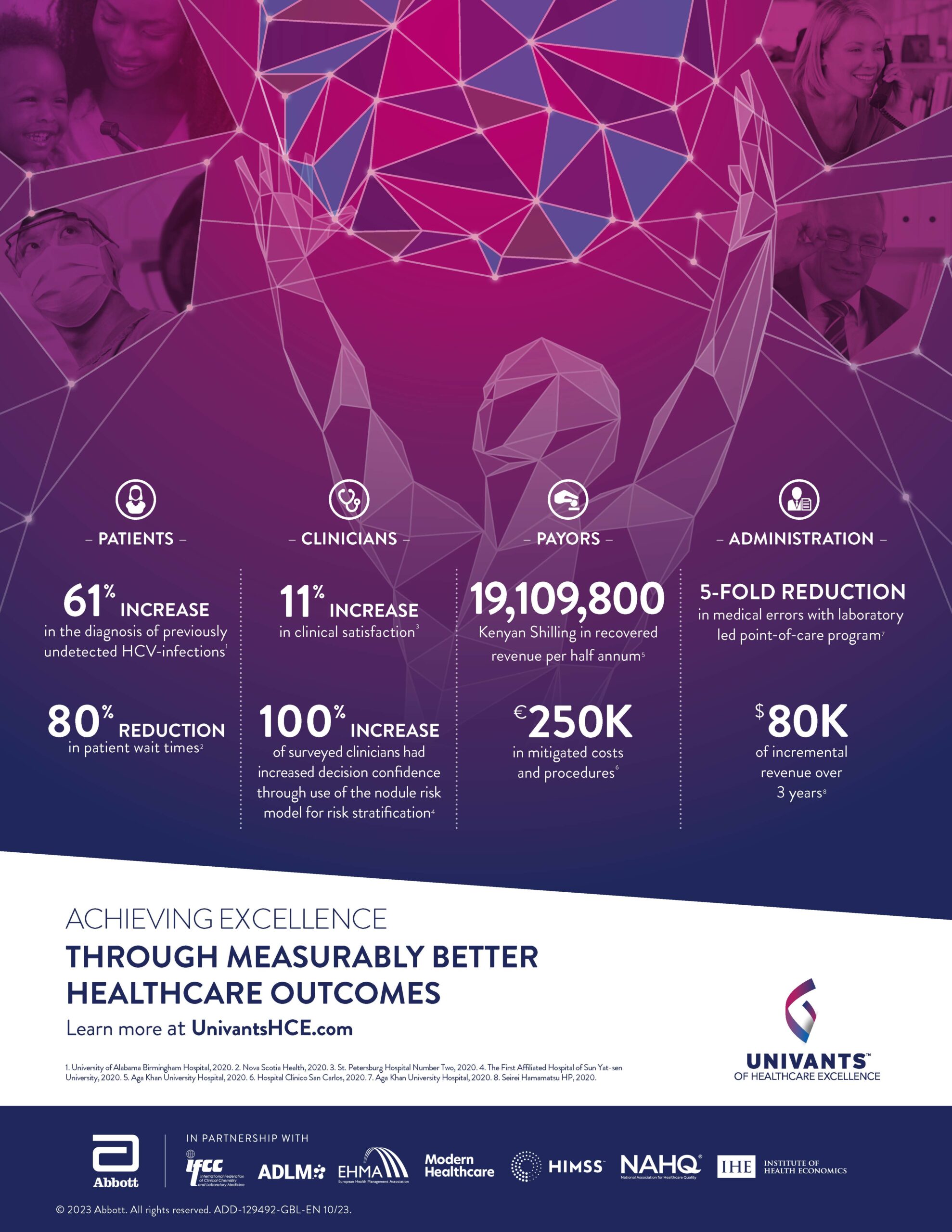
Laboratory Medicine as a Driver of Health: Insights from UNIVANTS of Healthcare Excellence
Laboratory medicine is undergoing transformational change, from a diagnostic service to a strategic driver of improved healthcare outcomes. In the context of global public health challenges, including infectious diseases, antimicrobial resistance, and rising chronic disease burden, this evolution is particularly significant. The UNIVANTS of Healthcare Excellence program offers powerful real-world examples of how laboratory-enabled best practices significantly improving patient and population level health outcomes.
Many UNIVANTS-recognized best practices demonstrate this broader impact, shaping clinical pathways and healthcare delivery overall. For example, several laboratory-guided initiatives have been instrumental in improving antimicrobial use. A strong example originates from Cleveland, Ohio, where a team from University Hospitals Cleveland implemented molecular susceptibility testing to detect resistance related mutations of helicobacter pylori (H.pylori). Recognizing that the World Health Organization denoted H. pylori as one of the top 10 antibiotic-resistant pathogens of concern, this team sought to personalize antibiotic use, through lab-guided susceptibility testing. This intervention enabled a 30% and 55% reduction in rates of inappropriate antibiotic treatment and no treatment, respectively. Thus, mitigated antibiotic resistance and underscoring the value of genetic testing and multidisciplinary collaboration in advancing antimicrobial stewardship and effectively treating H. pylori. To learn more about this initiative, please visit here.
Additional examples exist in which laboratory medicine has reshaped clinical pathways include reflex testing strategies and algorithm-based programs that help identify previously unbeknownst diseases. A strong example includes the intelligent liver function testing pathway (iLFT) from Dundee, Scotland. Recognizing that many patients who had end-stage liver disease had early warning signs that could have potentially changed the disease outcomes, this multi-disciplinary team implemented a reflexive testing pathway to ensure appropriate investigations and follow-up, when necessary. Through their novel approach, 43% more patients were diagnosed with liver disease, enabling early intervention and follow-up. Impressively, use of iLFT increased the likelihood that a liver dysfunction diagnosis was appropriate by 52% (93% of diagnoses using iLFT were appropriate, compared with 41% using standard practice). Additionally, iLFT proved to be cost-effective with a low initial incremental cost-effectiveness ratio (ICER) of £284 (~$375 USD) per correct diagnosis. To learn more about this integrated clinical care initiative, please visit here.
Lastly, several programs have focused on expanding access to testing by embedding laboratory strategies into routine care pathways. For example, in Croydon, England, there was the highest rates of late HIV diagnosis in London, marked by low testing and lack of clinical expertise outside of sexual health clinics. Accordingly, a multi-disciplinary team at Croydon University Hospital implemented an opt-out HIV testing program in its emergency department, enabling a 97% testing rate for over 18 months, thereby setting an international gold standard. Since initiation the number of HIV diagnoses have tripled, while decreasing patient length of stay for newly diagnosed patients by 33 days. Additionally intensive treatment unit (ITU) admissions fell from 15% to 0%, and mortality decreased from 23% to 0%. To learn more, please visit, here.
While many more best practice examples from UNIVANTS exist, the few examples highlight the criticality of turning laboratory data and insights into action, utilizing automated reflexive testing and the need for data driven clinical pathways. Additionally, the outcomes highlighted throughout UNIVANTS offer several lessons for laboratorians worldwide:
- Focus on outcomes, not just outputs: Align testing strategies with clinical and public health goals
- Adopt a population health perspective: Consider how laboratory interventions impact broader communities
- Strengthen interdisciplinary collaboration: Break down silos across healthcare systems
- Invest in data integration: Ensure laboratory insights are accessible and actionable
To learn more about UNIVANTS and UNVIANTS-recognized best practices, please visit www.UnivantsHCE.com.
News from Regional Federations and Member Societies
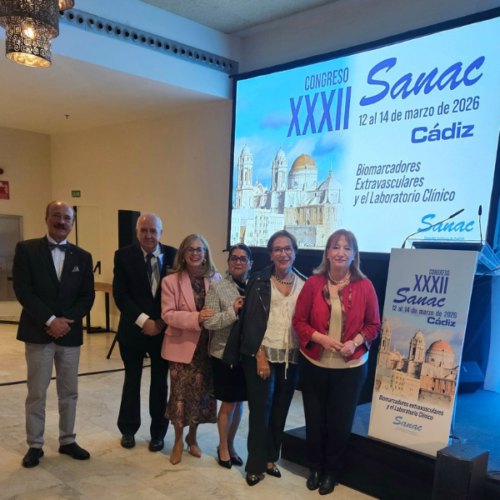
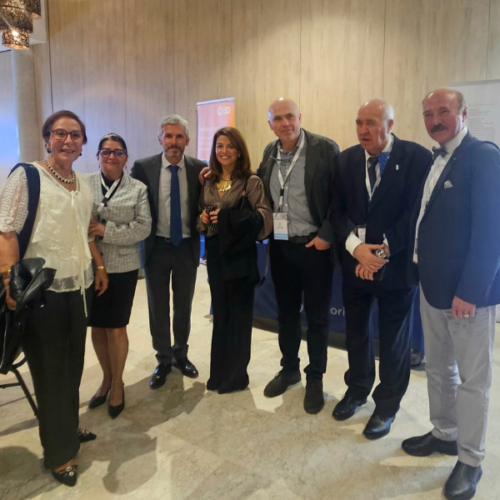
XXXII SANAC Congress: Extravascular Biomarkers and the Clinical Laboratory
Hotel Cádiz Bahía, March 12–14, 2026, Cádiz – Spain
by Dr. Cristóbal Avivar Oyonarte, Past President and Head of International and Institutional Relations of SANAC – Andalusian Society of Clinical Analysis
- General overview of the congress topic
The program focused on the role of extravascular biomarkers, that is, markers measured in samples other than conventional venous blood, such as cerebrospinal fluid, pleural fluid, saliva, urine, stool, semen, synovial fluid, gastric juice, pancreatic cyst fluid, or peritoneal dialysis fluid. The central approach was their usefulness in improving diagnosis, supporting clinical decision-making, advancing toward more precise medicine, and optimizing the work of the clinical laboratory.
The Congress was organized by the SANAC Scientific Committee, in collaboration with the Local Organizing Committee and the Board of Directors, under the coordination of Dr. María Luisa Hortas Nieto, current President of SANAC.
The Congress was attended by 246 participants and 21 companies from the diagnostic sector with their respective professionals, making a total of 305 attendees at the event.
- Program objectives
– To update knowledge on emerging biomarkers in biological fluids and alternative samples.
– To expand the role of the clinical laboratory in the study of extravascular samples with diagnostic and prognostic impact.
– To improve diagnostic precision in areas such as neurology, infections, fertility, oncology, pediatrics, nephrology, and obstetrics.
– To promote methodological innovation, including automation, flow cytometry, molecular analysis, biosensors, and the use of real-world clinical data.
– To foster precision medicine through more specific and useful biomarkers to guide individualized clinical decisions.
– To discuss organizational and strategic issues in the clinical laboratory, such as test coding, healthcare support tools, and international cooperation.
- Summary of lectures and scientific sessions
Pre-congress course
Advances in the analysis of biological fluids (cerebrospinal and pleural).
This course focused on the study of cerebrospinal fluid and pleural fluid, with special attention to automated cell counting, inflammation biomarkers, neurofilament, Alzheimer’s biomarkers, infectious pleuritis, and nucleic acids in pleural fluid. It provided a very clear introduction to the clinical use of biomarkers outside peripheral blood.
Symposium 1
Advances in the study of biological fluids in the clinical laboratory.
This symposium addressed tumor markers in serous fluids, semen analysis for fertility, the study of synovial fluid in septic arthritis and prosthetic infection, and the usefulness of peritoneal dialysis fluid. Overall, the symposium showed how different biological fluids can provide highly valuable diagnostic information in diverse clinical contexts.
Opening lecture
Knowledge generation from clinical data for diagnostic optimization: advantages, ethical challenges, and solutions.
This lecture broadened the congress focus from biomarkers to the use of real-world clinical data, highlighting its potential to optimize diagnosis, but also its ethical and methodological challenges.
Symposium 2
Update on biomarkers in alternative samples for improving diagnosis.
Biomarkers in capillary blood, saliva, urine, and stool were reviewed. Topics included the comparison between capillary and venous blood, the challenges of saliva use, the clinical utility of urinary aldosterone, urinary Pro-BNP in pediatrics, and the interpretation of fecal biomarkers. The overall message was that alternative samples can improve diagnostic accessibility, but they require standardization and careful interpretation.
Symposium 3
New biomarkers measured in other fluids to support clinical decision-making.
This was one of the sessions most closely aligned with the congress theme. It included biomarkers in gastric juice to assess neonatal maturation, pancreatic cyst fluid analysis in precision medicine, CSF biomarkers for multiple sclerosis, and a fetal lactate and pH biosensor for intrapartum monitoring. The common thread was the direct clinical usefulness of unconventional markers in complex situations.
Presentation of oral communications and scientific article
Poster communications:
– Immunology, autoimmunity, and allergy: 17 (seventeen)
– Cytogenetics and molecular biology: 26 (twenty-six)
– Diagnosis and infertility: 4 (four)
– Endocrinology and pregnancy: 15 (fifteen)
– Infectious diseases and microbiology: 14 (fourteen)
– Metabolic disorders and prenatal diagnosis: 7 (seven)
– Instrument evaluation and interference studies: 27 (twenty-seven)
– Drug monitoring and toxicology: 6 (six)
– Renal function: 17 (seventeen)
– Gastrointestinal function: 4 (four)
– Preanalytics, quality assurance, POCT, informatics, and management: 23 (twenty-three)
– Hematology and hemostasis: 16 (sixteen)
– Cardiovascular risk assessment: 4 (four)
– Cancer and tumor markers: 8 (eight)
– Nutrition, vitamins, and trace elements: 2 (two)
– Miscellaneous: 26 (twenty-six)
Evaluation of 253 communications.
Review of 249 communications.
Selection of 9 oral communications.
Rejection of 23 communications.
Awards for the best communications
First Prize — Oral Communication
Awarded to: Dr. Raquel Yavahoui Macías
Title: “Universal neonatal screening for adrenoleukodystrophy: a pioneering initiative in southern Spain.”
Second Prize — Oral Communication
Awarded to: Mr. Francisco Borja Téllez Hernández
Title: “Cox multivariate regression for the prevention of septic risk in oncohematological patients.”
Award for the best communication presented by a resident in training
Awarded to: Ms. Sara Martínez Rodríguez
Title: “Isolated ALT interference as a marker of monoclonal gammopathies through automated detection.”
Award for the best published scientific article
Awarded to: Dr. Álvaro Grajera Martínez
Title: “Clinical neurofilament light chain as a biomarker for disease progression in hereditary transthyretin amyloidosis.”
Technical session
Laboratory test coding nomenclature and new version of the Diraya Analytical Test Module.
This session had a more organizational and management-oriented profile, focused on standardization, coding, and laboratory information tools.
Cooperation session
International cooperation in the clinical laboratory.
This session offered a broader vision of the laboratory as a discipline connected with collaborative networks and international outreach.
Closing lecture
Seminal Cell-Free DNA Assessment as a Novel Prostate Cancer Biomarker..
Dra Tomris Ozben. President of the International Federation of Clinical Chemistry and Laboratory Medicine (IFCC) and past president of the European Federation of Clinical Chemistry and Laboratory Medicine (EFLM) and the Federation of Balkan Clinical Laboratories (BCLF).
Presenter: Dra. María Luisa Hortas Nieto. President of SANAC. Head of the Facultative Analysis and Laboratory Service. Hospital Universitario Costa del Sol, Marbella, Málaga.
The final lecture addressed an innovative biomarker with potential in oncology, highlighting semen as an alternative sample with diagnostic value in prostate cancer. It was a very coherent closing to the central theme of the congress.
- Integrated final summary
The congress was aimed at demonstrating that the future of the clinical laboratory depends not only on classical blood testing, but also on the study of biomarkers in extravascular fluids and alternative samples. Through symposia and lectures, applications were addressed in neurology, infections, fertility, oncology, pediatrics, obstetrics, and nephrology, with a clear commitment to diagnostic innovation, precision medicine, the integration of clinical data, and the improvement of the laboratory’s clinical usefulness.
There were also excellent moments of coexistence with professionals from different hospitals in Andalusia and the rest of Spain, as well as with international guests from Latin America and other countries. The working lunches and dinners of the Congress especially favored this professional and personal exchange.
- Special Mention
Of particular note at the Congress was the participation of Dra. Tomris Ozben, President of the IFCC, who delivered the closing lecture and also took part in the initial workshop and in the “Dinner with the Expert” session. Her contributions were very well received and added significantly to the prestige and scientific relevance of the event. Thanks to the collaboration between the IFCC and the VLP, it was a true honour to welcome her presence, which provided a fitting culmination to an already outstanding congress.
Likewise, also thanks to the collaboration between the IFCC and the VLP, the Congress benefited from the participation of Prof. Dr. María Montserrat Blanes, specialist in Clinical Biochemistry and Laboratory Medicine (CLM-EMD) and member of the IFCC. Her contribution was highly valuable both during the inaugural “Dinner with the Expert” session, where she presented the IFCC programmes, and in her important work in the management and review of the scientific communications.
News from Japan Society of Clinical Chemistry (JSCC): 2025 Technology Award
by Hideo Sakamoto, Ph.D. International Exchange Committee of JSCC
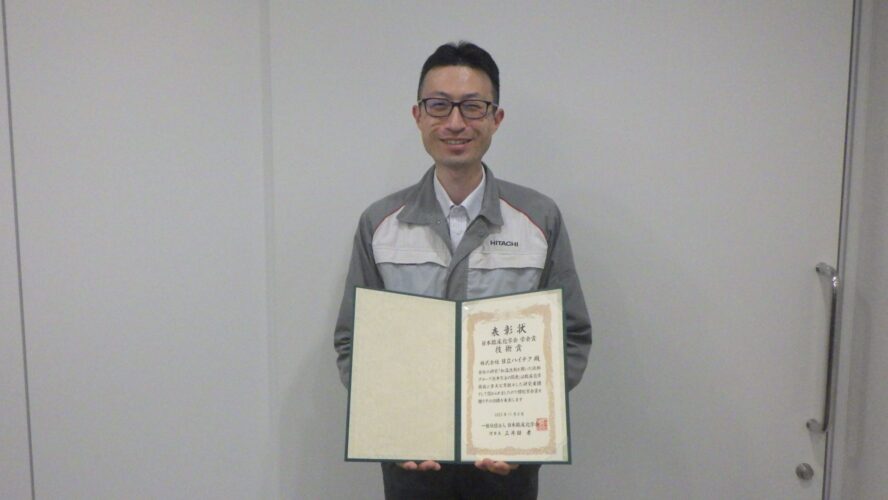
Japan Society of Clinical Chemistry (JSCC) Technology Award is presented to an individual who has made outstanding technological advances in clinical chemistry. In 2025, Hikaru Takizawa, M.S., won the JSCC Technology Award. At the 65th Annual Meeting of the JSCC in Nagoya, Japan, held November 7 to 9, 2025, the award winner, Mr. Takizawa, was congratulated by Dr. Takashi Miida, President of JSCC, for his outstanding work in clinical chemistry.
We JSCC proudly introduce the 2025 JSCC Technology Award winner in this issue and distribute his outstanding work.
Hikaru Takizawa, M.S., of the Medical Systems Design 4th Department at HITACHI HIGH-TECH CO., LTD., received the 2025 JSCC Technology Award for “Development of a Washing Function for Sample Probes Using Heated Detergent.”
Maintenance of sample probes in clinical chemistry automatic analyzers is a critical task to prevent deterioration of dispensing accuracy caused by the accumulation of contaminants. With their conventional instruments, the recommended manual wiping method for maintenance posed challenges, including labor intensity and variability in cleaning effectiveness due to differences in operator skill.
To address these challenges, he developed “A Washing Function for Sample Probes Using Heated Detergent” and implemented it in LABOSPECT 006 α, which was launched in August 2024. This function employs heated alkaline detergent to clean probes, targeting protein and lipid contaminants, which are major components derived from samples. By controlling the detergent temperature to an appropriate level for removing proteins and lipids during cleaning and adjusting the cleaning area based on the extent of sample adhesion, he achieved a cleaning performance comparable to manual wiping.
This approach enabled a reduction in the frequency of manual cleaning of sample probes. Furthermore, ensuring cleaning performance irrespective of operator skill is expected to enhance the reliability of measurement results.
They remain committed to addressing challenges and needs in clinical practice and contributing to the advancement of healthcare by providing high-value products.
Global MedLab Week 2026 Report from Pakistan
By Dr. Fatima Kanani
Section Head Chemical Pathology, Indus University Hospital
IFCC GMLW National Representative for Pakistan Society of Chemical Pathology
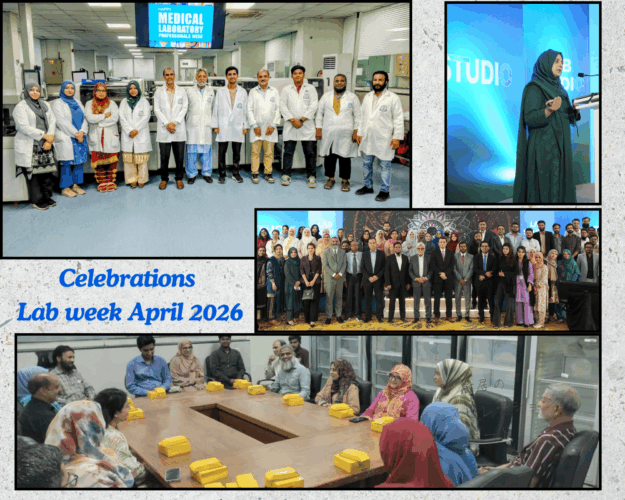
This year, just as the laboratory professionals were honoured around the globe, the clinical laboratory fraternity in Pakistan kept up the tradition of celebrating the IFCC Global MedLab week (IFCC-GMLW) with increasing enthusiasm and fervour.
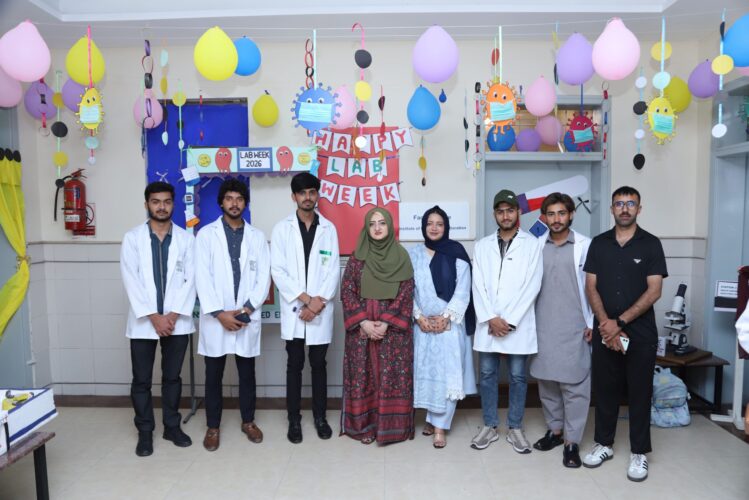
The Pathology Department of Lahore Medical and Dental College (LMDC) celebrated Medical Laboratory Professionals Week 2026 on April 21st with a festive lab decoration themed “A Day at the Lab.” MLT students participated in a comprehensive hands-on workshop titled “Mastering Hands-on Skills in Pathology,” covering essential pre-analytical, analytical, and post-analytical procedures. The event focused on bridging the gap between theory and practice through training in instrumentation, microscopy, and infection control. The celebration concluded with the Principal Professor Dr. Naeem Naqi distributing certificates and awards to students and facilitators for their technical excellence.
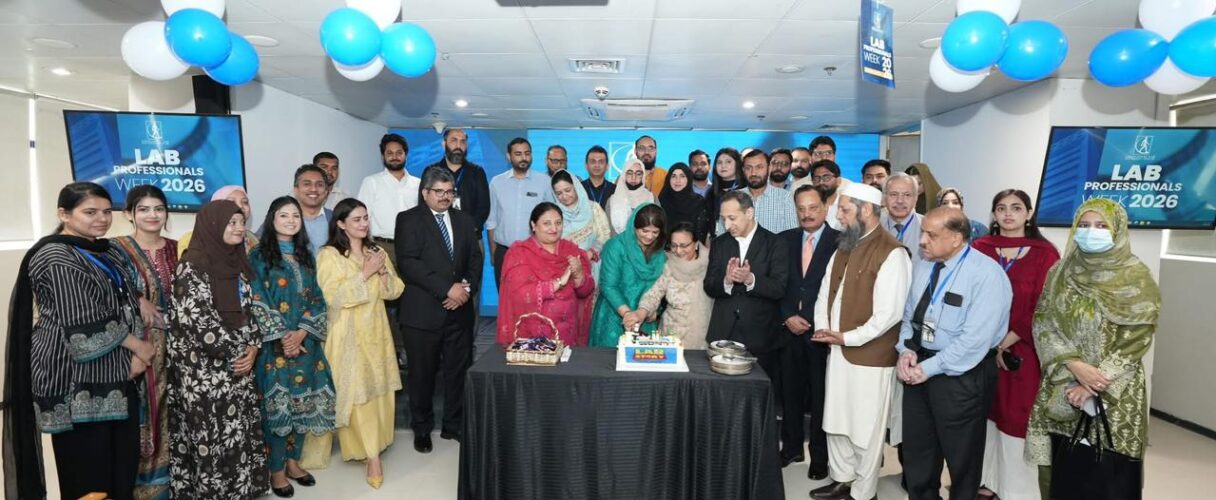
The IFCC Global MedLab week was celebrated at Chughtai Lab, Lahore, under the theme “Lab Story: To Infinity and Beyond for Our Patients.” The event was attended by approximately 120 members and guests. The program featured leadership talks, interactive sessions, real-life laboratory experiences, and an awards distribution ceremony recognizing outstanding professional contributions. Awards presented during the ceremony included the Accuracy Excellence Award, Quality Guardian Award, Silent Saver Award, Night Shift Hero Award, and Patient Care Champion Award. The celebration highlighted the dedication and essential role of laboratory professionals in maintaining excellence in diagnostic services and patient care.
Pathology Lab Week was celebrated by Pathology Lab, Doctors Hospital and Medical Centre, Lahore. An enlightening talk was delivered by Professor Dilawer followed by an interactive discussion on challenges faced by technologists and pathologists.
Advanced Diagnostic Centre, Islamabad, had an open day where clinicians were invited to visit the laboratory and observe processes and quality assurance measures. The opportunity was taken to recognize the dedication of lab staff by distributing certificates of appreciation, acknowledging them as silent heroes of healthcare.
As a part of the IFCC Global MedLab Week activities, the laboratory at Quaid e Azam Medical College, Bahawalpur, participated by recording a video for the MedLab Week titled “A Day in the Lab”. Dr. Asma Shahbaz, Post Graduate resident, played a key role in the coordination of the activities.
During the IFCC GLMW the Chemical Pathology team of Dow Diagnostic Research and Reference Laboratory of Dow University of Health Sciences, Karachi, celebrated and acknowledged each other’s efforts and contributions. A gathering was held where staff shared their appreciation and reflected on the importance of their work. The focus remained on recognizing dedication, teamwork, and the critical role of the laboratory in patient care. This served as a meaningful reminder of the value of our profession.
Lab week was also celebrated at The Kidney Centre Postgraduate Training Institute, Karachi. Its aim was to highlight how laboratory testing supports diagnosis, treatment, disease monitoring, and patient safety. Pathologists, medical laboratory technologists, technicians, and support staff were honoured for their work behind accurate, timely and reliable lab results.
Indus Hospital and Health Network, Karachi, conducted a CME focussing on holistic approach to patient reporting and inter disciplinary coordination, entitled “Clinical context matters: A holistic approach to laboratory test interpretation”. It was well attended by trainees from all Pathology specialties as well as medical technologists. The participants took keen interest in the hands-on activities.
Tabba Kidney Institute, Karachi, also celebrated the Lab Week and proudly recognized the invaluable contribution of their laboratory professionals who ensure quality, reliability, and excellence every day. It was emphasized that behind every accurate diagnosis is a dedicated laboratory team working with precision, professionalism, and commitment to patient care.
At Alkhidmat Diagnostics, Karachi, Lab Week was celebrated with energy, teamwork, and a shared passion for quality diagnostics. This year, they created two special videos for IFCC to highlight the dedication, hard work, and behind-the-scenes efforts of the laboratory professionals who play a vital role in patient care every single day.
A successful CME was hosted by Abbott Diagnostics during the lab week, in association with Pakistan Society of Chemical Pathology in Karachi, bringing together Laboratory Professionals from various laboratories. The aim was to advance diagnostic excellence encompassing talks on clinical chemistry, haematology, transfusion medicine and microbiology.
Overall, we saw increasing effort by the laboratory community in Pakistan to get their services recognized and appreciated during the IFCC Global MedLab Week, held in line with the IFCC’s initiative.
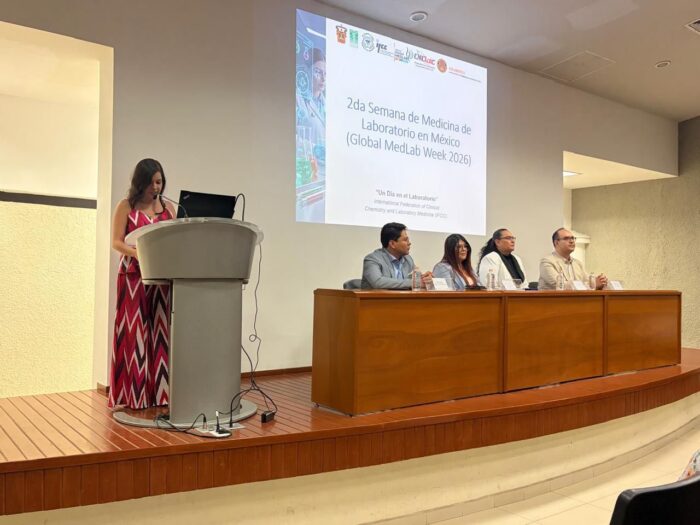
Second Week of Laboratory Medicine in Mexico: An Event for Students, Academics, and Professionals
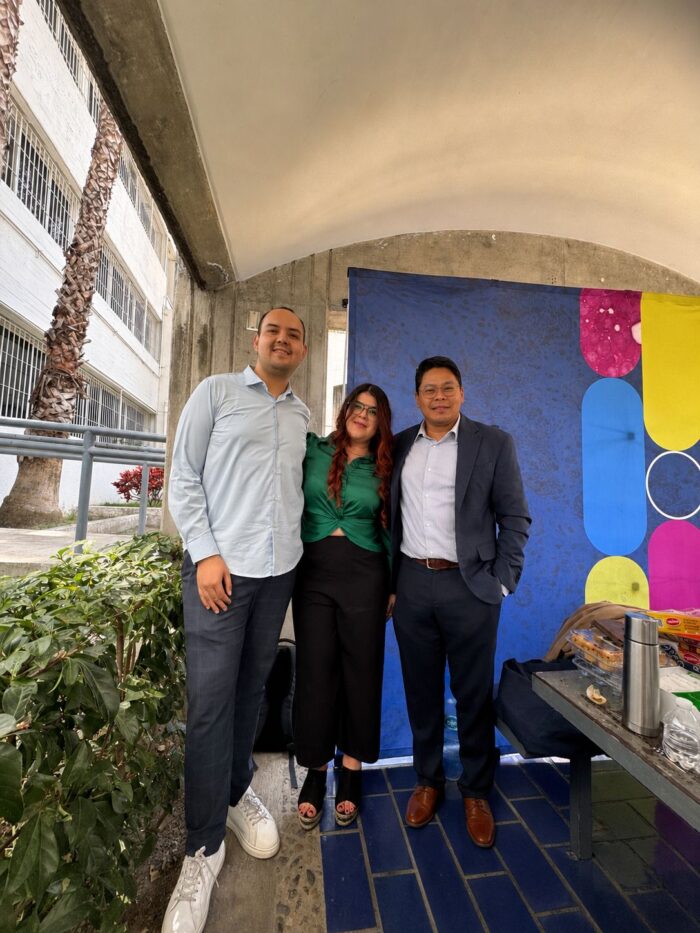
By Andrea Machado-Sulbarán PhD, University of Guadalajara and Member of CMCLabC; Francisco Josué Carrillo-Ballesteros PhD Core Member IFCC TF-YS and Chair YS-WG CMCLabC; and Jorge Hernández-Bello PhD Corresponding Member of Mexico IFCC TF-YS and YS-WG COLABIOCLI.
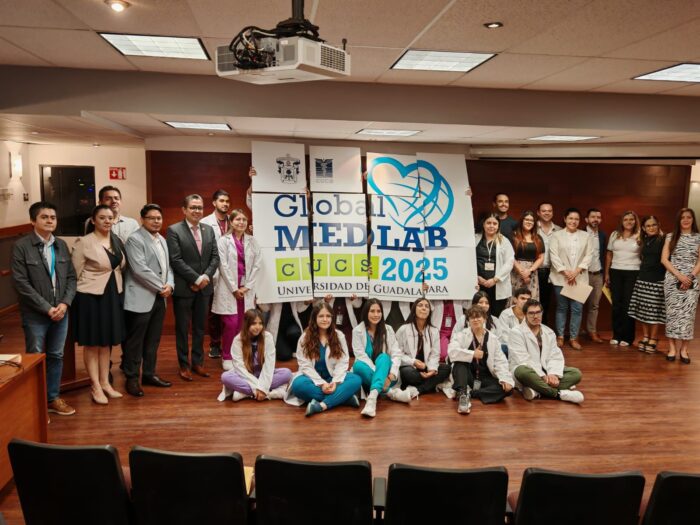
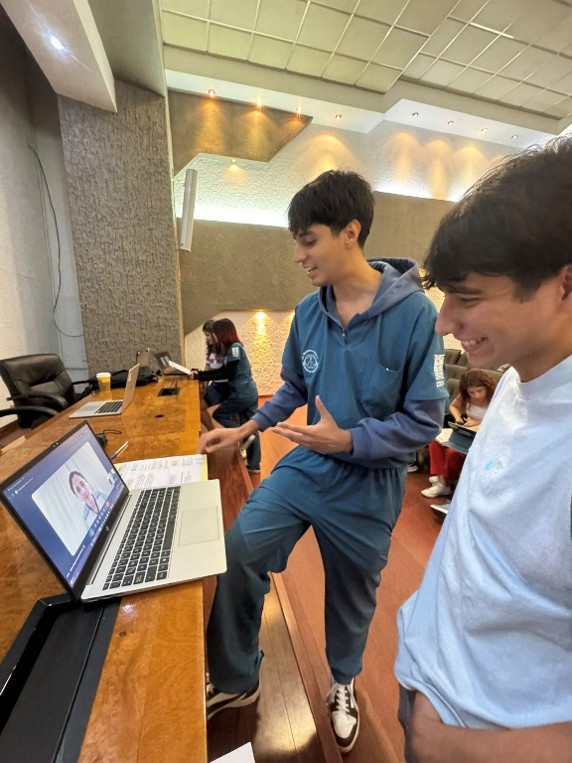
As part of the activities of the new Bachelor’s Degree in Clinical Biochemistry and Laboratory Medicine offered at the Health Sciences University Center (CUCS) of the University of Guadalajara, the event entitled “Second Week of Laboratory Medicine in Mexico” was organized in commemoration of the IFCC Global MedLab Week, in collaboration with the Young Scientists Working Group of the Mexican Society of Clinical Laboratory Sciences A.C. (CMCLabC) and the Young Scientists Working Group of the Latin American Confederation of Clinical Biochemistry (COLABIOCLI).
This initiative highlights the importance of fostering students’ interest and motivation from the beginning of their academic training, while also promoting awareness of the national and international organizations that regulate professional education and practice. Clinical laboratory science is a rapidly evolving field driven by scientific and technological advances; therefore, continuous education and constant updates in analytical methodologies and result interpretation are essential to effectively meet clinical demands.
The main objective of this event is to emphasize the essential role of laboratory professionals in the diagnosis, treatment, and monitoring of diseases, while positioning the new Bachelor’s Degree in Clinical Biochemistry and Laboratory Sciences as an innovative academic program aligned with international standards. Specific objectives include strengthening the professional identity and pride of Clinical Biochemists, increasing the visibility of the new academic program as part of the IFCC global network, promoting social recognition of laboratory professionals, establishing this Global Week as an annual tradition in Mexico, and encouraging activities that integrate the academic community with national and international professional organizations and private companies.
The first edition of this event took place in April 2025 and included the keynote lecture “The Role of Clinical Laboratory Professionals in the Knowledge Era”. The Academic and Scientific Symposium “Innovation, Quality, and Humanism in the Clinical Laboratory” addressed topics such as “Laboratory Medicine and Biomarkers” and “Artificial Intelligence and Process Automation in the Clinical Laboratory”. Interactive activities were also conducted, including a high-fidelity hospital simulation practice for blood gas sample collection at the CUCS Simulation Building, as well as visits to laboratories providing external diagnostic services for pathological and emerging diseases.
The second edition was held in April 2026 and featured lectures on obesity diagnosis through biomarkers, hematological testing, neonatal screening, sexually transmitted viral infections, bacteriological diagnosis, and stem cell therapy and transplantation. In addition, two theoretical-practical workshops were offered on “Interpretation of Indirect Immunofluorescence (IFI) ANA Patterns by ICAP” and a clinical cases resolution workshop with participation from young scientists members of CMCLabC and COLABIOCLI as student mentors.
This initiative promotes dialogue among laboratory professionals, physicians, researchers, healthcare managers, and students in order to strengthen collaboration networks and foster a culture of quality, innovation, and recognition for this critical area of modern medicine. Today more than ever, laboratory medicine continues to evolve through technological advances, innovative methodologies, and continuous professional development, enabling more accurate diagnoses and improved patient care.
Precision in Bloom: A New Season for Lab Medicine in Europe (and wider)
Reported by Lejla Alić, Executive Committee Member, EFLM Division Communication
The EFLM Strategic Plan 2026–2027 represents a unique milestone for the European Federation of Clinical Chemistry and Laboratory Medicine (EFLM). This roadmap holds particular significance as it was co-authored and signed by the past, current, and future EFLM Presidents, representing EFLM’s vision for the coming years. At its core, the plan highlights the value-based laboratory medicine. EFLM’s priorities are clear: improving education, strengthening collaboration with regional and international partners, shaping European health policy, and establishing structured, transferable laboratory data as a clinical standard. Prof. Tomáš Zima’s summary of the Strategic Plan can be found here.
EFLM’s influence continues to grow on the world stage. EFLM is proud to announce that Prof. Tomáš Zima, current President of the EFLM, has been elected as a representative to the IFCC Executive Board for a mandate running through 2029. This appointment ensures the European laboratory medicine community remains a powerful voice in international decision-making. In spirit of global collaboration, EFLM has been invited to host a dedicated symposium, “New Trends in Laboratory Medicine”, at the National Congress in Azerbaijan this May.
To support the next generation of breakthroughs, EFLM awards an annual EFLM Research Grant of €10,000. This year, the grant has been awarded to two innovative projects that exemplify the future of clinical advancement: William van Doorn (Netherlands), who is researching AI-supported generation of interpretative comments for anemia diagnostics, and Marija Sarić Matutinović (Serbia), who is investigating the clinical utility of pro-resolving mediators in autoimmune thyroid diseases.
EFLM’s internal structures are evolving to meet modern challenges. A new functional unit, Endocrine Laboratory Medicine, chaired by Prof. Dr. Annemieke Heijboer, has been formed to foster deeper collaboration among endocrine specialists. The EFLM Committee on Harmonization is advocating for an urgent, collaborative shift toward harmonized laboratory reporting to ensure patient safety and facilitate the mandatory data exchange required by the upcoming European Health Data Space. EFLM is also proud to release the updated Biological Variation Database. With a refreshed interface and enhanced accessibility, it now offers over 3,250 quality-assessed datasets. Simultaneously, EFLM’s commitment to the environment remains constant; EFLM’s Green and Sustainable Laboratories initiative continues to gain momentum, with four new laboratories recently achieving certification and two successfully renewing theirs.
The impressions from the EFLM Strategic Conference 2026, held in Prague on April 24-25, are still settling. This event served as the primary forum for translating EFLM’s strategic vision into actionable initiatives. Just a day prior, a dedicated networking event for Young Scientists, supported by Beckman-Coulter in Czechia, focused on supporting early-career development. Detailed reports from both events will be featured in the upcoming issues of IFCC eNews and EuroLabNews.
The EFLM e-learning platform offers many webinars, including recorded and upcoming sessions covering bone turnover markers and the use of the neurofilament light chain as a novel biomarker in multiple sclerosis. For full, free access to these webinars and EFLM’s extensive library of online resources, EFLM invites you to join the EFLM Academy today and join a community dedicated to excellence. Moreover, please check the event list organized or under auspices of EFLM here.
Finally, save the date for EuroMedLab 2027 in London, where the global community will meet again to share new research and build the connections that move the field of Laboratory Medicine forward.
SEMEDLAB supports the training of the next generation of clinical laboratory professionals

The Spanish Society of Laboratory Medicine (SEMEDLAB) held its 3rd R4 Residents’ Conference: Management and Leadership in Laboratory Medicine, on April 16th and 17th in Girona. The conference aimed to strengthen the skills and competencies of the next generation of Clinical Laboratory professionals through a practical and strategic approach.
According to SEMEDLAB President Dr. Pastora Rodríguez, the 55 residents in attendance were able to acquire leadership skills applied to the Laboratory Medicine environment, with an emphasis on strategic decision-making, team management, and conflict resolution, thanks to 15 speakers. “It is our mission as a Society to support residents during this period of transition and uncertainty. Therefore, we complement their training in areas such as organizational management, resource management, performance evaluation, and continuous improvement in clinical laboratory services,” Dr. Rodríguez emphasized.
The training sessions, organized by the SEMEDLAB Board of Directors and the Training Committee, aim to foster the analytical and strategic thinking of residents in more clinical contexts, as well as to promote the development of professional networks among young physicians, healthcare professionals, and experts in the field, facilitating the exchange of experiences and knowledge.
With speakers such as Dr. Ramiro Torrado, a specialist in Clinical Biochemistry at Getafe Hospital, the meeting addressed a key idea: the laboratory is not a results factory, but a key player in the real clinical impact on the patient. “The session was an opportunity for residents to understand that the value of Laboratory Medicine is not just validating numbers, but helping colleagues in diagnostic and therapeutic decisions and preventing clinical errors,” Dr. Torrado emphasized.
Within the framework of the session, “The First Year as an Attending Physician: Expectations, Reality, and Communication with Clinicians,” theoretical and practical resources were provided so that physicians can face real-life situations in the day-to-day work of an attending physician. It was designed to “work with residents on analytical and strategic thinking in more clinical contexts, as well as foster leadership applied to teams and decision-making,” commented Dr. Torrado.
The new generations of clinical laboratory professionals face a future marked by the widespread adoption of clinical decision support programs and the progressive growth of knowledge in areas related to genetics and genomics. “Young physicians will lead precision medicine from the laboratory, collaborate with industry for co-creation and innovation, and strengthen the value and prestige of the clinical laboratory,” stated the president of SEMEDLAB.
Spanish Society of Laboratory Medicine (SEMEDLAB)
The Spanish Society of Laboratory Medicine (SEMEDLAB)—formally established on January 1, 2025—is an active member of the International Federation of Clinical Chemistry and Laboratory Medicine (IFCC) and the European Federation of Clinical Chemistry and Laboratory Medicine (EFLM). It currently comprises 4,000 professionals and is the result of the merger of the three national scientific associations of Laboratory Medicine and Clinical Laboratory: AEBM-ML, AEFA, and SEQCML. The Society’s objective is to serve its members, promote professional, multidisciplinary, and scientific development, fostering excellence through continuing education, scientific culture, innovation, teaching, and the protection of the specialty, and to increase the national and international visibility of Clinical Laboratory professionals.
For more information: https://semedlab.es/
The Clinical Laboratory, a cornerstone in the multidisciplinary approach to thyroid dysfunction: preventing overdiagnosis and monitoring therapeutic response
From the 2nd Conference of the Scientific Committee of the Spanish Society of Laboratory Medicine (SEMEDLAB), held in person on February 19th and 20th in Alicante:
- Collaboration between the different areas of the laboratory, as well as with other specialists such as endocrinology, surgery, nuclear medicine, and primary care, is essential for clinical decision-making.
- The use of highly sensitive and specific analytical methods, the detection of interferences, and the optimization of response times are essential to ensure a rapid, reliable, and safe diagnosis of thyroid dysfunction.
- Deficiency and excess of thyroid hormones can have significant health consequences, affecting metabolic balance and the overall functioning of the body.
The evaluation and management of thyroid dysfunction have undergone significant changes in the last year due to the emergence of new scientific evidence, the updating of international clinical guidelines in 2025, and improvements to the analytical techniques available in laboratories. Laboratory medicine plays a key role in thyroid management, both in initial diagnosis and follow-up, prognostic stratification, and evaluation of treatment response.
The Spanish Society of Laboratory Medicine (SEMEDLAB), as part of its Scientific Committee Conference held on February 19 and 20 in Alicante, offered the course “Advances in the Diagnosis and Monitoring of Thyroid Dysfunction.” The course aimed to ensure that professional practice is aligned with the latest diagnostic, methodological, and technological advancements, improving the quality of clinical laboratory services and the management of patients with thyroid disease through more personalized medicine.
As highlighted by Dr. Roser Ferrer, co-organizer and president of the SEMEDLAB Endocrinology Committee, the course underscored the need for a multidisciplinary approach to thyroid dysfunction. According to Dr. Ferrer, “collaboration between the different areas of the laboratory—clinical biochemistry, genetics, and pathology—as well as with the various clinical services (endocrinology, pediatrics, oncology, gynecology), is essential for the correct interpretation of results and for more precise diagnostic and therapeutic decision-making, always for the benefit of the patient.”
The thyroid gland, essential for metabolic balance
The thyroid gland plays a key role in regulating critical functions in almost all systems of the human body, including metabolism, growth, and development. In Dr. Ferrer’s words, both a deficiency (hypothyroidism) and an excess (hyperthyroidism) of thyroid hormones can affect metabolic balance and the overall functioning of the body. Furthermore, thyroid cancer accounts for 1–3% of all cancers, but it is the most common endocrine tumor.
According to Dr. Álvaro González Hernández, co-organizer of the course and member of the SEMEDLAB Oncology Commission, the Clinical Laboratory plays an essential role in thyroid management. “The Clinical Laboratory assists in functional diagnosis with TSH and free T4 (with or without free T3), hormones produced by the thyroid gland, following algorithms that maximize efficiency and avoid excessive and unnecessary testing.”
Furthermore, the clinical laboratory determines autoantibodies to identify autoimmune etiologies and performs neonatal screening by measuring thyroid-stimulating hormone (TSH) to detect congenital hypothyroidism. “It is important to note that the interpretation of results must consider the possibility of interferences, other alterations such as non-thyroidal disease, and specific reference ranges (age, pregnancy) that influence clinical decisions.” In thyroid cancer follow-up, the Clinical Laboratory monitors treatment response by measuring thyroglobulin and antithyroglobulin antibodies, which helps in clinical decision-making.
Currently, laboratory tests can detect more subtle or rare hormonal alterations, including the syndrome of inappropriate thyroid hormone secretion (SITS). This is a rare disorder in which TSH is not adequately suppressed despite elevated concentrations of thyroid hormones. According to Dr. Ferrer, the laboratory “has highly sensitive immunoassays, reliable measurements of free hormones (free T4 and free T3), and complementary tests that help differentiate this syndrome from other more common causes of hyperthyroidism.” “Furthermore, the laboratory can perform dynamic hormonal studies when necessary.¨
Dr. Ferrer presented analytical interferences as one of the main challenges in thyroid management from a clinical laboratory perspective. According to the expert, analytical interferences, such as biotin, certain medications, heterophile antibodies, autoantibodies, or alterations in transport proteins, “can produce falsely elevated or decreased results and lead to diagnostic errors.” She also emphasized the use of highly sensitive and specific analytical methods and the optimization of turnaround times “in order to ensure a rapid, reliable, and accurate diagnosis of thyroid dysfunction.”
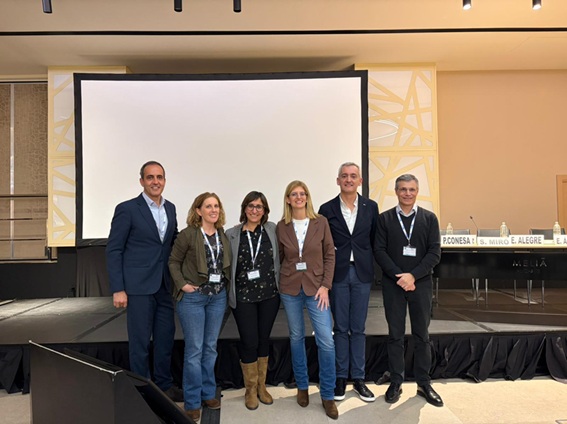
The Spanish Society of Laboratory Medicine (SEMEDLAB)
formally established on January 1, 2025—is an active member of the International Federation of Clinical Chemistry and Laboratory Medicine (IFCC) and the European Federation of Clinical Chemistry and Laboratory Medicine (EFLM). It currently comprises 4,000 professionals and is the result of the merger of the three national scientific associations of Laboratory Medicine and Clinical Laboratory: AEBM-ML, AEFA, and SEQCML. The Society’s objective is to serve its members, promote professional, multidisciplinary, and scientific development, fostering excellence through continuing education, scientific culture, innovation, teaching, and the protection of the specialty, and to increase the national and international visibility of Clinical Laboratory professionals.
For more information: https://semedlab.es/
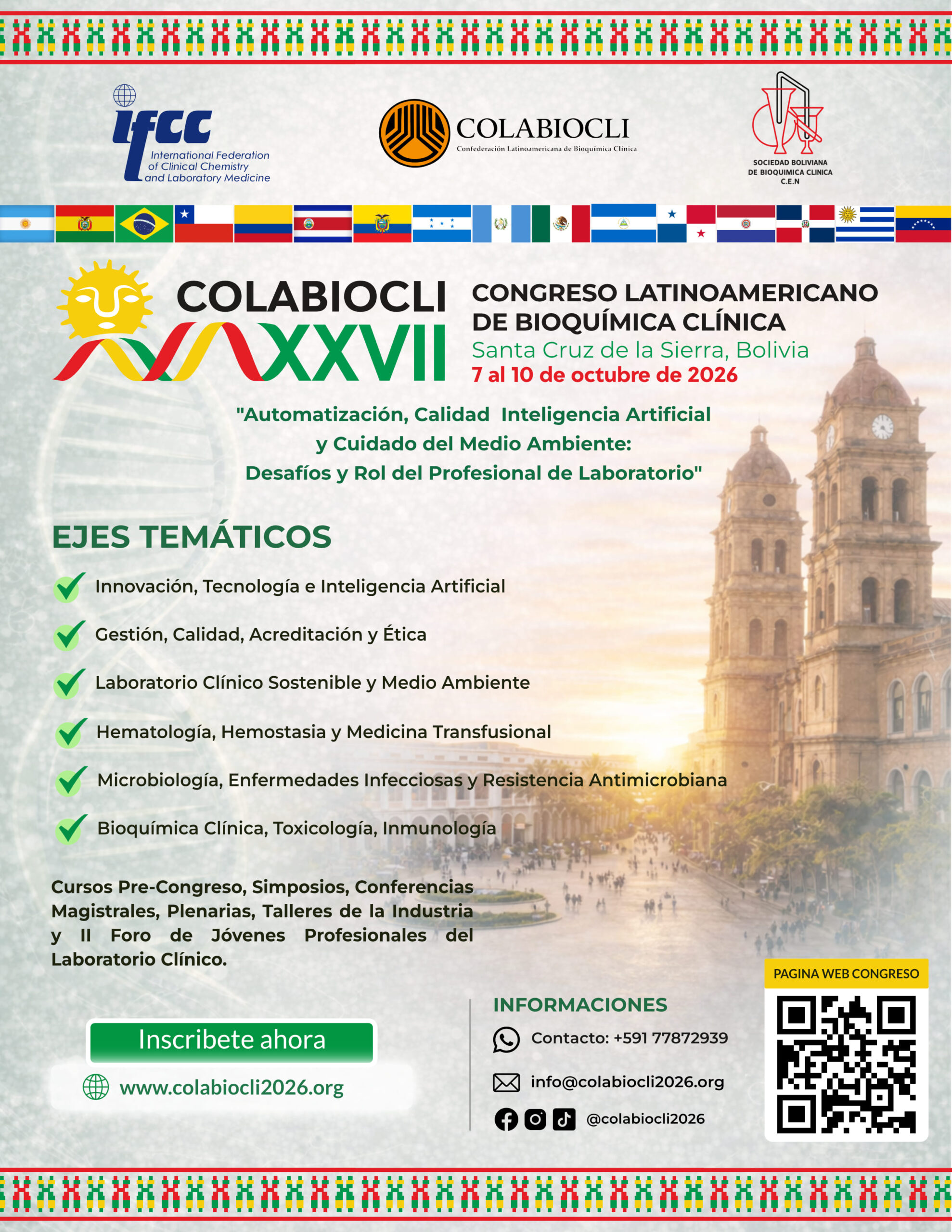
News from the website

1 July 2026
AI Implementation Contest
Please find below link and QR code to access the contest

7 June 2026
Next Generation Clinical Mass Spectrometry – International Survey
Building on our 2024 questionnaire (PMID: 4102995), this survey is the next step in our ongoing effort to advance clinical mass spectrometry practices. Your feedback is essential for bridging the gap between today’s challenges and tomorrow’s solutions. By participating, you help us advocate for the resources and technological shifts necessary to ensure the next generation of mass spectrometry is built for the practical needs of the clinical laboratory.
Please find below link and QR code to access the survey
IFCC’s Calendar of Congresses, Conferences & Events
IFCC and Regional Federation Events
| AFCC 2026 NAIROBI | Nairobi, KE | 2026/07/16-17 | View event | |
| XXVII COLABIOCLI 2026 | Santa Cruz, BO | 2026/10/07-11 | View event | |
| XXVII IFCC WORLDLAB 2026 | New Delhi, IN | 2026/10/25-29 | View event | |
| XXVII IFCC-EFLM EUROMEDLAB 2027 | London, UK | 2027/05/16-20 | View event | |
| APFCB 2027 KUALA LUMPUR | Kuala Lumpur, MY | 2027/10/10-13 | View event | |
| XXVIII IFCC WORLDLAB 2028 – Date to be announced | Buenos Aires, AR |
Corporate Member Events with IFCC Auspices
| Diplomado international in Analytical Quality Management | Quality consulting, online event | 2025-10-01 | 2026-07-31 | ||
| Flow Cytometry for Malignant Hematological Disorders | Quality consulting, online event | 2026-02-23 | 2026-06-26 |
Other events with IFCC auspices

Advertise in IFCC eNews!
Showcase your products and initiatives to more than 57.000 laboratory medicine specialists throughout Europe, North America, Asia- Pacific, Middle East, Africa and Latin America: laboratory directors, clinical chemists, and other clinical laboratory specialists and technologists, leading manufacturers, distributors and dealers in the field.
- Ten issues per year
- Free-of-charge to readers
- Interactive digital edition
Published ten times a year:
- No 1/2 January/February
- No 3 March
- No 4 April
- No 5 May
- No 6 June
- No 7/8 July/August
- No 9 September
- No 10 October
- No 11 November
- No 12 December
For prices, formats and any further information on how your company can gain unique access\to international markets through advertsing with IFCC, please email us at enews@ifcc.org.
IFCC Corporate Members receive a 25% discount on current prices
IFCC Executive Board 2024-2026

Tomris Ozben
President
Nader Rifai
President Elect

Sergio Bernardini
Secretary

Alexander Haliassos
Treasurer

Tricia Ravalico
Corporate Representative
Regional Representatives

R. ERASMUS
African Federation of Clinical Chemistry (AFCC)

M. GERMANOS
Arab Federation of Clinical Biology (AFCB)

T. BADRICK
Asia-Pacific Fed for Clin Biochem and Lab Med (APFCB)

T. ZIMA
European Fed of Clin Chem and Lab Medicine (EFLM)

E. FREGGIARO
Latin-American Confederation of Clin Biochemistry (COLABIOCLI)

S. HAYMOND
North American Fed of Clin Chem and Lab Med (NAFCC)
IFCC Divisions and C-CC Chairs

C. COBBAERT (NL)
Scientific Division
Chair

V. STEENKAMP (ZA)
Education and Management Division Chair

HP BHATTOA (HU)
Communications and Publications Division Chair
D. GRUSON (BE)
Emerging Technologies Division
Chair

P. LAITINEN (FI)
Congresses and Conferences Committee Chair
IFCC Office Staff
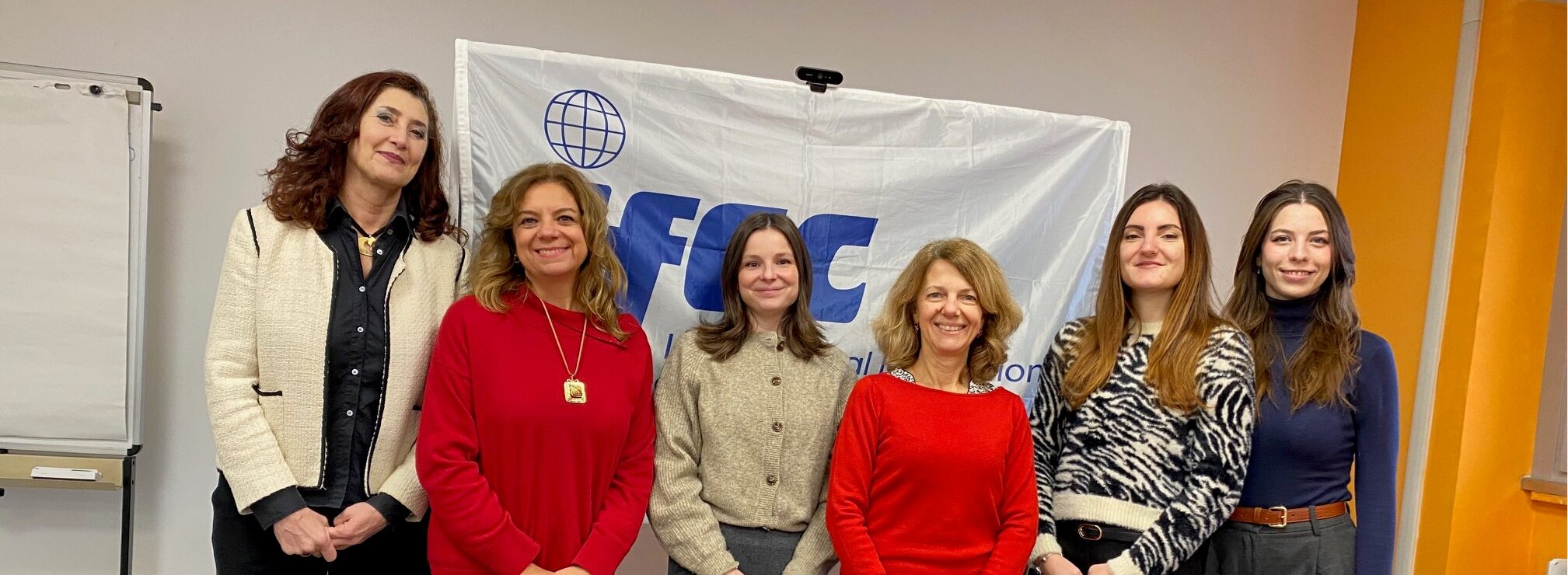
IFCC Membership
Full members
- Albania (AL) – ASoLaM
- Algeria (DZ) – SABC
- Argentina (AR) – CUBRA
- Armenia (AM) – AMLDS
- Australia and New Zealand (AU/NZ) – AACB
- Austria (AT) – ÖGLMKC
- Azerbaijan (AZ) – ASCLS
- Belgium (BE) – RBSLM
- Bolivia (BO) – SOBOBIOCLI
- Bosnia Herzegovina (BA) – AMBBIH
- Brazil (BR) – SBAC
- Brunei Darussalam (BN) – BAMLS
- Bulgaria (BG) – BSCL
- Burundi (BI) – ANTEBBU
- Cameroon (CM) CSBC
- Canada (CA) – CSCC
- Chile (CL) – SCHQC
- China (Beijing) (CN) – CSLM
- China Region (Taipei) (TW) – CACB
- Colombia (CO) – CNB
- Croatia (HR) – HDMBLM
- Cuba (CU) – SCPC
- Cyprus (CY) – ACLCY
- Czech Republic (CZ) – CSKB
- Denmark (DK) – DSKB
- Dominican Republic (DO) – CODOBIO
- Ecuador (EC) – SEBIOCLI
- Egypt (EG) – ESCC
- Estonia (EE) – ELMU
- Ethiopia (ET) – EMLA
- Finland (FI) – SKKY
- France (FR) – SFBC
- Georgia (GE) – GLMA
- Germany (DE) – DGKL
- Greece (GR) – GSCC-CB
- Guatemala (GT) – AQBG
- Hong Kong, China Region (HK) – HKSCC
- Hungary (HU) – MLDT
- Iceland (IS) – ISLM
- India (IN) – ACBI
- Indonesia (ID) – HKKI
- Iran (IR) – IAB
- Iraq (IQ) – ISMBG
- Ireland (IE) – ACBI
- Israel (IL) – ISCLS
- Italy (IT) – SIBioC
- Japan (JP) – JSCC
- Jordan (JO) – JSMLC
- Kenya (KE) – CCAK
- Korea (KR) – KSCC
- Kosovo (XK) – KACC
- Kuwait (KW) – KACB
- Latvia (LV) – LLSB
- Lebanon (LB) – SDBLB
- Libya (LY) – LACP
- Lithuania (LT) – LLMD
- Luxembourg (LU) – SLBC
- Malawi (MW) – MAMLS
- Malaysia (MY) – MACB
- Mauritania (MR) – SMBC
- Mexico (MX) – CMCLABC
- Moldova (MD) – AMLRM
- Montenegro (MNE) – MACC
- Morocco (MA) – SMCC
- Myanmar (MM) – MMTA
- Nepal (NP) – NAMLS
- Netherlands (NL) – NVKC
- Nigeria (NG) – ACCN
- North Macedonia (MK) – MSMBLM
- Norway (NO) – NSMB
- Pakistan (PK) – PSCP
- Palestine (PS) – PMTA
- Panama (PA) – CONALAC
- Paraguay (PY) – ABP
- Peru (PE) – AMPPC
- Philippines (PH) – PAMET
- Poland (PL) – PTDL
- Portugal (PT) – SPML
- Romania (RO) – RALM
- Russia (RU) – FLM
- Saudi Arabia (SA) – SSCC
- Senegal (SN) – 2SBC
- Serbia (SRB) – DMBS
- Singapore (SG) – SACB
- Slovak Republic (SK) – SSKB
- Slovenia (SI) – SZKKLM
- South Africa (ZA) – SAACB
- Spain (ES) – SEMEDLAB
- Sri Lanka (LK) – ACBSL
- Sudan (SD) – SSCB
- Sweden (SE) – SSCC
- Switzerland (CH) – SSCC
- Syrian Arab Republic (SY) – SCLA
- Thailand (TH) – TSCP
- Tunisia (TN) – STBC
- Türkiye (TR) – TBS
- Ukraine (UA) – ACCLMU
- United Arab Emirates (UAE) ECCS
- United Kingdom (UK) – ALM
- United States (US) – ADLM
- Uruguay (UY) – ABU
- Vietnam (VN) – VACB
- Zambia (ZM) – BSZ
- Zimbabwe (ZW) – ZACB
Corporate members
- Abbott Laboratories
- Agappe Diagnostics Ltd
- Arkray Inc.
- Autobio Diagnostics Co. Ltd.
- BD Diagnostics-Preanalytical Systems
- Beckman Coulter, Inc.
- Beijing Wantai Biological Pharmacy Enterprise Co. Ltd.
- Bio-Rad Laboratories
- BioMérieux
- Boditech Med Inc.
- The Binding Site Group Ltd.
- Controllab
- Diagnostica Stago
- DiaSys Diagnostic Systems Gmbh
- Et Healthcare Inc.
- Fujifilm Wako Pure Chemical Corporation
- Fujirebio-Europe
- Gentian As
- Getein Biotech Co., Ltd.
- Greiner Bio-One Gmbh
- Guangzhou Wondfo Biotech Co. Ltd.
- Helena Biosciencies Europe
- Hytest Ltd.
- Immunodiagnostic Systems
- Instand E.V.
- Instrumentation Laboratory
- I-Sens, Inc.
- Jiangsu Bioperfectus Technologies Co. Ltd.
- Labor Dr. Wisplinghoff
- Labor Team W Ag
- Lifotronic Technology Co. Ltd.
- Maccura Biotechnology Co., Ltd.
- MedicalSystem Biotechnology Co., Ltd.
- Medix Biochemica
- Menarini Diagnostics
- Mindray – Shenzhen Mindray Bio-Medical Electronics Co., Ltd.
- Nagase Diagnostics Co., Ltd.
- Nanjing Realmind Biotech Co., Ltd.
- Nittobo Medical Co. Ltd.
- PHC Europe B.V.
- Quality Consulting
- QuidelOrtho
- Radiometer Medical Aps
- Randox Laboratories Ltd.
- Roche Diagnostics Gmbh
- Sansure Biotech Inc
- Sebia S.A.
- Sentinel Ch Spa
- Shanghai Kehua-Bioengineering Co., Ltd.
- Shanghai Medconn Biotechnology Co., Ltd.
- Shenzhen Drawray Biotech Co. Ltd
- Shenzhen Reetoo Biotechnology Co. Ltd.
- Shenzhen Yhlo Biotech
- Siemens Healthineers
- Snibe Co., Ltd
- Stiftung Fuer Pathobiochemie Und Molekulare Diagnostik (SPMD-RfB)
- Sysmex Europe Gmbh
- Technogenetics
- The Binding Site Group Ltd.
- Thermo Fisher Scientific
- Tosoh Corporation
- Wondfo Biotech Co., Ltd.
- Zybio Inc.
Affiliate Members
- Algeria (DZ) – SABGM
- Argentina (AR) – FBA
- Armenia (AM) – AALM
- Botswana (BW) – BICLP
- Brazil (BR) – SBPC/ML
- China (CN) – LMC
- Egypt (EG) – EAHCQPS
- France (FR) – LABAC
- India (IN): ACCLMP, AMBI and AMU
- Iran (IR) – IACLD
- Jordan (JO) – MTLS
- Kazakhstan (KZ) – FLM
- Mexico (MX): CONAQUIC A.C., CONQUILAB, FEMPACML and FENACQC
- Nepal (NP) – NACC
- Philippines (PH) – PCQACL
- Romania (RO) – OBBCSSR
- Serbia (RS) – SCLM
- Spain (ES): SANAC
- Sri Lanka (LK) – CCPSL
- Tunisia (TN) – ATUTEB
- Türkiye (TR) – KBUD
- Ukraine (UA) – AQALM
- United Arab Emirates (UAE) – UAEGDA
Regional Federations
- Arab Federation of Clinical Biology (AFCB)
- African Federation of Clinical Chemistry (AFCC)
- Asia-Pacific Federation for Clinical Biochemistry and Laboratory Medicine (APFCB)
- European Federation of Clinical Chemistry and Laboratory Medicine (EFLM)
- Latin America Confederation of Clinical Biochemistry (COLABIOCLI)
- North American Federation of Clinical Chemistry and Laboratory Medicine (NAFCC)
Publisher
The Communications and Publications Division publishes ten editions of the e-News per year, including two double issues.
Editor
Head of the Department of Biochemistry Naval and Veterans Hospital
Athens – Greece
E-mail: enews@ifcc.org
The eNews is distributed to all IFCC members registered on-line to receive it and to all IFCC sponsors.
Deadlines for submissions to the eNews
N° 3 – March: by mid-February
N° 4 – April: by mid-March
N° 5 – May: by mid-April
N° 6 – June: by mid-May
N° 7/8 – July/August: by mid-June
N° 9 – September: by mid-August
N° 10 – October: by mid-September
N° 11 – November: by mid-October
N° 12 – December: by mid-November
If you want to submit an article or advertisement to be published in the eNews, send it to: enews@ifcc.org
Copyright © 2026 IFCC. All rights reserved. Contents may not be reproduced without the prior permission of the Communications and Publications Division (CPD) of the IFCC.